

First store specializing in products aimed at seniors opens to give better options in furniture, technology, fashion, and even helping them achieve their musical dreams, Zhou Wenting reports.
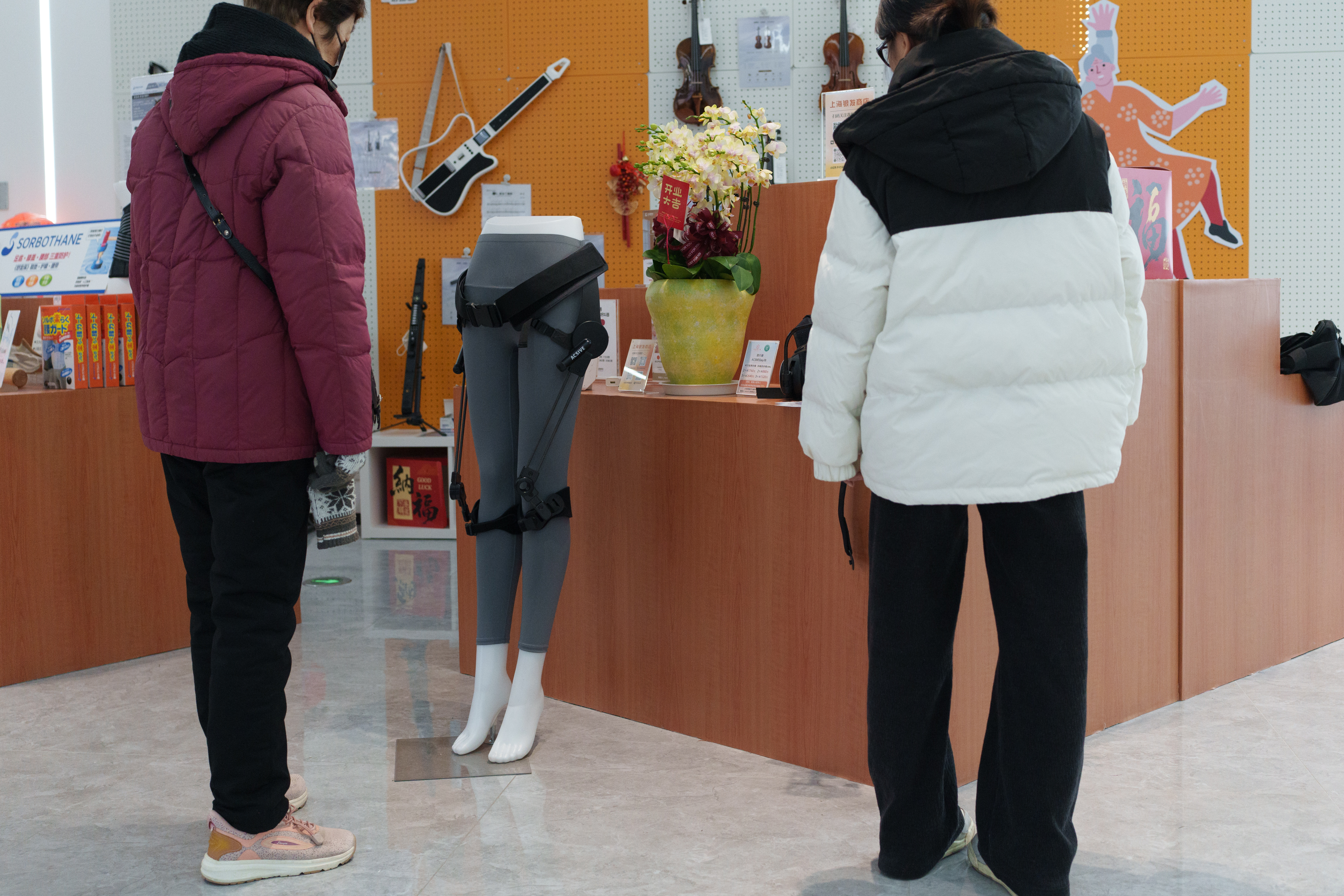
Since opening on Dec 23, Shanghai's first specialty store for seniors has seen booming sales, with many elderly visitors praising it for addressing the unmet needs of the senior market.
The 1,200-square-meter Shanghai Modern Aging Store, located in the Putuo district, is an innovative product experience center for seniors and has attracted an influx of elderly visitors, many of whom are armed with newspaper clippings and maps.
The shop achieved a sales turnover of 500,000 yuan ($72,764) in its first month, and a sales turnover of around 950,000 yuan in end of February.
"The current customer flow has far exceeded our expectations, and the enthusiasm among the elderly is high and consistent. Many seniors, even those in their 90s, have traveled from all corners of Shanghai to visit, indicating that demand in the elderly consumer market has always existed but lacked a suitable venue," says Yang Jingling, the store's operations manager.
According to municipal authorities, 37.6 percent of the city's population with a permanent household registration, or hukou, was age 60 or older by the end of 2024.
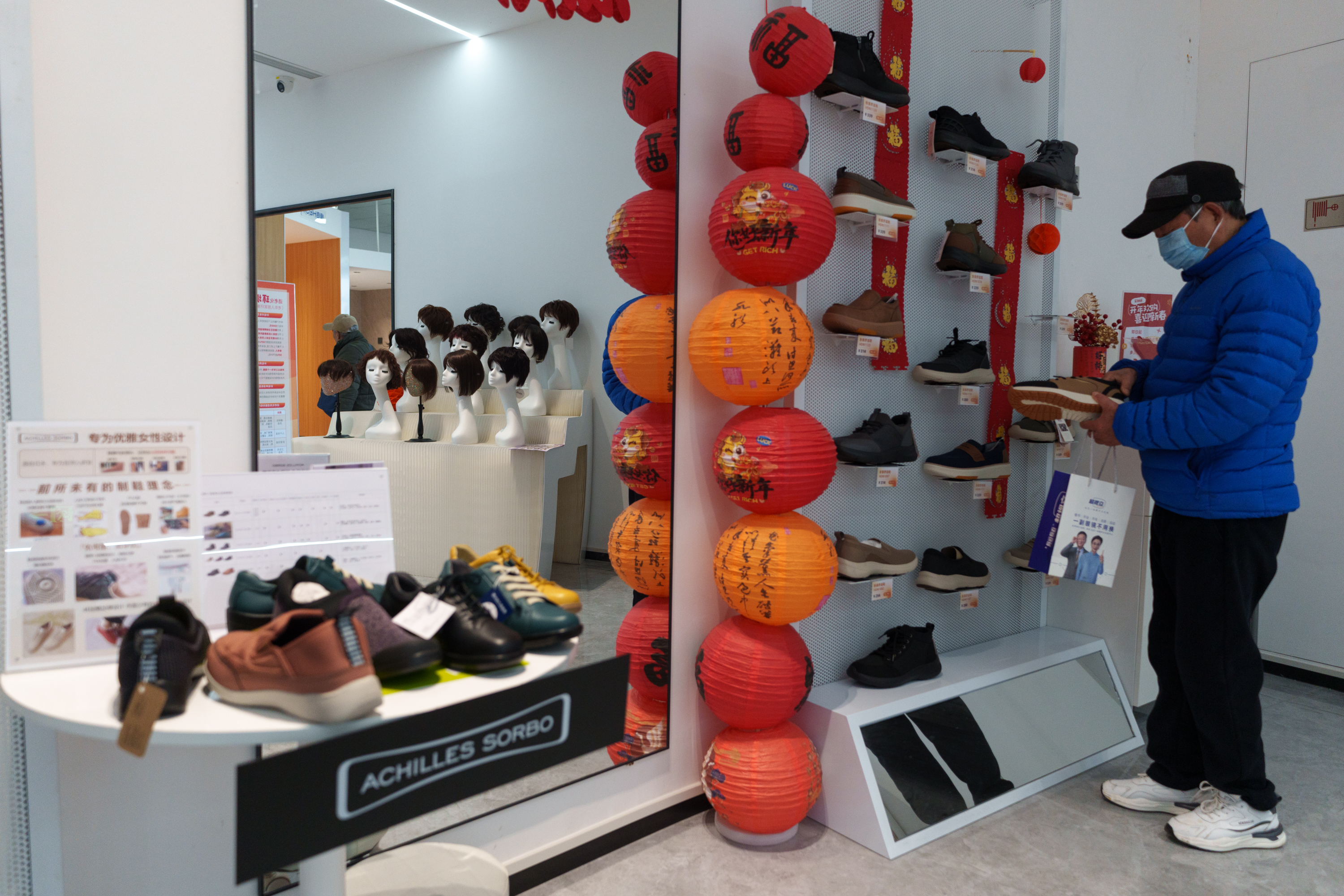
The store showcases innovative products, including smart assistive devices, senior-friendly home furnishings, functional clothing, and entertainment options for older people. It aims to be a bridge between technology products and the elderly, promoting a safe, comfortable and happy lifestyle.
Curating products from over 500 exhibitors at the annual International Exhibition of Senior Care, Rehabilitation Medicine and Healthcare Shanghai expo, the store provides a permanent experience venue for seniors. The company states that this approach addresses a common problem in the senior economy: children buying products that parents later return because they find them difficult to use.
"We encourage seniors to come experience the products in person to make their own purchasing decisions and explore more possibilities for their later years," says Yang.
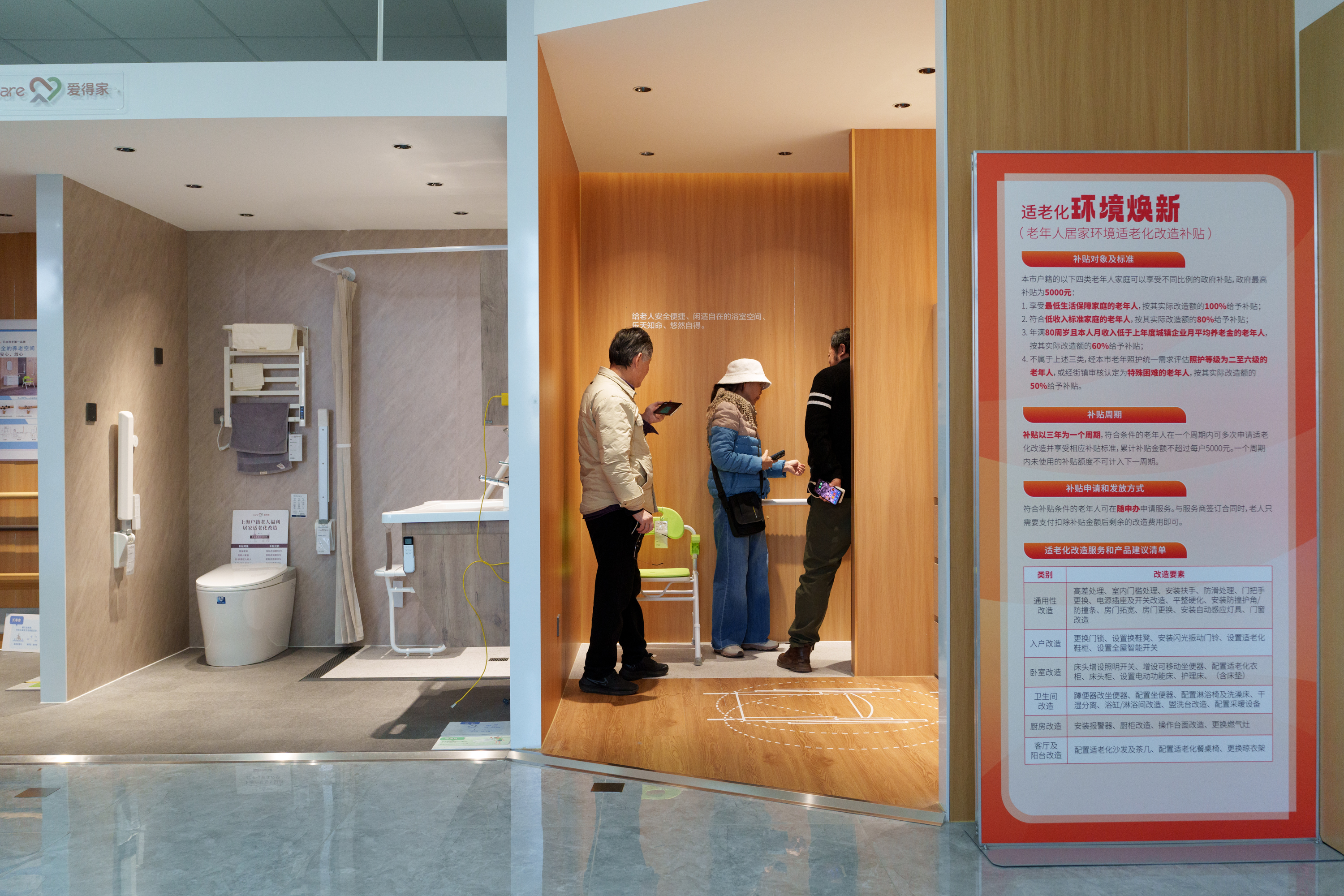
Outside the store, seniors can be seen test-driving electric wheelchairs and familiarizing themselves with the controls and brake performance. Model rooms offer real-life displays of bathroom, bedroom and balcony renovations, allowing seniors to experience features such as a lift toilet that reduces knee strain.
The smart products section breaks down barriers between seniors and technology. This section sells exoskeleton robots in basic and advanced models, suitable for those with both balanced and unbalanced muscle strength. Staff members assist with on-site adjustments, allowing seniors to experience enhanced mobility firsthand. Some seniors try on the exoskeleton robot on-site, and share pictures and videos with friends and family.
"Online sales of exoskeleton robots have high return rates because seniors often struggle with wearing them or using the app. Our staff provides hands-on guidance, effectively alleviating customer anxiety," says Song Xiaobo, project manager at Shanghai Aging Industry Development Co, the annual international exhibition's operating team.
Lin Lan, 75, found the adjustable bed and massage chair she had long been searching for in the shop, but did not purchase them. Instead, she bought a pair of down pants she had wanted last winter but had failed to find in department stores. She was directed to online shops that only offered youthful styles.
Seniors are typically cautious when making purchasing decisions, especially for large or complex items like electric beds and exoskeleton robots, says Yang. The store personnel understand that senior customers need to fully experience and compare products before feeling confident enough to buy, she adds.
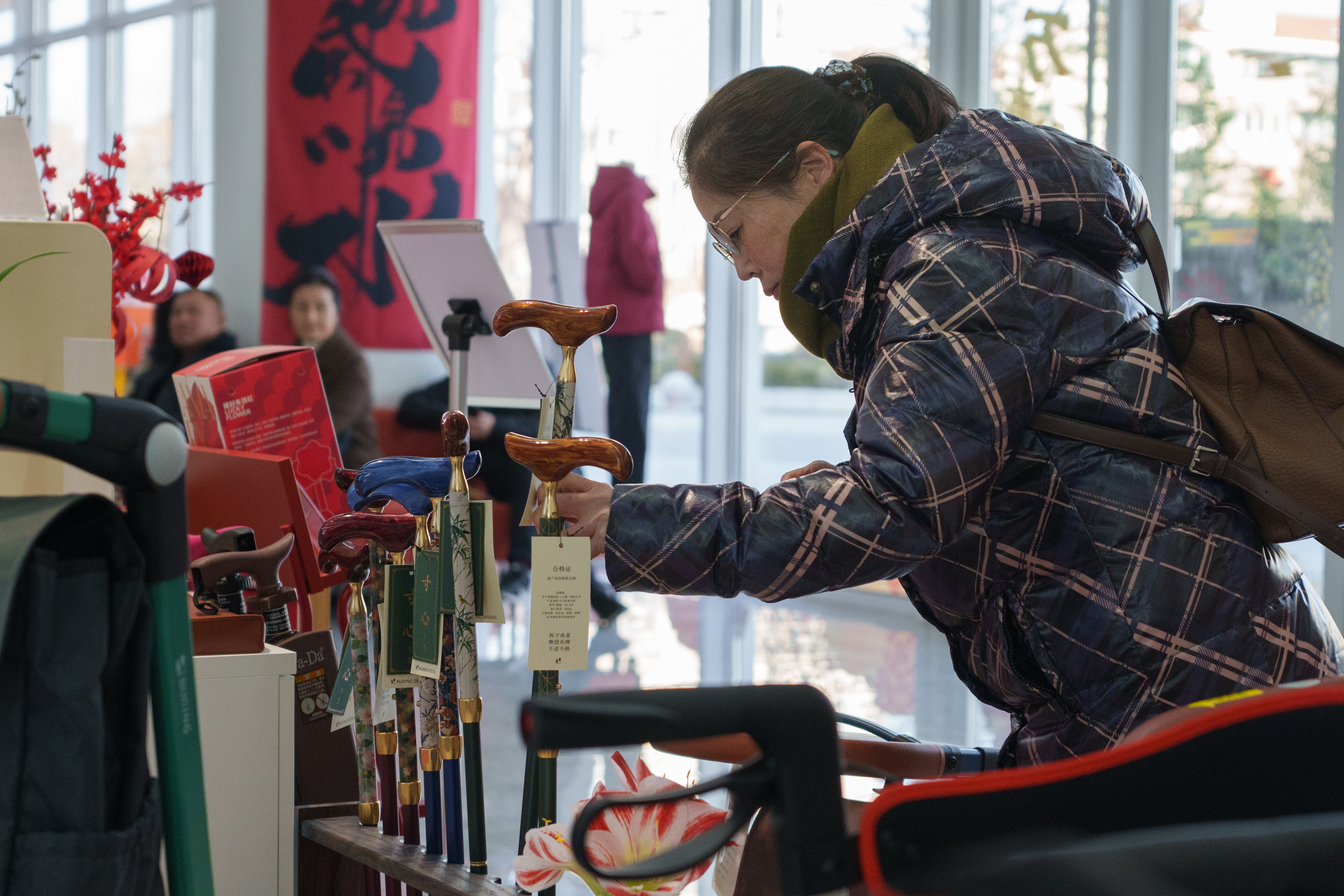
Yang recalls an elderly woman interested in a folding shopping cart that converts into a seat. She returned a few days later to buy two in different colors, saying she wanted to switch them up. On her third visit, she bought two different colored walking sticks to match her outfits.
Walking sticks are one of the store's bestsellers, valued for both practicality and aesthetics. One model features intricate Chinese-style patterns and an enamel-and-brass handle, serving as both a support tool and a fashion accessory. Another model is a foldable cane chair, which can be stored in a backpack and unfolded into a seat, perfect for waiting in queues and travel.
"We found that seniors have high aesthetic standards and prefer elegant, pretty designs over traditionally conservative, dark styles. Products that appeal to younger tastes sell exceptionally well and are nearly sold out. We're preparing to restock," Yang says.
The smart musical instrument area embodies the senior economy and also a dream economy. A traditional violin producer has ventured into creating electric wind instruments, foldable electric pianos, and smart guitars, lowering the entry barrier for players while balancing emotional value and practicality.
"Such instruments are designed specifically for seniors. The electric wind instrument plays a simple score easily, and the electric piano reduces key pressure to prevent finger strain. Also, it is foldable, making it more portable to take to gatherings," says Song.
"We received some user feedback that the electronic screens on instruments are too small and the buttons are labeled only in English. We passed the feedback to manufacturers to better adapt the products for seniors," he continues.
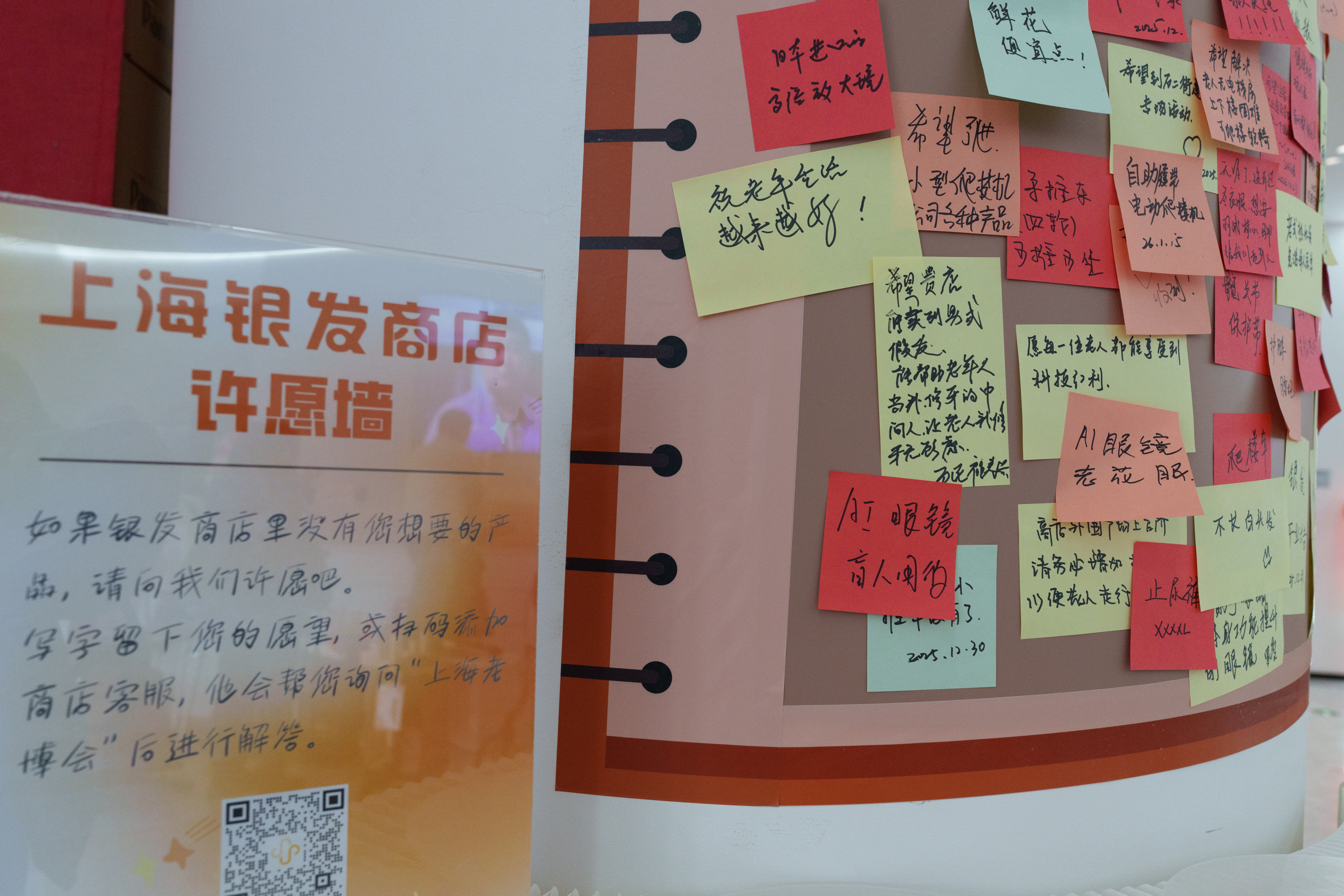
To precisely meet demand, the store has set up a wish wall where seniors can write down their desires, which the store will try to fulfill. Some high-frequency requests, such as wigs, have already been introduced, and others, such as large magnifiers and stair climbers, are being negotiated with manufacturers for introduction or collaboration.
"Some seniors have written wishes like 'I hope my son gets married soon', which we find heartwarming, indicating that the elderly customers view the store as a space to bare their hearts," says Yang.
ALSO READ: AI with a human touch
Some seniors also voice specific needs on site. While the store may not have corresponding products, they actively reach out to relevant manufacturers.
Feng Yuxing, 68, who lost eyesight four years ago, visited the shop seeking smart glasses that can locate, guide, and detect obstacles. Song says a local brand has smart glasses that resemble regular frames, with built-in cameras and microphones for obstacle reporting, real-time voice navigation, and positioning. The store has advised the firm to contact the customer.
Song explains that products at the store will be regularly updated, with plans to introduce both forward-thinking products and mature consumer goods each quarter, balancing variety and practicality. The guiding principle for updates is to focus on the needs of the older people, he says.
The store's current priority is balancing revenue and expenses while streamlining operations. The store is expected to be replicated in other areas of Shanghai to serve more elderly customers, according to Song.
Contact the writer at zhouwenting@chinadaily.com.cn
