

Guizhou brewers transform highland wild fruit into a gold medal-winning ale, Li Yingxue and Liu Boqian report.
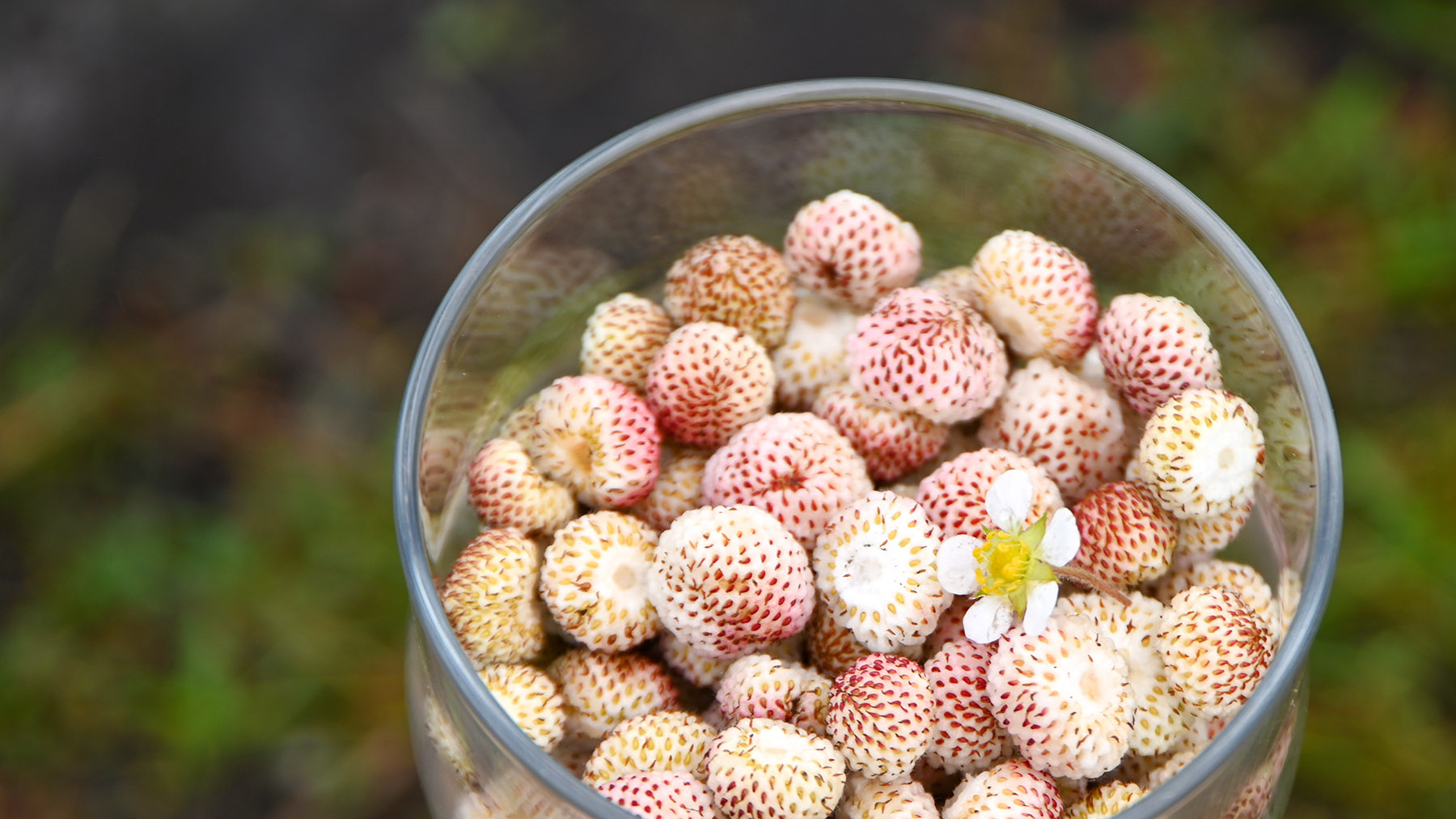
High on the Wumeng Mountains of Southwest China's Guizhou province, wind is the constant protagonist. Across the highlands stretches one of the world's largest belts of wild chive blossoms. Hidden among them grows another resilient native — the wild white strawberry. Growing across meadows at about 1,500 meters above sea level, these berries endure intense ultraviolet radiation and dramatic swings between day and night temperatures. The result is fruit packed with bright sweetness and bracing acidity.
Plateau fruit, brewers often say, seems to grow with a sense of urgency — as if determined to store as much sugar and acid as possible, unwilling to disappoint either travelers or time itself.
READ MORE: Experience Guizhou's gifts
Few could have imagined that this untamed mountain berry would one day travel more than 8,000 kilometers to Europe and reappear as a deep amber beer that captivated judges at the Brussels Beer Challenge — one of the world's most influential beer competitions.
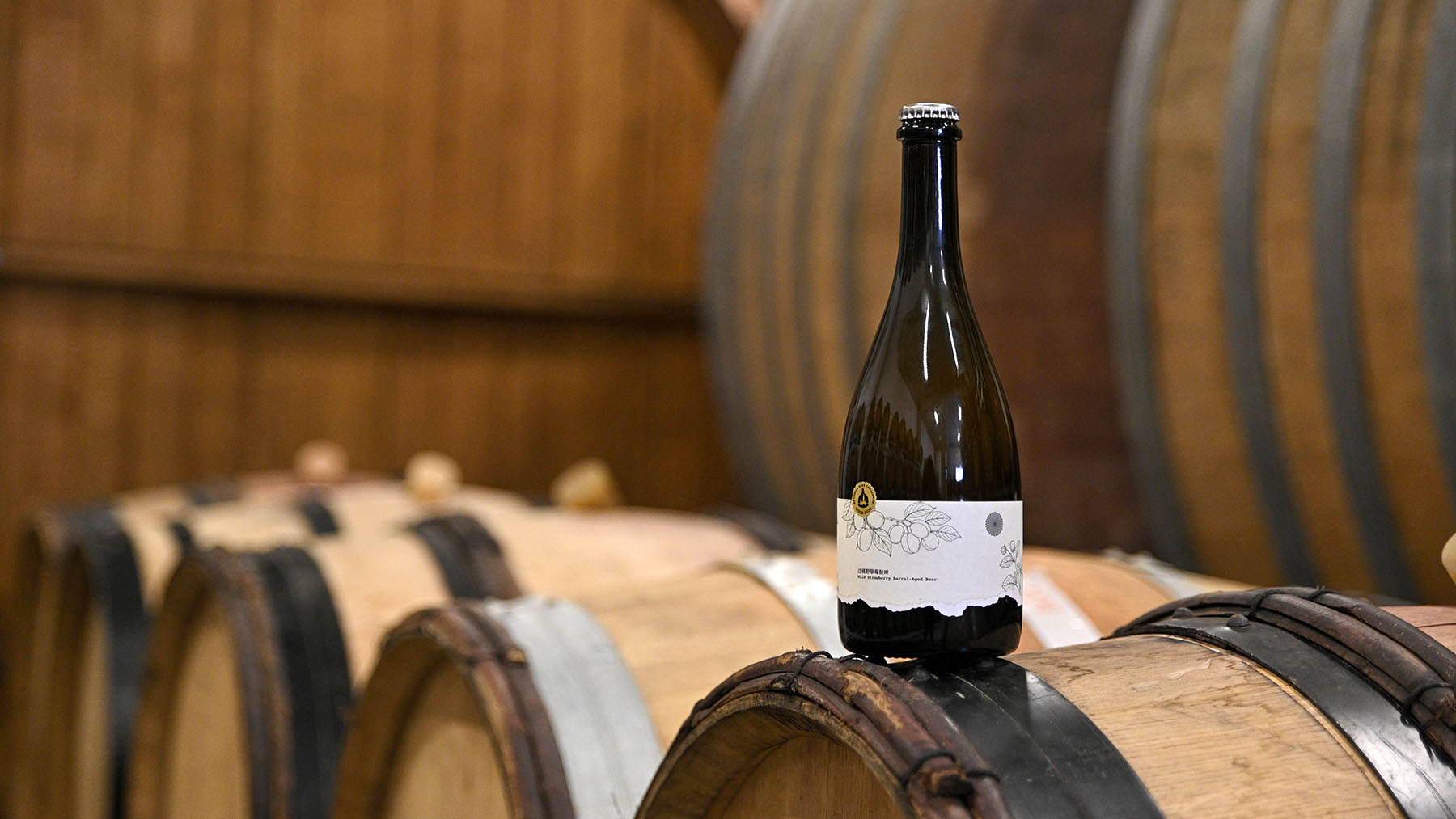
In the 2025 edition of the competition, the Guiyang-based craft brewery TripSmith emerged from a field of more than 1,700 entries from around the world. Its barrel-aged wild strawberry sour beer won the Gold Medal in the Brett Beer category.
Among the 22 Chinese breweries participating that year, TripSmith was the only one from Guizhou province. The brewery submitted three beers, and the award-winning one — Nature Wild Strawberry Barrel-Aged Beer — ultimately captured the category's top prize.
For TripSmith founder Zhang Ziang, the significance of the win is best explained through a vivid analogy.
Belgium, he notes, is widely considered the birthplace of lambic-style spontaneously fermented beer — much as Guizhou is regarded as the authoritative heartland of sauce-aroma baijiu (white liquor).
"In a way," Zhang said in an interview, "winning the Brett Beer gold medal is like Guizhou hosting a global baijiu competition and a European distillery taking the gold in the sauce-aroma category."
The award, he believes, marks not only a technical breakthrough for Chinese craft brewing but also an international expression of Guizhou's unique terroir.
Yet, the recognition means more to him than a medal. For Zhang, the competition opened a window through which the world can discover Guiyang — and taste the flavors shaped by the land itself.
Terroir in barrels
The award-winning beer draws its soul from the folds of Guizhou's mountains and rivers. Its inspiration began with a cycling trip.
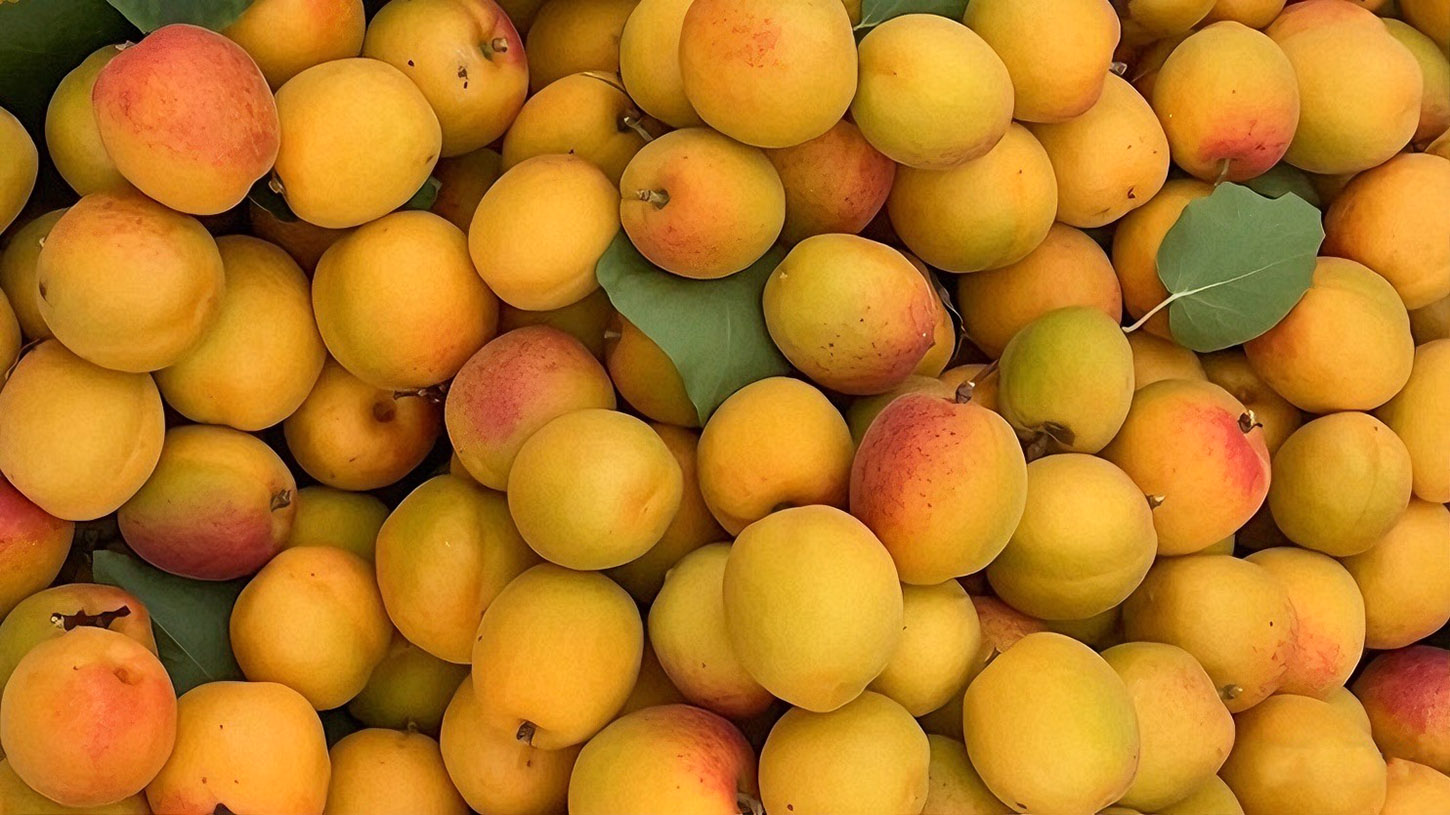
Alongside the wild strawberries of the Wumeng Mountains, Zhang encountered another ingredient in the Beipan River valley: aging fragrant apricot trees growing freely in the countryside.
Though long past their peak, the untended trees still produced thick-skinned apricots bursting with aroma.
Zhang has long been fascinated by this kind of wildness. "Sourness is wild," he says. "Things that aren't grown for yield often carry richer aromas."
The brewing team gathered the wild strawberries and apricots and placed them into aged oak barrels. Drawing inspiration from Guizhou's traditional fermented sour soup, they introduced Brettanomyces yeast to drive the fermentation.
The beer then rested quietly in oak for three years before undergoing another six months of bottle aging.
To collect wild yeast, the team once traveled across the forests of Maolan National Nature Reserve in southern Guizhou and the peaks of Leigong Mountain. But the most complex yeast strain they discovered came from an unexpected place: the center of Guiyang, right beside the brewery's own kitchen.
"It's not necessarily true that the farther you are from people, the better the environment," Zhang says. "From our experience in Guizhou, the wild yeast we can collect in the city center is no worse than what we find in the wilderness."
The result of this meticulous approach is a beer layered with bright wild strawberry aromas and mellow apricot notes, supported by oak-derived hints of clove, leather and smoke.
The story of TripSmith itself is rooted in the idea of movement and creation.
After returning to his hometown in 2011, Zhang decided to build a craft brewery based on local culture and ingredients. "I realized that an industry can only become truly distinctive when it creates original products using local culture and local raw materials," he says.
Guizhou's fermentation heritage convinced him it was the right place to try. The province produces some of China's finest baijiu and chili sauces — proof, he believes, of its natural fermentation potential.
From the beginning, TripSmith aimed to bring global brewing knowledge back to Guizhou and blend it with local ingredients.
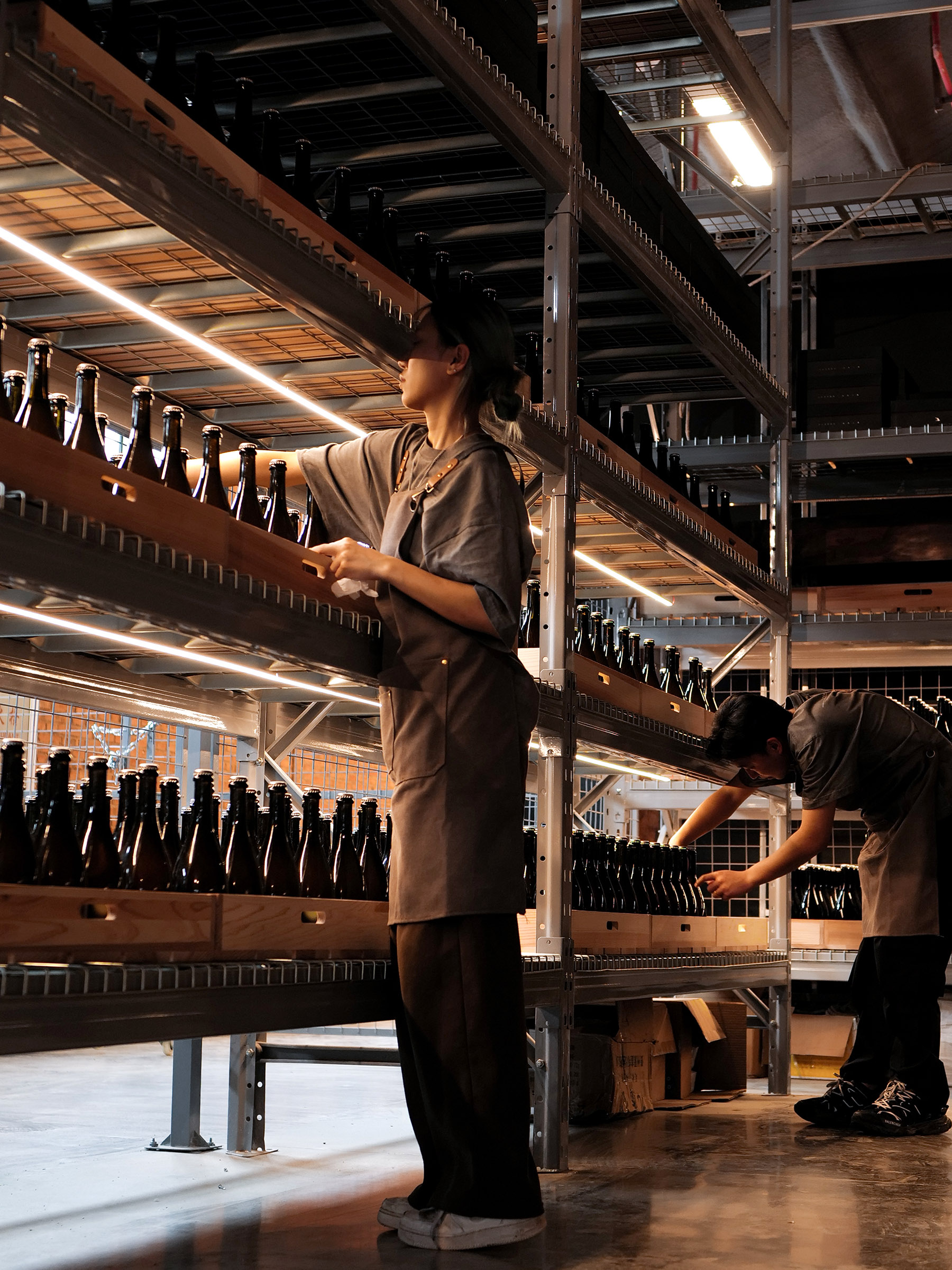
Today, the brand has grown from a small shop in a narrow alley into a brewery with an annual production capacity of 2,000 metric tons. Its beers are now sold in more than 200 cities across China, with markets outside Guizhou accounting for roughly 80 percent of sales.
Building an ecosystem
TripSmith's rise mirrors a broader shift in Guiyang's urban culture. Among young residents, a new rhythm of life has taken hold: morning coffee, afternoon tea and evening craft beer.
At the TripSmith Joying Room bar on Taiping Road, manager Wang Zhisong has witnessed how the gold-medal beer captured public attention. Released on Nov 26, the sour beer sold out the very next day.
"After the award, people came in specifically asking for the gold-medal beer," Wang says. "Some even waited outside before we opened in the morning."
The venue pairs local craft beer with Guizhou dishes such as beef rice noodles and regional barbecue — an effort to lower the barrier for newcomers to explore craft brewing.
For Wang, the philosophy is simple. "If we ourselves wouldn't eat a bowl of these noodles, how can we say it's good?" he says. "Brewing beer follows the same principle — take good ingredients and turn them into a good product."
For many locals, craft beer has become more than just a drink; it is a social language.
Thirty-year-old Guiyang resident Zeng Guangyi, a regular customer, drinks craft beer weekly. "People in Guiyang — especially young people — are very open to craft beer," he says. "The flavors are much richer than ordinary beer, and that curiosity draws more people to try it."
Zhang has witnessed the shift firsthand. "I've seen young travelers arrive at the airport, pull their suitcases straight to TripSmith and start drinking," he says. "That's the most rewarding moment for us."
Since 2023, Guiyang's craft beer market has expanded rapidly, with bars reporting strong revenue growth and packed houses during the summer.
Standing at a new starting point after the international award, Zhang now hopes to move beyond exploring terroir to building a regional brewing ecosystem.
Through his farmer co-brewing initiative, he is working with farmers in areas such as Leishan and Libo counties. Oak barrels and wort are transported directly to villages, so that fermentation can take place locally.
ALSO READ: Leaving it all on the table
The goal is to help farmers sell fruit while sharing brewing knowledge with communities — turning the idea that "each land brews its own beer" into reality.
As president of the Guiyang Craft Beer Industry Association, Zhang believes collaboration is essential.
"An industry grows only when more peers join and the market expands," he says. "It's like beef noodle shops — everyone tastes different. That diversity is what gives a city its charm."
Through the association, Zhang plans to share the lessons TripSmith has learned over more than a decade — from successful brewing techniques to entire batches of beer discarded because they failed to meet quality standards.
His ultimate ambition is for Guizhou to become a globally recognized beer terroir — much like Belgium's lambic brewing tradition.
Like a letter written by wild strawberries and sealed inside oak barrels, the story continues to unfold — inviting anyone who opens a bottle to encounter the mountains, microbes and untamed spirit of Guizhou itself.
Contact the writers at liyingxue@chinadaily.com.cn
