

Documentary trawls millennia back to uncover the moral choices, cultural convictions and shared ideals that shape the country's spirit, Xu Fan reports.
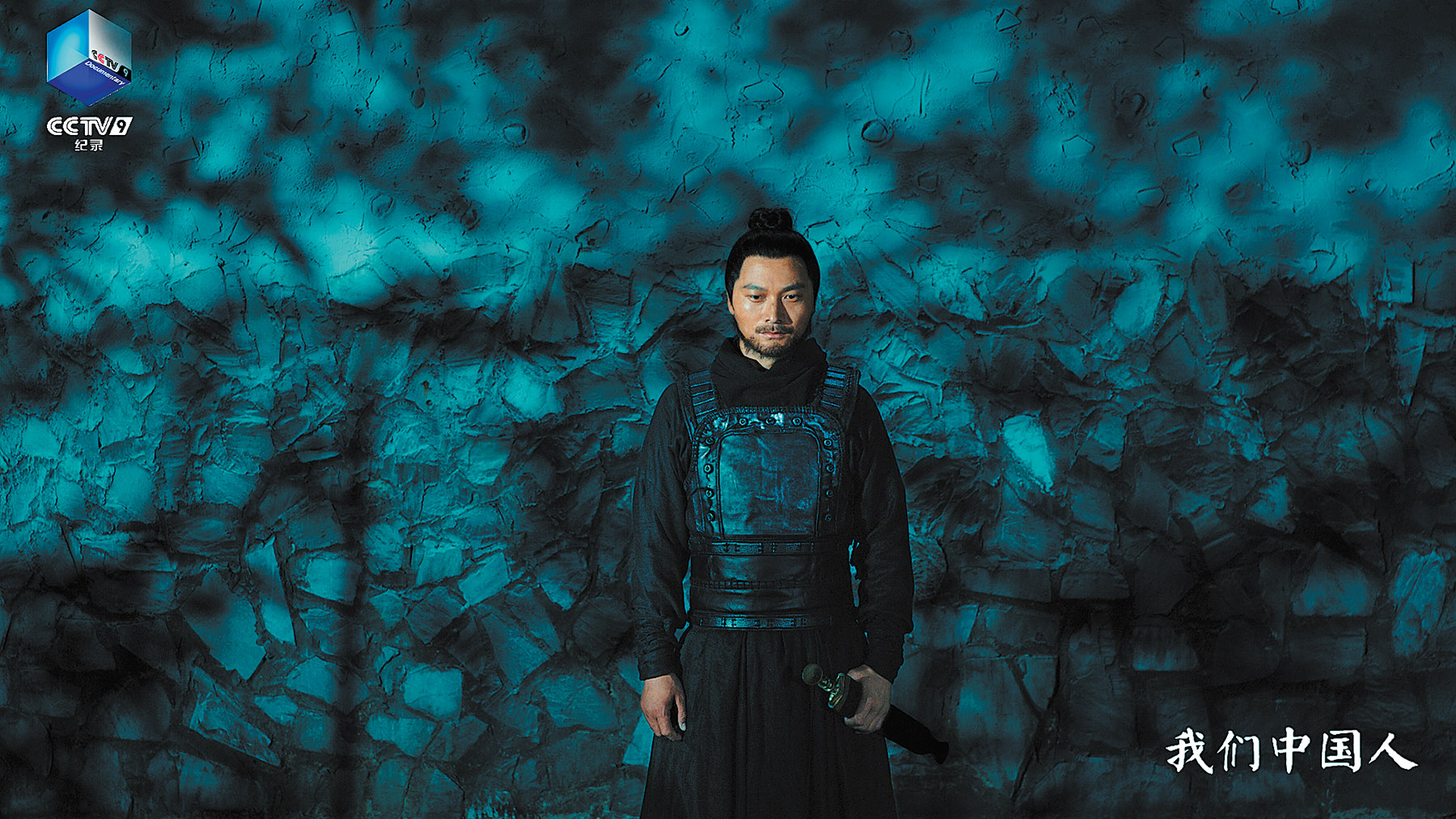
What defines the cultural spirit of the Chinese people? How do we recognize ourselves as Chinese? When director Yu Le was first confronted with these questions as the guiding theme of a new documentary, he says the task felt like standing before an ocean — vast, deep and difficult to navigate.
"It was like casting a net into the sea. There are so many kinds of fish that it's hard to decide which ones to catch," recalled Yu during an interview with China Daily.
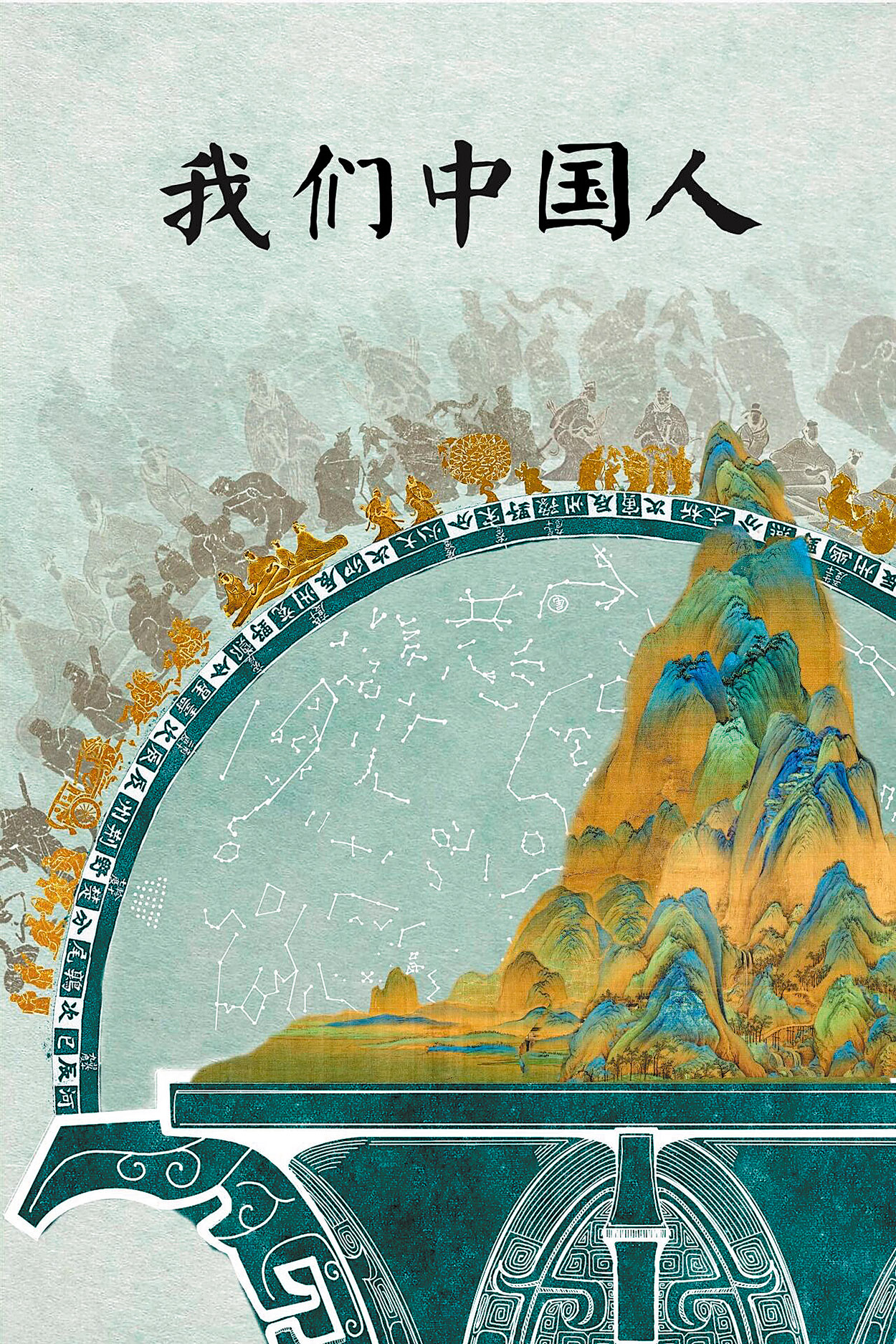
The metaphor captures the challenges he and his team faced while selecting material for the project, Wo Men Zhong Guo Ren (We Chinese).
The 10-episode documentary, which recently aired on China Central Television's documentary channel, CCTV-9, seeks to guide contemporary viewers on a journey back to their cultural roots.
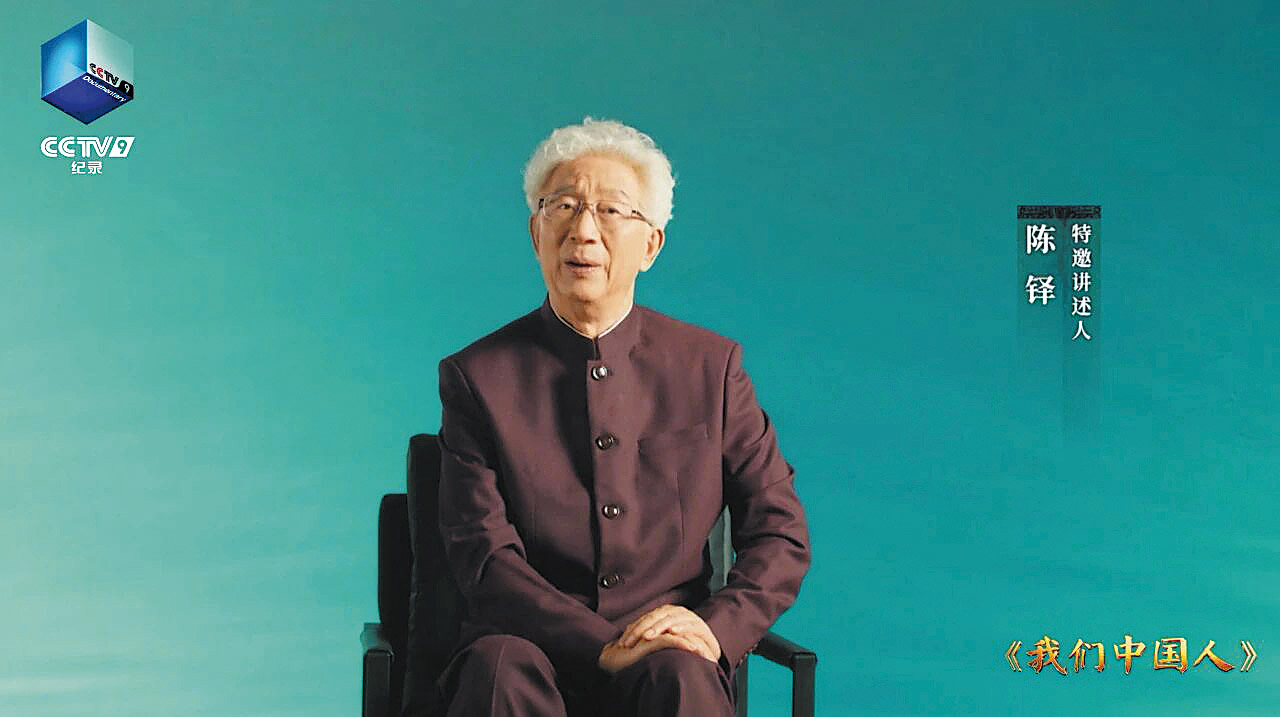
With interviews featuring more than 20 scholars and historians, the documentary took nearly six years to produce and shoot, and enlisted the renowned anchor Chen Duo as its narrator.
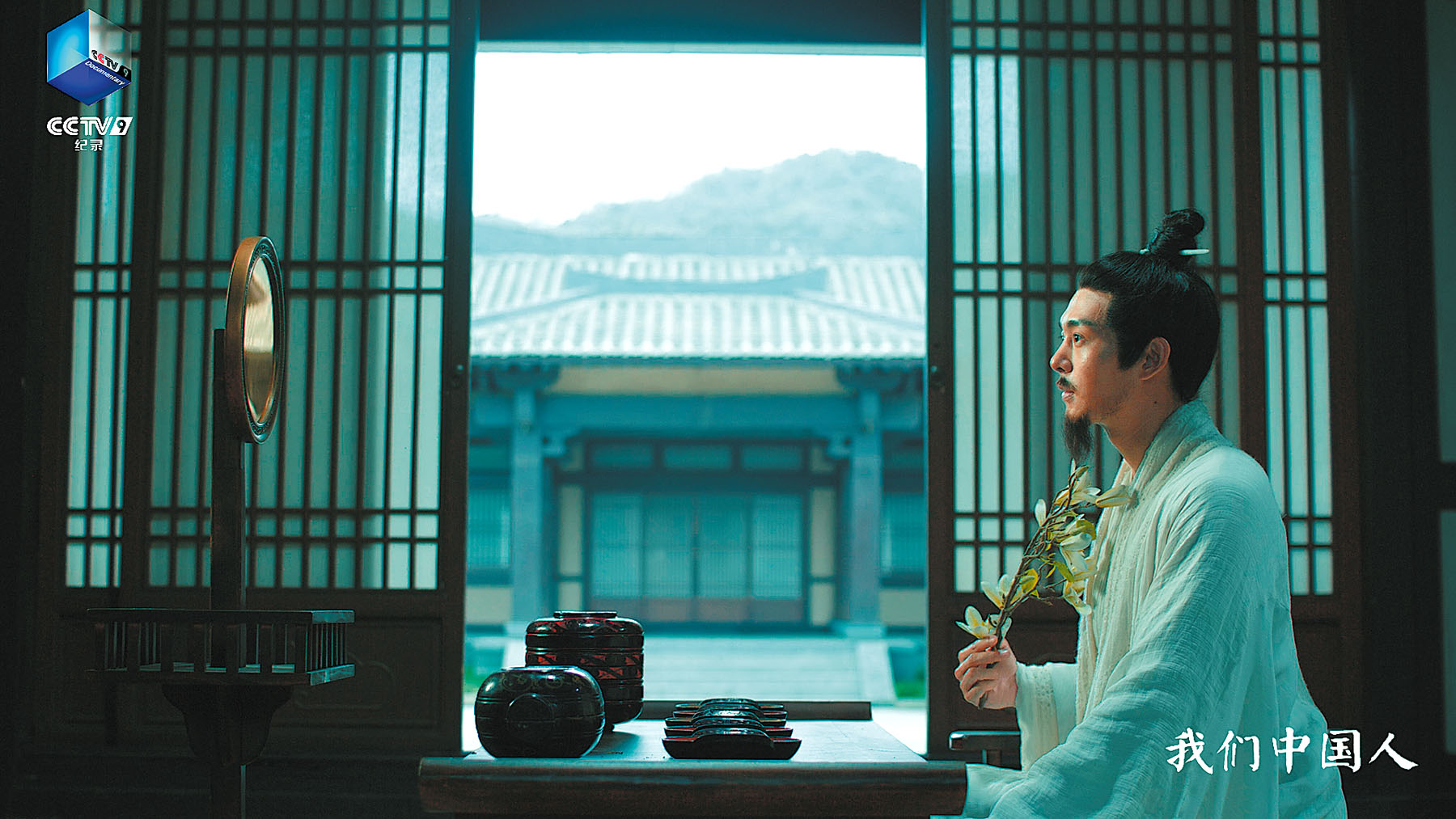
Spanning centuries of history, it traces China's intellectual lineage through emblematic figures such as Kong Zi, better known as Confucius, the great philosopher of the Spring and Autumn Period (770-476 BC); statesman Fan Zhongyan of the Song Dynasty (960-1279); and scholar Wang Yangming of the Ming Dynasty (1368-1644).
Through their lives and ideas, the series explores the foundations of Chinese thought — from a longstanding emphasis on the welfare of the people to the enduring pursuit of harmony between humanity and nature. In this way, it reveals the multiple dimensions of a value system that has shaped Chinese civilization for millennia.
Although the documentary features many historical figures familiar to generations of Chinese viewers, Yu says that extensive interviews with scholars and deep dives into academic research helped the team uncover lesser-known aspects of these well-established icons.
Take Tao Yuanming, for example, the celebrated poet and essayist of the Eastern Jin Dynasty (317-420). He is widely remembered for abandoning an official career in favor of a rustic, reclusive life, becoming a spiritual symbol of purity, natural living and moral integrity for later generations of scholars.
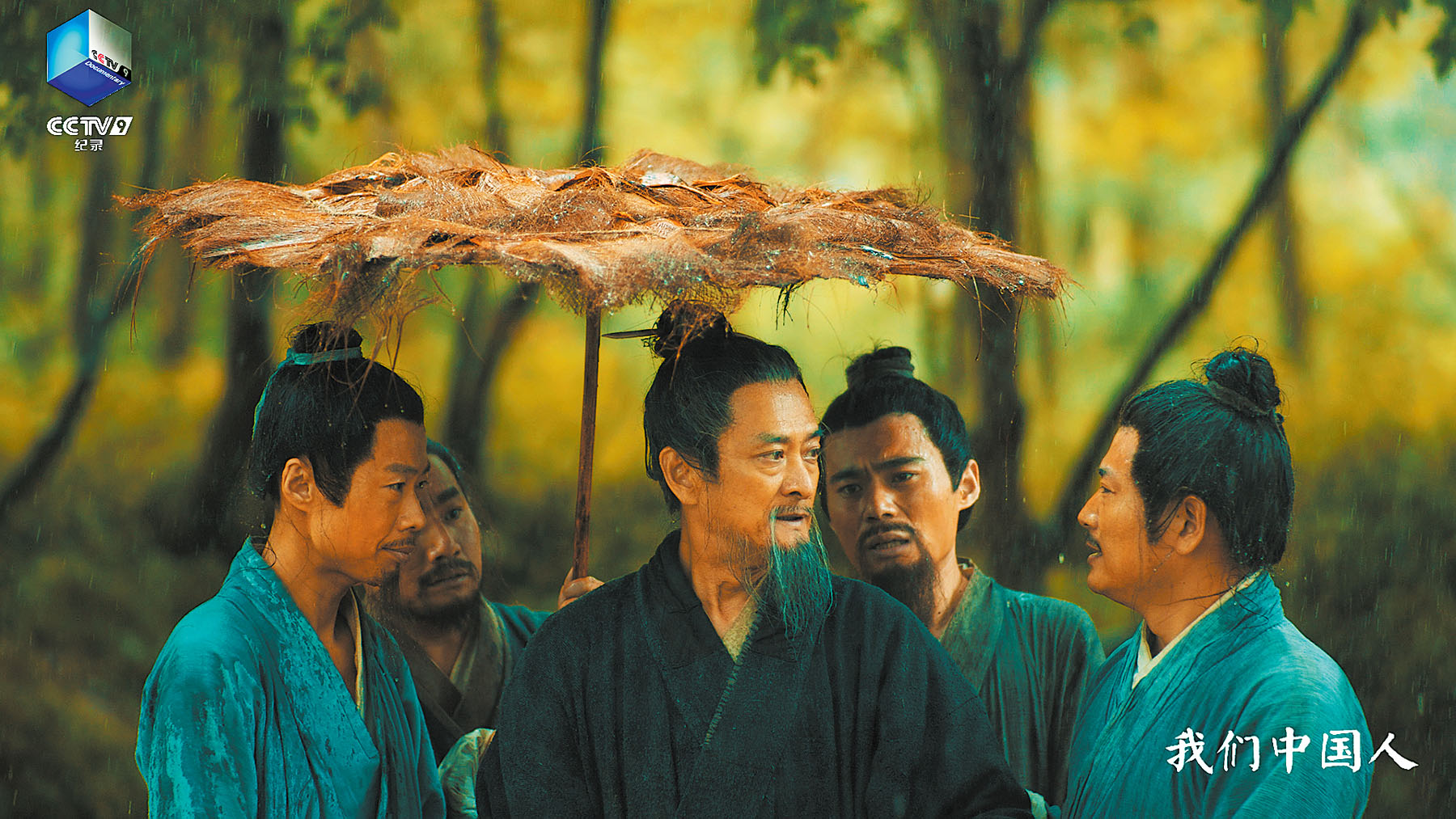
Yet, interviews with researchers, including Li Bo, a professor of classical literature at Nanjing Normal University, offered a more nuanced portrait. Before turning 41, Tao was in fact highly motivated and ambitious, actively pursuing an official post.
Tao's great-grandfather was the renowned general Tao Kan, but by Tao Yuanming's generation, the family had fallen into decline. As the documentary explains, in an era that prized pedigree and social status, Tao Yuanming ultimately chose a hermit's life — not simply out of indifference to worldly success, but because he grew skeptical of the very meaning of pursuing an official career. In such turbulent times, even those at the pinnacle of power could not master their own fates.
Qu Yuan, the great patriot-poet of the Warring States Period (475-221 BC), offers another example of how Yu and fellow creators bring lesser-known facts to light.
Exiled and defamed by the noble cabals of the State of Chu, Qu wandered in wretchedness. On the road to banishment, word reached him that his homeland had fallen to the army of the State of Qin. Holding a heavy stone, he drowned himself in the Miluo River as a final, desperate act of fidelity.
Fishermen, racing to retrieve his body, cast bundles of rice wrapped in leaves into the water, hoping to distract the fish from eating his flesh. That offering is believed to be one of the origins of zongzi (glutinous rice with various fillings wrapped in leaves); and the tradition commemorating the day of his death has ensured that his name will never be forgotten.
What drew director Yu to Qu, however, was not simply his unwavering patriotism, but something more particular.
"In that era, learned men were traveling from state to state, seeking the favor of rulers. Qu was famous. He had every opportunity to leave. With his status and fame, he would have been welcomed anywhere. Yet, he chose to remain in Chu, enduring torment," Yu observes.
"Through our research, we discovered that he carried royal blood. He had an innate sense of mission, a conviction that his life belonged to that land. He would give everything, even his life, without leaving," Yu explains, describing what drew him to retell Qu's story after discovering this motivation.
Alongside the celebrated figures who shaped China's history, the documentary also shines a light on the obscure — those who left only a faint trace in the historical record. Their inclusion reflects the creators' attempts to show that the qualities of the Chinese people are not found solely among the highly educated elite or high-ranking officials.
One such figure is Chu Ni, perhaps the earliest recorded assassin from the Spring and Autumn Period. More than 2,600 years ago, on an early morning, Chu slipped into the residence of Zhao Dun, a high-ranking official of the State of Jin. He had been sent by the ruler, who resented Zhao's integrity — a constant reminder of the ruler's own debauchery and indulgence.
Yet, when Chu observed Zhao's diligence and dedication in serving the country, he found himself torn. Moved by Zhao's virtue and unwilling to betray his own conscience, the assassin chose instead to take his own life, dashing his head against the trunk of a locust tree.
Dong Ping, a professor at the School of Philosophy at Zhejiang University and a guest scholar for the documentary, comments that Chu earned recognition for his act from later generations. Evidence of this can be found in Sima Qian's masterpiece Shi Ji (Records of the Grand Historian), where Chu is included in a chapter dedicated to noble figures, alongside others who were mostly from powerful or aristocratic families.
"Through his death, Chu enacted a profound awakening of moral consciousness and discovered his true self, thereby becoming an authentic human being," says Dong.
While the documentary celebrates many figures of unwavering integrity and moral grandeur, it does not shy away from the more ambiguous corners of the human heart. One such story takes place in the Tang Dynasty (618-907), an era when riches and aristocrats vied obsessively for the rarest peonies.
ALSO READ: Documentary shares the 'horse power' of Chinese zodiac animal
In the renowned Ci'en Temple in Chang'an, the dynasty's capital — now known as Xi'an in Shaanxi province — there was a Buddhist monk named Sizhen. During a conversation with several scholars, he let slip that he had been cultivating a singularly rare peony, a blossom of deep crimson the likes of which no one had ever seen. The revelation proved to be terrible.
Within days, uninvited visitors descended upon the monastery and made off with the flower. Yet, the thieves left behind a curious offering: 30 taels (1.1 kilograms) of gold and two catties (1 kilogram) of fine, expensive tea from Sichuan province — handsome compensation, as if to acknowledge, even in theft, the flower's incalculable worth.
"In selecting representative figures from the vast ocean of historical records, we sought not only to capture what unites the Chinese people, but also what distinguishes them. Through this documentary, we hope the younger generation will come to understand China, as well as the unique cultural traditions that have shaped its people," Yu says.
Contact the writer at xufan@chinadaily.com.cn
