

Sichuan capital attracts more people from around the world to settle, thanks to its focus on work-life balance, culture and kindness, report Peng Chao and Zhao Junfeng in Chengdu.
When Lutz Pluemer retired and left Germany for China in 2018, his colleagues joked, "Don't get lost." Never did he expect to find a home in Chengdu, Sichuan province, a city that would redefine his understanding of progress and belonging.
The 74-year-old international dean at Southwest Jiaotong University describes the Sichuan capital — named one of China's happiest cities for 17 consecutive years by Oriental Outlook magazine — as vibrant, welcoming and endlessly surprising.
"The people here embody a rare balance: fiercely hardworking, yet always making time for life's joys, whether sharing hot pot with colleagues or strolling through People's Park," he says.
READ MORE: A garden of cultural heritage
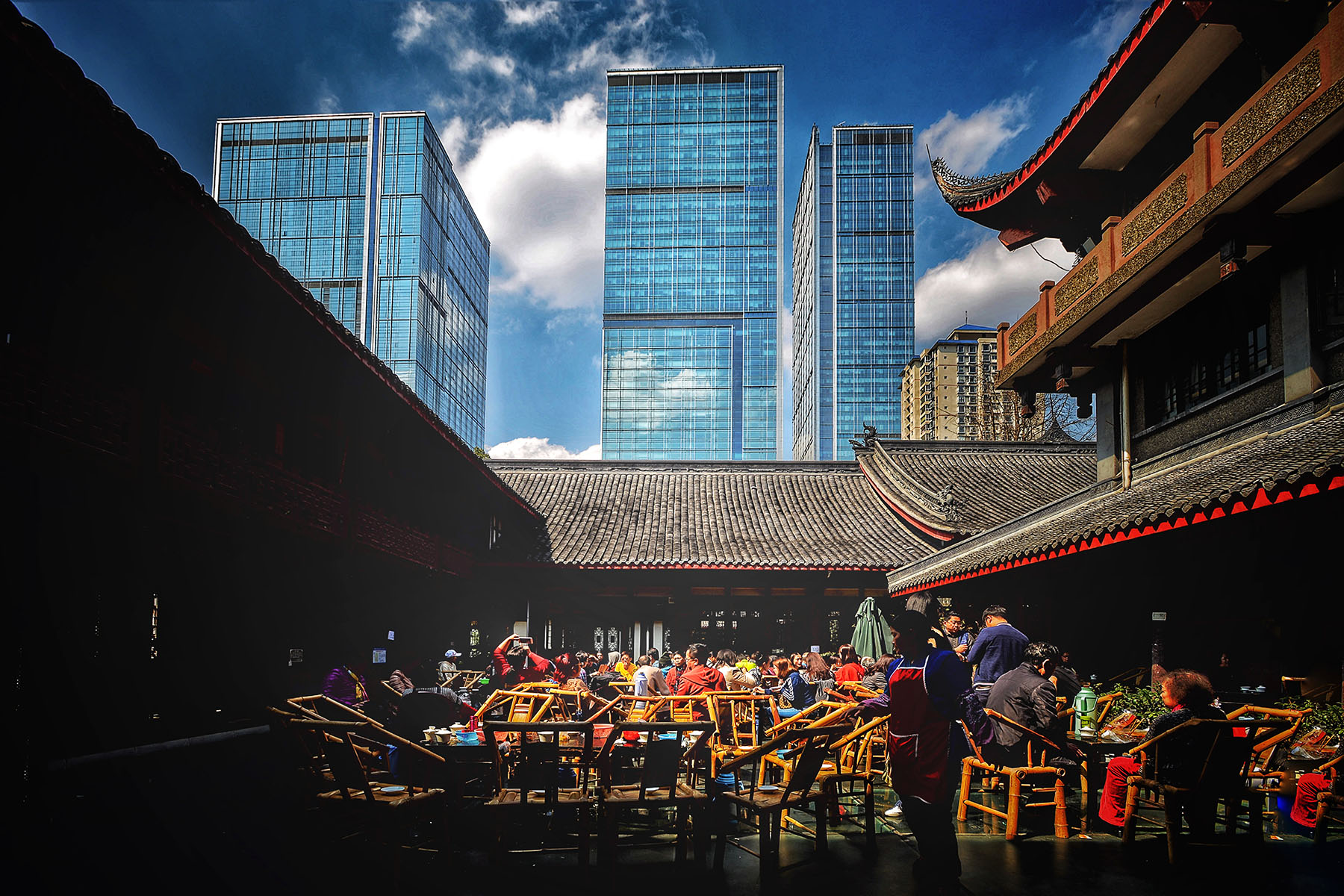
Pluemer's favorite place is Taikoo Li Chengdu, a leading shopping and lifestyle hub where the ancient Daci Temple stands alongside international luxury boutiques.
He often orders a cappuccino at the Temple House hotel while his Chinese colleague drinks tea. There, Buddhist monks in traditional robes walk past, followed by hip young influencers livestreaming on the latest Xiaomi smartphones.
"This episode, where centuries come together effortlessly — that's Chengdu for me," Pluemer says.
What equally impresses him is the 100-kilometer Chengdu Ring Greenway, a green belt built alongside the Fourth Ring Road for bicycles, joggers and selfie-takers.
"I've cycled its entire length multiple times, and each journey reveals new marvels," he says, praising Chengdu's visionary spirit in building green mobility infrastructure.
The 100-km greenway is part of the Tianfu Greenway system, a network planned to be one of the world's longest of its kind, stretching 16,930 kilometers by 2035.
Don Benton, an American who also calls Chengdu home, cherishes something else: the city's unique culture — and mostly, its people.
The 65-year-old arrived in 2007 to build and manage an aircraft precision bearing plant. There were many options across China, he recalls, but Chengdu stood out particularly for its innovative people and rich culture, which set it apart from other cities.
"People here like to have fun but work hard when necessary, and always find better ways of doing things," he says.
After years in Chengdu, Benton says what touches him most is the kindness of its people. "Most people are kind, considerate and caring, always willing to help without expecting anything in return," he says.
That kindness was on full display during a hospital visit earlier this year.
On Jan 11, struck by severe back pain that left him barely able to walk, Benton was rushed to West China Hospital of Sichuan University by a friend of his Chinese wife's family — a man he had never met — who even arranged for a wheelchair to be waiting at the hospital.
Thanks to professional and attentive care from doctors and staff, he soon recovered and was discharged within 12 days.

To Benton, it's not surprising Chengdu keeps hitting the happiest cities list, since it makes people happy to give and help others.
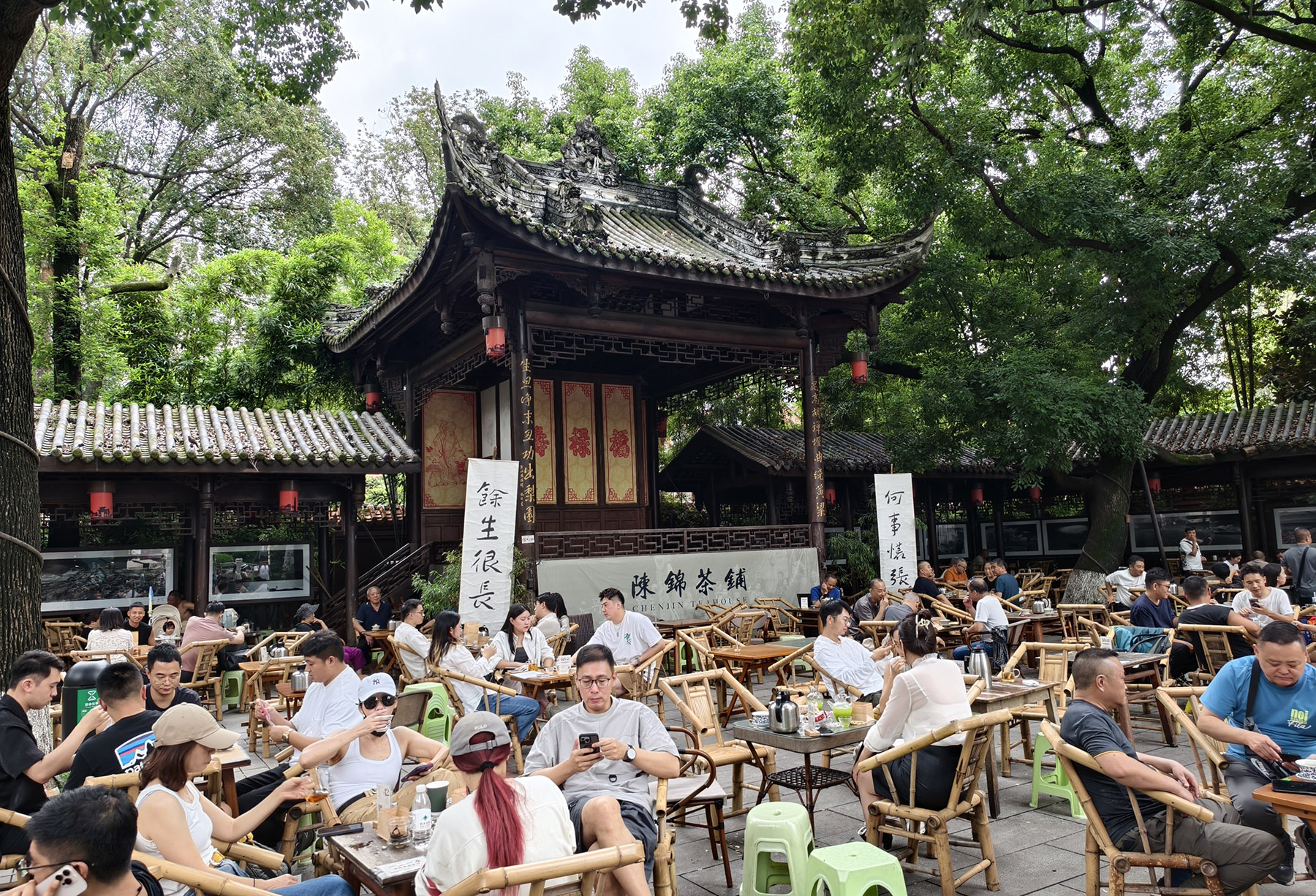
Benton enjoys exploring the city and its cultural sites, meeting friends at its countless restaurants and bars, or relaxing in a bamboo chair at a traditional teahouse.
Despite the dramatic changes brought by urban development, Benton says Chengdu remains a place people want to live in. He has long-term friends from around the world who arrived even earlier and are still there.
For Yang Hao, a 38-year-old entrepreneur from Zhejiang province, Chengdu is a place where both his business and family can thrive.
Attracted by the city's solid industrial foundation and favorable policies, Yang brought his hydrogen energy startup, Qinglv Technology, to Chengdu in 2023.
Today, his company has deployed 11,000 hydrogen-powered shared bikes in Xindu district, amassing over 550,000 registered users — a rare case of large-scale commercial operation in the sector.
Yang credits his company's rapid market entry to the local government's willingness to allow them to pilot their innovations and to the vibrant consumer market. "In other cities, streets probably go quiet by 8 or 9 pm. Here, orders still come in at midnight," he says.
Yang notes his generation values quality of life over an endless grind, which makes the city's comfortable lifestyle a major draw for many.
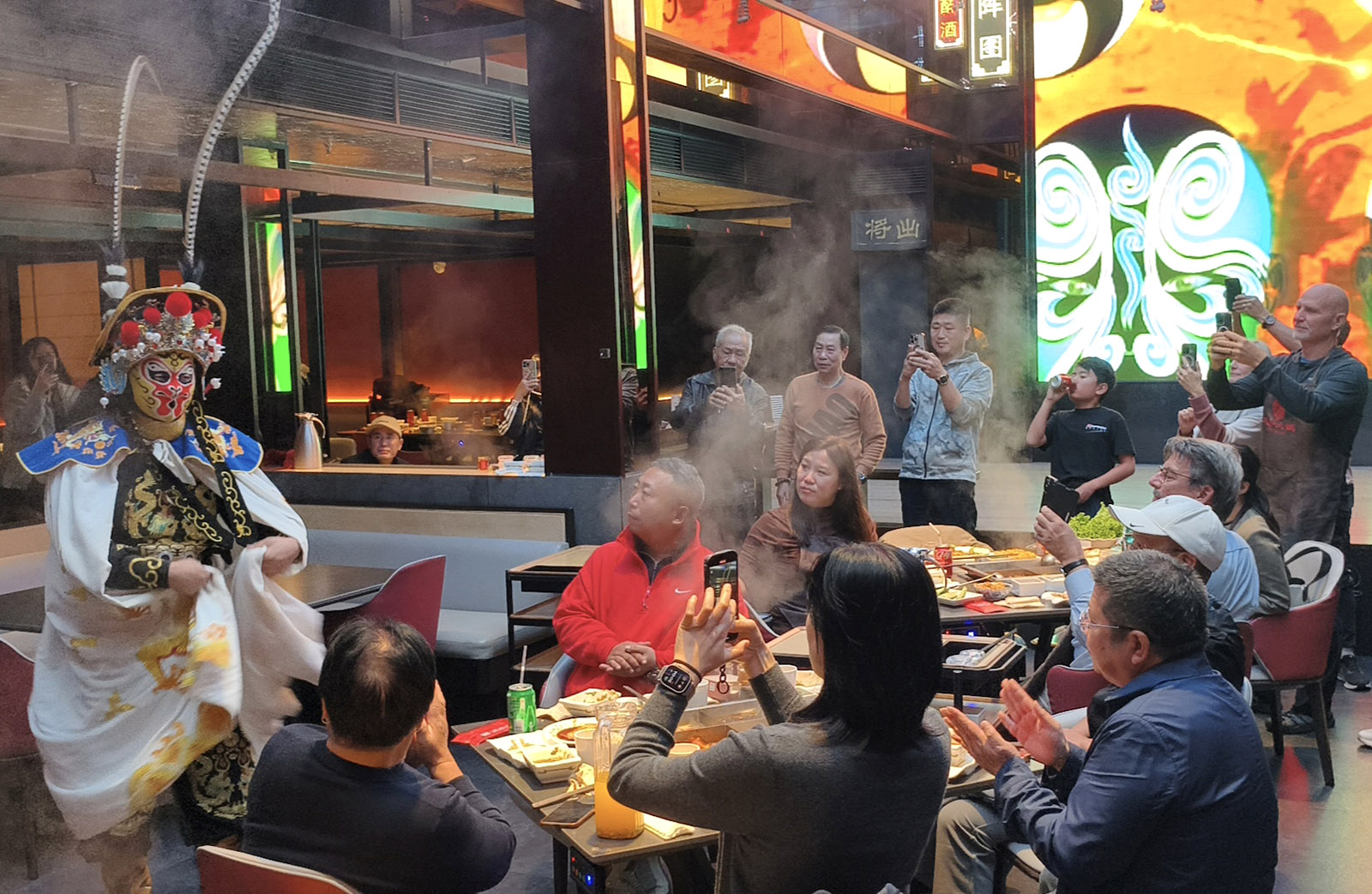
"The diverse culinary offerings, breathtaking natural scenery, and rich cultural heritage all help relieve the stress," he says.
During the Spring Festival holiday, Yang's family visited him and toured the city and its surroundings. His wife was so impressed by the strong sense of happiness that she decided to relocate there with their 9-year-old daughter and Yang's parents.
Xi Yue, cofounder and chairman of Beijing-based robotics startup Robotera, shares a similar sentiment.
"Life shouldn't be just about work. Chengdu's strong work-life balance makes it especially appealing to young people," Xi says. "Since cutting-edge fields such as AI and embodied intelligence are dominated by young talents, that's a huge advantage."
ALSO READ: Re-creating history in the 21st century
Recognizing the city's growth potential, Robotera has established its first subsidiary here, with robots already in use at several museums.
Chengdu's permanent population has grown by more than 5 million over the past decade, reaching over 21 million by early 2025, according to official data.
Tan Jihe, a researcher at the Sichuan Academy of Social Sciences, traces the Chengdu-style happy life back to its cultural roots.
"The millennia-old tradition of living in harmony with nature, a carefree attitude toward life, and an enduring aspiration for happiness have sustained Chengdu's unique character and charm through the ages," he says.
Contact the writers at pengchao@chinadaily.com.cn
