

Award-winning architect Wang Shu urges cities to regenerate, blending tradition with modern design, while respecting history, Deng Zhangyu reports.
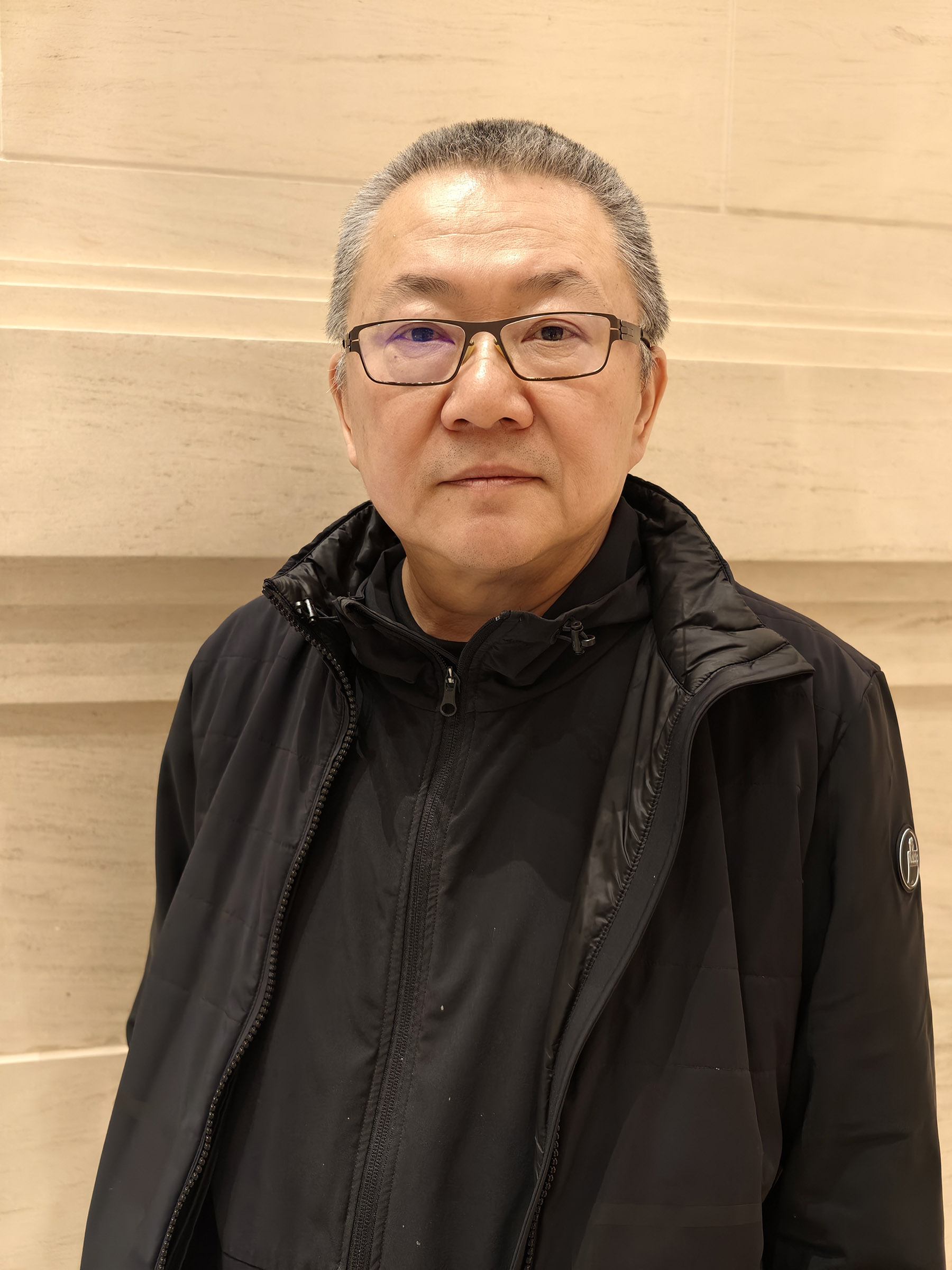
Architect Wang Shu carries two distinct yet intertwined identities: the first Chinese to claim the Pritzker Architecture Prize — regarded as the highest honor in architecture — and a dedicated member of the National Committee of the Chinese People's Political Consultative Conference.
Following a CPPCC group discussion during the two sessions last Friday, Wang, known for his sense of social responsibility, shared his insights on urban regeneration with China Daily, a topic he has championed for three consecutive years.
Wang's proposals have consistently aligned with the central government's strategies on urban regeneration. His focus has evolved from advocating for supportive policies in 2024, to emphasizing the bottom line of cultural and lifestyle preservation in 2025, and promoting institutional implementation this year.
READ MORE: Building in Hangzhou set to nourish culture
Starting in 2024, the government reports have highlighted urban regeneration for three consecutive years. This year, the report emphasizes advancing high-quality urban renewal, steadily implementing renovations of old urban areas and villages within cities, with the goal of building modern cities for the people.
As urbanization reaches a certain stage, central urban areas inevitably face challenges such as population decline and aging infrastructure, making their renewal an essential issue in urban development.
"So far, we have yet to establish a systematic approach to driving urban regeneration," says the 62-year-old. He acknowledges the complexity of the issue, which poses challenges both in China and abroad.
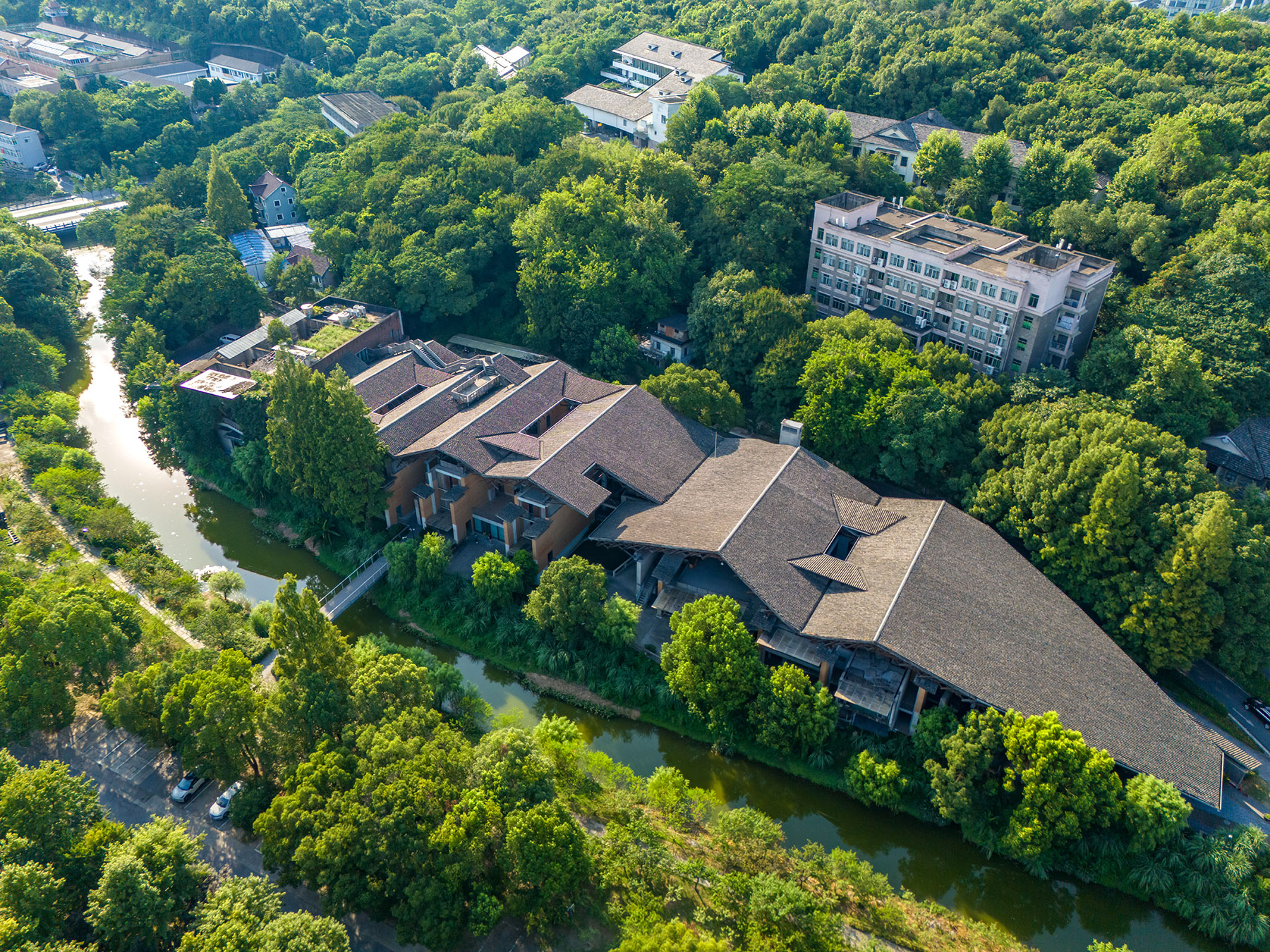
Wang's exploration into urban regeneration dates back to 2007, when he conducted an experimental project on the subject on Zhongshan Road in Hangzhou, Zhejiang province.
The historical street, once pulsing with Song Dynasty (960-1279) timber structures and mid-20th-century brick-and-mortar homes, had deteriorated into a "village within a city" amid the rapid tide of urbanization. In 2007, Wang, together with over 200 faculty members and students from the China Academy of Art, moved into the decaying neighborhood.
For six months they carried out extensive research, culminating in a plan that defied conventional wisdom at the time: halt all demolitions and instead renovate every building in place. At a time when the prevailing approach favored wholesale demolition and reconstruction, this proposal was a radical stance.
In order to preserve the architectural diversity of the area, Wang invited nearly 20 young architectural teams to collaborate, assigning each a portion of the neighborhood to redesign. Modern structures were interwoven with historical fabric, creating an environment where old and new could coexist. Three years later, when Zhongshan Road was reopened to the public, it attracted nearly a million visitors within just one week.
"Many people think that building new structures in historically preserved neighborhoods is nearly impossible," Wang says. "But I believe cities, by their very nature, should embody both the old and the new, sustaining vitality through their dialogue."
His vision for urban renewal is deeply rooted in two intertwined influences: the intricate fabric of city streets and alleys, and his enduring focus on rural construction. For Wang, "to find the living essence of Chinese culture, one must look to the countryside".
In 2012, fresh from receiving the Pritzker Architecture Prize, Wang was approached at a hotel in Beijing with an invitation to design a museum for the Fuyang district in Hangzhou. Instead of jumping at the high-profile opportunity, Wang had an unexpected condition: "If you want me to build a museum, you must first let me renovate a village."
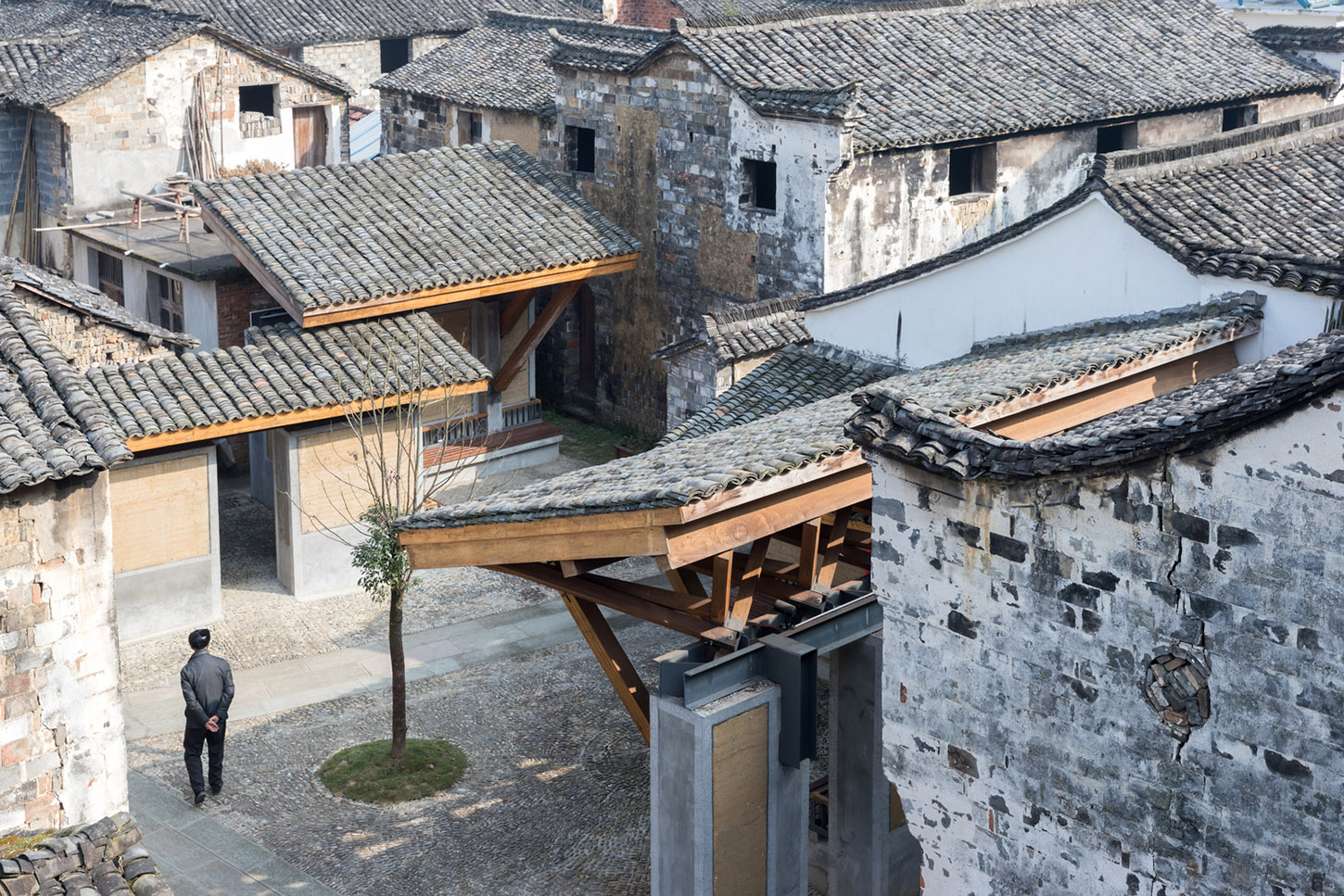
That village was Wencun, located just an hour's drive from Hangzhou. By 2016, Wang had transformed 24 homes in Wencun, employing local materials to craft rammed-earth walls, plastered facades, and other textures that resonated with the village's natural environment.
At the start of the project, elderly residents were largely resistant, while younger villagers embraced the concept. Some began running guesthouses, drawing 100,000 visitors in the first year alone.
Within months, opinions shifted — residents who initially opposed the renovation were requesting updated homes of their own. Today, the Wencun project remains ongoing, with Wang's team providing villagers with design blueprints, allowing them to adapt and select features based on their needs.
Wencun's transformation offers a vital clue to enriching urban regeneration: diversity. "The root of identical cities lies in identical villages. When rural diversity is lost, cities become like water without a source," Wang says.
In 2023, Wang embarked on an even more ambitious venture, creating a pastoral landscape within the urban fabric of Jinjiang, Fujian province. He cultivated a rice field that now thrives against a striking backdrop where village homes harmonize with city skyscrapers. Over 400 rural households took part in the renovation effort, transforming the area into a model of coexistence.
"I'm exploring the potential for urban and rural cultures to coexist. These two worlds can live side by side, and when they collide, the results can be beyond imagination," he says.
For Wang, each of his projects serves as an experiment in urban regeneration — an opportunity to develop prototypes and gather insights that could inspire others. "In a way," he adds, "this is already influencing other architects. In recent years, many have started engaging in similar explorations."
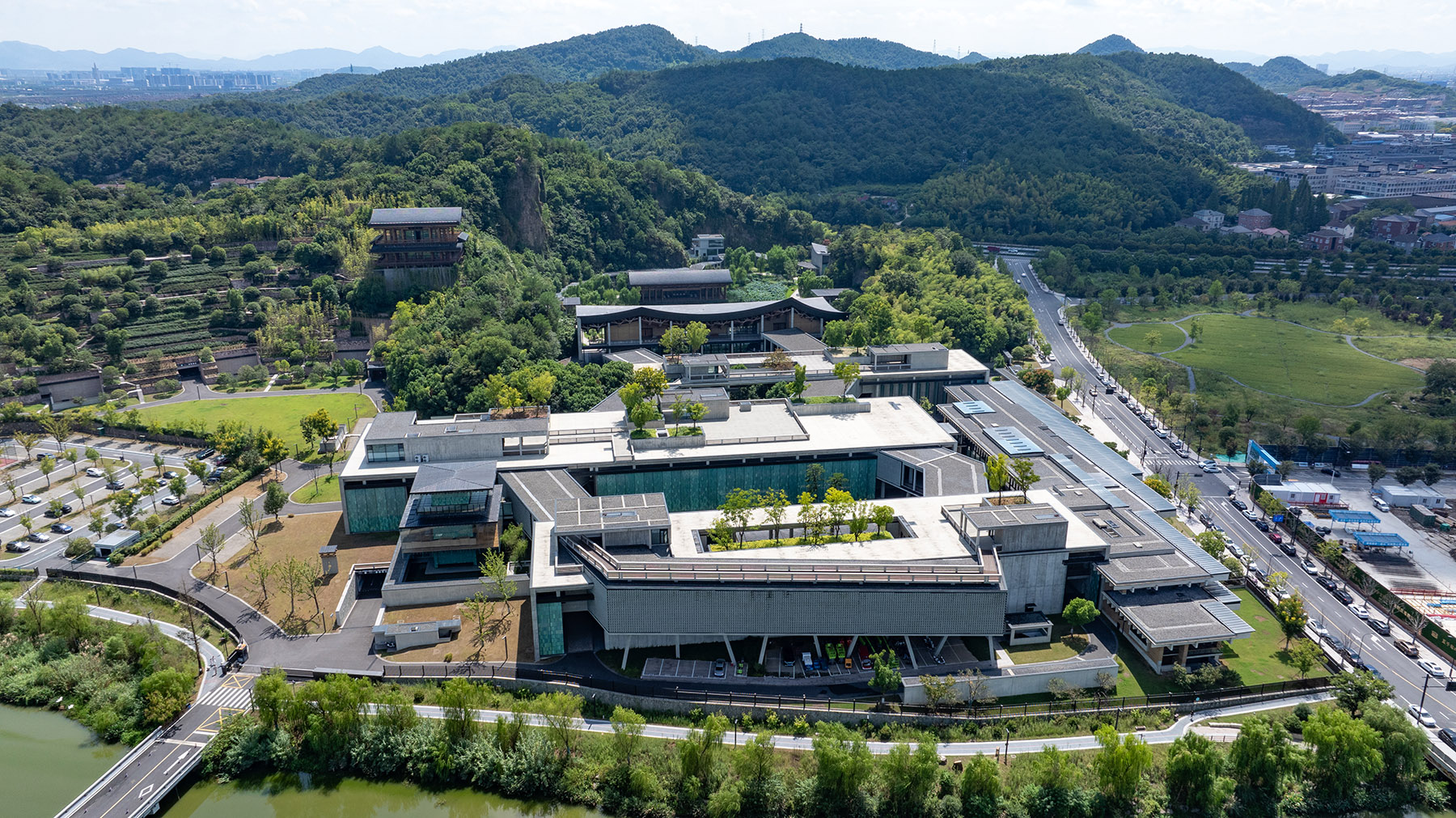
In fact, the architect's most iconic works are not primarily found in rural-urban renewal projects, but rather, in his designs for public buildings such as museums and galleries. Wang's architectural creations are notable for their innovative fusion of Chinese tradition, craftsmanship, and contemporary design. His signature approach is showcased in his use of natural materials like tiles and wood, as well as his distinctive wave-shaped eaves.
Among his representative works is the Xiangshan Campus of the China Academy of Art in Hangzhou, a project that seamlessly integrates the mountainous landscape with traditional Jiangnan courtyard structures. Another landmark creation is the Ningbo Museum, whose facade is constructed from over 20 types of recycled tiles and bricks, salvaged from villages that were demolished, embodying Wang's philosophy of architectural continuity and cultural preservation.
Wang studied in the architecture department of what is now Southeast University in the 1980s. In the early 1990s, when China's construction industry was entering a fervent boom, he chose a path of retreat, spending his days fishing and sipping tea by West Lake. Later, he pursued a PhD in architecture at Tongji University, and after graduating in 2000, he began teaching at the China Academy of Art. He is now the dean of the School of Architecture at the academy.
Online, many people describe Wang as more of an artist, while within architectural circles, he is hailed as "China's most humanistic architect". However, Wang himself has a different perspective: he believes that the role of an architect is to address social issues, rather than simply focusing on whether a building looks aesthetically pleasing.
ALSO READ: Pritzker winner celebrates ordinary people's lives
This is precisely why he has devoted such attention to the challenging topic of urban regeneration — a "hard nut to crack". He points out that European cities confronted this issue much earlier, but their transformation has been extremely gradual, relying solely on microscale adjustments. Currently, China is also beginning to adopt this piecemeal approach.
"However, China has a unique opportunity to seriously explore how to achieve sustainable development during its period of growth, particularly in the realm of urban regeneration and development," Wang says.
"By setting examples and leading the way, we can truly make an impact on the world."
Contact the writer at dengzhangyu@chinadaily.com.cn
