

Through unexpected encounters, series traces the links between regional cooking, urban growth and everyday experiences, Li Yingxue reports.
For documentary filmmaker Chen Xiaoqing, understanding a city's food means looking beyond its signature dishes to the people who prepare, share and preserve them.
That philosophy shapes the documentary China Beyond Tastes 2, which premiered on Tencent Video on Oct 15 with an episode set in Leshan, Sichuan province. Across 12 episodes, Chen and his companions visit six cities — Leshan, Tianjin, Shanghai, Lhasa, capital of the Xizang autonomous region, Beihai in the Guangxi Zhuang autonomous region, and Zhangzhou in Fujian province — exploring how regional cuisines reflect local history and evolving ways of life.
The new season follows the first, which premiered in December 2023 and received an 8.4 rating on Chinese review platform Douban. After years of exploring the country's food culture through A Bite of China and Once Upon a Bite, Chen takes a more personal approach, allowing conversations and unexpected discoveries to shape the narrative.
READ MORE: Dishing up different discoveries
"There is no fundamental difference from the first season," Chen said at a media preview in Beijing. "I have a little more room to express myself, and I am more direct in what I say. I also feel less of a sense of mission."
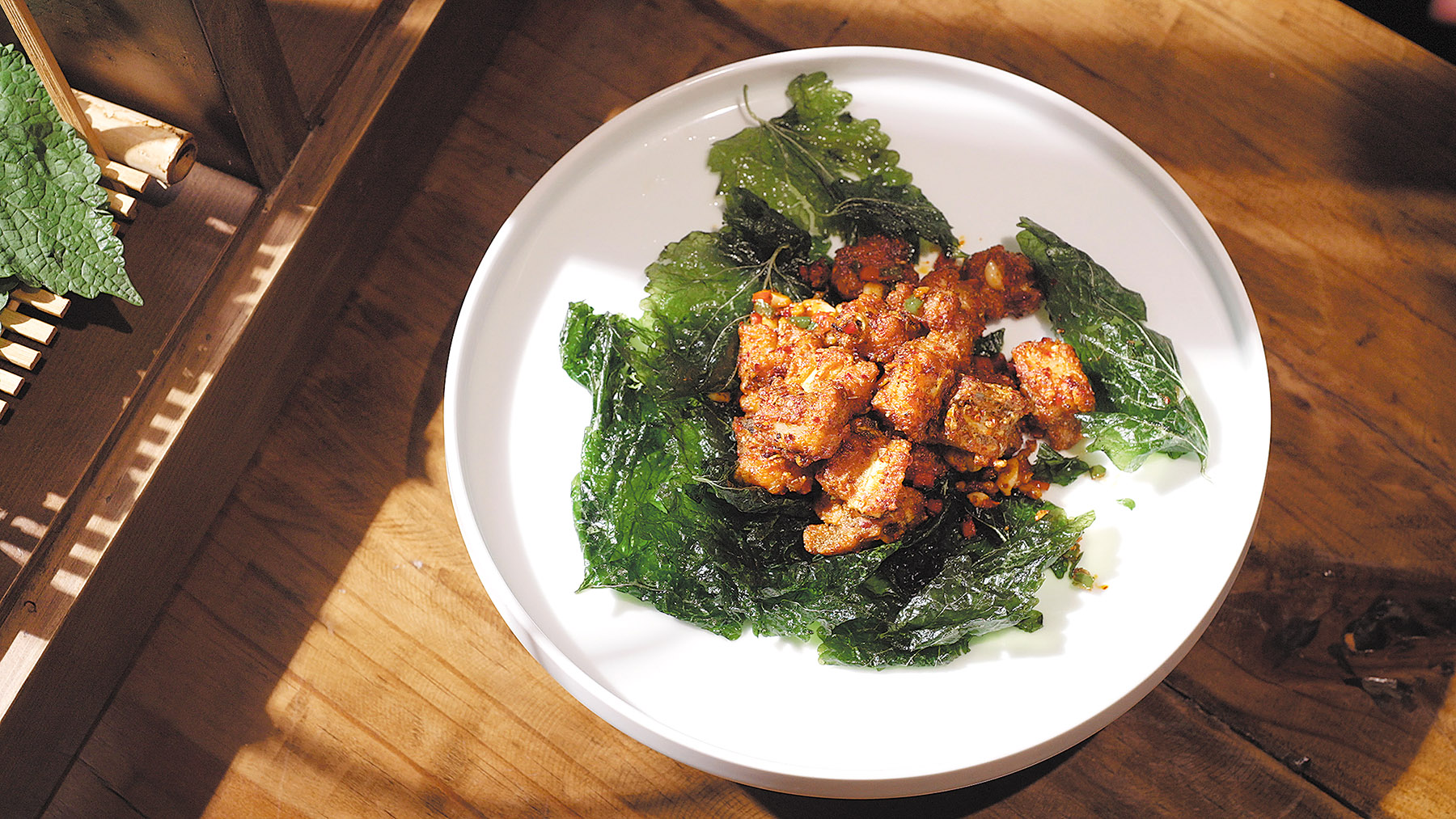
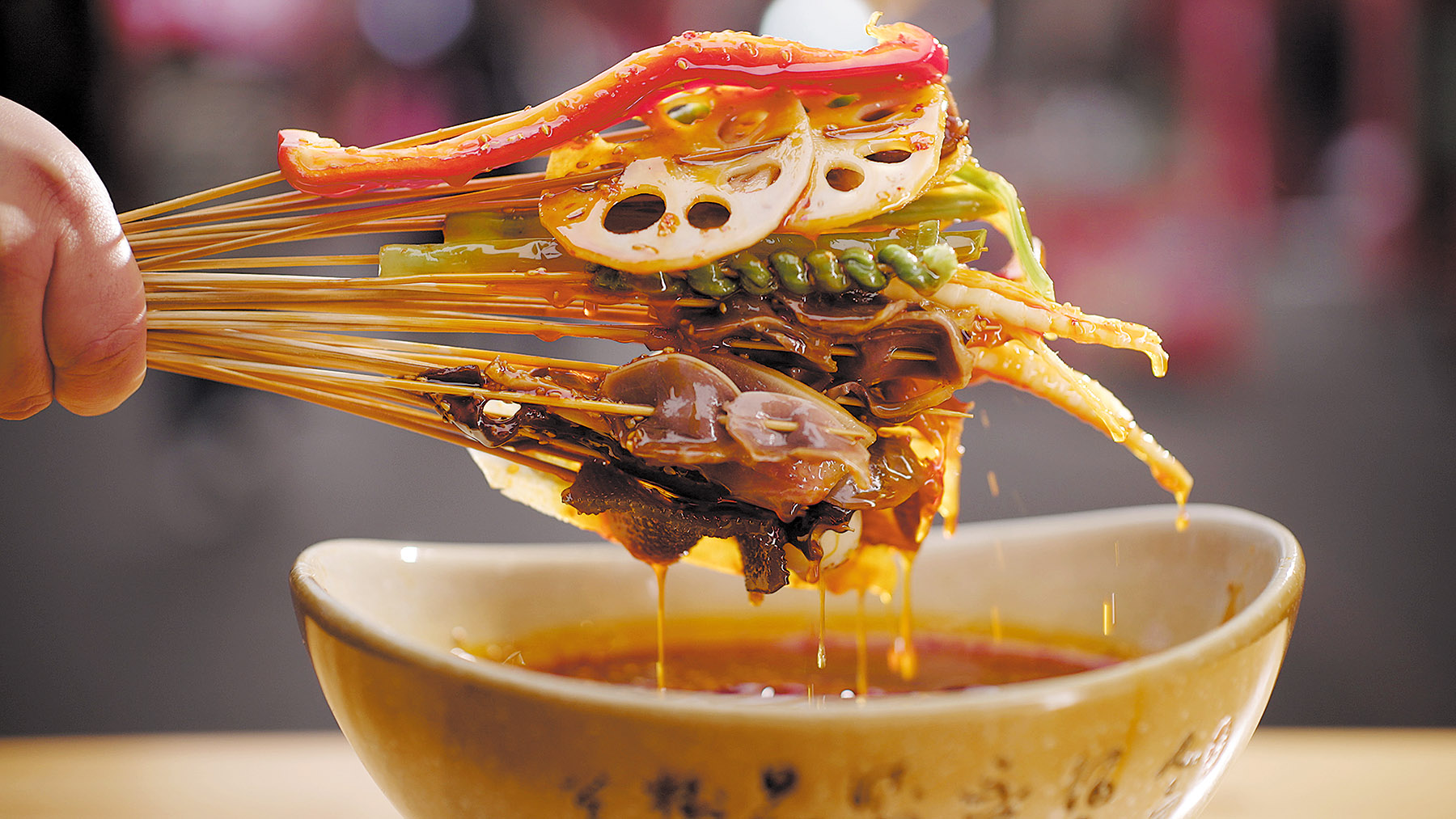
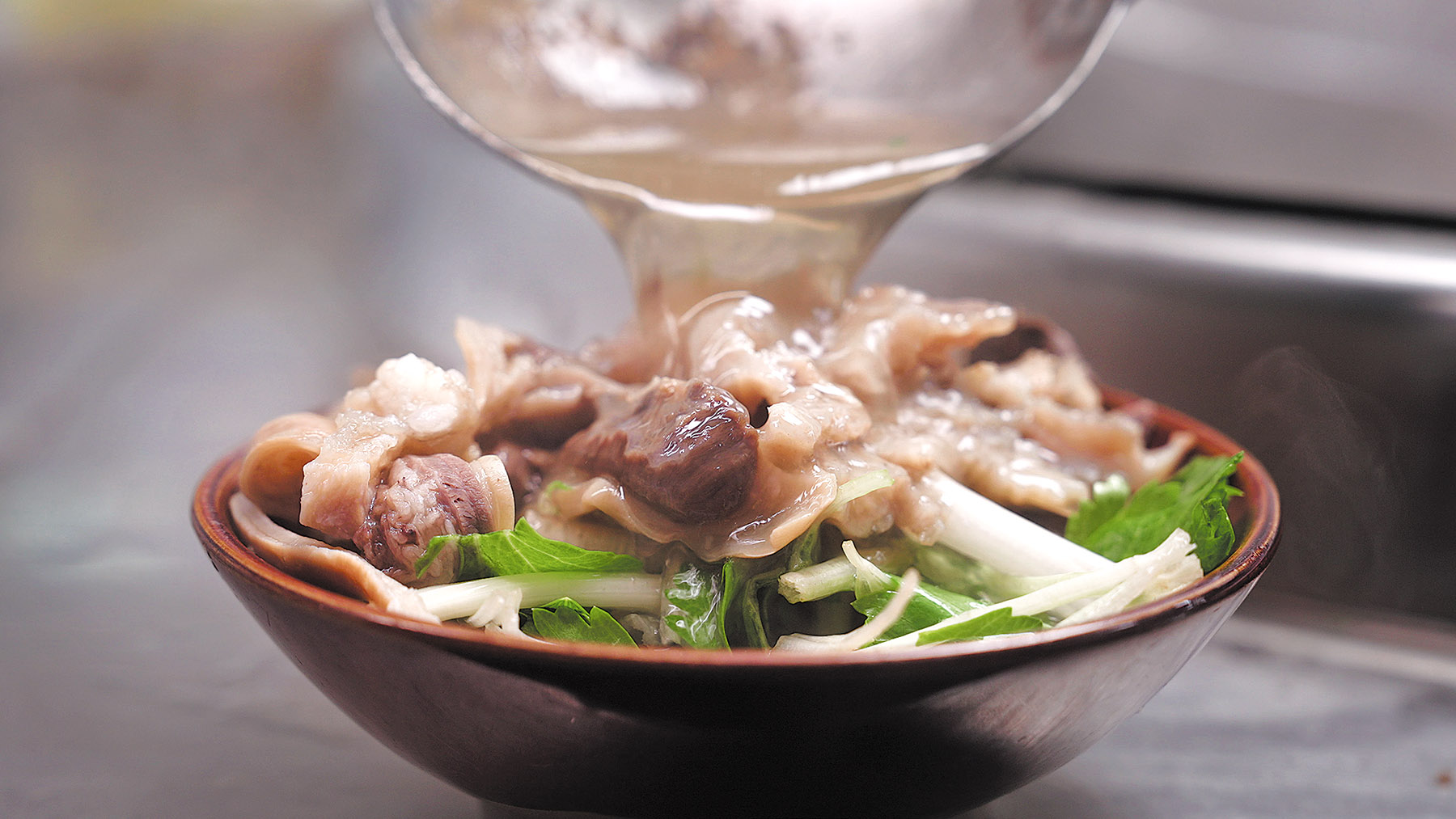
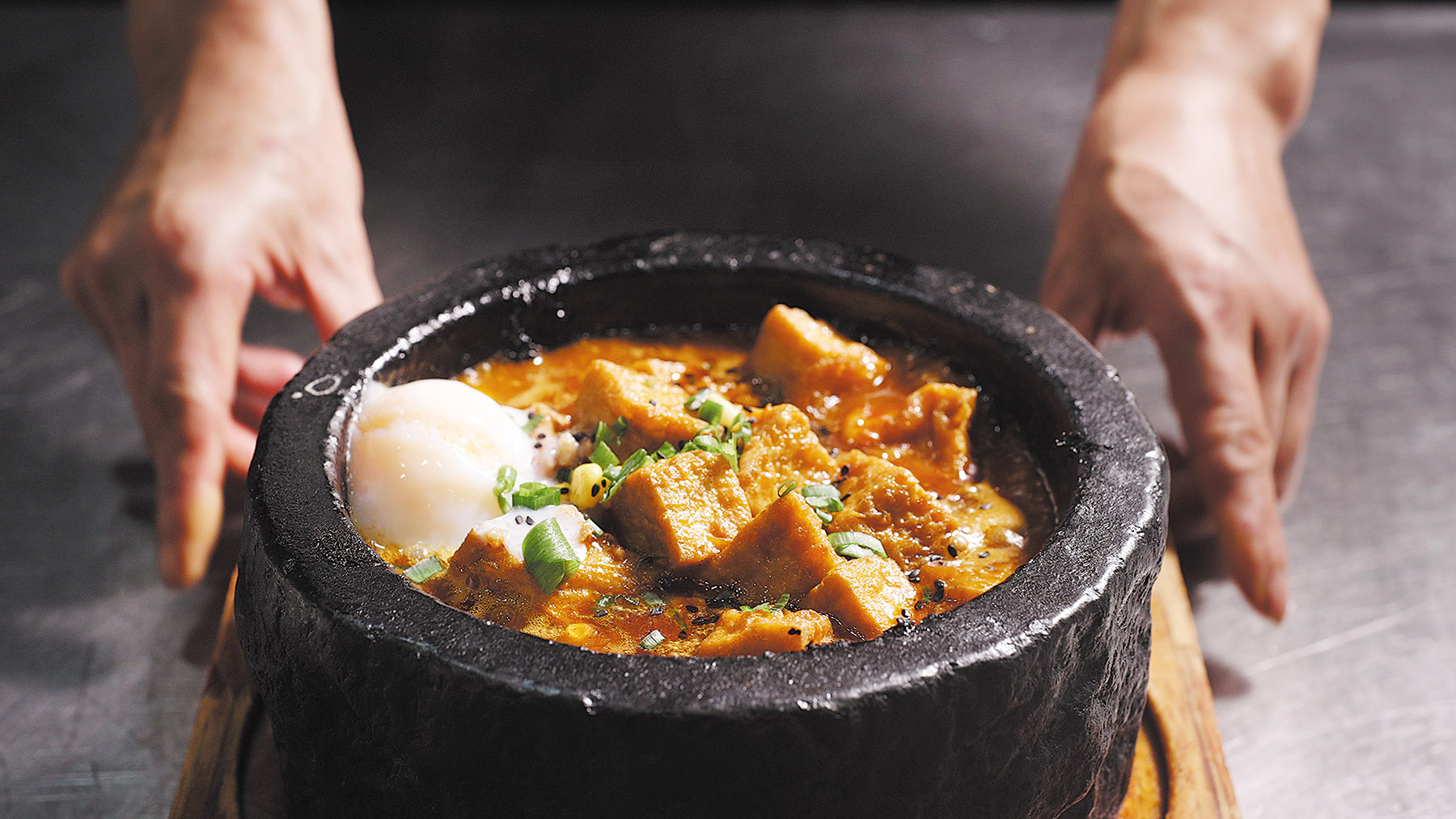
The shift is reflected in the opening episode, in which Chen and local food enthusiasts explore Leshan's neighborhood eateries and sample local specialties such as boboji — skewered ingredients in a spicy broth — tofu pudding, Qiaojiao beef and noodles with shredded eel.
One question sets the tone: How did a dish associated with chicken evolve into a local specialty featuring a variety of skewered ingredients? Today, the dish can include meat, offal and vegetables served in a spicy broth. The episode also examines the seasonings that give Leshan's fried skewers their distinctive flavor and the regional variations of its tofu pudding.
Rather than simply cataloging dishes, the program places them in a broader historical context. Historian Wang Di joins Chen in Leshan to explore the connections between everyday food and the city's past.
Executive director Zhang Xuejiao said the team did not set out to maintain a fixed balance between culinary content and broader discussion. "As long as the ideas emerge naturally in a particular situation and remain connected to food and the city, without disrupting the audience's immersion, we are happy to keep them," Zhang said.
The new season also shows Chen trying his hand at local cooking, despite feeling uncomfortable in front of the camera after years spent behind it. "I can be quite entertaining in everyday life, but once I face the camera, I become a little silly," he joked at the preview.
For Chen, food offers a way to examine China's social and economic changes. He first visited Leshan in 2006, before the recent boom in online food tourism. Today, dishes from Leshan and neighboring counties can be found side by side on busy commercial streets.
Greater accessibility, however, can come at a cost. As businesses cater to tourists, traditional dishes may be adapted to suit broader tastes, potentially losing some of the distinctive characteristics that set them apart.
"That was Leshan before the surge in online traffic," Chen said, referring to his earlier visit. He questioned whether bringing regional dishes together in tourist-oriented commercial areas necessarily preserves their original character.
Changing tastes offer another perspective on these developments. Chen observed that the spread of regional cuisines has made spicy food more commonplace in major cities, while tourism has encouraged some destinations to adjust traditional dishes to suit visitors.
"People from big cities go to less-developed regions and may find the original flavors difficult to accept," he said. "They use their money to vote for sweeter and milder food."
Such changes illustrate how migration, urbanization and tourism reshape culinary traditions. Food reflects not only geography and history, but also consumer preferences and commercial pressures.
Producer Li Jie said the six destinations were chosen for their distinct geographical and cultural characteristics and everyday lifestyles. During filming, the crew worked in Lhasa's high-altitude environment, encountered a typhoon in Shanghai and endured prolonged heat in Zhangzhou.
Yet, the greater challenge, Li said, was capturing what makes each city distinctive. "We don't want stereotypical impressions of cities. We hope to present Chen's experiences of a city, along with the unexpected discoveries and encounters that happen during filming."
Beyond the viral restaurant
The season brings together guests from different fields, including comedian Li Dan, entrepreneur Luo Yonghao, historian Wang Di, food anthropologist Cao Yu and food culture scholar Gao Wenqi.
Their different perspectives bring history, anthropology and humor into conversations that begin with food.
"We want the guide to offer a first-person perspective, taking audiences along to see the world, rather than adopting an all-knowing viewpoint that tells them what to think or simply delivers information," said Zhu Lexian, the season's executive producer.
"By including more personal experiences, we hope to make the film more human and invite viewers to connect with the people on screen," he said.
The series takes a different approach from many short videos and algorithm-driven recommendations that increasingly shape dining choices. Instead of focusing solely on popular venues, it explores the local history and everyday practices behind the food.
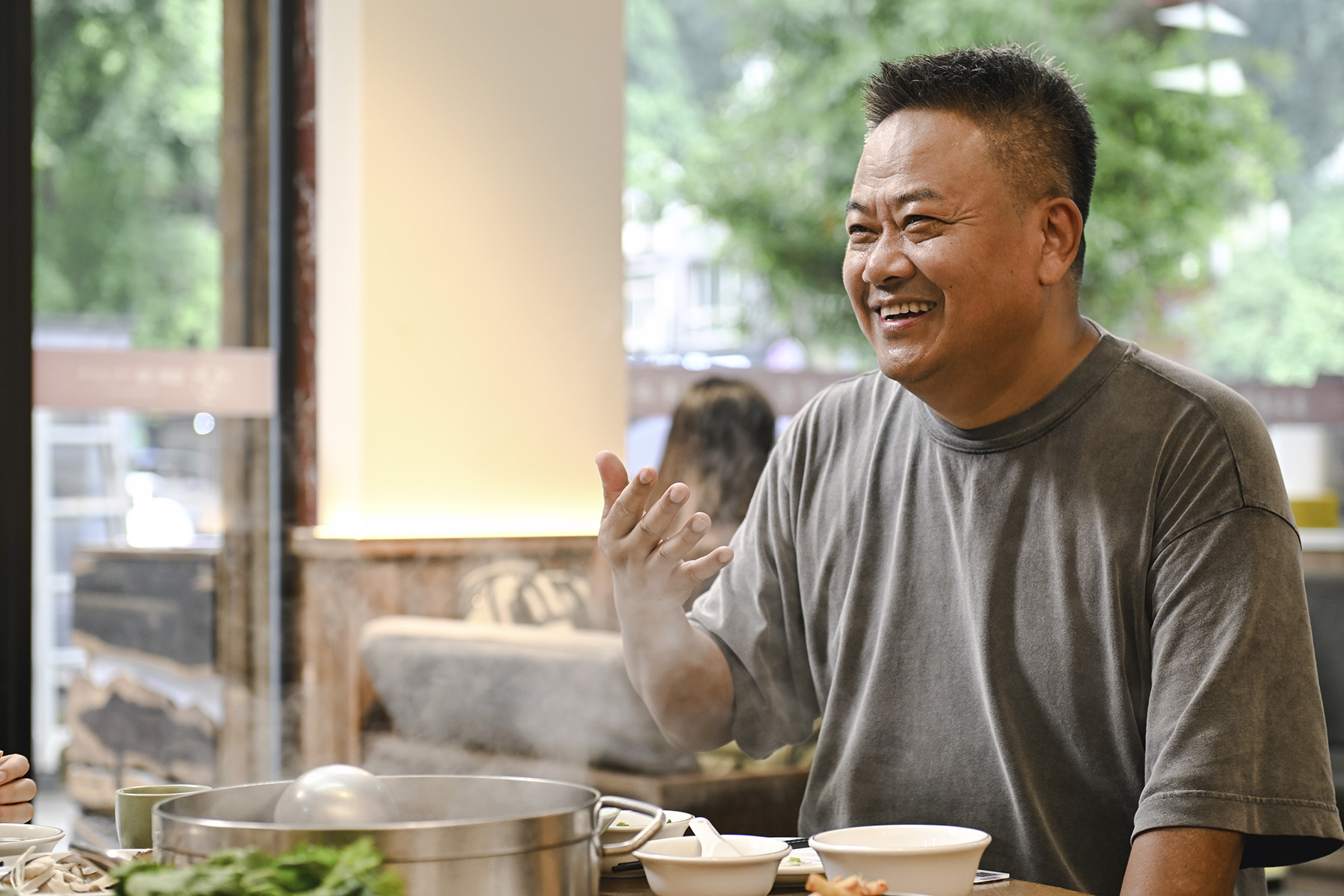
Chen acknowledged the usefulness of online data but cautioned against assuming that one recommendation suits everyone. "I hope my food guide won't necessarily be everyone else's food guide, and the restaurants we visit aren't necessarily places everyone needs to check off their list," he said.
"Your experience of food should be based on your own life experience," he added, urging viewers against treating the restaurants featured in the program as must-visit destinations.
Instead, the series explores how local knowledge can enrich a meal. In Lhasa, an acquaintance of Chen's led the crew to a small shop selling yak meat buns in a narrow alley, a place visitors unfamiliar with the city might struggle to find.
ALSO READ: Innovation heats up classic cuisine
For travelers, the point is less about following a prescribed itinerary than appreciating the value of local knowledge. A dish becomes more meaningful when someone can explain its ingredients, preparation and place in everyday life.
For Chen, the wider significance of food lies in its ability to connect personal experience with social change. A dish can reveal how a city has evolved, how tourism has transformed local businesses or how culinary traditions travel between regions.
In China Beyond Tastes 2, the food provides the starting point. People who make it, the stories they share and the changing circumstances around them reveal the larger picture.
Contact the writer at liyingxue@chinadaily.com.cn
