

A revival project brings visitors, businesses and opportunities to Gansu's centuries-old quarter without uprooting generations of families, Hu Yumeng and Ma Jingna report in Lanzhou.
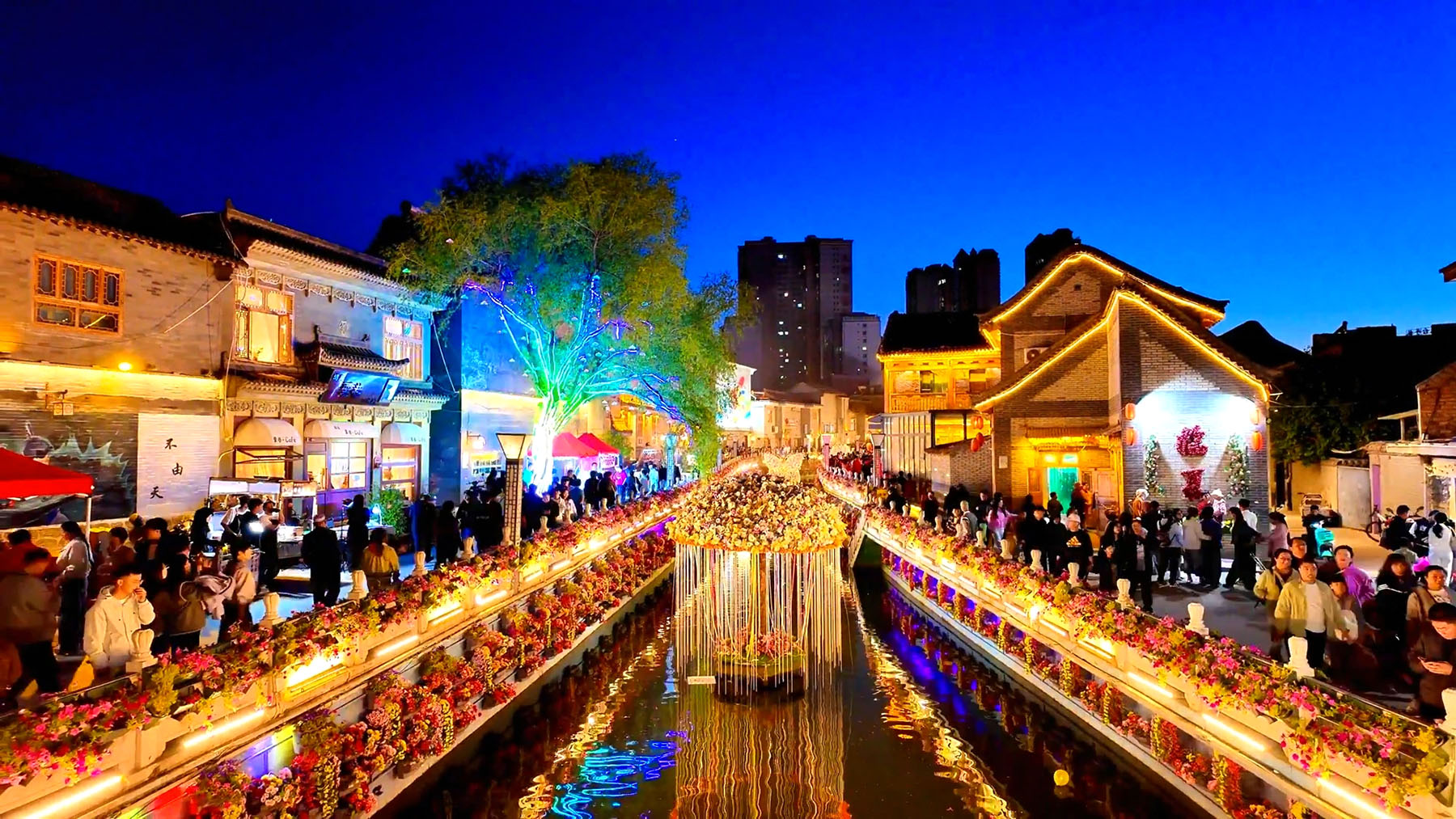
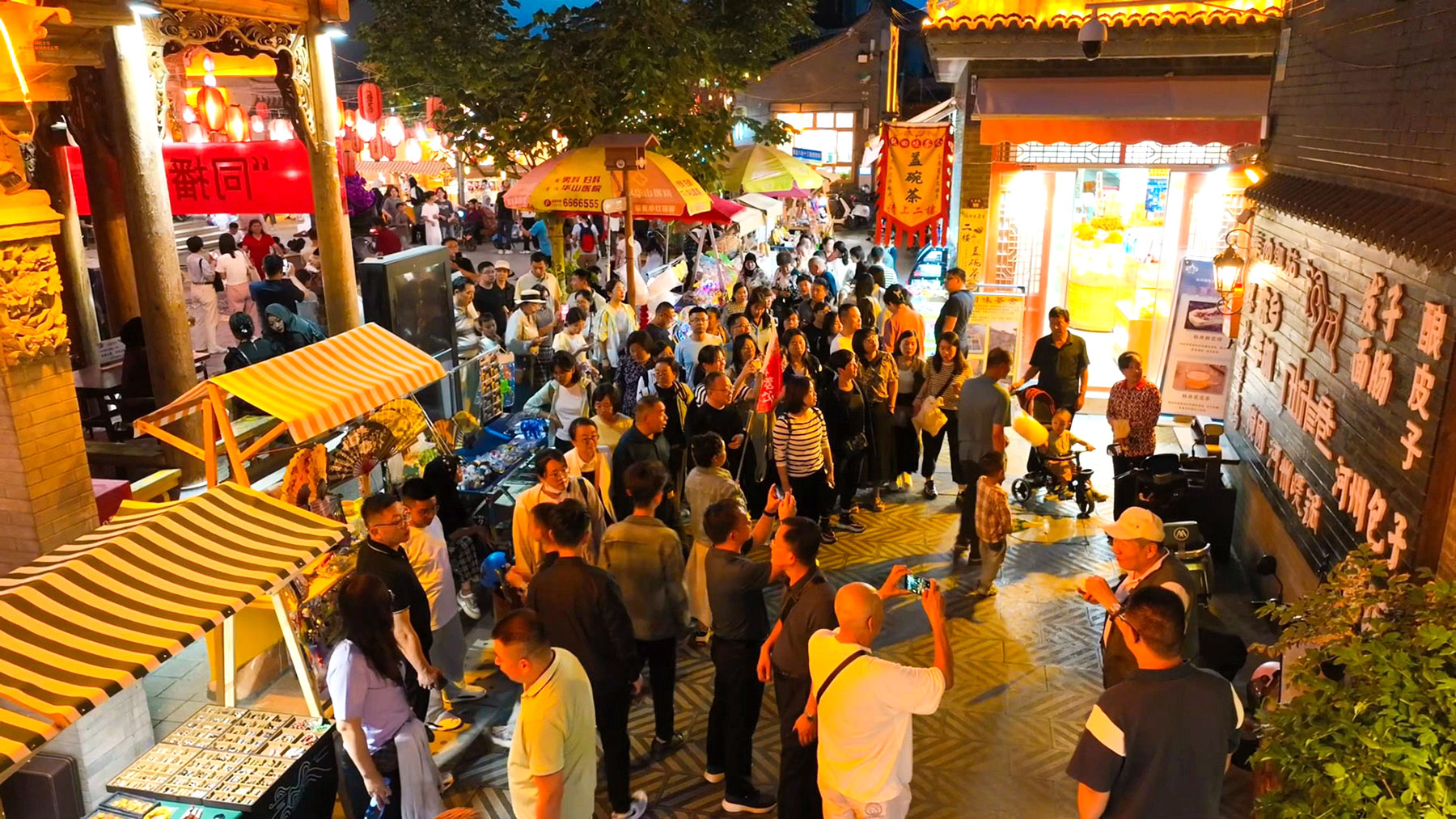
On a recent afternoon in Bafang Shisanxiang (eight neighborhoods and 13 lanes), a historic district in Linxia Hui autonomous prefecture, Gansu province, tourists stopped to photograph brick-carved doorways and old courtyards, while residents went about their daily routines along the same narrow lanes.
Behind one of the traditional facades, the smell of sauced beef drifted from a family-run shop.
For Ma Hongwei, the shop is also his home.
"We are genuine residents of Bafang Shisanxiang," says Ma, who has lived in the neighborhood for more than 40 years. His family has been here for generations, with his grandfather believed to have settled in the area in the 1920s.
Today, Ma runs a branch of Lao Ma's Sauced Beef, his family's business, from their ancestral home.
His family's story reflects the transformation of Bafang Shisanxiang, which has become a popular cultural tourism destination while retaining its original residents.
"We don't want this neighborhood to become an empty shell without residents," says Wang Weili, deputy general manager of Linxia Fenglin Cultural Tourism Investment.
That principle has guided the renovation: preserving its historic buildings and original street pattern while upgrading infrastructure and improving living conditions.
A living neighborhood
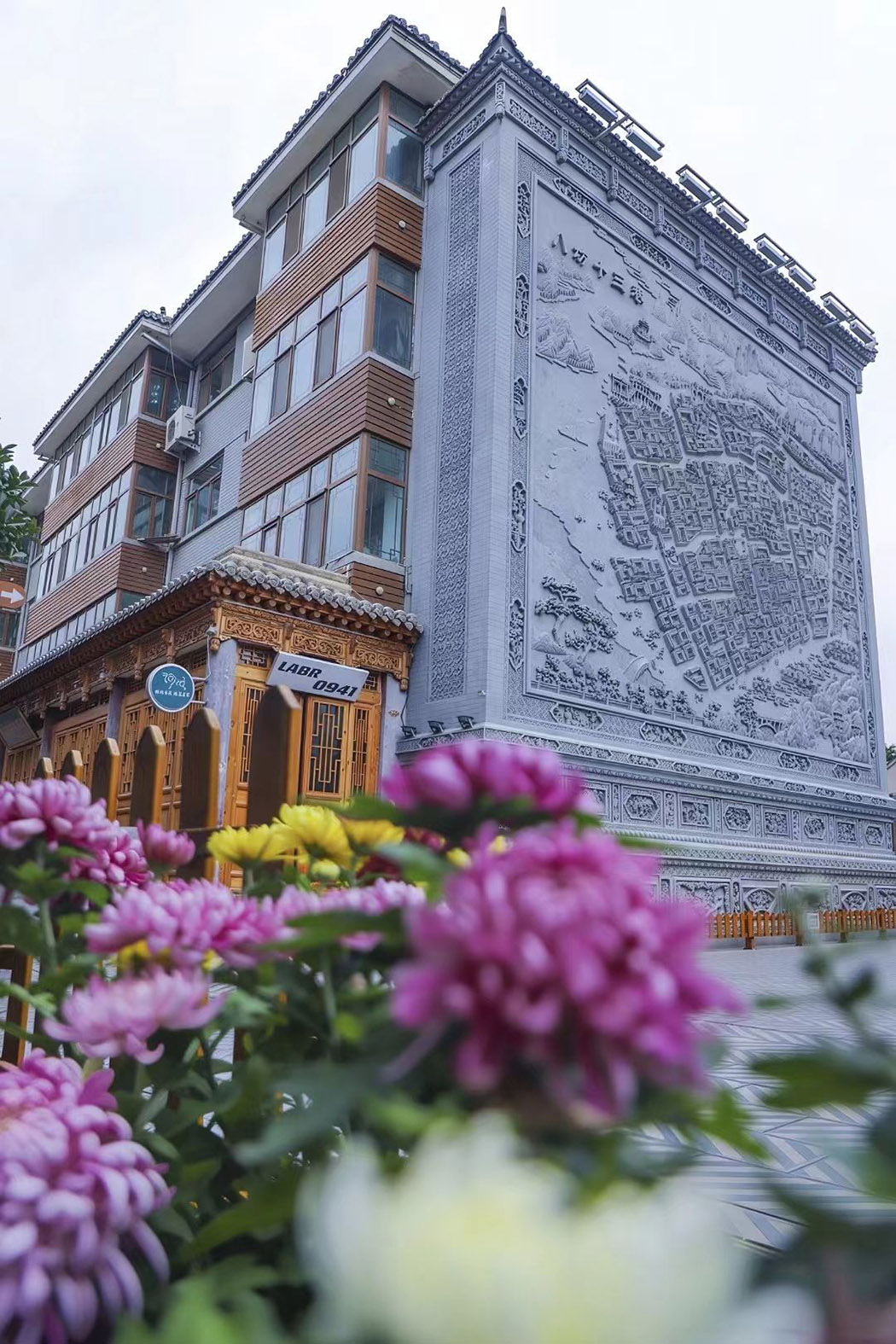
Bafang Shisanxiang refers to eight neighborhoods built around mosque communities and 13 interconnected lanes, with roots tracing back to the Tang Dynasty (618-907). Historically known as Hezhou, Linxia has long been home to diverse ethnic communities and cultural traditions. The neighborhood has been home to generations of Hui residents.
As the city expanded, the old neighborhood became increasingly crowded, with aging houses, narrow lanes and inadequate infrastructure.
For Ma, the neighborhood of his childhood was essentially a densely populated residential area.
"It was old and run-down," he recalls. "There were a lot of people living here, but it was just a residential area."
A renovation project was launched in 2015 and completed the following year, aiming to improve living conditions without erasing the neighborhood's character. Roads and public facilities were upgraded, while traditional courtyards and the original network of lanes were preserved. Residents were able to remain in their homes rather than being relocated to make way for a new commercial district.
The traditional arrangement of "front shop, back home" remains one of the neighborhood's defining features. Today, Bafang has more than 5,000 residents and over 450 shops and street stalls, selling local Hezhou food, ethnic clothing and products from long-established businesses, Wang says.
Ma's family had once moved its sauced-beef business elsewhere in the city. After the renovation, he returned, becoming one of the first residents to reopen a shop there.
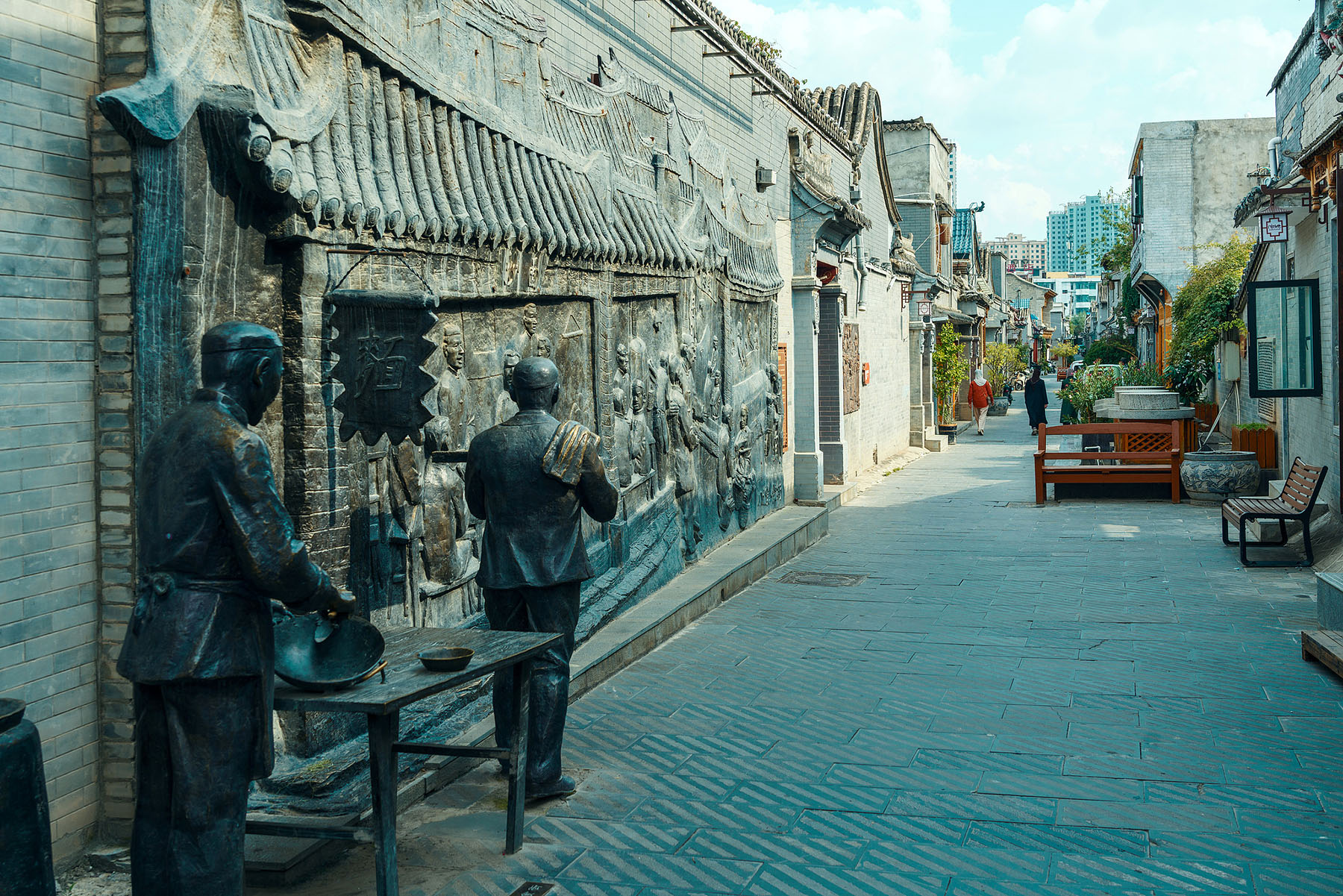
The courtyard was renovated, but its basic layout was retained. Today, customers come for the sauced beef, while some are also drawn by the traditional architecture.
"Some visitors come in to take photos first, and then buy our beef," Ma says. His brother runs a small food business next door, also from the family's own home.
For Ma Zhanxiang, who runs a shop selling local specialties, the most noticeable changes have been in residents' daily lives. The renovation improved houses and paved the lanes, while projects such as replacing coal-fired heating with electricity made homes more comfortable.
"The houses are still the same old houses, but they are more comfortable to live in," he says. More residents have opened shops or set up stalls outside their homes, making the lanes livelier.
He has also noticed a change in the visitor profile. Two years ago, most tourists came from Gansu and neighboring provinces. Now, visitors from Jiangsu, Shanghai, Hong Kong, Macao and Taiwan, as well as overseas, are increasingly making their way to the neighborhood. Local specialties such as babao (eight-treasure) tea and bran vinegar are among the popular purchases.
For Ma Xiaoyan, a 60-year-old resident of the Hui ethnic group, who grew up in the neighborhood, the presence of longtime residents is part of what makes Bafang Shisanxiang distinctive.
"Residents who have stayed here are themselves part of the visitor experience," she says. "What tourists see is a living culture, not one confined to a museum."
Keeping residents in their original homes, she adds, preserves the everyday atmosphere and ethnic character of the neighborhood, preventing it from becoming just another imitation old-style commercial street.
Fresh local energy
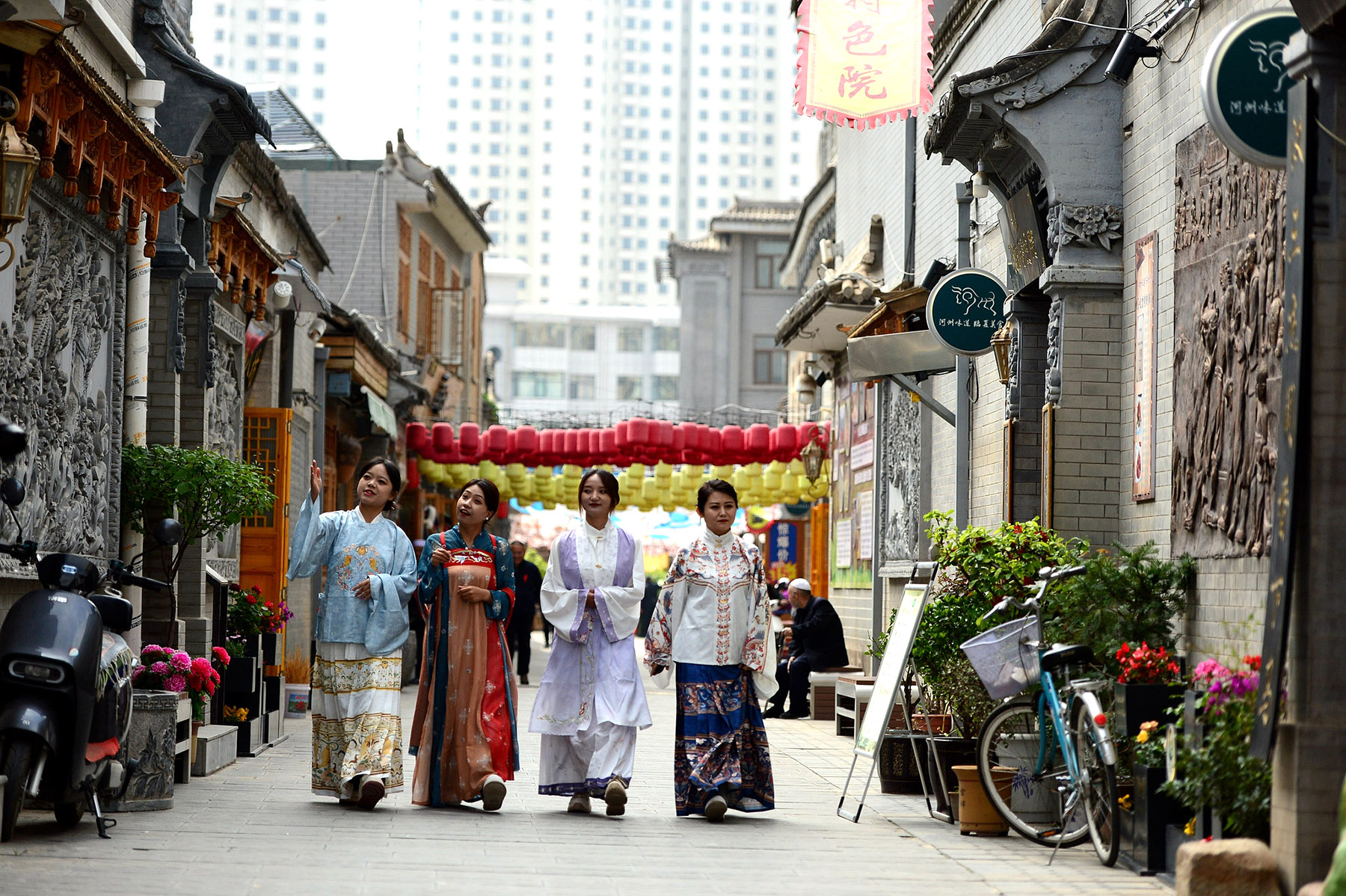
Bafang's transformation is part of the wider changes taking place across Linxia, where a younger generation is bringing fresh ideas to the prefecture.
Ma Suofeiya, a member of the Dongxiang ethnic group, opened Lumos Cafe in Linxia city in 2015, hoping to pursue her interest in coffee while contributing to the development of her hometown.
She identifies with a local saying: "Build your hometown into a place you love."
"I thought my hometown needed a cafe like this," she says.
For Ma Suofeiya, Bafang Shisanxiang is woven into her childhood memories. She describes Linxia as a small but warm place, where young people can pursue their own ideas and careers.
That connection is also reflected in her menu. Alongside coffee, the cafe serves halal food and incorporates local ingredients and flavors, including pickled vegetables and tianpeizi, a sweet fermented grain dish.
"I don't just want to sell coffee," she says. "I want to combine it with what people here actually need."
Her social media accounts introduce coffee, entrepreneurship and everyday life in Linxia, helping the small cafe reach customers far beyond the city.
Among its regular customers is Kenny Farooq, a foreign resident and e-commerce entrepreneur based in Guangzhou, Guangdong province. Married to a woman from Linxia, he regularly travels between the two cities. His business has also taken him to many other parts of China, including Beijing, Shanghai, Xi'an and Harbin.
Yet he keeps returning to Linxia. The cafe is one of his regular stops, where he can work on his laptop and enjoy a cup of coffee.
"I've been to so many places, but Linxia is like a magnet, pulling me back here," he says, citing his family, the local scenery and the cafe among the reasons.
He also praised the city's food, cultural traditions and friendly residents.
"I hope to introduce Linxia to more people, including by developing a website featuring local attractions and landmarks," he says.
Tradition comes alive
At the Bafang Folk Museum, a three-courtyard residence dating back to 1926 offers visitors a glimpse into the area's cultural heritage.
According to Cui Zhiyu, manager of Linxia Bafang Shisanxiang Scenic Area Management, the courtyard brings together Han wood carving, Tibetan painted decoration and Hui brick carving. Exhibits featuring old household objects, photographs and audiovisual materials re-create local weddings, festivals and everyday life in Hezhou.
Across the neighborhood, more than 60 forms of intangible cultural heritage are showcased, alongside folk performances and immersive cultural programs that bring traditional practices to life for visitors.
The cultural appeal has also helped attract tourists. Since its renovation, Bafang Shisanxiang has received more than 20 million visits. In the first seven months of 2026 alone, it welcomed nearly 2.95 million visitors and generated about 320 million yuan ($48 million) in tourism-related revenue, according to local authorities.
Yet the neighborhood's appeal lies not only in its cultural attractions, but also in the way its traditions remain part of everyday life: in family homes doubling as restaurants, traditional courtyards adapted for businesses and artisan workshops opening their doors to visitors.
Bafang Shisanxiang is more than a preserved slice of the past. It remains a place where people live and work, and where old traditions continue to find new expressions.
Yang Mingze contributed to this story.
Contact the writers at huyumeng@chinadaily.com.cn
