

TEHRAN/WASHINGTON – Tensions between Iran and the United States have escalated in recent days amid military clashes and maritime incidents near the Strait of Hormuz, while regional countries stepped up diplomatic efforts to ease the situation.
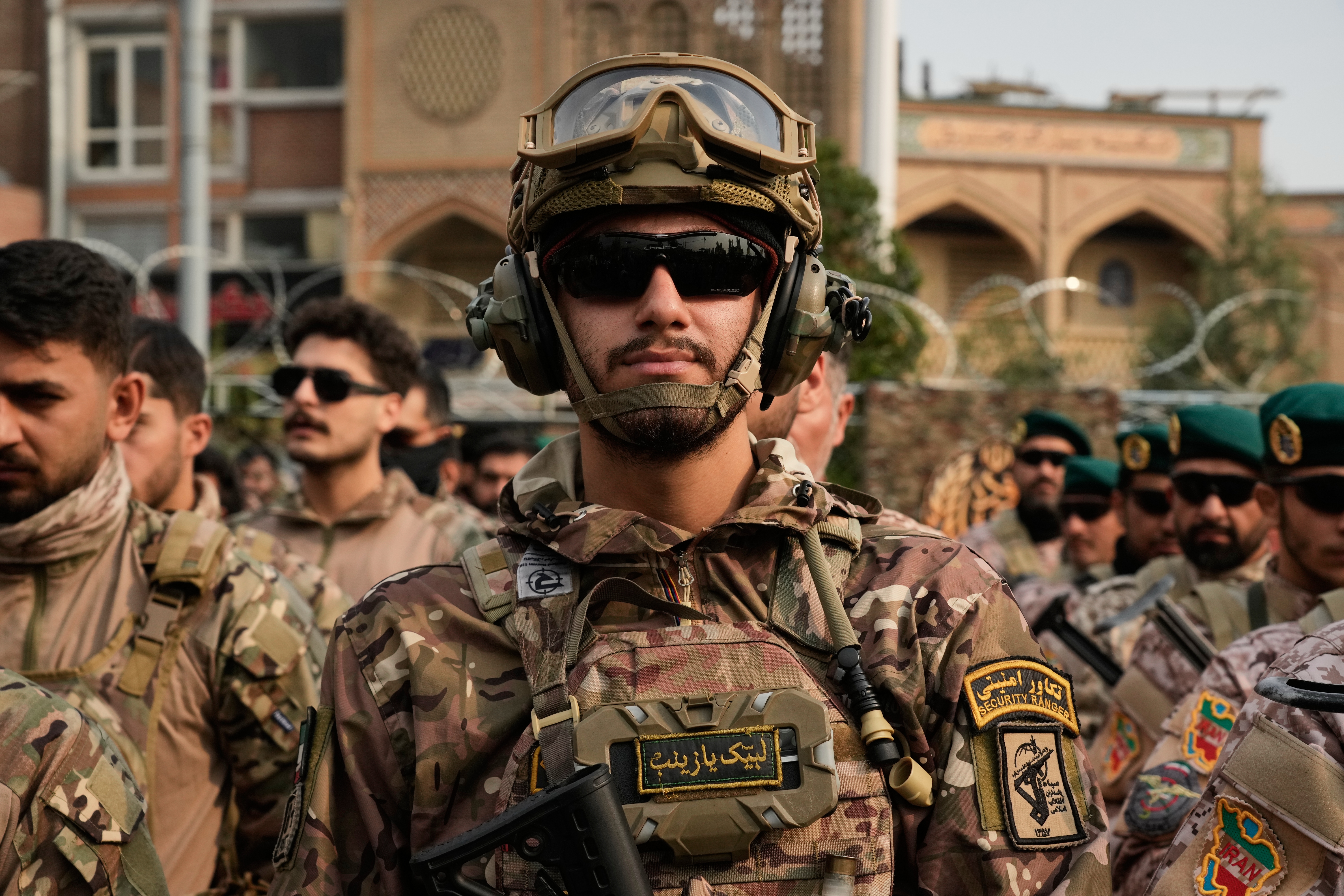
Iran's Islamic Revolutionary Guard Corps (IRGC) said Saturday its aerospace division has established underground missile and drone production facilities and is continuously increasing the range of its missiles.
"We will not stop in this regard," IRGC spokesman Hossein Mohebbi told a press conference, adding that the corps is prepared to defend the country "without any geographical limitation" if the enemy renews strikes.
His remarks come amid heightened US threats of military action against Iran, and as the US Army reportedly carried out "minor" attacks targeting Iran's southern Qeshm Island.
ALSO READ: Iran shoots down 2 US drones as Trump announces ‘minor’ strikes
Earlier on Saturday, local media reported that two missiles hit Qeshm Island, while Iran's air defense force shot down two US MQ-9 drones.
US President Donald Trump said Friday that US forces launched new strikes targeting Iran's air defense systems, describing the military action as "minor."
This was the second strike reportedly carried out by the United States against the Iranian island this week. The Wall Street Journal, citing US officials, reported Tuesday that the United States attacked the island on Monday.
The US Central Command (CENTCOM) said late Friday that the United States is offering a reward of up to $20 million and "possible relocation" for information about Iran's nuclear program.
Iran has said that uranium enrichment is an "inseparable" part of the country's nuclear industry, and that Iran's nuclear program is in compliance with its safeguards agreement with the International Atomic Energy Agency and the Treaty on the Non-Proliferation of Nuclear Weapons.
Iran's IRGC says 2 ‘violating’ tankers hit mines
Tensions at sea also escalated around the Strait of Hormuz. The IRGC’s navy said early Sunday that two "violating" oil tankers seeking to transit the strait through an "unauthorized" route caught fire after hitting naval mines.
In a statement on the IRGC's official news outlet Sepah News, the navy said that one tanker hit mines east of the strait and the other while crossing the waterway.
Both vessels had turned off navigation and GPS systems and were burning following the explosions, it added.
ALSO READ: Tehran says reignited conflict would benefit no one
The IRGC warned that any vessel cooperating with the "aggressive" US Army and entering the "unauthorized" region in the strait in defiance of Iranian regulations would "definitely" hit naval mines.
Its navy warned that bids by CENTCOM forces to compel oil tankers to cross the waterway through the mined route will lead to nothing but "consecutive and abject" defeats.
US forces disable commercial cargo vessel
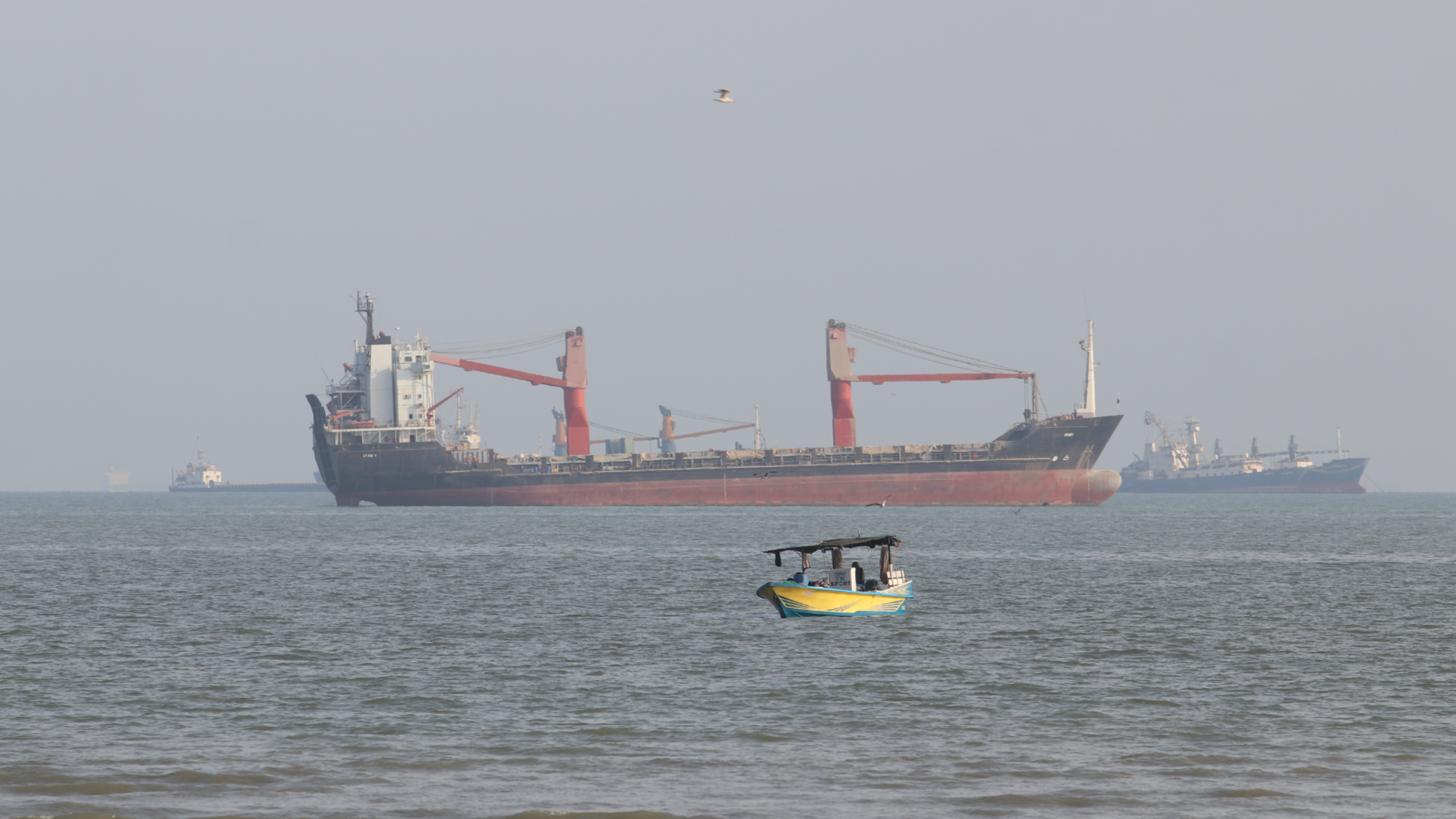
Meanwhile, US forces struck and disabled a commercial cargo vessel in the Gulf of Oman on Saturday, CENTCOM said.
A US military aircraft fired precision munitions at the stern of the Saint Kitts and Nevis-flagged M/V Huda, disabling the ship after its crew was instructed to abandon targeted spaces, CENTCOM said in a statement.
According to CENTCOM, the cargo vessel attempted to leave regional waters after visiting an Iranian port. The command said its civilian crew ignored warnings and repeatedly attempted to breach the US naval blockade against Iran.
Since July, US forces have redirected 147 commercial vessels and disabled five merchant ships that refused to comply with the blockade, CENTCOM said.
It added that US forces had previously destroyed 10 Iranian commercial oil tankers, alleging that they were part of a multibillion-dollar shadow network operated by Iran's IRGC.
Iran tightened its grip on the strait on Feb 28, barring safe passage of vessels belonging to or affiliated with Israel and the United States following their joint strikes on Iranian territory. The United States has also imposed a naval blockade against the country.
As hostilities intensified, regional countries stepped up diplomatic efforts to avert a wider conflict, while Tehran engaged in active outreach to secure strategic support and coordinate de-escalation steps.
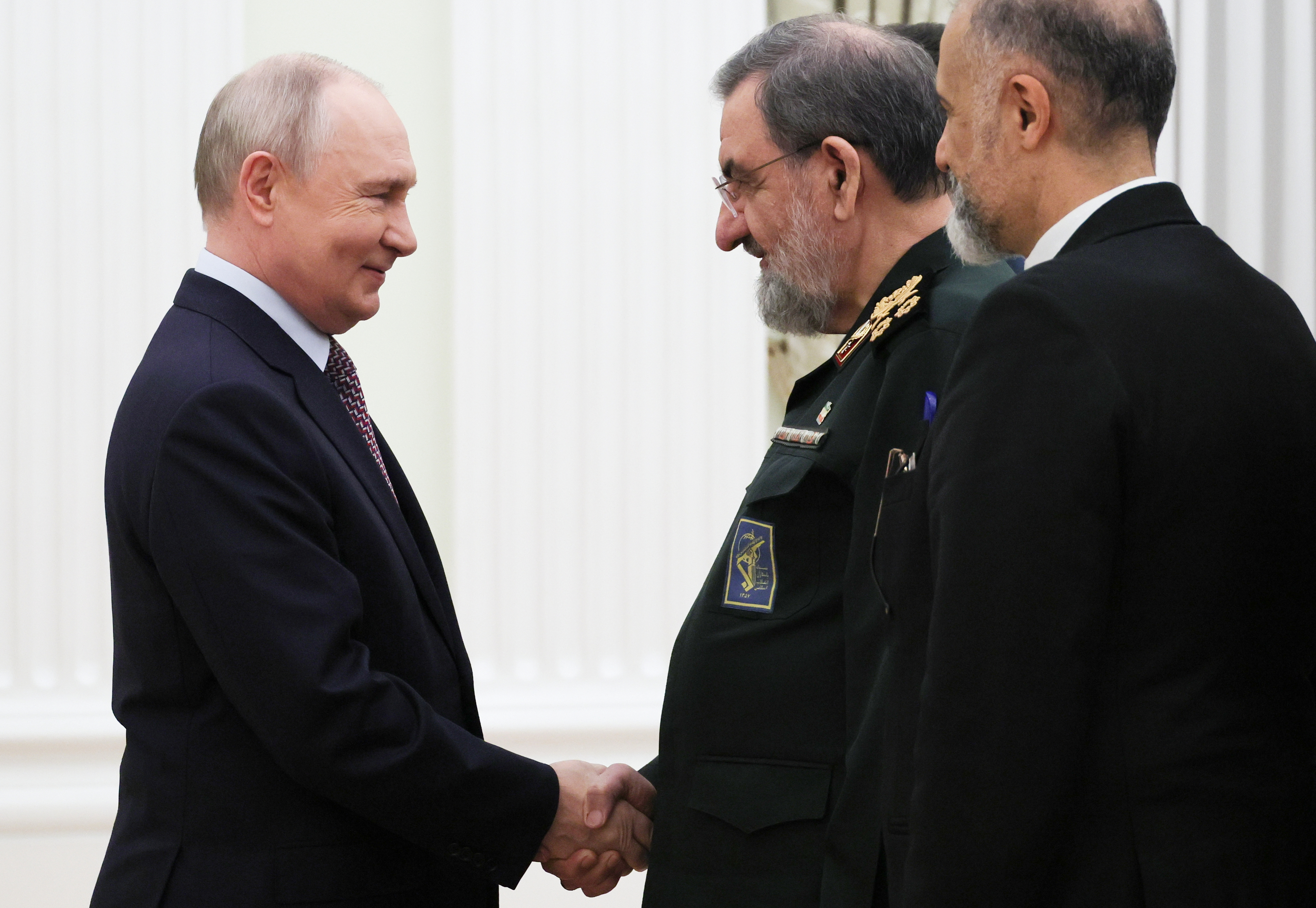
Secretary of Iran's Supreme National Security Council (SNSC) Mohsen Rezaei met Russian President Vladimir Putin in Moscow on Thursday, delivering a message from Iran's Supreme Leader Mojtaba Khamenei.
Rezaei said Putin strongly condemned the US-Israeli war against Iran and expressed his country's readiness to provide any assistance necessary to help bring the war to an end.
READ MORE: US Senate democratic leader says to end Iran war
Iran's Foreign Minister Seyed Abbas Araghchi on Thursday held several phone calls with his counterparts from Oman, Jordan, Qatar, Saudi Arabia, Türkiye, and Kuwait to discuss ongoing diplomatic processes.
During a phone conversation, Araghchi and Omani Foreign Minister Sayyid Badr bin Hamad Al Busaidi stressed the importance of consolidating sustainable understandings to ensure maritime security, end the state of war and prevent renewed confrontations in the region.
In Doha, Qatari Emir Sheikh Tamim bin Hamad Al Thani spoke by phone with Trump on Friday to discuss ongoing diplomatic efforts to ease regional tensions and reach a comprehensive agreement to end the crisis.
To facilitate direct engagement, Iraqi Foreign Minister Fuad Hussein proposed on Friday the establishment of a regional foreign ministers' committee to visit Tehran and Washington to help de-escalate regional tensions and resolve existing differences.
Meanwhile, Egyptian Foreign Minister Badr Abdelatty and his Saudi counterpart, Prince Faisal bin Farhan Al Saud, held phone calls on Thursday and Friday to review joint efforts to defuse tensions, calling for restraint and dialogue to avoid further escalation.
Despite the diplomatic flurry, Iranian officials maintained that progress depends on concrete US actions. SNSC Deputy Secretary Ali Bagheri Kani said Friday that Iran needs to see practical measures by the United States rather than mere "paper commitments," stressing that efforts must be made to make the United States implement Iran's proposed plan for reopening the Strait of Hormuz.
