

From crochet to ancient wellness rituals, a new generation discovers old-school lifestyles, weaving heritage and mindfulness into everyday routines.
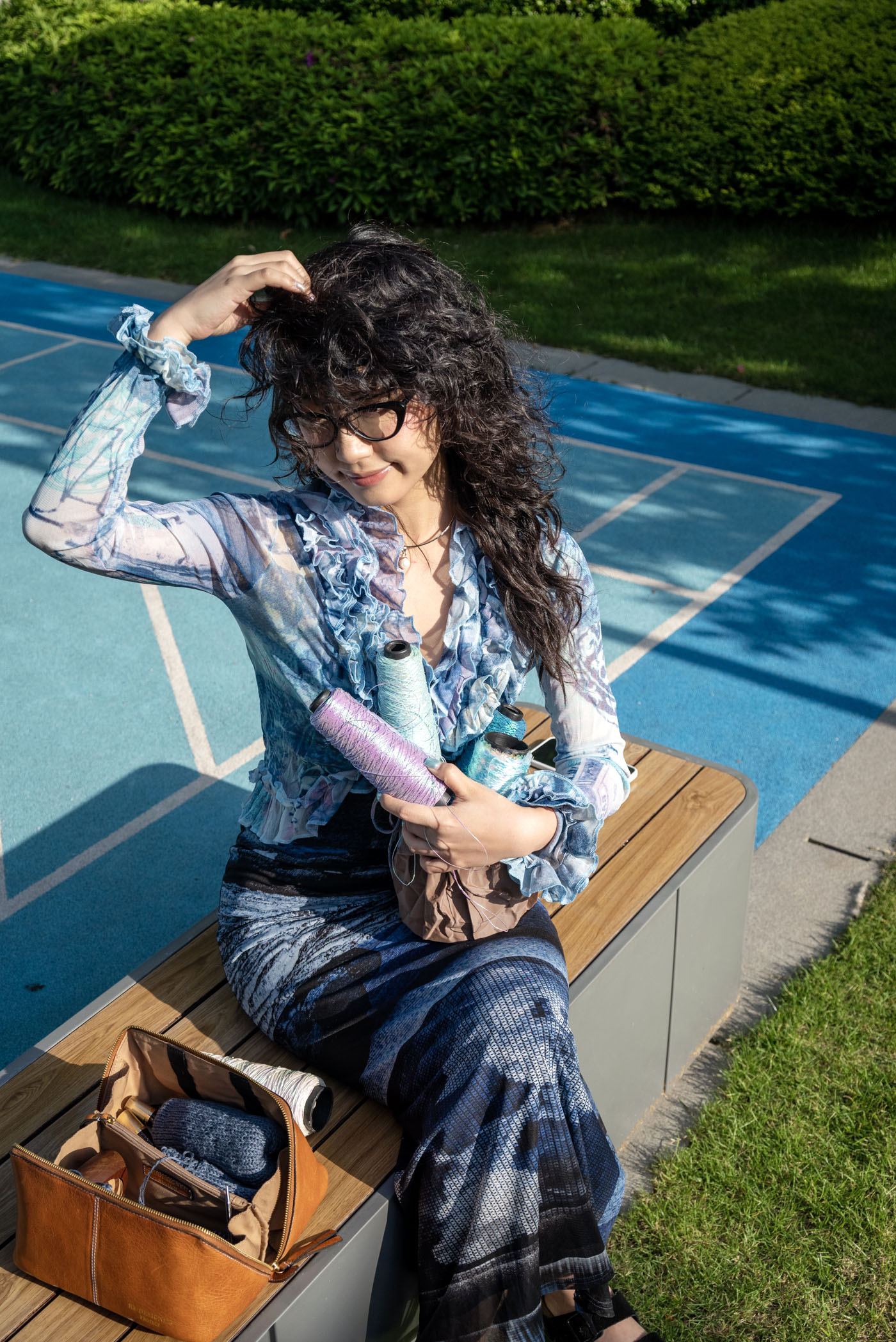
Tulip (pseudonym), based in Hangzhou, Zhejiang province, still treasures her first crochet piece: a navy-blue coaster she made in high school, with guidance from an older friend. What started as a simple hobby seven years ago has since grown into a full-time career.
"The internet moves too fast," she said." People are trapped in constant anxiety. But crochet is inherently slow — it can't be rushed. It's about weaving together fragmented moments, stitch by stitch."
Known by the handle Qingzheng Mozai on social media, Tulip represents a rising wave of young Chinese embracing an "old-school life" as a counterbalance to the relentless pace of modern life. This philosophy encompasses crafts, food, and personal rituals, forming a holistic approach to living.
The scale of this shift is evident in the numbers: a 2025 survey by China Youth Daily found that 89.9 percent of 1,337 young respondents said they liked visiting local food markets while traveling. Similarly, content related to crochet has attracted billions of views across platforms such as Xiaohongshu and Douyin, according to a March report by China News Service.
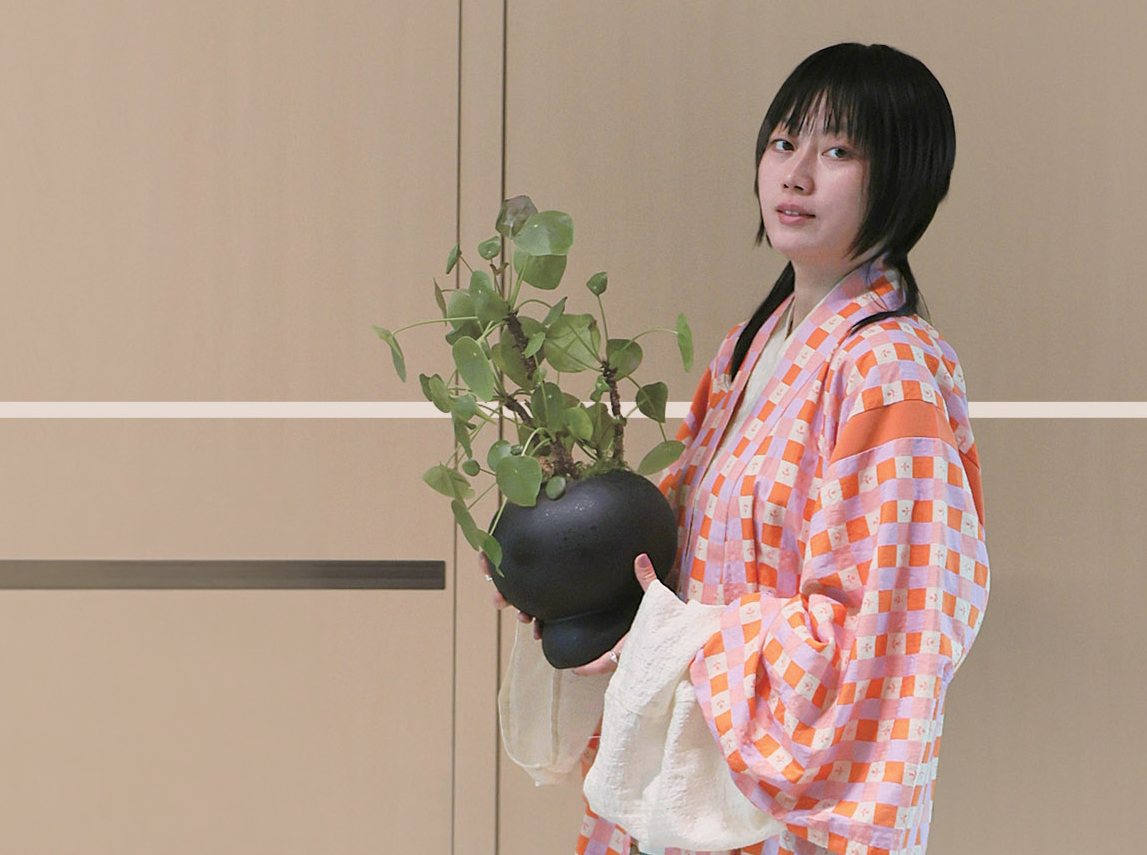
A former fashion design student, Tulip struggled with crochet during her university years, receiving poor grades in related courses. But she didn't give up. She began posting her work online, looking for a community of like-minded people. The support she found there helped her improve, both in her crochet skills and in her understanding of the deeper value crochet brought to her life — a sense of peace.
"I used to fear heavy workloads," she admitted. "But crochet showed me how to take things step by step. No matter how heavy the load, it eventually gets done."
Her passion for crochet even led her to translate a foreign crochet pattern book into Chinese — a task that required not just language skills but also a deep, practical knowledge of the craft, as many international patterns didn't have Chinese editions.
"It taught me to stay true to my own vision," she said.
Embracing wholeness
Food has long been a vessel for memory and connection, a sentiment deeply understood by Huang Chengjuan, the creator behind the Yan Jiu Suo account, and Lu Shi Yue (her social media pseudonym). Both of them cherish the slow, mindful preparation of traditional foods.
Huang, based in Guangzhou, Guangdong province, made a dramatic shift from being a vice president at a gaming company to becoming a full-time food creator after the birth of her son. At that moment, she realized she wanted more than just a career — she wanted to build something that could carry stories and memories.
"I could see exactly what my future would look like," she recalled, recognizing that food offers more than just nourishment — it carries the weight of tradition and shared experiences.
Through her social media platform, Huang shares her journey of researching and recreating traditional Chinese delicacies, bringing ancient flavors back to life for a new generation.
"Young people don't just want to learn how traditional dishes are made," she observed. "They want to understand the culture behind these foods, take what resonates with them, and incorporate the essence of traditional living into their daily lives."
Part of Huang's mindful approach to food includes visiting local food markets, where she shops not just for fresh ingredients, but also for a human connection.
"Chatting with vendors about flavors, origins, and seasonal availability offers a quiet wisdom that you can't find in a shopping app," she said.
Lu Shi Yue, based in Dali, Yunnan province, shares a similar ethos but with a unique twist: her culinary creations are deeply influenced by Chinese literature.
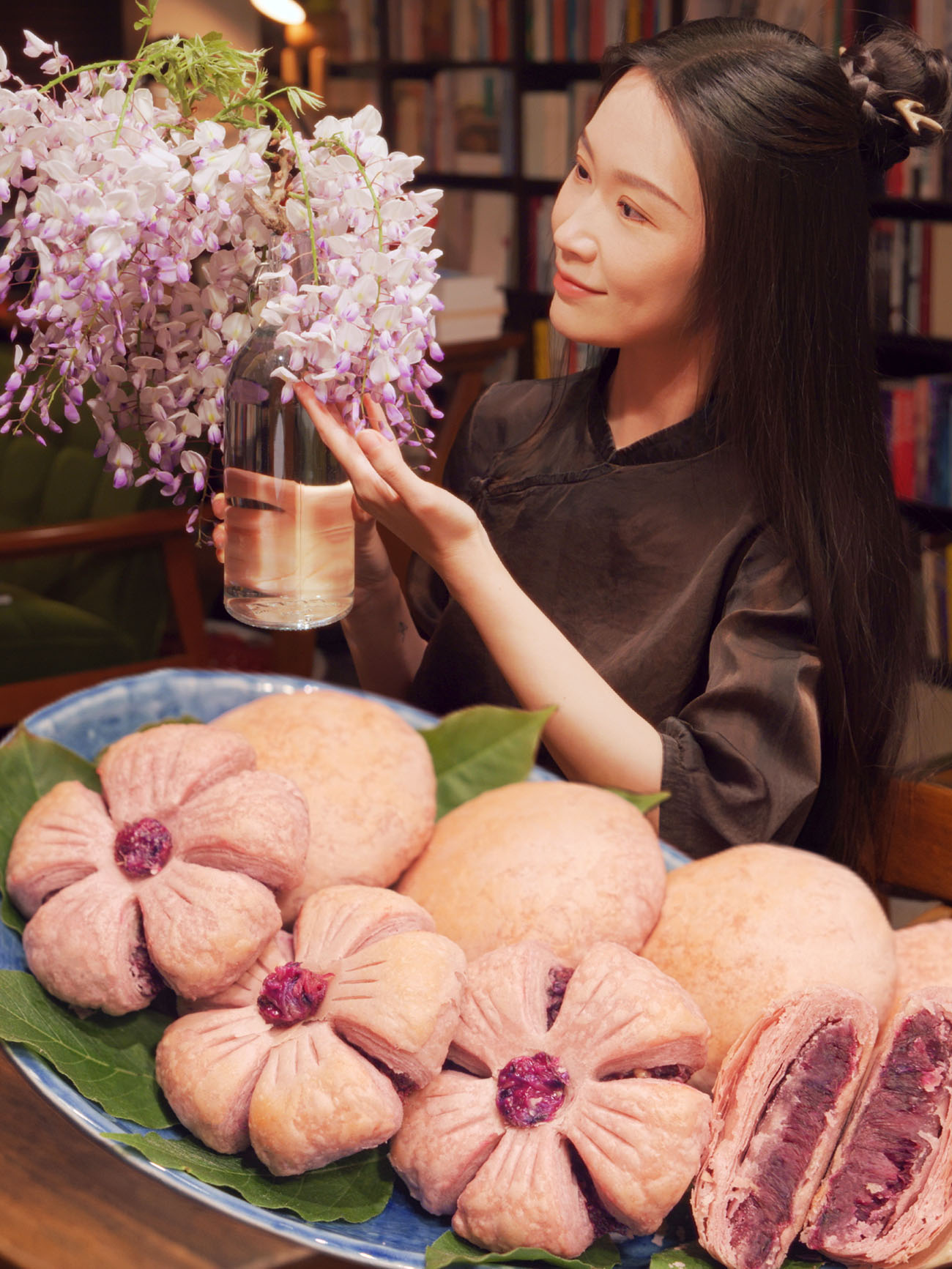
For example, she has recreated wisteria cakes, a pastry filled with wisteria petals that was popular during the Republic of China period (1912-1949) but is rarely seen today. This project, like many others, is part of her exploration of how food intersects with stories and culture.
Lu moved from Beijing to Dali in 2023 in search of a slower pace of life. She soon realized, however, that the real challenge wasn't slowing down — it was confronting the fragmentation that comes with modern life.
"People are constantly interrupted by notifications, short videos, and the endless scroll. That's what really exhausts us," she explained. "What we're seeking is wholeness. When we complete something, whether it's a dish or a book, there's a sense of fulfillment in seeing the whole picture come together."
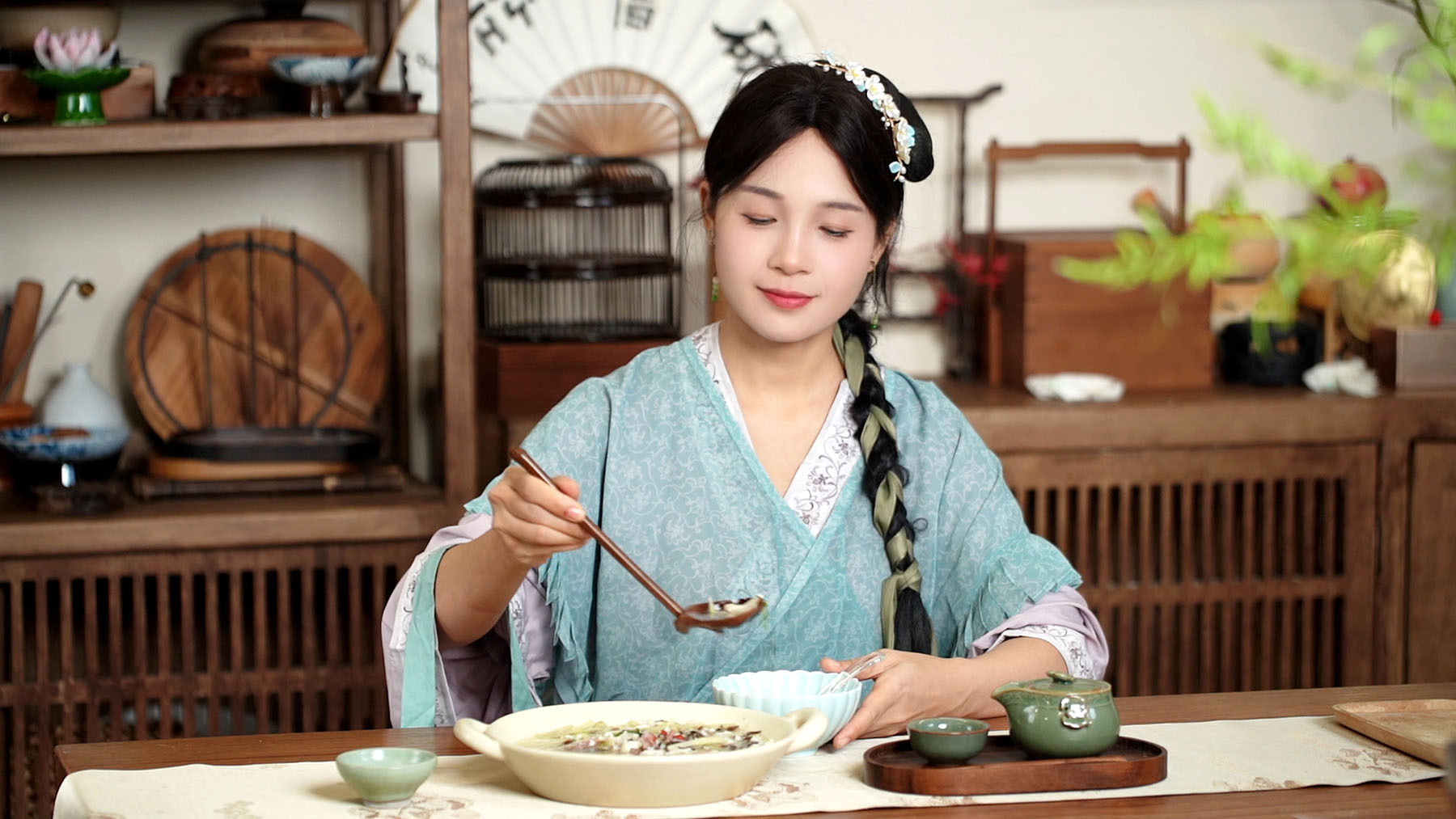
This is why so many of her followers recreate her dishes and engage with her work on a deeper level. They find not only a connection to the past and to literature but also a sense of belonging in the present.
"Wholeness may seem slow, but it's actually the quickest way to recharge," Lu added.
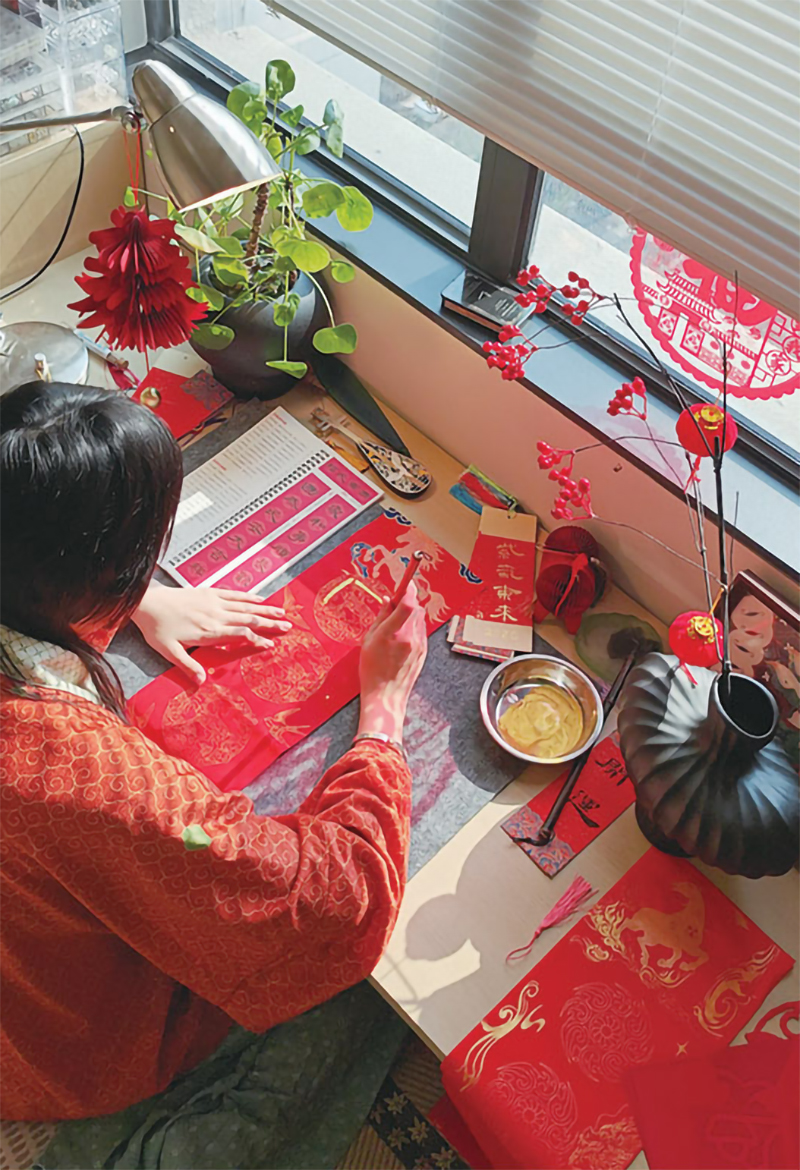
This same philosophy shapes the life of Yang Wenxi, known online as Zhu Le Tang, based in Chengdu, Sichuan province. She has found the power of slowing down through an ancient wellness ritual: bathing.
Yang is passionate about baths to the point that she installed a private one at home. "In an age of constant connectivity, bathing is one of the few things that forces us to strip away everything — clothes, phone, and social roles," she said.
She has since developed a system of slow, body-centered self-care inspired by ancient Chinese wellness traditions. For example, during spring, a season traditionally associated with renewal in traditional Chinese medicine (TCM), she incorporates hair-combing into her daily routine to help support qi, or vital energy.
ALSO READ: Escape the city, embrace shores and slow living
She also revives small, personal rituals, like warming clothes over incense, reconnecting with the ancient wisdom that helps her navigate the stresses of modern life.
In addition to bathing, Yang has also taken up calligraphy, which she said helps her "switch my racing mind into energy-saving mode".
"When we write, take baths, burn incense, or simmer soup, we use these 'slow motions' to recalibrate a rhythm that's been disrupted by fast-paced life," Yang explained.
She has also noticed that when young people like her turn to older lifestyles, it's not about trying to relive the past. "We're simply borrowing wisdom and strength from them to make our present lives more comfortable — and more truly our own," she said.
Contact the writers at xiongxinyi@i21st.cn
