

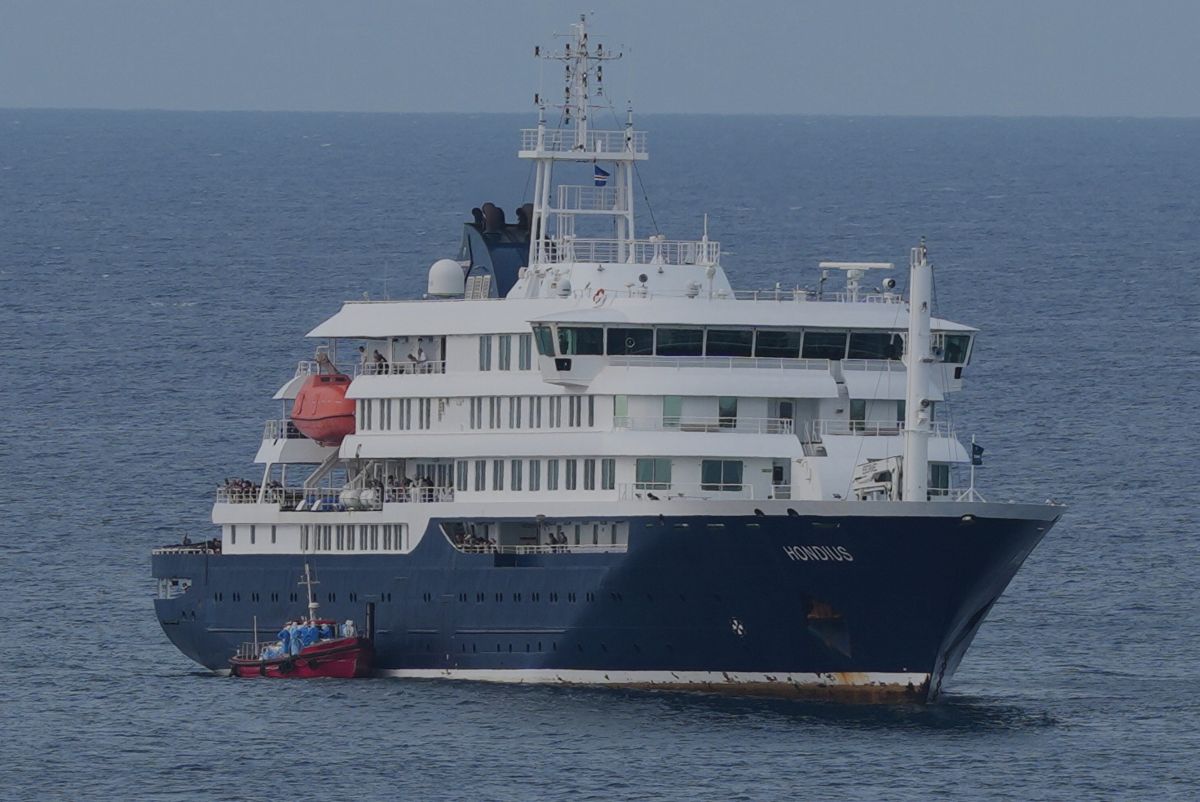
Hong Kong’s health authorities have proactively sought more information from the World Health Organization on an outbreak of a deadly hantavirus strain, which has already claimed the lives of three people on a cruise ship in the Atlantic Ocean.
In total, five people have been confirmed to have contracted the virus aboard MV Hondius after the vessel departed from Argentina on April 1, with another three suspected cases, according to the WHO.
Different from coronavirus, hantavirus is usually spread by rodents but can in rare cases be transmitted person-to-person, WHO experts said, adding that the risk to the general public is low even if the Andean strain of the virus, found in several victims, can in rare cases be transmitted among humans.
“According to the information provided by the WHO and the relevant health authorities, it has been confirmed that there are no Hong Kong residents on the cruise ship in question,” the Centre for Health Protection of the Department of Health said in a statement on Thursday evening.
As of Wednesday, no cases of hantavirus infection have been reported in the city this year. Over the past five years, an average of zero to two cases of hantavirus infection have been recorded annually in Hong Kong, the CHP added.
Based on the WHO's current assessment, the risk to global health posed by the incident is low. As a precaution, the CHP has distributed the latest health information and guidelines to the travel industry.
RELATED ARTICLES
- Countries worldwide track passengers of hantavirus-hit cruise ship
- Hantavirus evacuees reach Netherlands as cruise ship sails for Canary Islands
- S. Africa: Hantavirus strain transmissible between humans found in 2 cruise ship patients
At the immigration level, the CHP will continue to conduct health screenings for arrivals at all boundary control points and perform health assessments on individuals with a fever, referring relevant individuals to hospitals for medical examinations as needed, it added.
Pointing out that hantavirus infection is a statutory notifiable disease in Hong Kong, Controller of the CHP Edwin Tsui said all doctors must notify the CHP of any suspected or confirmed cases of hantavirus infection, enabling the CHP to initiate epidemiological investigations and implement prevention and control measures.
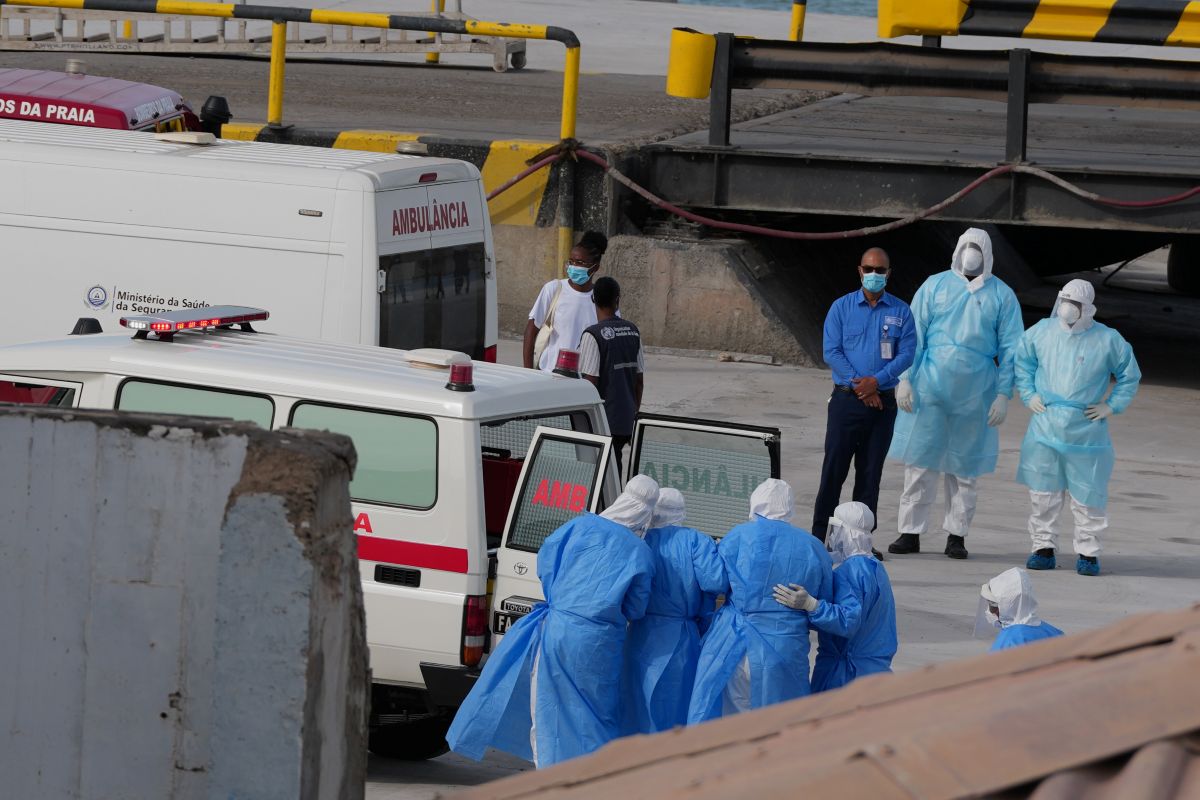
Hantavirus is primarily transmitted through direct contact with the feces, saliva or urine of infected rodents or by inhaling the virus in aerosolized particles of their excreta. Other routes of infection include being bitten or scratched by infected rodents, eating food contaminated with the virus and touching the eyes, nose or mouth without washing hands after contact with contaminated objects.
According to the CHP, diseases in humans caused by hantaviruses can be broadly classified into two categories – hemorrhagic fever with renal syndrome and hantavirus pulmonary syndrome. The incubation period for hantavirus is generally two to four weeks, but can be as short as one week or as long as eight weeks.
Depending on the category of infection, symptoms may include fever, intense headache, muscle ache, back pain, abdominal pain, nausea, vomiting, diarrhea, fatigue and blurred vision. Severe cases may present with respiratory symptoms, low blood pressure and acute kidney failure, the CHP said, adding the fatality rate of the disease can be as high as about 40 percent.
“There is currently no vaccine to prevent hantavirus infection. Treatment primarily consists of supportive care,” it said, advising the members of the public to seek medical attention early.
