

Young birdwatchers across China are turning a traditional hobby into a path toward discovery, connection and environmental protection.
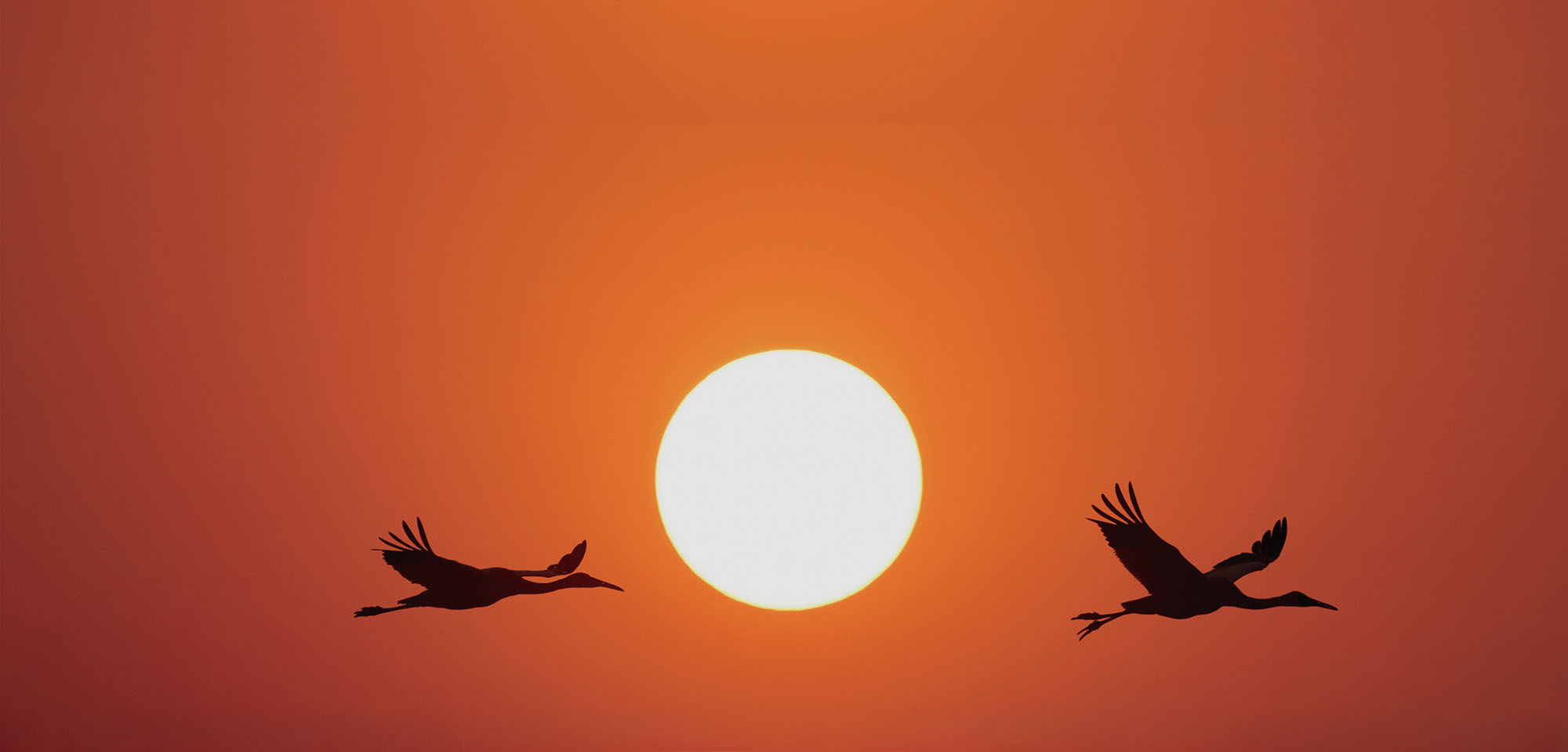
One winter afternoon in late 2024, Yang Tianyi and his father headed to Chenhu Wetland Nature Reserve in Wuhan, Hubei province, in search of greater flamingos.
After setting up his camera, Yang focused on a group of waterbirds resting in a sunlit stretch of wetland, with lush grass in the background. Suddenly, another bird flew into the frame. Yang pressed the shutter, zoomed in — and froze. It appeared to be a species he had never seen in Wuhan before.
After consulting reference materials and bird experts, Yang learned that it was a Saunders's gull. The sighting added Saunders's gull to Wuhan's bird list as its 472nd recorded species, with Yang and his father credited with the discovery.
READ MORE: 'Citizen scientists' map China's avian landscape
"We were so excited," recalled Yang, now 16. "We hugged on the riverbank, and I even cried."
In a city of more than 10 million people, a high school student had helped add a new species to the local bird record. The moment also reflected a broader shift: birdwatching in China, once widely regarded as a hobby for older generations, is increasingly attracting younger enthusiasts.
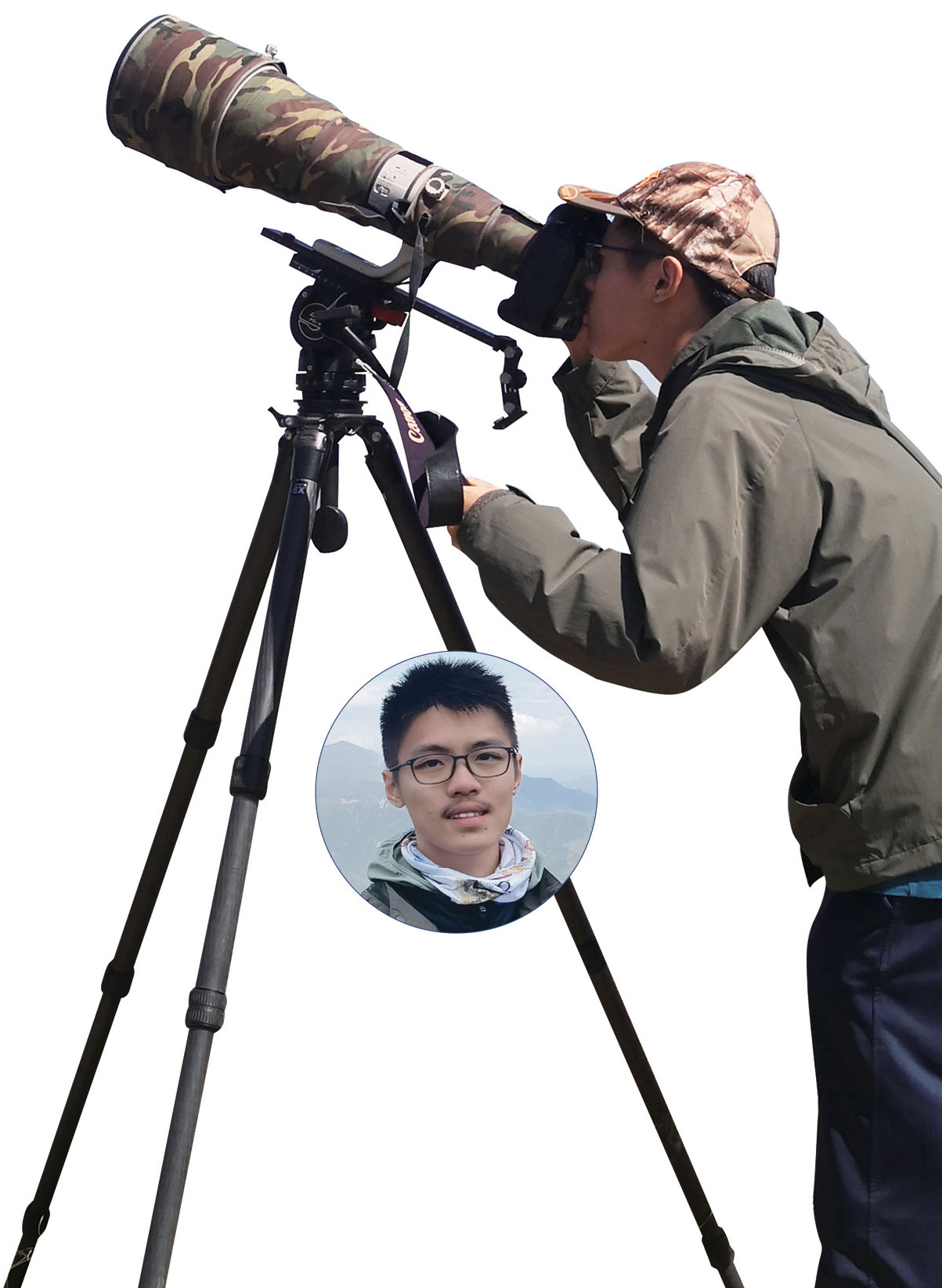
According to a report by Chinese social media platform Xiaohongshu, the number of birdwatching-related posts rose by 115.2 percent in 2025, with users around the age of 25 driving much of the growth.
Yang was introduced to birdwatching by his father, an experienced birder with nearly two decades of experience. Since early 2025, Yang has recorded 274 bird species across China.
"Birdwatching makes my daily life more interesting," he said. During breaks between classes, he watches sparrows, listens for bird calls and gets excited whenever a bird of prey passes overhead.
In search of rare species, Yang often travels to remote areas. The early mornings and physical demands were difficult at first, but even a brief encounter with a bird he has been hoping to see gives him a strong sense of achievement.
"Birdwatching requires patience and luck. It has made me more resilient and focused, and those qualities also help me in my studies and daily life," he said.
While Yang actively travels in search of rare species, Wang Yin, 34, has woven birdwatching into the quieter rhythms of everyday life. Wang, a Xiaohongshu blogger who shares her birding experiences online, said the hobby has gradually changed the way she sees the world.
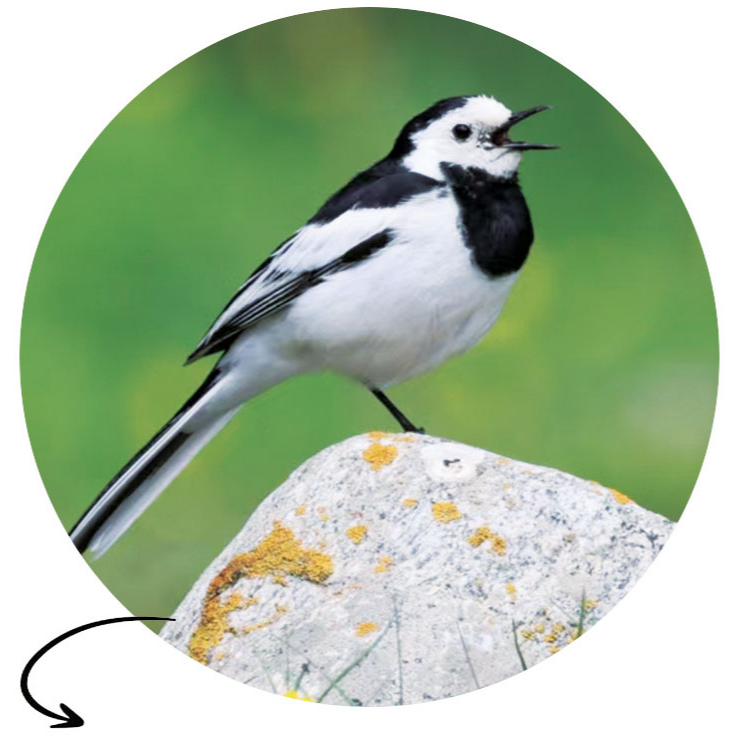
She took up birdwatching almost by chance in 2020 while living in Shanghai. After frequently spotting black-crowned night herons and little egrets near the water, she began observing them through binoculars.
Over time, birdwatching became an emotional refuge. "When I feel lonely or go through a difficult period, birdwatching gives me somewhere to turn," she said. "Even an ordinary workday feels different if I go to the park and see familiar birds or discover something new."
Her pinned post on Xiaohongshu reads: "Take what nature gives you, and feel it."
This year, Wang moved to Nanning, Guangxi Zhuang autonomous region, one of China's richest regions in terms of bird diversity.
"The forests in Guangxi are denser and more humid," she said. "Everything feels wilder, and there are many more species to discover."
Wang now works at Qingxiu Mountain Scenic Spot in Nanning. One evening in June, while walking home from work, she followed a faint call and spotted three Asian barred owlets resting on a branch at dusk.
When she returned the next morning, they were gone. "It felt like a dream," she recalled.
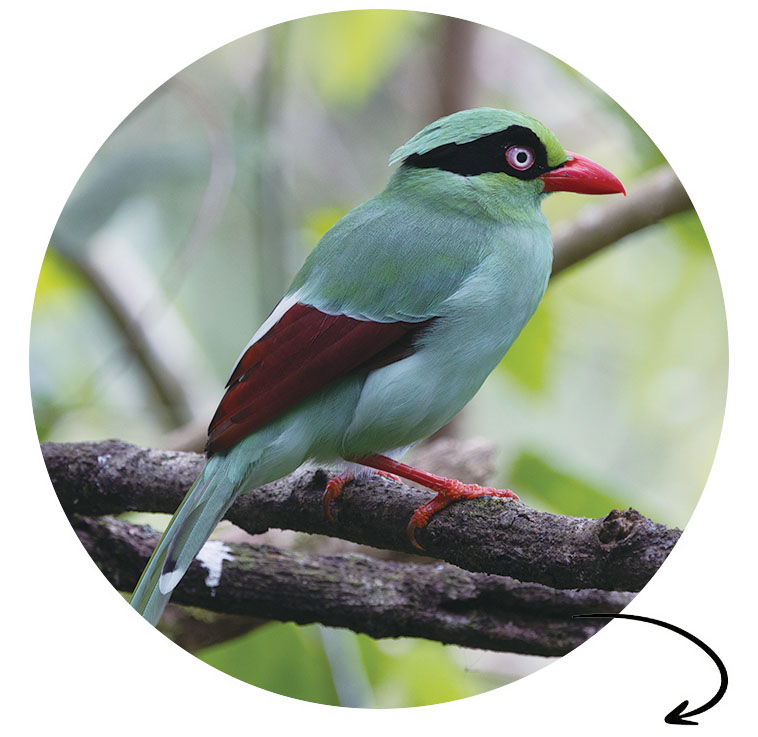
Wang said one of the most important birdwatching skills is learning to identify birds by sound, while also understanding their habits, migration patterns and behavior.
"It requires knowledge built up over a long period of time," she said.
Over six years, Wang has recorded 340 bird species. She said the figure is not particularly high compared with those of more active birders, especially younger enthusiasts.
"Many beginners are highly energetic," she said. "Some record hundreds of species in a short time and go birdwatching every few days — even at night."
For Wang, however, birdwatching is not about speed. She prefers to carry binoculars with her and allow encounters to unfold naturally during work, travel or an ordinary walk.
"You can keep birdwatching your whole life — maybe until you're 70. It gives me another window through which to understand the world," she said.
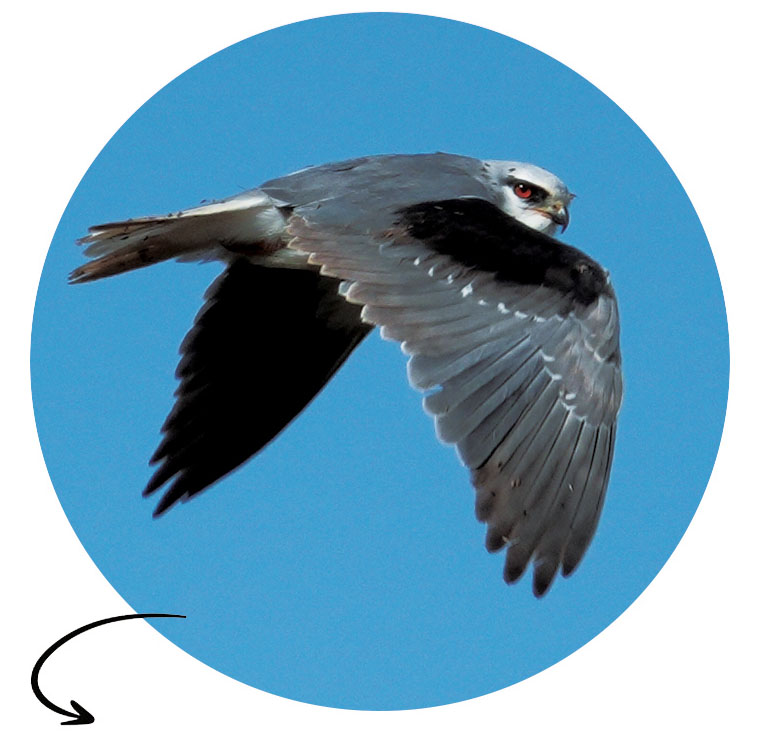
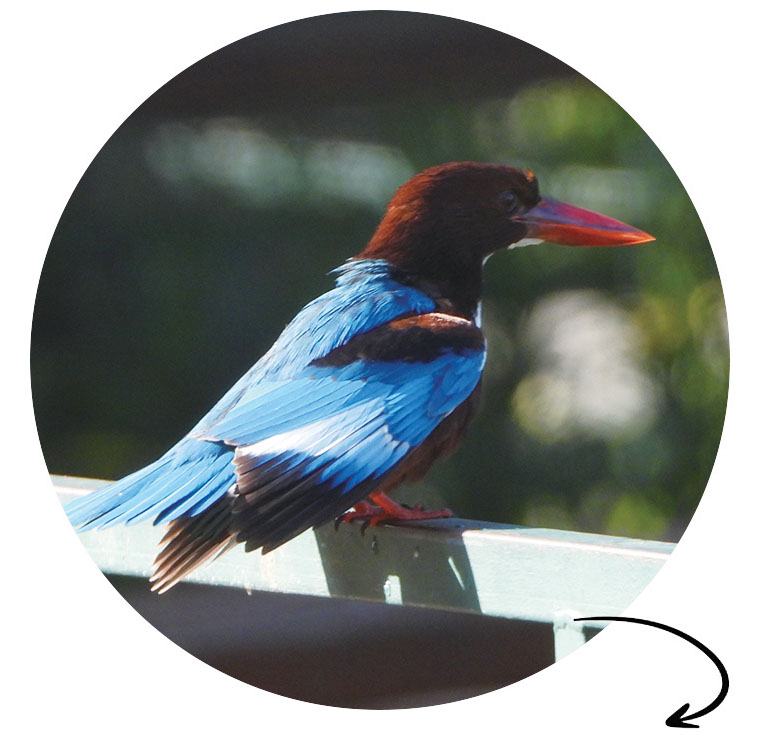
Watching turns active
For some birders, observation eventually leads to a more direct question: what can they do to protect the birds they have learned to notice?
Zhao Sifan's path into birdwatching began not with a rare sighting but with injured birds lying beneath glass buildings.
In May last year, he encountered a migrating blue-and-white flycatcher that had struck a glass surface and fallen onto the grass with minor injuries. With remote guidance from bird experts, he carefully placed it on a nearby branch to protect it from stray cats. About two hours later, it recovered and flew away.
For Zhao, a community marketing professional based in Shanghai, it was the first time he had observed a bird so closely. The encounter gave him a direct understanding of the impact of bird-window collisions.
Bird-window collisions occur when birds strike glass buildings. Because glass reflects the surrounding environment, birds may mistake it for open space and fly into it, Zhao explained.
As part of a citizen science project, Zhao regularly inspects buildings for injured or dead birds and records bird activity in the surrounding area.
This year, he moved from observation to action. Zhao launched a citizen science program in his community and invited residents to take part. Using the data they collected, the team installed bird-safe dotted films on windows and worked with ecological artists to create painted designs, combining scientific measures with public education.
He also co-founded Wildlight Studio with friends, organizing birdwatching trips and citizen science activities.
"Through these initiatives, we hope to raise awareness of nature and environmental protection, especially among children," he said.
During a recent outing at Shanghai Expo Culture Park, Zhao led a group of 15 participants, around 90 percent of whom were between 20 and 30 years old. He said the group reflected a clear generational shift in attitudes toward birdwatching.
"Older birders often focused on capturing perfect photographs, sometimes even feeding birds mealworms to get close-up shots," he said. "Younger birders tend to show respect for nature and follow ecological principles."
Yang, too, has moved beyond observation. He assists his father with waterbird monitoring, recording breeding conditions and population changes. He also takes part in volunteer efforts to remove illegal bird nets and protect bird habitats.
Earlier this year, he found a bird net near a village with five or six dead birds trapped in it. He immediately reported it to a local birdwatching association, which organized a cleanup.
ALSO READ: Living with nature in Metog
"After I reported it, my luck seemed unusually good," he said. "Within 20 minutes, I saw four species of raptors, even though it wasn't migration season. It felt as though good things happened after I did the right thing."
For Yang, birdwatching is no longer simply about adding species to a list. He often quotes the late British primatologist Jane Goodall: "Only if we understand, can we care. Only if we care, will we help. Only if we help, we shall be saved."
"Birdwatching will be a lifelong hobby for me," he said. "I also hope to do more to help birds live better lives."
Contact the writers at mengwenjie@i21st.cn
