

As more and more Hong Kong schools begin to appreciate its benefits, theater in classrooms is being seen as not just an effective learning aid but also as a way to inspire creative agency in young people. Faye Bradley reports.

Picture this: A Form Two student is tasked with defending a controversial choice that questions his sense of loyalty. “I would never betray my friend,” the student says. His words prompt some of his classmates, also role-playing, to take sides in the debate. The teacher intervenes only to prompt reflection: “What does loyalty really mean?”
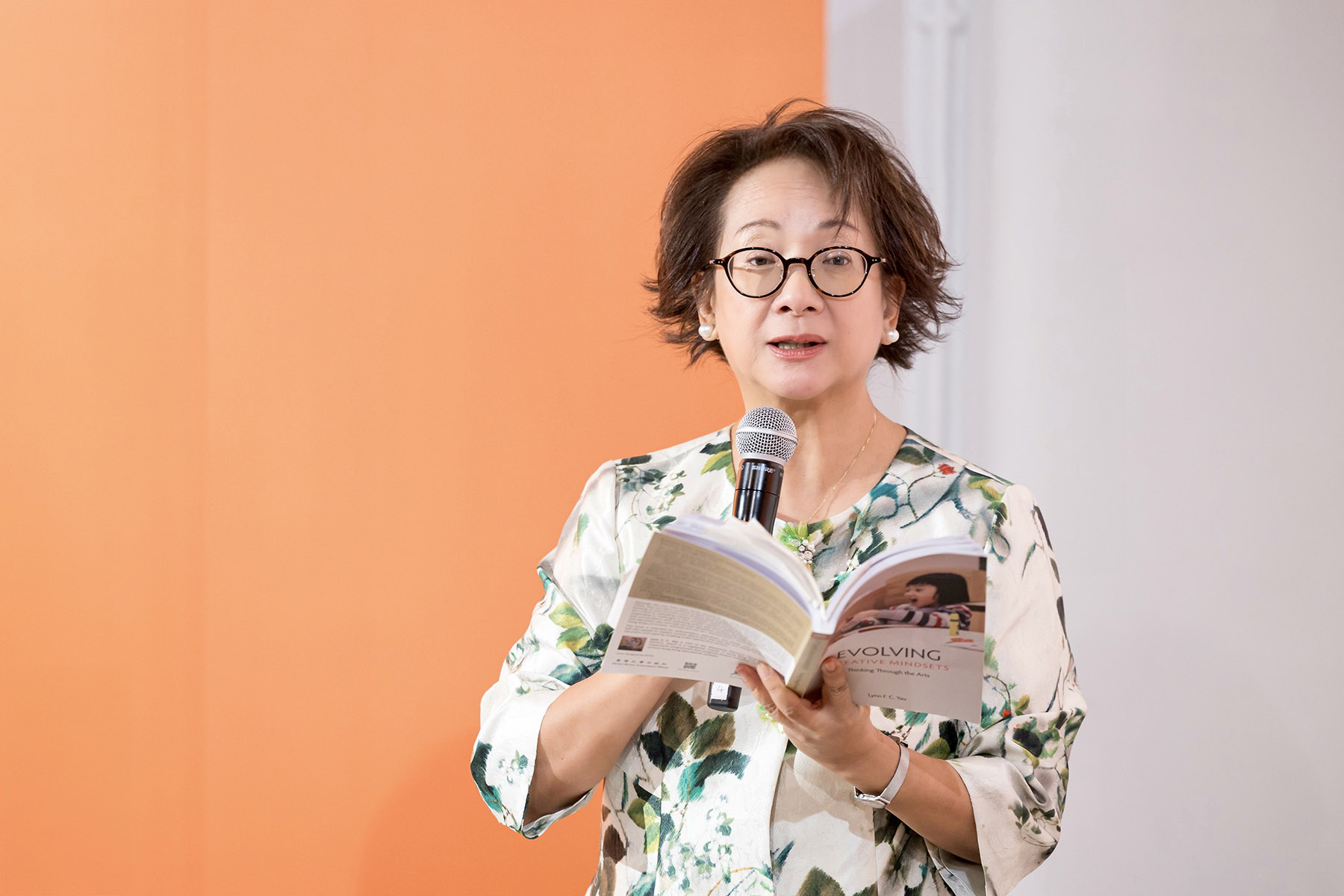
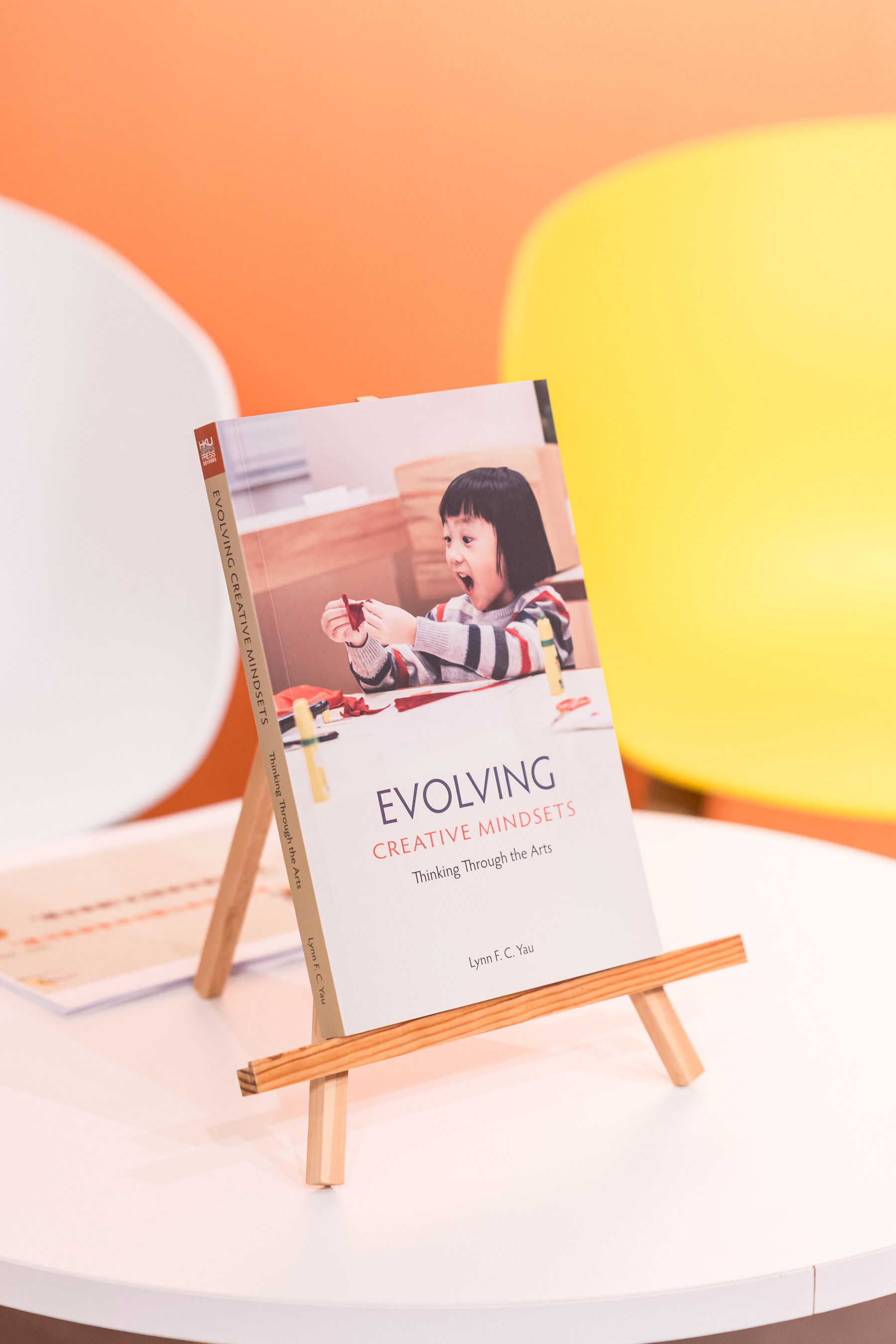
This could be a scene at one of the numerous theater-in-education workshops designed by Lynn Yau, CEO of Absolutely Fabulous Theatre Connection (AFTEC). Her book, Evolving Creative Mindsets: Thinking through the Arts, challenges the idea that people are born creative.
Yau’s thesis is based on a close study of Hong Kong classrooms where theater serves as a powerful tool, inspiring young people to exercise agency in creative ways. Over the past 20 years, AFTEC has worked with hundreds of schools, incorporating drama into literature and science lessons.
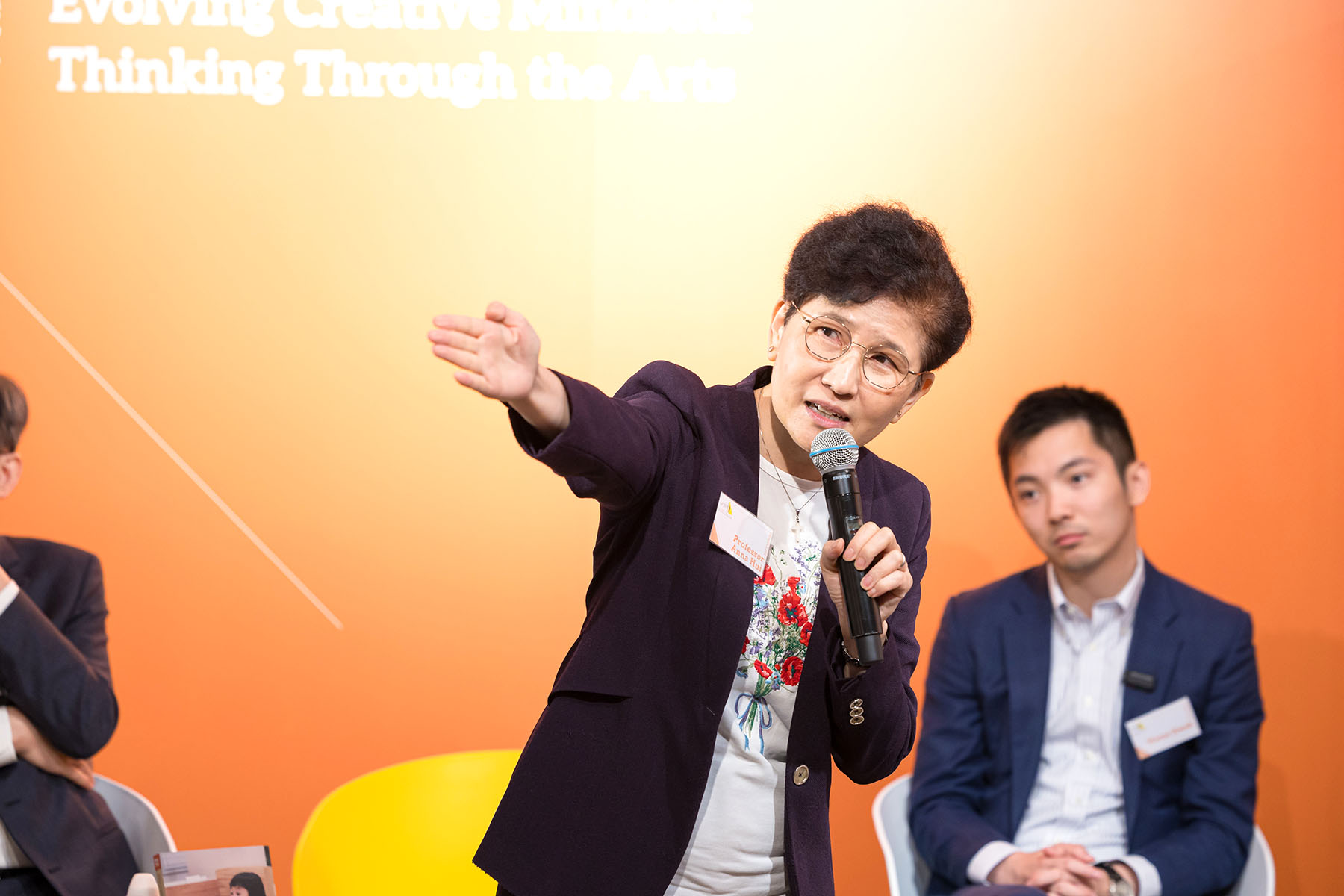
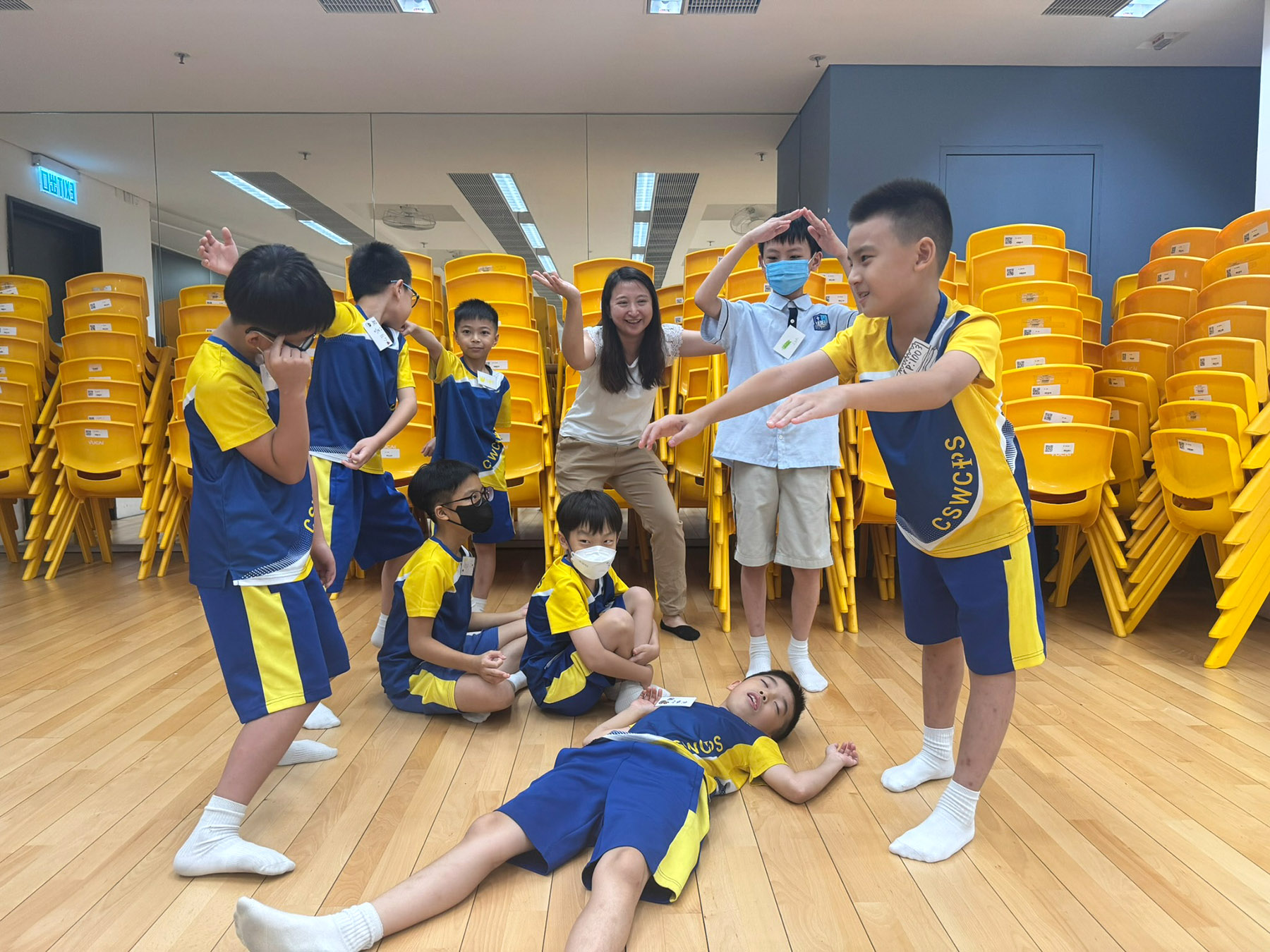
Bringing theater into the classroom has its proven benefits — it helps accelerate the learning process and improves retention. Anna Hui, an associate professor at the Department of Social and Behavioural Sciences at the City University of Hong Kong (CityU), says that “activities like role-play can be easily integrated into a wide range of subjects like science and the visual arts,” simultaneously activating the use of language, movement and imagination. In an environmental science class, for example, students can assume the roles of developers, policymakers, and local residents debating a coastal reclamation project. Through role-playing they can get a feel of negotiating trade-offs, defending their positions, and coming up with quick responses in real time.
The expansion of AFTEC’s reach mirrors a broader shift in arts education thinking in the city. “Initially, our focus was on the obvious gaps,” Yau says, referring to school systems that are focused on results rather than fostering curiosity and/or offer course material that rarely inspires exercising agency or opportunity for reflection. Based on extensive research, the AFTEC team has designed “a navigable, evidence-based road map” of learning to aid the process of holistic development of students.
Theater as human technology
Lindsey McAlister, founder of the Hong Kong Youth Arts Foundation (HKYAF), agrees that in Hong Kong, the idea of bringing theater into the classroom has gained ground in recent years. “Schools today see theater less as an extra and much more as a tool for cultivating well-being, empathy and real-world learning,” she says. “The biggest shift is that theater is being seen as a holistic way to support young people as human beings — emotionally, socially and creatively, with mental health now an explicit part of the conversation.”
Hui agrees. Since the COVID-19 pandemic, classrooms hosting theater workshops double up as sites of caring — “providing a secure haven for students to explore their emotional states”, she says.
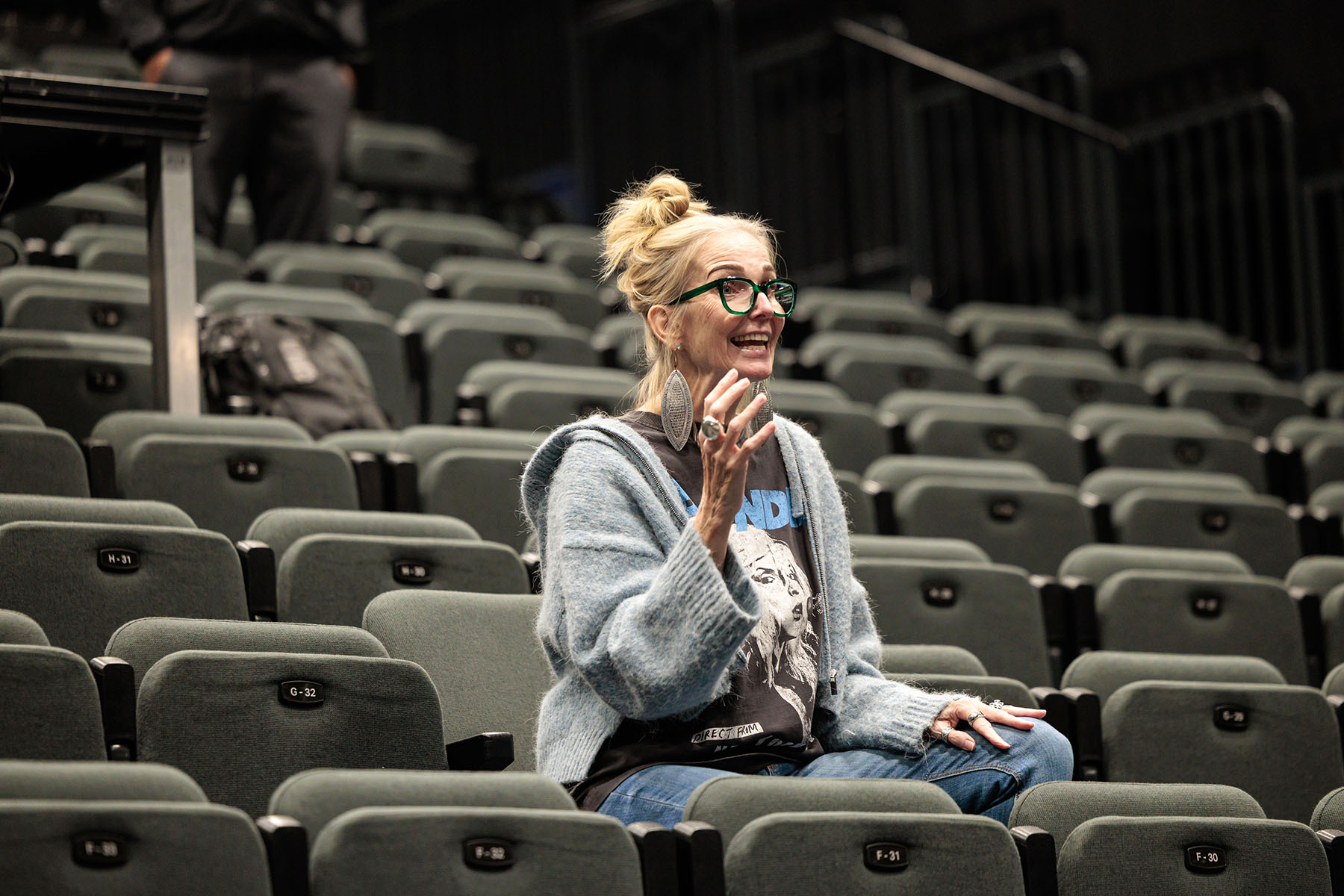
School productions are beginning to look different as a result. “Instead of focusing only on polished, scripted productions, schools are increasingly embracing devised theater, multimedia and cross-disciplinary projects,” McAlister says, adding that student productions nowadays often include film, and sound and visual art installations. “There is also much greater awareness of diversity and student voice. Schools are more willing to question whose stories are told on stage, inviting young people to co-create work that reflects their own identities and concerns, and address social themes that matter to them and their communities.”
Based on her experience of running theater workshops in Hong Kong schools for more than three decades, McAlister observes that younger children engage in theater-based learning instinctively, gaining confidence, language, and social skills when presented with a structure and imaginative freedom. Teenagers, on the other hand, are more self-conscious and anxious about being judged, and hence benefit from spaces that treat them as co-creators, support critical thinking, and encourage application of emotional intelligence.
Measuring what matters
The trend of incorporating creative exercises in the school curriculum began in Hong Kong in the early 2000s.
The benefits, however, have been slow to materialize, according to Hui. The CityU academic reminds us that Hong Kong’s performance was less than ideal in the 2022 Programme for International Student Assessment — an internationally syndicated triennial assessment system that tests 15-year-olds on their proficiency in science, mathematics and reading. “It may have implied that developing students’ creativity might only be a slogan and we are just paying lip service to it.”
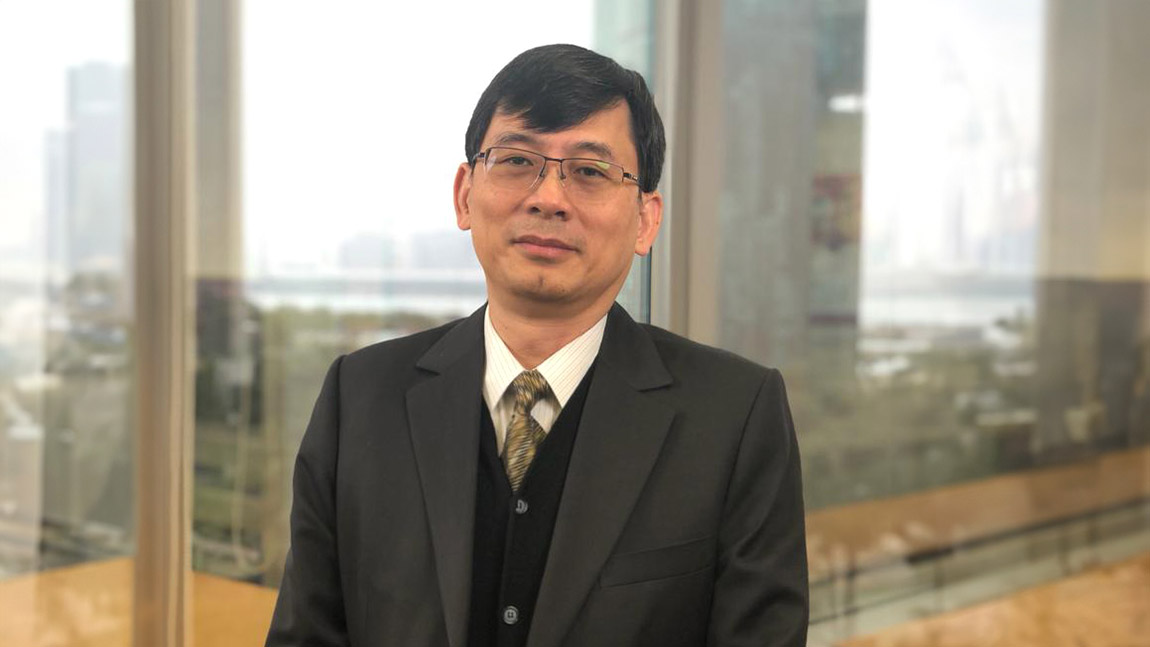
However, Robert Li, an independent evaluator who works with AFTEC on projects like the Jockey Club Arts-based Cross Curriculum Creative Learning Project, says that rather than a one-off test result, he would trust “sustained patterns of behavior”, key indicators being the assessed student’s aptitude for risk-taking, collaboration, self-reflection and empathy, as well as whether they are able to make use of the knowledge gained in other areas of their lives.
“Evaluators can responsibly capture the long-term impact of creative learning by focusing on patterns of change over time and using evidence from multiple sources, rather than drawing conclusions based on simple test scores,” Li says.
Learning from professionals
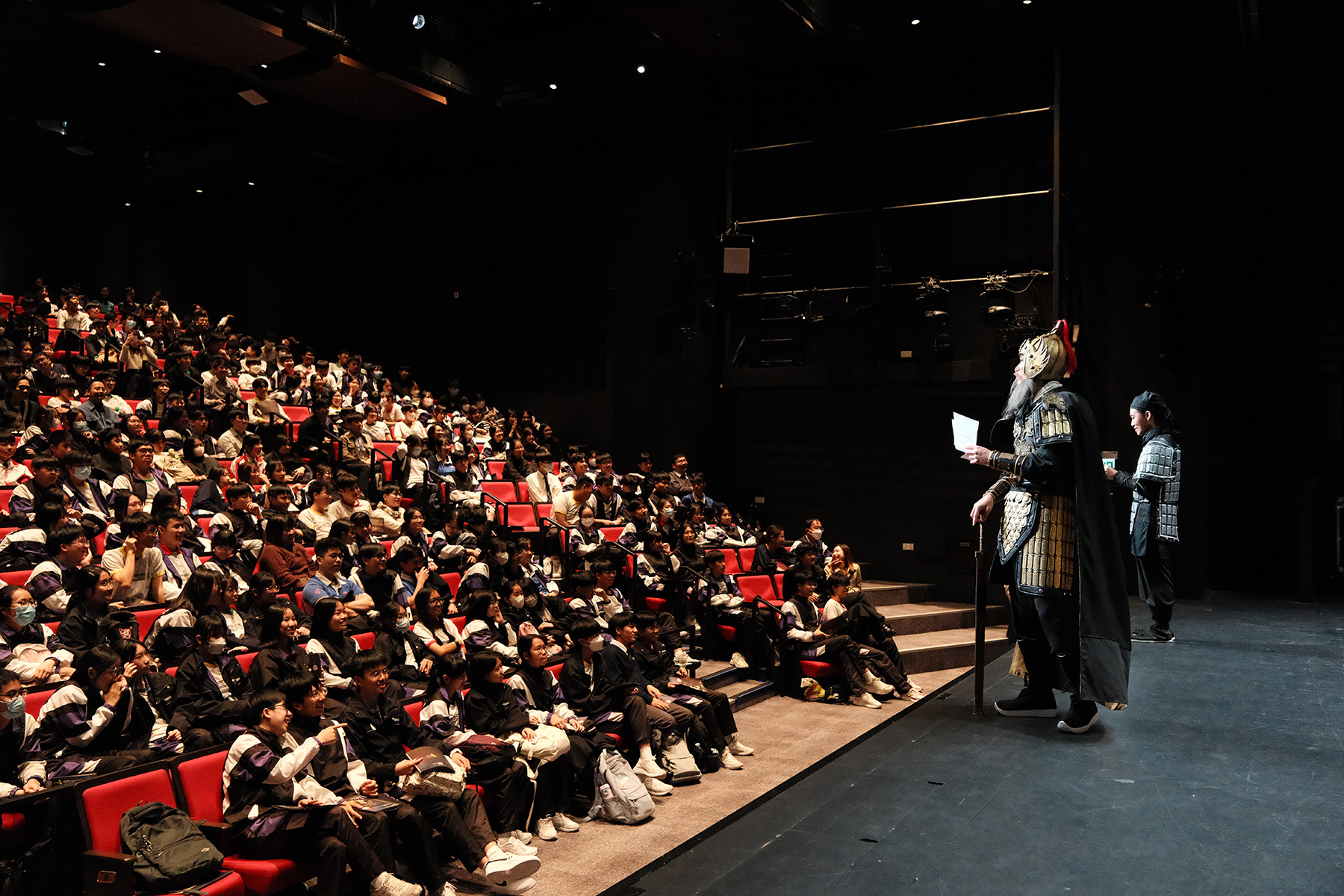
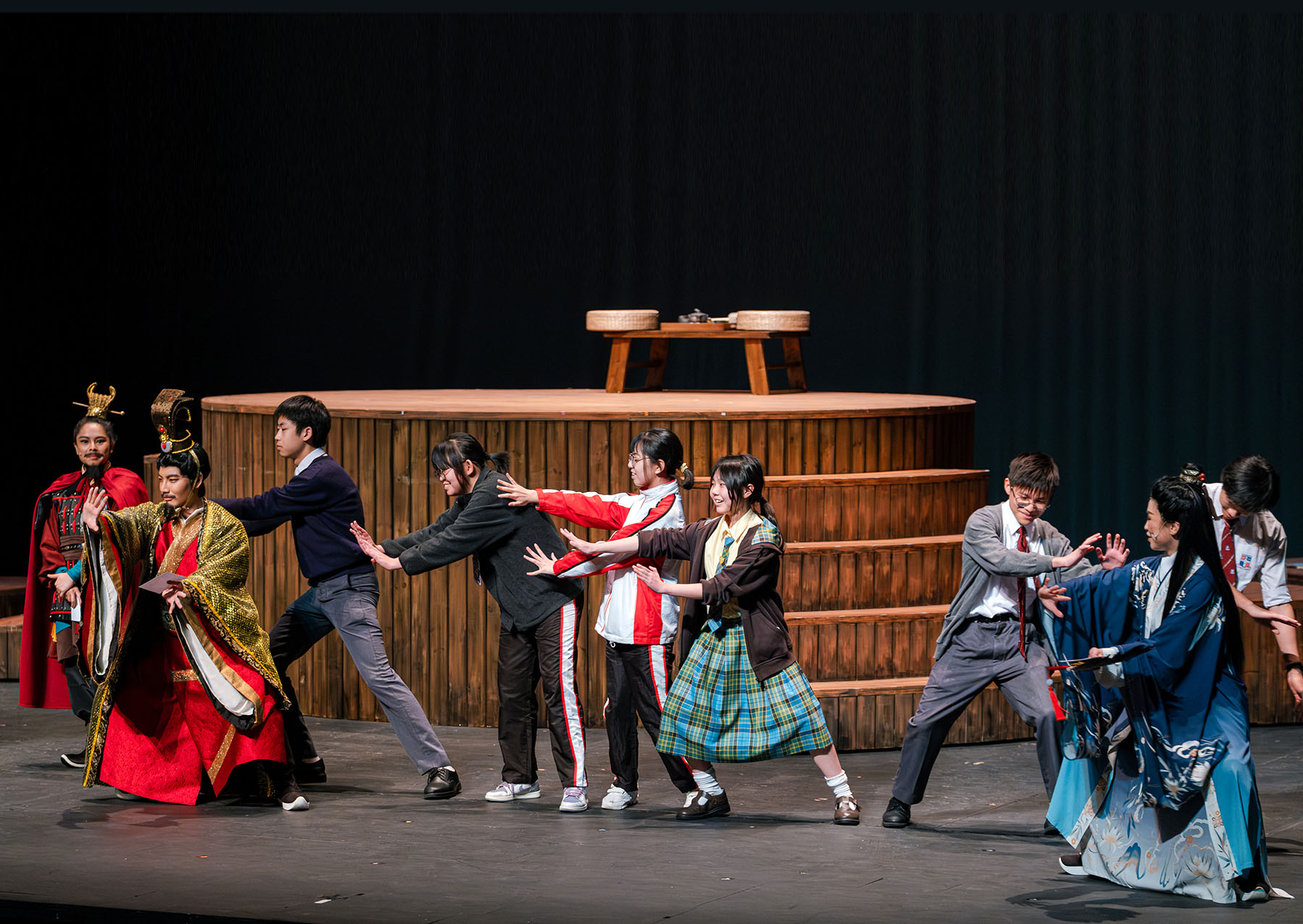
Besides HKYAF, a number of other Hong Kong institutions make theater with school students. Since 2009, the AFTEC-hosted From Page to Stage — a workshop-based theater-in-education project involving secondary-school students leading to stage performances — has seen the participation of over 130,000 students from 244 secondary schools, i.e., 52 percent of the total number of secondary schools in Hong Kong. A whopping 90 percent of the students surveyed said that they understood the themes of the stage adaptations, while 81 percent found theater to be a practical learning tool.
AFTEC’s upcoming production, Taming the Dragon, is based on the 14th-century classic Chinese novel The Romance of the Three Kingdoms. The show will travel to schools, offering workshops so that students can stock up on their knowledge of Zhuge Liang’s (181-234) rise as Liu Bei’s strategist and the latter’s fateful Northern Campaign in the lead-up to the end of the Three Kingdoms period.
Hong Kong Repertory Theatre’s Education Hub runs a range of drama courses and workshops for different age groups, including kindergarten-age children. The company’s educational theater program involves school visits to raise awareness, about climate change, for example, by staging a tailor-made piece or two. Alice Theatre Laboratory has developed workshop-based programs to spur the interest of school students in history and classic Chinese literature, adapting poems or historical events into scenes to be enacted by students.
Meanwhile, the Hong Kong Arts Festival’s Young Friends program supplements classroom learning through theater by offering subsidized tickets, backstage tours, and workshops with professional performers and production teams to school groups.
Theater, policy and the future city
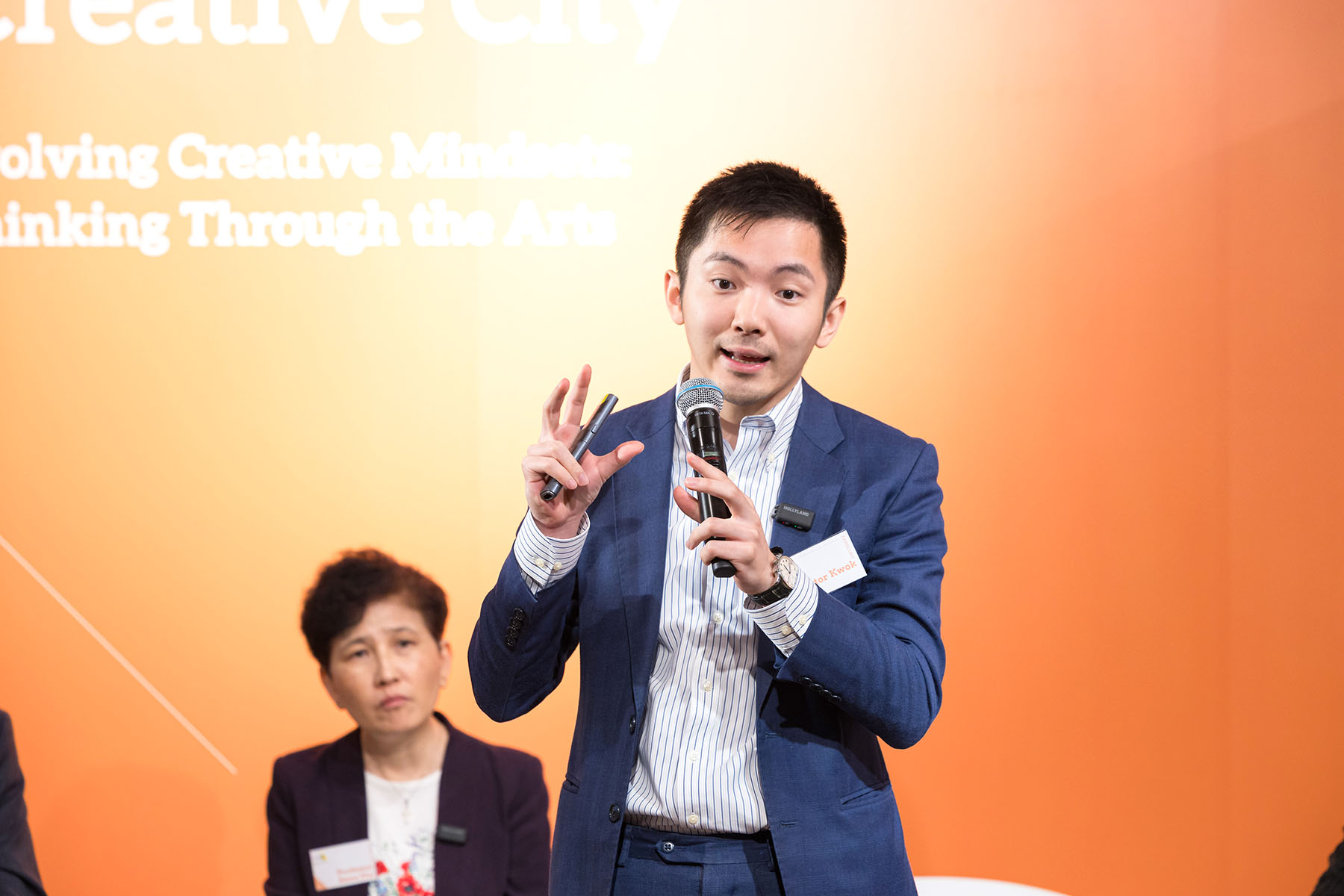
Victor Kwok, deputy director of research at Our Hong Kong Foundation, says that theater education is especially significant owing to the unstoppable rise of artificial intelligence (AI). “Cultivating uniquely human capabilities is the key to differentiating talent when machines can perform most routine cognitive tasks,” he says.
He points out that “the Hong Kong Diploma of Secondary Education curriculum remains highly subject-segmented and encourages rote learning,” relegating creative-art disciplines to optional subjects.
Kwok has a ready solution toward bringing about structural changes. “A dedicated, cross-sector platform, potentially facilitated by the Cultural and Creative Industries Development Agency, could unify efforts to integrate creative arts into the school curriculum, and turn them into actionable strategies. Working together with the Education Bureau, this platform could encourage schools to partner with the creative industries, engage both teachers and students across subjects.”
He also suggests that teachers of Chinese and English introduce storytelling sessions in class, in order to “enhance students’ public speaking and communication skills,” which will likely enhance their ability “to speak clearly and explain complex ideas with confidence”.
If you go
From Page to Stage 2026: Taming the Dragon
Date: Saturday
Venue: Sai Wan Ho Civic Centre Theatre, 111 Shau Kei Wan Road, Sai Wan Ho.
www.aftec.hk/?p=14312
The writer is a freelance contributor to China Daily.
