

As the Hong Kong International Film Festival celebrates its 50th year with a top-notch lineup, Mathew Scott looks back on the annual event’s journey so far and how it has helped shape the sensibilities of the local audience.
The winds of change were blowing through Hong Kong cinema in 1977.
A rising star named John Woo topped the domestic box office for the first time that year with Money Crazy, an action comedy about a bumbling and greedy bodyguard that starred Richard Ng and collected just over HK$5 million ($638,000) in ticket sales. The city’s “golden era” was starting to loom on the horizon, and within a decade Woo would be back on top, with his classic thriller A Better Tomorrow (1986), taking in an at-the-time staggering HK$35 million, and setting Chow Yun-fat on course to becoming a global icon.
But there was more than just pure economics at work.
The Hong Kong New Wave was emerging, with the likes of Patrick Tam and Ann Hui soon producing distinctly “local” dramas that were skewed more toward an arthouse cinema-going crowd, while cultural organizations such as the Goethe-Institut and the Alliance Francaise were hosting screenings of films from across the world. The city’s leaders noticed that there was a growing audience for meaningful cinema in Hong Kong — and took action.
READ MORE: Pictures of diversity
The first Hong Kong International Film Festival (HKIFF) was set down for June 27 to July 10, 1977, and the remit was to broaden its audience’s cinematic horizons. In the 50 years since, the local industry has been through its ups and downs, but HKIFF has remained a constant, appearing each year, tapping into trends in local and global cinema, and celebrating the art and its heroes through its retrospectives.
Catering to a growing need
Albert Lee, the Hong Kong International Film Festival Society’s executive director, has a unique relationship with the annual event. He remembers being in the audience 50 years ago, soaking up a screening of the King Hu masterpiece A Touch of Zen (1970) on closing night. Subsequently he would turn producer at the Golden Harvest studio, and the Emperor Motion Pictures, screen at HKIFF, eventually becoming the festival head in 2018.
“When our festival opened, there’d only been the International Film Festival of India before, but we’re older than the festivals in Tokyo and Busan, and people really took notice of what was being achieved in those early days,” he says. “There was a growing interest in international films and I suppose the festival fed that need.”
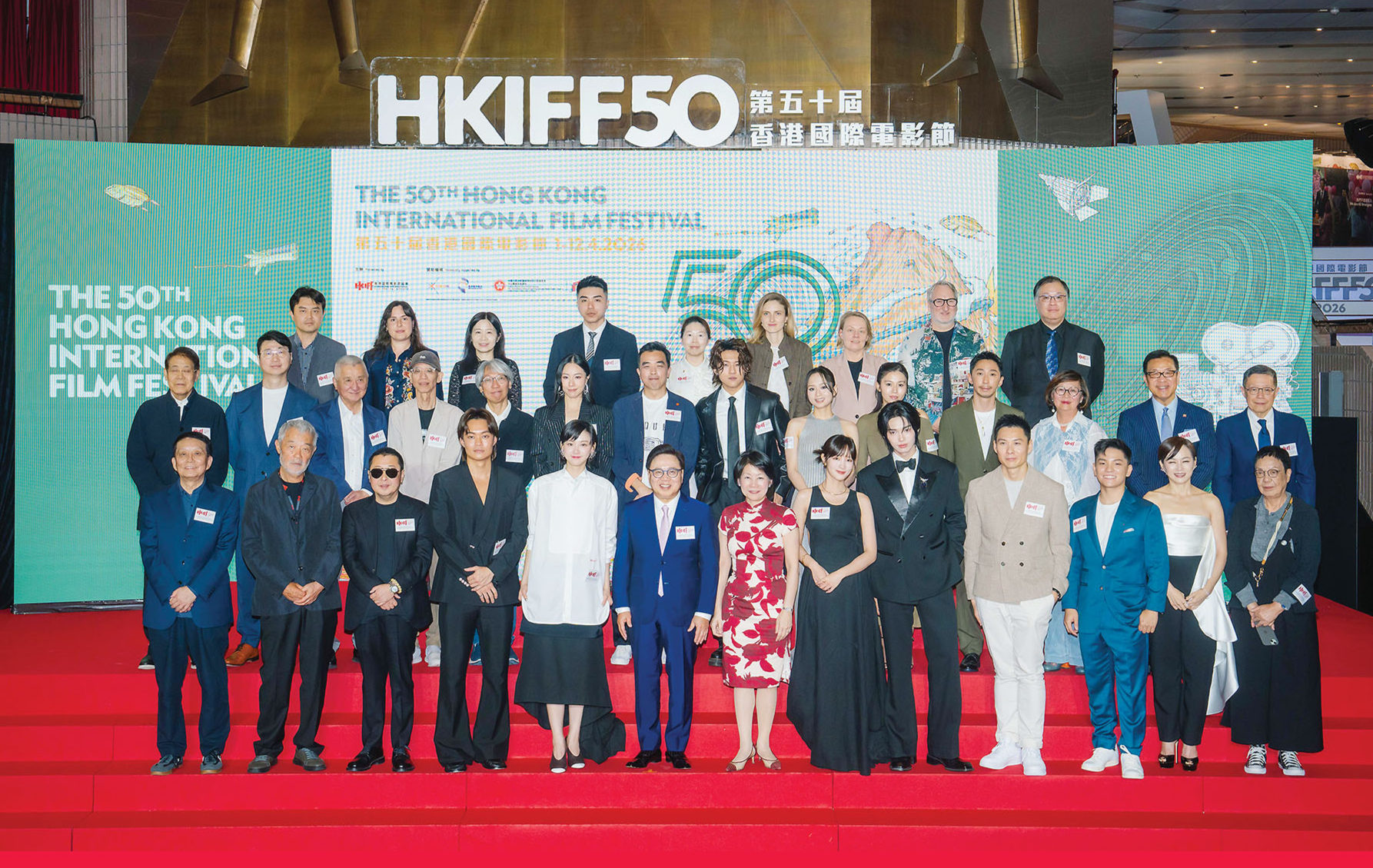
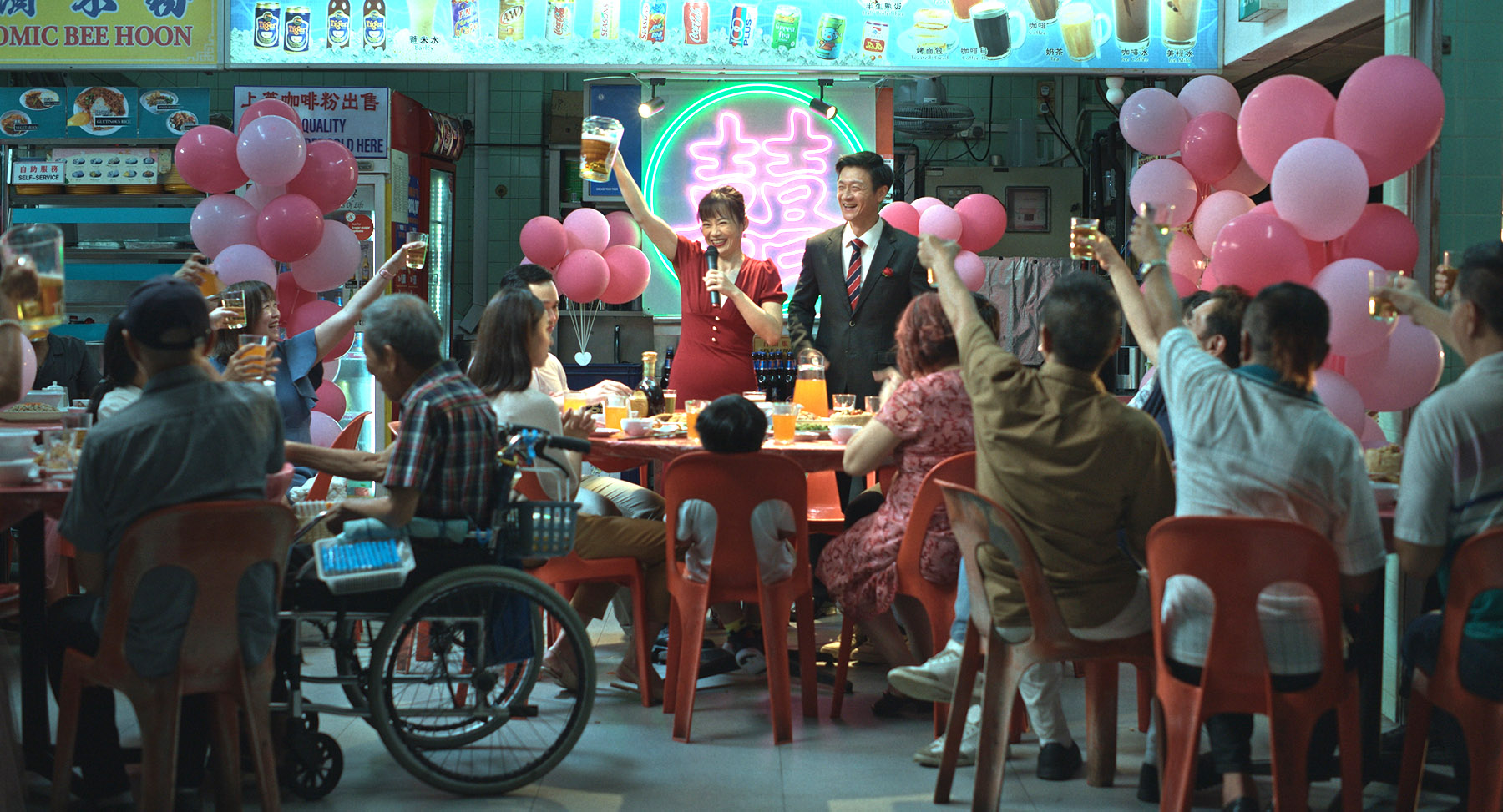
This year’s festival lineup reflects that notion. It opened with Singaporean Anthony Chen’s family-focused drama We Are All Strangers (2026), and closes with local director Philip Yung’s transgender drama Cyclone (2026). Its main Gala section features three more Hong Kong productions, including the much-hyped Herman Yau actioner We’re Nothing at All (2026). But the net has been cast far wider, with screenings — and appearances — celebrating the worlds of the acclaimed French artist Juliette Binoche and Hungarian auteur Ildikó Enyedi. The festival is also highlighting the career of the Hong Kong-born, Paris-based editor Mary Stephen — famed for her work with the French New Wave’s Éric Rohmer — and featuring five of her films.
Building bridges
There are also a few pertinent nods to the festival’s own history, and to the filmmakers it championed during those early years, when it gathered the emerging talents of Chinese-language cinema. HKIFF proved a popular place for international festival programmers to gather and learn about what was going on in the region.
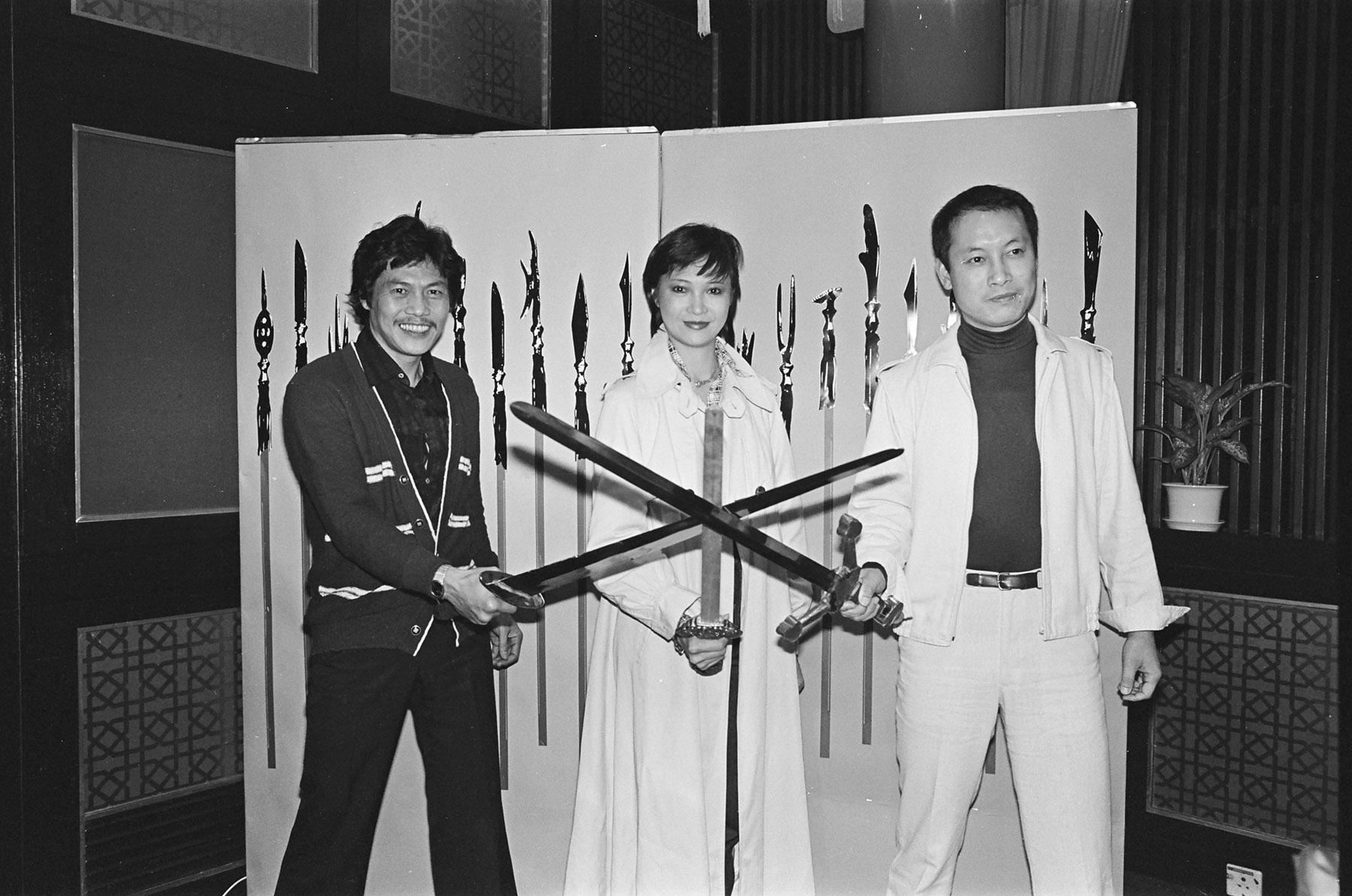
To that end, filmmakers featured include the Hong Kong New Wave stars Patrick Tam (The Sword, 1980; Final Victory, 1987) and Ann Hui (The Secret, 1979), as well as the leading lights of China’s Fifth Generation — including Chen Kaige (Yellow Earth, 1984).
“Back when the festival started — in the late ’70s — it was quite difficult for filmmakers from the Chinese mainland and Hong Kong to travel and meet each other,” says Lee. “At that time, Hong Kong provided a platform for them to meet.”
He goes on to add that in the ’70s, the Chinese films the rest of the world was familiar with were “either Bruce Lee or some Shaw Brothers films”. Not many art-house filmmakers from this part of the world made it to cinemas elsewhere. The festival made a difference by “hosting a lot of international film festival curators”.
“They would come to Hong Kong, watch all those films — and then they would want to screen them,” Lee says.
A school for filmmakers
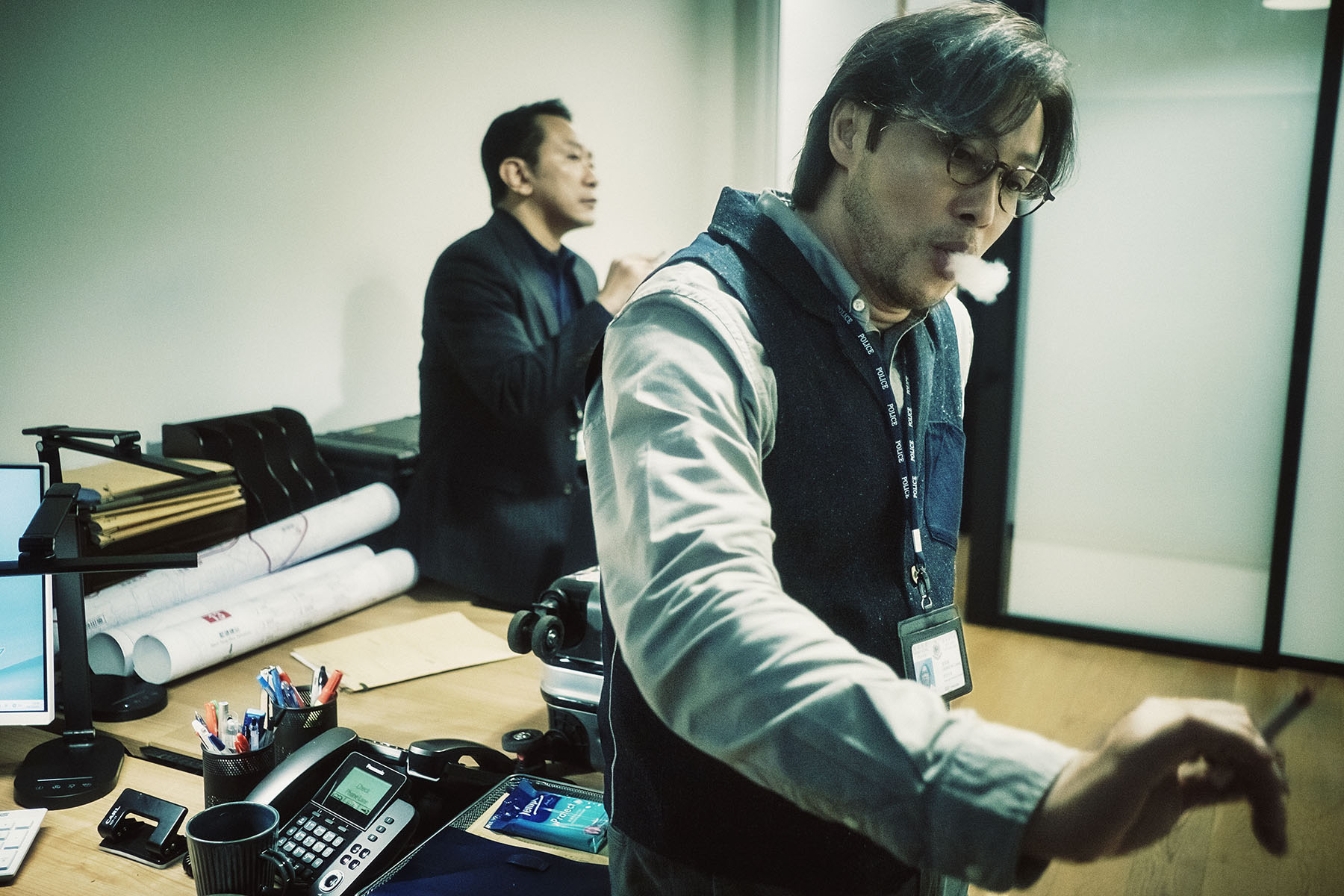
The festival’s impact over five decades extends to filmmakers in the city and beyond. That was on display at this year’s festival launch, when Chen spoke fondly of his own experiences at HKIFF, making a note of how film schools across the region studied Hong Kong cinema, and how generations of their students would religiously go through a “Wong Kar-wai phase”.
Local star and HKIFF brand ambassador Angela Yuen spoke with much excitement about the chance to see four of Binoche’s films, as well as her hopes of being able to orchestrate a meeting with her “idol”.
Lee says that iconic filmmakers like Wong Kar-wai and Stanley Kwan have acknowledged that they received a part of their film education by watching films at the festival.
HKIFF’s influence on its audience is equally significant. Roger Garcia joined the HKIFF team in the festival’s second year, and after taking a detour into producing films in Hollywood, returned to serve as festival head from 2010-18. He believes HKIFF has helped frame the way Hong Kong audiences view their movies.
ALSO READ: Flashback on fun times in HK cinema
“I think particularly in the late ’70s and ’80s, it really helped bring some kind of critical thinking and also knowledge about overseas cinema to Hong Kong,” he says, adding that Hong Kong cinema-based retrospectives hosted by HKIFF amply demonstrate that “the festival recognizes the artistic value as well as the historical and cultural value of those films”.
“I think that actually has helped to change people’s perception of their own cinema.”
If you go
Hong Kong International Film Festival
Dates: Through April 12
Various venues
www.hkiff.org.hk
The writer is a freelance contributor to China Daily.
