

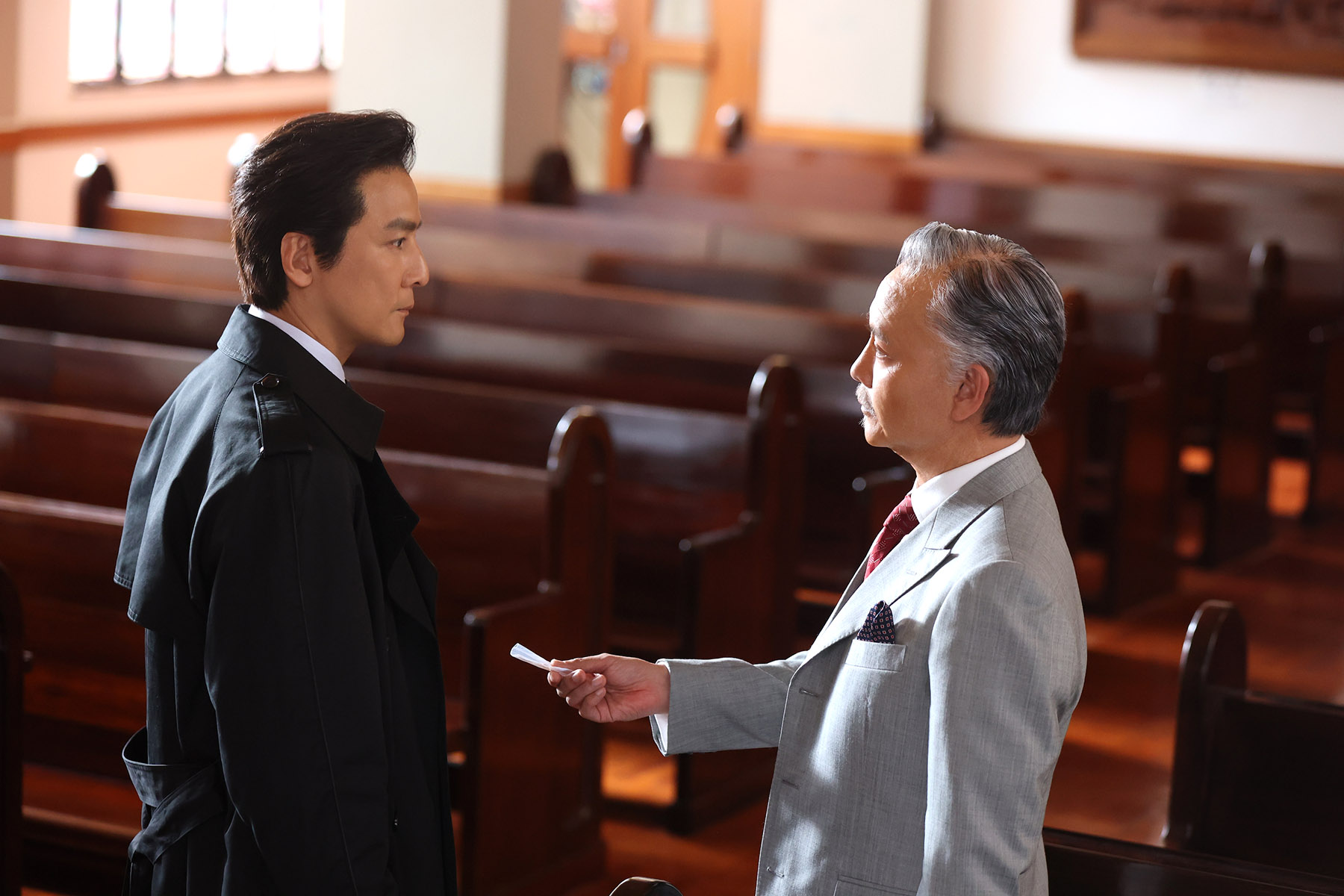
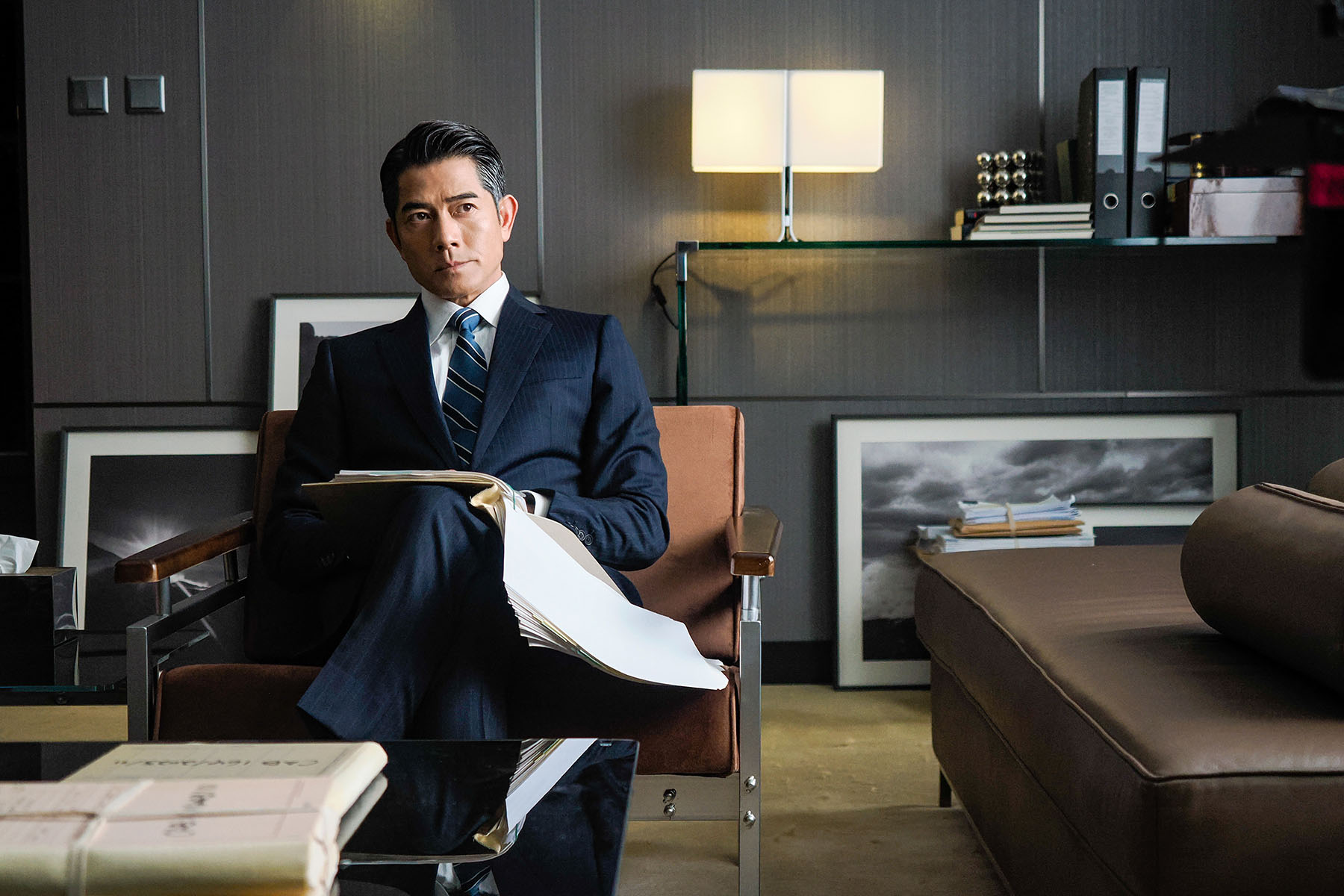
Who has power, how does one attain it, what is the best way to do so, and how does one hold on to it — if one should? The quest for financial, political or social power has been a constant around the world. Power can be abused, foisted upon someone, and, yes, leveraged for change. Power dynamics are fundamental to Longman Leung’s third corrupt-cop thriller, Cold War 1994, as well as Chang Hang-jun’s newly crowned South Korean box-office champion, The King’s Warden.
READ MORE: Report to the station for a nostalgia trip
In Cold War 1994, Leung essentially creates an origin story for the first two films’ main antagonists, MB Lee and Peter Choi, who were on their way to early retirement and exile — respectively — in Cold War II (2016), their bad deeds having caught up with them. When 1994 begins, we meet Lee (Terrance Lau, taking over for Tony Leung Ka-fai) as an organized crime investigator and Choi (Daniel Wu for Chang Kuo-chu) as a department power broker. Choi is cozying up to the powerful Poon family patriarch (Tse Kwan-ho), and the two cross paths when a Poon heir is kidnapped in the years leading up to Hong Kong’s return to the motherland in 1997. It is a crime that garners interest from financial-sector elites and the outgoing British bureaucrats.
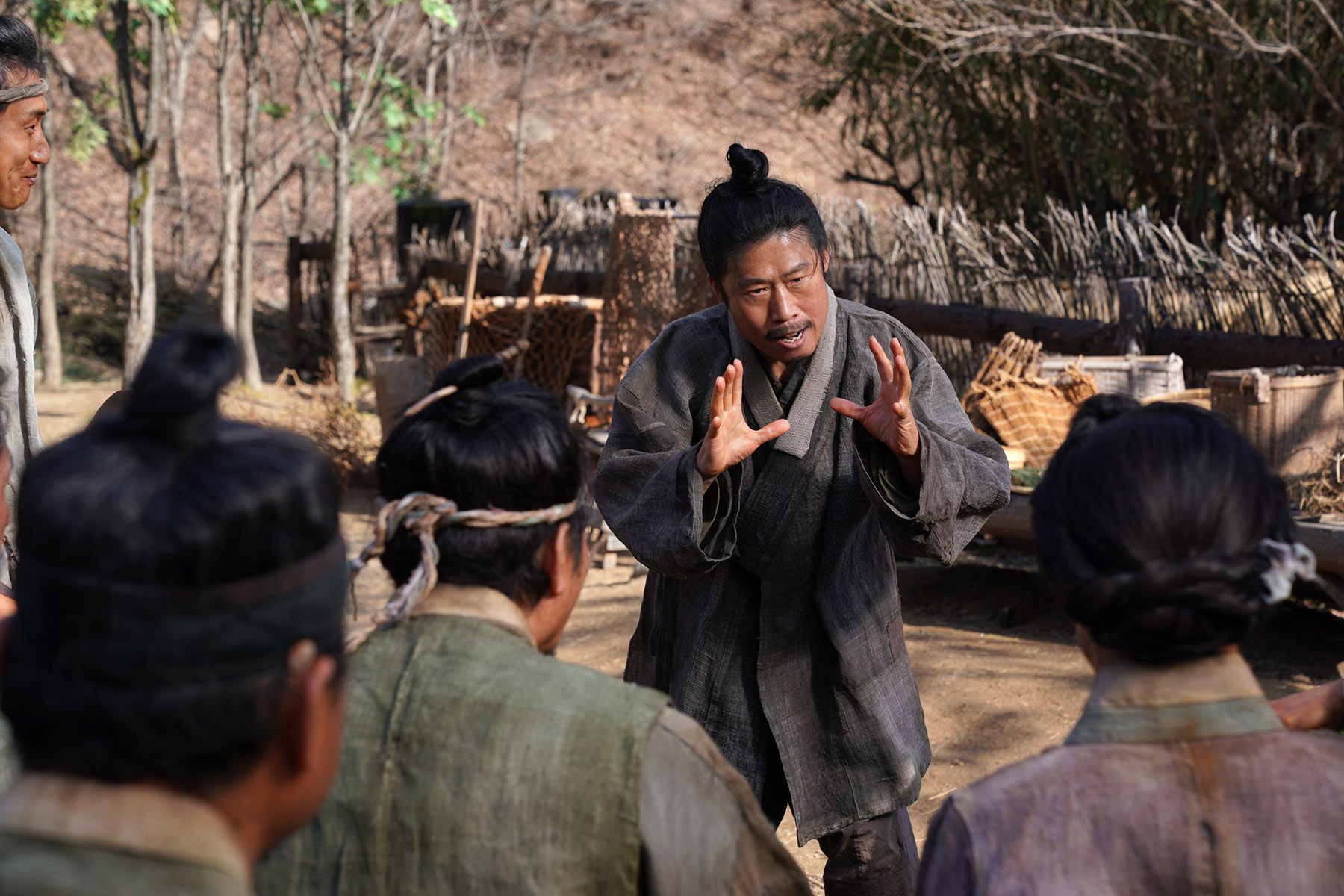
Flashing back to 15th-century Korea, The King’s Warden chronicles the ouster of the sixth Joseon monarch, King Danjong (Park Ji-hoon), and his subsequent exile to a tiny island where village chief Heung-do (Yoo Hae-jin, Exhuma), his son Tae-san (Kim Min) and the rest of the residents remind him why he needs to fight for his throne. While initially despondent over his uncle’s betrayal, Danjong rediscovers the concepts of justice and equity and joins the rebels to try and usurp the usurper, Han Myeong-hoe (Yoo Ji-tae, still best known for Park Chan-wook’s Oldboy).
Despite Leung trading in modern political thriller tropes and Chang leaning into historical drama — both gleefully and effectively — the two films have complementary messages about how easy it is to be tempted by the lure of power and the resulting ability to potentially remake the world in one’s personal image, whatever that may be. In Cold War 1994, Leung examines the legacy of colonialism and the grip of big business through an action-thriller lens, never letting one thread dominate the other and in doing so crafts the series’ strongest film so far.
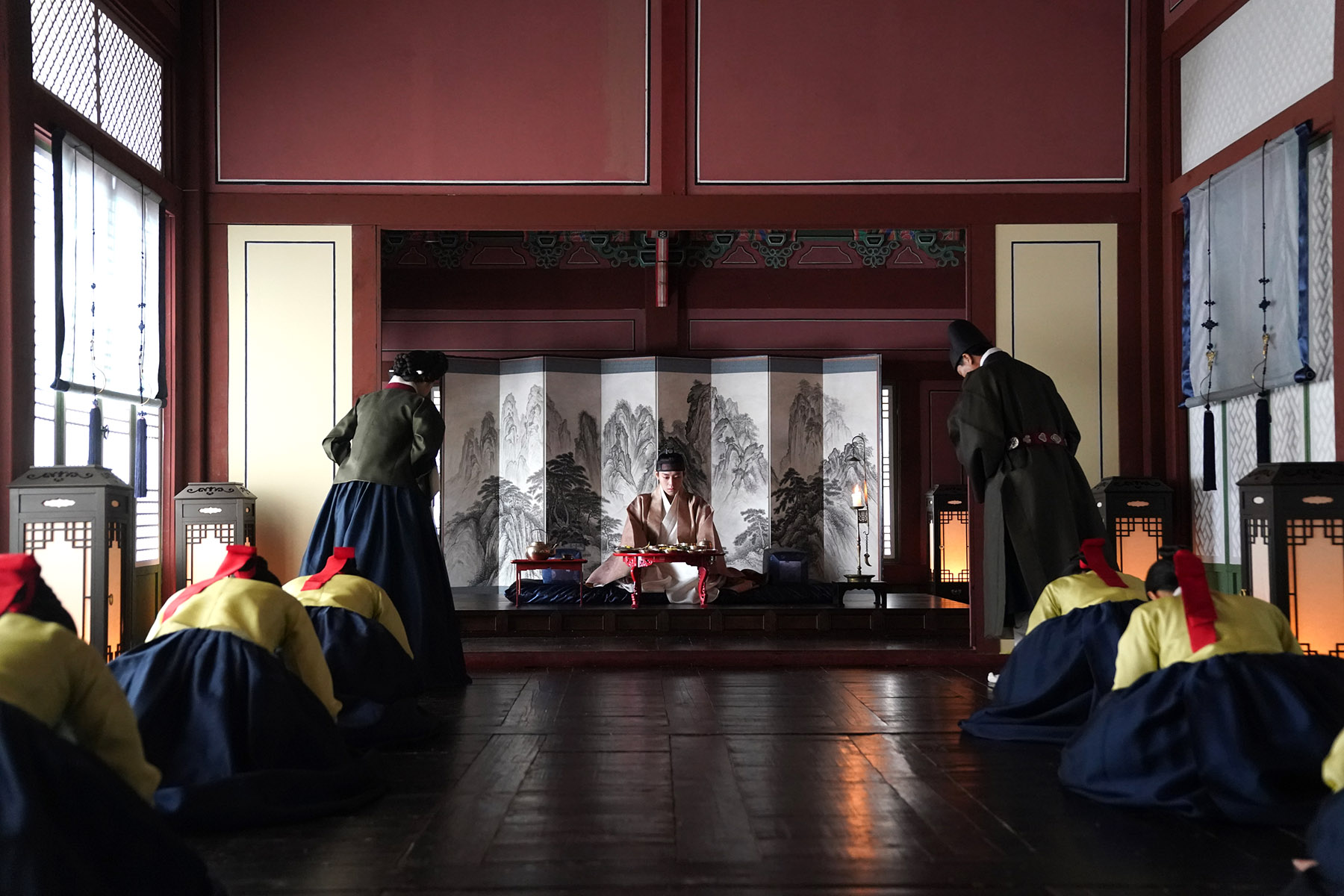
Danjong’s Shakespearean saga is one of Korea’s most enduring true legends, so familiar that it powered The King’s Warden to not just box-office success but total admissions dominance. More than anything, however, it may simply be the way Danjong’s story appeals to our better angels. He is a leader who wanted to do right by his people, who saw the value in each of his subjects, and wanted to make sure none was hungry. It is the kind of ideal leadership that does not seem to exist in 2026, and which people worldwide are hoping will somehow reappear.
ALSO READ: Faltering romance and predictable victory
Are these perfect films? No. Cold War 1994 is prone to heightened action that teeters on hyperbole at times — though the airport set piece is top notch. The King’s Warden flirts with the maudlin and manipulative. Its score is among the year’s most heavy-handed.
But both films are well-acted, polished entertainments, propelled by solid narrative momentum — thriller and melodrama. Both ask valid questions about existing power structures, and how to deal with them.
The writer is a freelance contributor to China Daily.
