

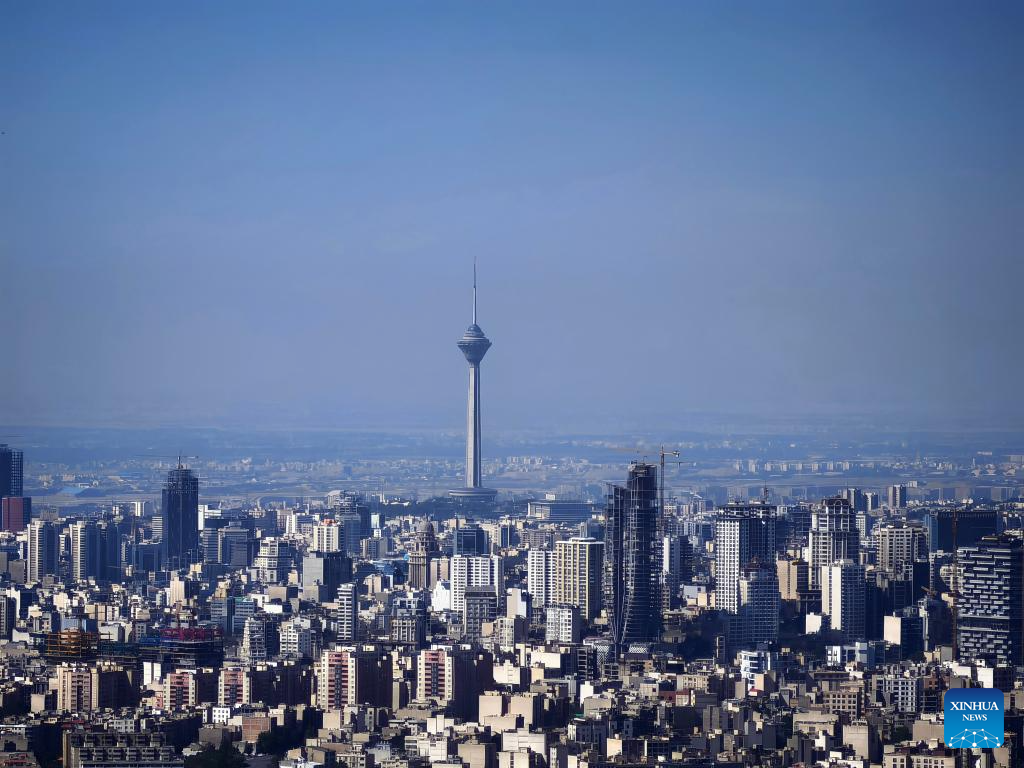
TEHRAN/WASHINGTON/LONDON/MOSCOW/GENEVA/RIYADH - The Navy of Iran's Islamic Revolution Guard Corps (IRGC) announced on Friday that new regulations for managing the Persian Gulf will be implemented based on a "historic" directive from Iranian Supreme Leader Mojtaba Khamenei.
In a statement made via the social media platform X, the IRGC Navy said that, leveraging its dominance over nearly 2,000 kilometers of Iran's coastline in the Persian Gulf and the Strait of Hormuz, it aims to transform the body of water into a source of income and power for the Iranian people, while promoting security and prosperity in the region.
The announcement came as Iran has tightened its control over the Strait of Hormuz since Feb 28, barring safe passage for vessels belonging to or affiliated with Israel and the United States.
Earlier, Iran has delivered a new proposal for peace talks with the US to Pakistan, which is mediating the negotiations, the official IRNA news agency reported Friday.
The report said Iran submitted its latest negotiating proposal to Pakistan on Thursday night as part of efforts to end the conflict involving the US and Israel.
Foreign Ministry spokesman Esmaeil Baghaei said in an interview with state-run IRIB TV on Thursday night that ending the war and establishing lasting peace are Tehran's priorities in talks with the United States.
US aircraft carrier Gerald R. Ford leaves ME
The USS Gerald R. Ford aircraft carrier has left the Middle East after taking part in operations against Iran, local media reported Friday, citing a US official.
The move leaves two US aircraft carriers in the region: the USS Abraham Lincoln and USS George H.W. Bush.
The Ford had been at sea for more than 10 months, breaking the post-Vietnam War record for a US aircraft carrier deployment.
On March 12, two sailors aboard the carrier were injured when a fire broke out in the main laundry spaces, according to the US Navy.
'Most US Middle East military sites damaged'
Iran and its allies have damaged at least 16 US military sites across eight Middle Eastern countries during the US-Israeli war with Iran starting on Feb 28, rendering some of those positions virtually unusable, a CNN investigation has found.
The damaged facilities constitute the majority of US military sites in the region, according to the report, citing a congressional aide familiar with the damage assessments.
"There has been a spectrum of assessments," a source said. "From a pretty dramatic side, of the whole facility is destroyed and needs to be shut down, to leaders who say these things are worth repairing due to the strategic benefit they give the US."
ALSO READ: Singaporean PM warns Mideast crisis to raise recession risks
Satellite images showed that Tehran's main targets included US advanced radar systems, communications systems and aircraft deployed in the Middle East, many of them expensive and difficult to replace, said the report, which drew on dozens of satellite images and interviews with sources in the US and Gulf Arab nations.
Trump: War against Iran terminated
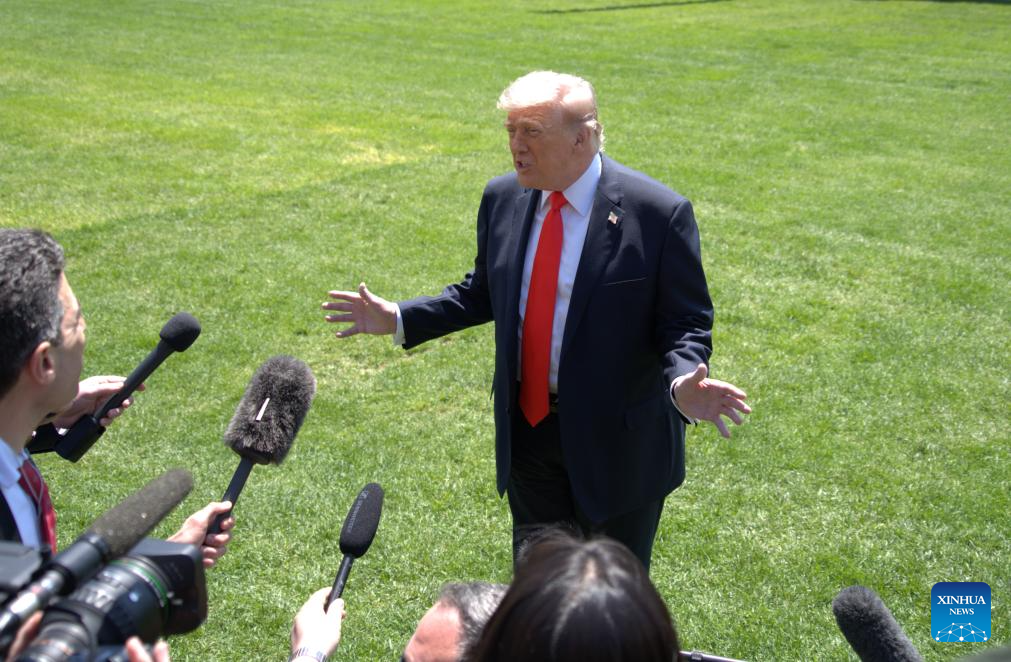
US President Donald Trump told lawmakers on Friday that the war against Iran has "terminated," as the military action -- which was launched without Congressional approval -- has reached a 60-day legal deadline.
"There has been no exchange of fire between the United States and Iran since April 7, 2026," Trump was quoted by Politico as saying in a letter to congressional leaders.
Also on Friday. Trump said he is "not satisfied" with Iran's latest proposal to end the US-Israeli war with the Middle Eastern country, which is currently under a continuing ceasefire.
"They want to make a deal, but I'm not satisfied with it," Trump told reporters at the White House.
ALSO READ: US: Iran war 'terminated' for congressional war powers deadline
Meanwhile, a majority of US citizens believe the US military's use of force against Iran was a mistake, according to a new poll published Friday.
Sixty-one percent of US citizens say that using military force against Iran was a mistake, with fewer than 2 in 10 believing that the US actions in Iran have been successful, according to the Washington Post-ABC News-Ipsos poll.
About 4 in 10 say it has been unsuccessful, while another 4 in 10 say it is "too soon to tell," the poll showed.
The war in Iran is "as unpopular among Americans as the Iraq War during the year of peak violence in 2006 and the Vietnam War in the early 1970s," The Washington Post said.
Iran supreme leader urges economic, cultural battles
Khamenei on Friday urged Iranians to wage an "economic battle" and a "cultural battle" to defeat the country's "enemies," according to a message carried by Iranian media.
In the message marking the Workers' Day and Teachers' Day, which fall on Friday and Saturday, Khamenei said that after over 47 years of struggle, Iran has demonstrated its military capabilities against enemies and "must also disappoint and defeat them in the economic and cultural battles."
He described teachers and workers as the most effective elements in these battles, calling them "the backbones" of the areas of culture and economy.
Khamenei also urged prioritizing the consumption of domestic products.
UK navy: Shipping through Hormuz falls over 90%
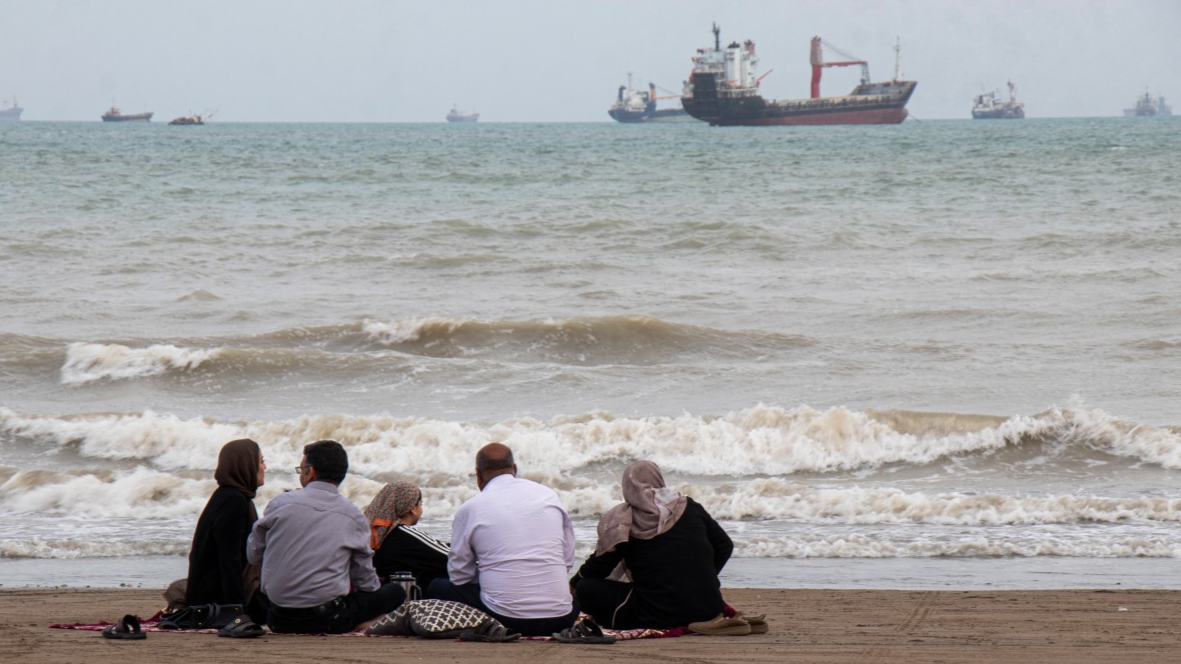
The British Royal Navy said on Friday that shipping traffic through the Strait of Hormuz has dropped sharply since the outbreak of conflict in the Middle East, with the number of vessels passing through the waterway falling from about 130 per day before the conflict to fewer than 10, a decline of more than 90 percent.
The British Royal Navy, citing monitoring results from the UK Maritime Trade Operations (UKMTO) it leads, said that since the United States and Israel launched military operations against Iran on Feb. 28, reports of incidents in the Strait of Hormuz and surrounding waters have gone "through the roof," in the strait especially.
Between March 1 and April 27, a total of 41 security incidents were recorded.
Russia, Iran discuss navigation, nuclear program
Russian Foreign Minister Sergey Lavrov held a phone conversation with Iranian Foreign Minister Seyed Abbas Araghchi on Friday, exchanging views on freedom of navigation and issues surrounding Iran's nuclear program, the Russian Ministry of Foreign Affairs said.
The two sides continued a thorough exchange of views on the prospects for a full cessation of hostilities, stabilizing the military and political situation in the Middle East, the ministry said in a news release.
Russia reaffirmed its support for the ongoing mediation efforts and its readiness to fully support the political and diplomatic process to reach sustainable agreements aimed at establishing long-term peace in the region.
The ministers also discussed the passage of Russian vessels and cargo through the Strait of Hormuz, the ministry added.
UN: ME crisis hampering aid efforts
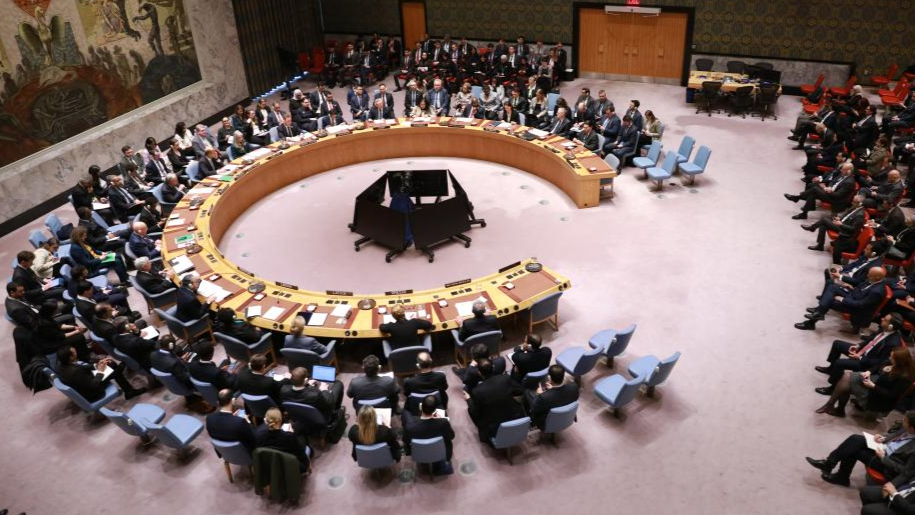
The Middle East crisis has generated far-reaching ripple effects well beyond the region, with growing consequences for global humanitarian supply chains and the delivery of aid, the United Nations High Commissioner for Refugees (UNHCR) spokesperson warned on Friday.
Heightened insecurity and instability around key Gulf routes, including the Strait of Hormuz, have disrupted maritime traffic. Rising fuel, food and freight costs worldwide are driving up prices and delaying the delivery of critical supplies, Carlotta Wolf said at a regular press briefing.
These rising costs "disproportionately affect people who are already living in emergencies, including millions of refugees and displaced people who are among the hardest hit, while also reducing the ability of aid agencies to deliver timely assistance," she said.
