

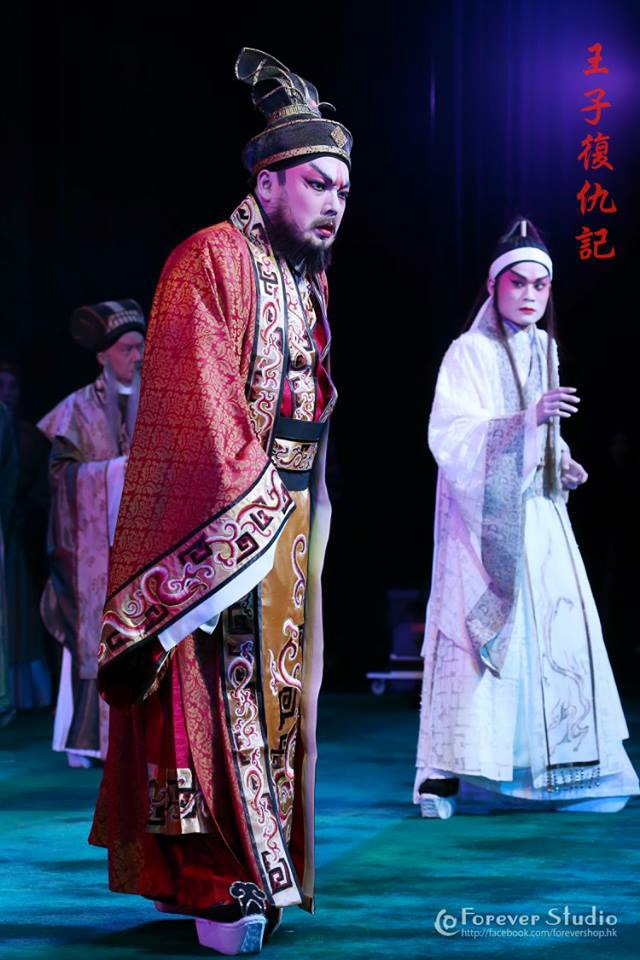
The appetite for experimental adaptations of Shakespeare remains strong in Hong Kong, and this year in particular, the city will play host to a number of such productions, including new ones. Alice Theatre Laboratory is presenting a Cantonese adaptation of The Winter’s Tale with an all-female cast, while the sixth re-run of The Arrant Revenge, Keith Lai’s Cantonese Opera adaptation of Hamlet, is expected in August. And the Tang Shu-wing Theatre Studio-produced second Hong Kong International Shakespeare Festival — host to a number of experimental productions from around the world — is all set to unfold in June.
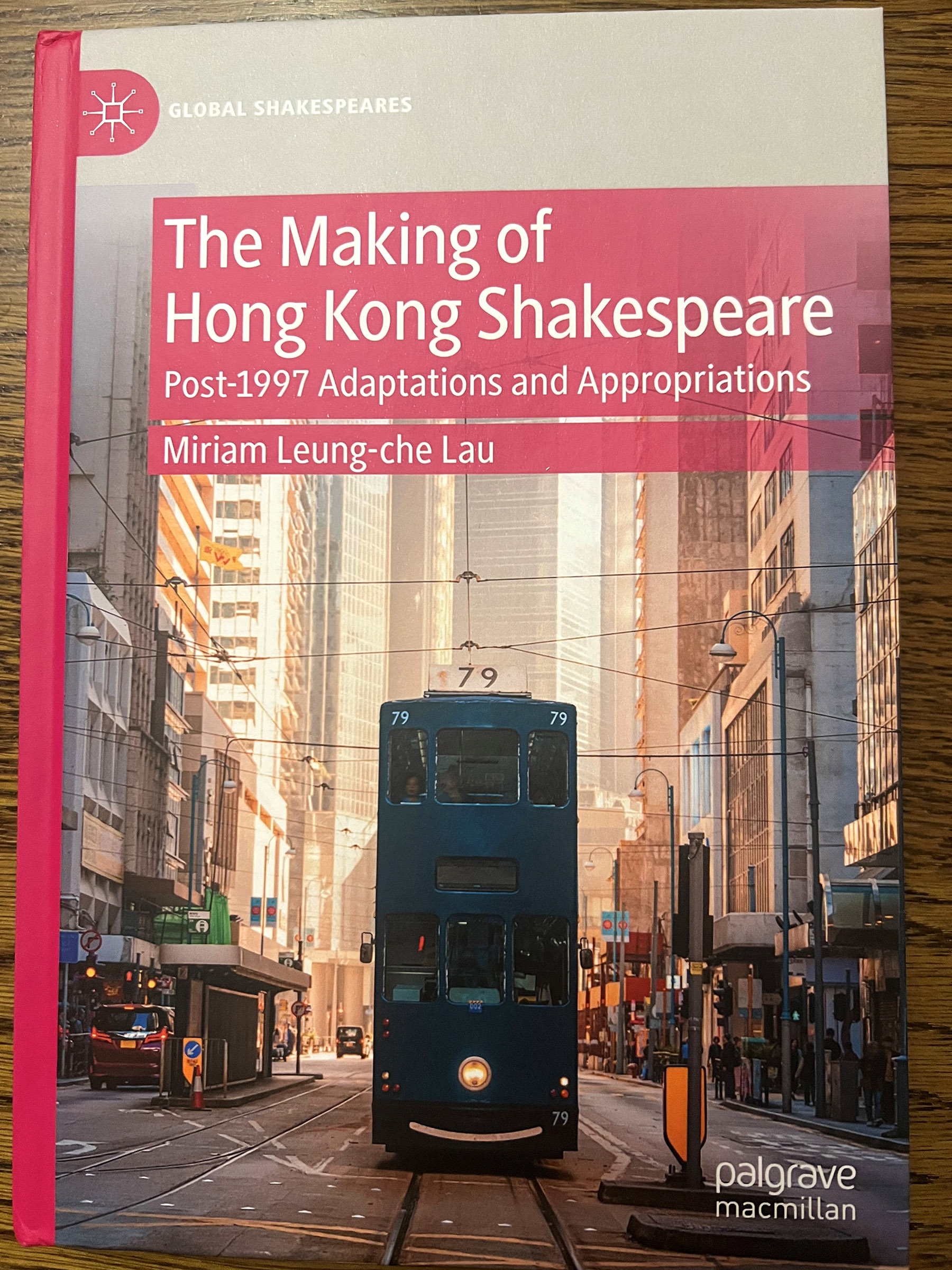
Published in January, The Making of Hong Kong Shakespeare: Post-1997 Adaptations and Appropriations by Miriam Lau Leung-che gives us a glimpse into the myriad ways in which theater-makers have adapted Shakespeare for a Cantonese-speaking audience, and introduced elements that resonate with cultural contexts specific to Hong Kong. The book is based on a close scrutiny of six production scripts — Richard Ho’s Hamlet: Sword of Vengeance (1977), Tang Shu-wing’s Macbeth (2016) and Titus Andronicus 2.0 (2015), Hardy Tsoi Sik-cheong’s Shamshuipo Lear (2015) and Julius Caesar (2012), and Jimmy Lee Wai-cheung’s Post-The Taming of the Shrew (2015).
READ MORE: Boldness be my friend
Lau describes Tang’s approach as “aestheticized Shakespeare”. In her book, she highlights the director’s precise, spare treatment, focused on the essence of the source material. The staging of Tang’s Shakespeare adaptations is often characterized by strong physical movements, minimalist stage design with next to no props and the presence of actors dressed in basic, no-frills clothes that give them a timeless quality.
Ho’s Hamlet: Sword of Vengeance has returned to stages in the SAR and the United Kingdom, since its Hong Kong premiere in the ’70s. Lau writes that it is “a typical example of a Sinicized adaptation” in which the setting has been moved from Denmark to China during the Five Dynasties and Ten Kingdoms (907-960). In 2009, a Putonghua version was developed, with a view to promoting the official language of China.
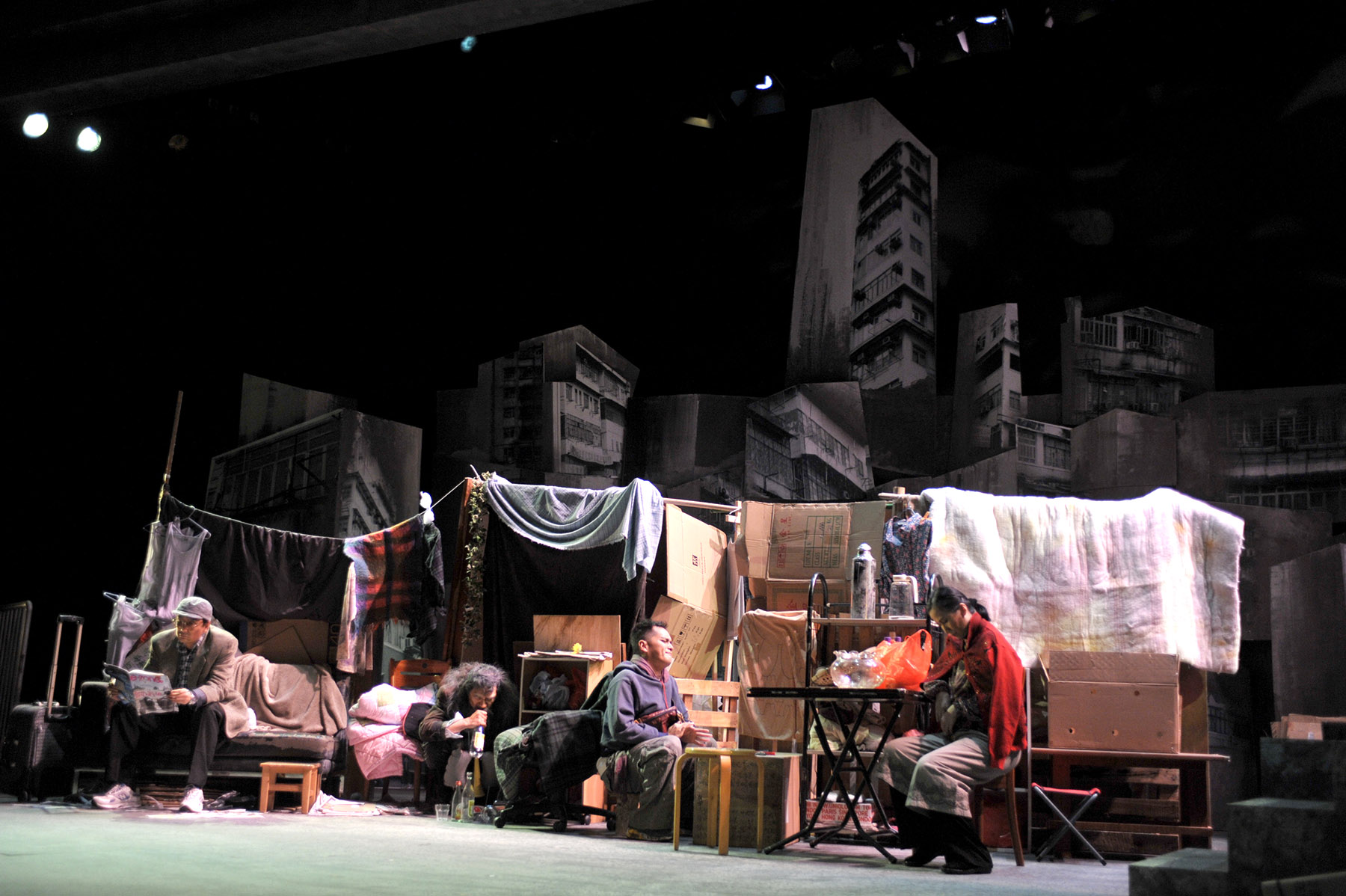
In Tsoi’s Shamshuipo Lear (2015), the focus is on homelessness. King Lear, the eponymous protagonist of Shakespeare’s original play, is represented by the character of Uncle Lee, a homeless elderly man, living in the company of four others like him, on the streets of Hong Kong’s Sham Shui Po district. In the opening scene, Lee wears a paper crown and a toy trumpet like a neckpiece. He is clutching a bottle of alcohol and stumbles on his way.
“The audience might leave the theater thinking, ‘Oh this is not Shakespeare at all!’” Lau says. “Shamshuipo Lear reflects a postmodern tendency, of a more liberated intercourse with canonical Shakespeare.”
Lau contends that Shakespeare is a cultural icon connecting the East and the West, while Hong Kong is “a very interesting city in-between”, akin to the scholar Homi Bhabha’s notion of a “Third Space”, the locus of cultural production that arises from interactions between distinct cultures.
However, the author says that Hong Kong’s significant contribution to the cross-cultural pool of Shakespeare adaptations has been largely overlooked — a “puzzling absence” — in the critical discourse on Shakespeare in Asia. From 1997 to 2025, Hong Kong produced 120 Shakespeare adaptations, with 21 productions of Hamlet. Of these, Tang’s adaptations are the only entries from Hong Kong listed in the Asian Shakespeare Intercultural Archive.
ALSO READ: Remixing Shakespeare’s sonnets
One can hope that Lau’s book will attract more scholarly attention to Hong Kong as a city where Shakespeare continues to be revisited and reimagined by theater-makers.
If you read
The Making of Hong Kong Shakespeare: Post-1997 Adaptations and Appropriations
By Miriam Lau Leung-che
Palgrave Macmillan
www.amazon.com/Making-Hong-Kong-Shakespeare-Appropriations
The writer is a freelance contributor to China Daily.
