

The average MPF return per member turned from profit to loss as the upward streak of the global asset market was interrupted by the sharp global stock market rout triggered by the US-Iran conflict.
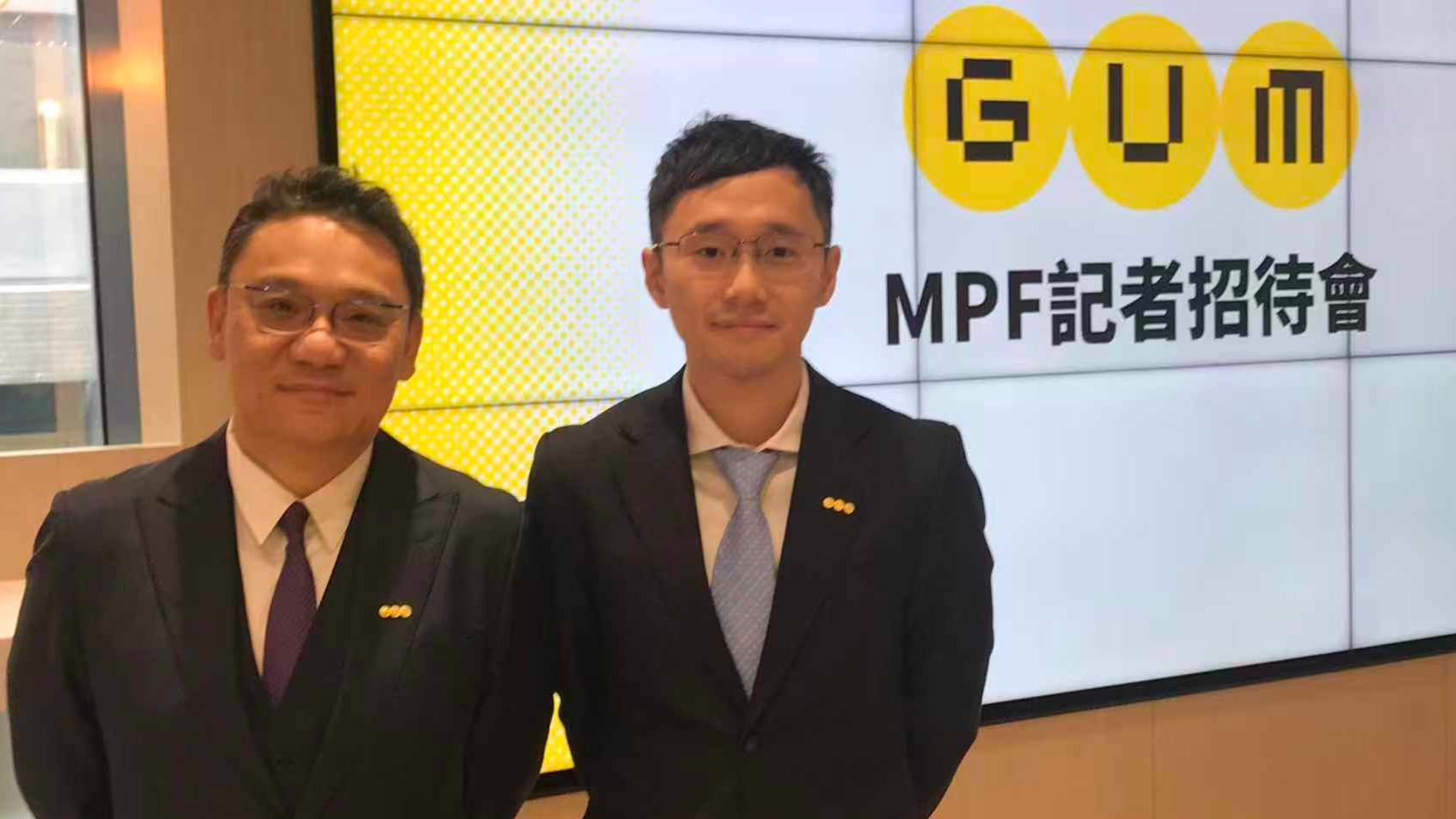
Mandatory Provident Fund (MPF) members in Hong Kong incurred an average loss of HK$6,521 ($833) per member in the first quarter of this year as the US-Iran conflict halted the four MPF consecutive quarterly gains since the start of 2025, MPF service provider GUM said.
According to GUM data, the average MPF return per member dropped from the peak of HK$14,813 at the end of February to an average loss of nearly HK$21,334 in March. Therefore, the average loss per member was HK$6,521 in the first quarter of this year.
In the first quarter, the GUM MPF Composite Index — a gauge of measuring the overall MPF fund performance — has retreated 2 percent to 280.7 points. In March, the index tumbled 6.3 percent.
“With the latest two-week ceasefire agreement reached between the US and Iran, and the temporary reopening of the strait of Hormuz, the market is expected to improve,” said Christopher Lau, chief investment officer at GUM.
“Current economic data from the US, Europe, and Asia-Pacific markets are positive, oil prices and inflation are likely temporary issues, and we do not see any risk of economic recession at the moment; therefore, we are cautiously optimistic about the performance of MPF funds throughout the year,” Lau added.
But the chief investment officer warned that further increases in oil prices will worsen disruptions to global supply chains and diminish the possibility of further US interest rate cuts this year, as inflation expectations have changed. The market previously expected there would be three US interest rate cuts this year.
“The repricing of the interest rate movement will exert downward correction to the global equity market,” Lau said.
ALSO READ: Hong Kong stocks surge on news of Middle East ceasefire
Looking ahead, GUM suggested risk-tolerant MPF members may consider global equity funds to diversify regional risks and gain exposure to the trend of capital shifting toward non-US assets. The MPF advisory firm is also bullish on the continued strength of the renminbi, which should benefit China-Hong Kong or Greater China equity funds.
Lau said the MPF advisory firm does not recommend that MPF members invest in a single market like Japan, South Korea, or Taiwan because that would be too risky.
“Although these single markets have strong fundamentals driven by artificial intelligence and technology, these economies face challenges related to oil prices and inflation. Asian economies are heavily dependent on oil imports,” he said.
Following the rebound of almost 3.1 percent on Wednesday due to the announcement of a two-week ceasefire agreement between the US and Iran, the Hang Seng Index dipped 0.54 percent to close at 25,752 on Thursday based on a turnover of HK$245 billion.
The Hang Seng China Enterprises Index — a barometer of Chinese mainland companies — lost 0.75 percent to close at 8,611 points, while the city’s technology stock gauge — the Hang Seng Tech Index — edged down 2 percent to close at 4,821 points.
