

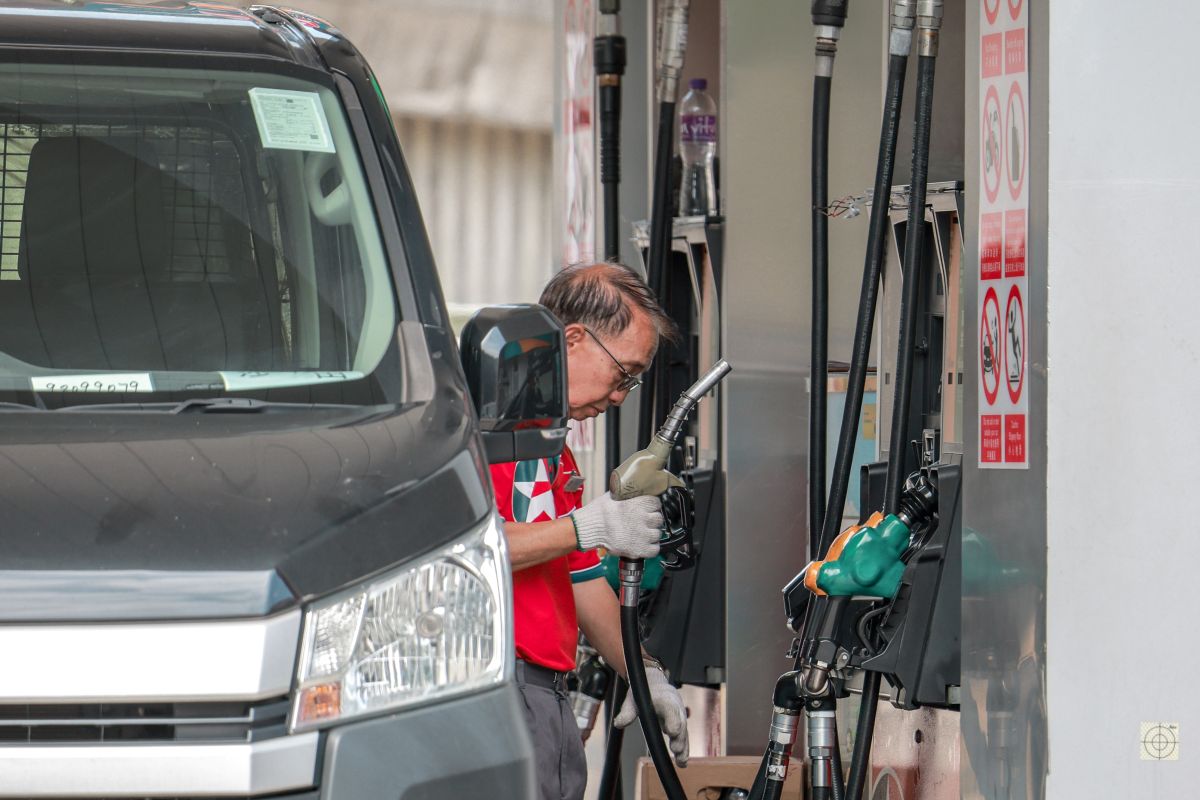
The Hong Kong Special Administrative Region government is rolling out a diesel subsidy scheme starting Thursday to help public and commercial vehicles and vessels, which use diesel as fuel, cope with fuel prices amidst ongoing tensions in the Middle East.
The Inter-departmental Task Force on Monitoring Fuel Supply – set up after the Middle East conflict sent the energy market into a severe, volatile shock – has also unveiled a plan on the provision of a two-month discount on liquified petroleum gas (LPG), expected to start at end-May.
From midnight on April 30 to 11:59 pm on June 29, eligible users will receive a price subsidy of HK$3 per liter by either purchasing diesel from diesel filling stations operated by specified oil companies or specified distributors, or purchasing diesel from “specified oil companies or specified distributors” delivered for local consumption, according to a government statement.
The oil companies participating in the diesel subsidy scheme are: Chevron Hong Kong Limited, ExxonMobil Hong Kong Limited, PetroChina International (Hong Kong) Corporation Limited, Shell Hong Kong Limited and Sinopec (Hong Kong)’s affiliated companies.
As approved by the Finance Committee of the Legislative Council, the estimated expenditure will be around HK$1.8 billion.
“The subsidy scheme does not apply to diesel used for non-local consumption, resale, and vehicles, vessels and installations of government departments,” reads the government statement.
Also, diesel used by CLP Power Hong Kong, Hongkong Electric Company and Hong Kong & China Gas Company are not covered by the scheme, it added.
RELATED ARTICLES
- Hong Kong reels from oil price surge
- HK govt to subsidize diesel, halve tunnel fees
- Volatile oil prices speed up EV shift urgency
- Hong Kong Airlines announces surcharge hike amid Gulf conflicts
The SAR government has signed agreements with the “specified oil companies or specified distributors” to ensure the proper use of public funds and protect users’ interests.
“These arrangements include the government's payment of the price difference to the specified oil companies and specified distributors; the requirement for these oil companies and distributors to maintain complete and accurate books and records; the requirement to submit reports to the government every week, as well as the auditing arrangements upon the completion of the subsidy scheme,” the statement reads.
In case of breaches, anomalies or abuses, the government has the right to refuse or withhold payment of the subsidy, as well as to hold the companies and distributors liable.
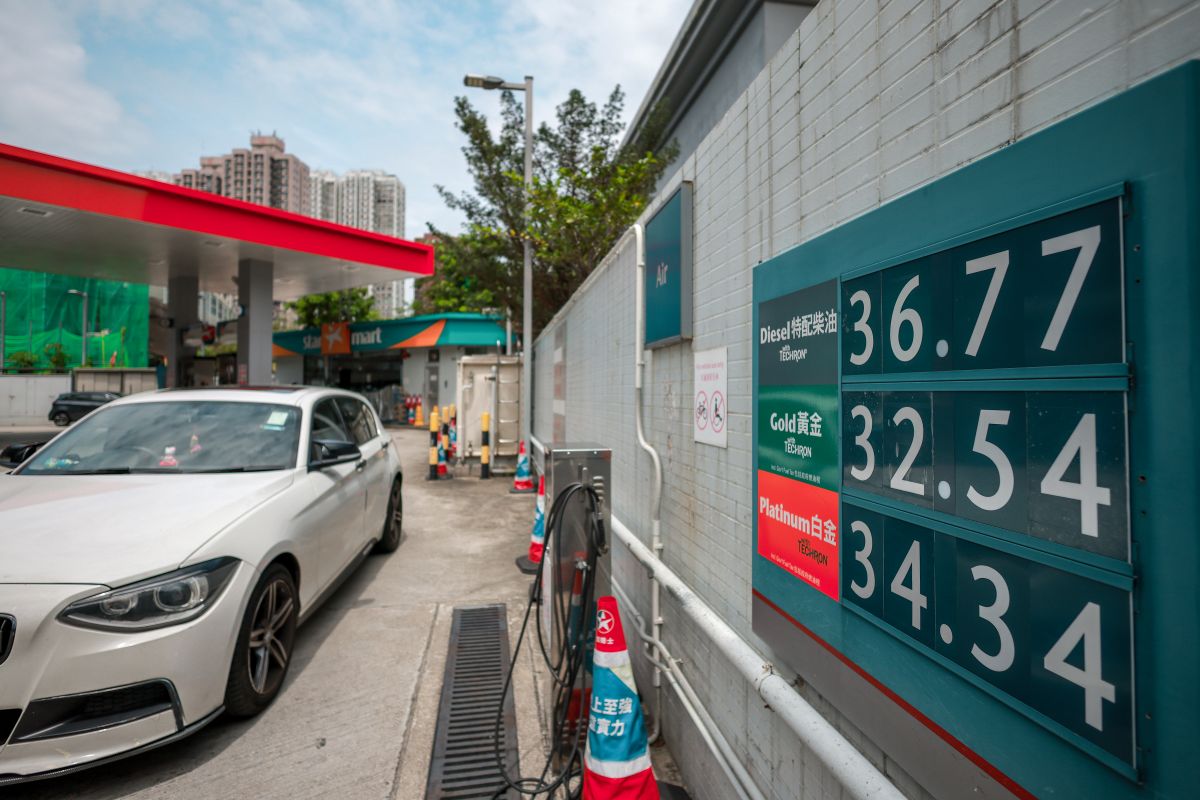
LPG fuel subsidy
The HKSAR government will provide a fuel subsidy of HK$0.5 per liter of LPG for taxis, public light buses and school private light buses, for a period of two months to alleviate the operating costs of local passenger transport commercial vehicles which primarily use LPG as fuel, and reduce the pressure for fare increases.
According to the LegCo Finance Committee, about 16,900 LPG (including LPG-hybrid) taxis, 3,440 LPG public light buses and 170 LPG school private light buses will benefit from the subsidy, which is expected to be implemented within May.
The total amount of expenditure involved is approximately HK$38.4 million, which will be paid by redeploying the government’s internal resources.
Under the LPG scheme, oil companies will provide a discount of HK$0.5 per liter of LPG directly at LPG filling stations for all LPG taxis, public light buses and school private light buses. No registration or application is required for this.
The SAR government will reimburse oil companies for the actual amount of LPG subsidies provided under this initiative, the statement added.
Market turbulence due to the Middle East conflict, which was sparked by a US-Israel strike on Iran on Feb 28, has propelled global crude prices to levels not seen in years. This has hit Hong Kong hard, affecting sectors ranging from aviation and transportation to local fishermen and laundry businesses.
The chief executive directed the establishment of the task force, led by the financial secretary, to monitor and assess geopolitical changes and fuel supply and prices, to ensure the stability of Hong Kong's energy supply, and to examine the impact of oil price fluctuations on various industries.
