

Drawing on his own rise during the golden era of Chinese TV, director Zheng Xiaolong crafts a love letter to the capital city of yesteryear, Xu Fan reports.
At 72, Zheng Xiaolong, one of the most celebrated directors in Chinese television, still finds himself longing for the 1990s — a golden era when domestic TV brimmed with creative energy and possibilities.
"That was when my career took off," he says, seated in a cinema in downtown Beijing, his voice tinged with memory.
"We talked about freeing our minds, about looking ahead and daring to take risks. It felt like anything was possible, like the future would surely be bright," he recalls. "That sense of hope was tangible. Everyone was pushing forward, chasing their own ideals and dreams. Even relationships between people felt warmer."
ALSO READ: A town built by the people
In 1993, Zheng made his directorial debut, codirecting with Feng Xiaogang the television series A Native of Beijing in New York, a popular drama depicting the struggle of a cellist, portrayed by actor Jiang Wen, as an immigrant in the United States. It became a sensation, capturing the raw curiosity and complicated longing many Chinese felt toward the West in the early 1990s.
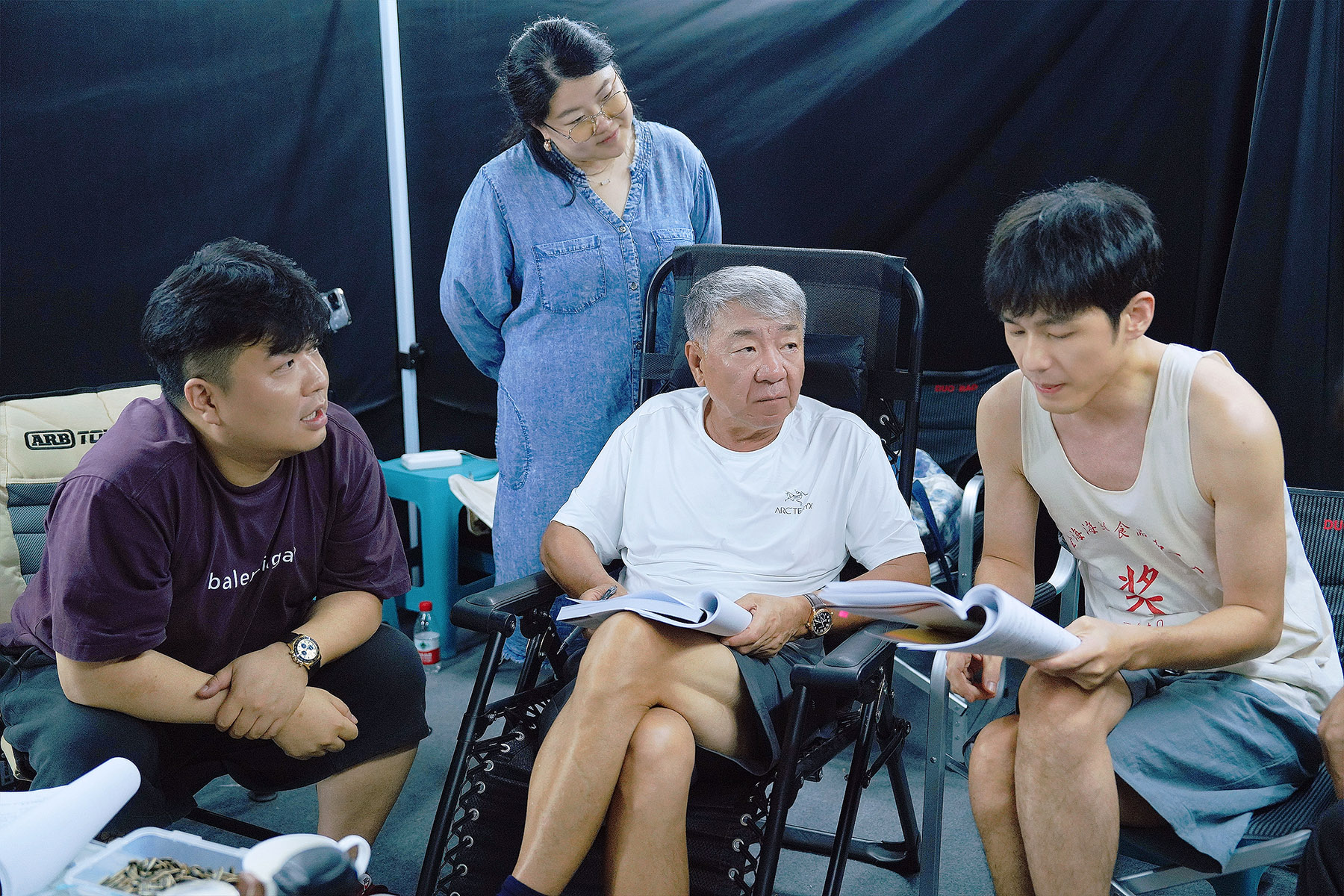
Since then, Zheng has embarked on a prolific creative journey, studded with both acclaim and awards, ascending to the peak with a steady output of phenomenal hits — TV series from Gold Marriage (2007) to Empresses in the Palace (2011) and Red Sorghum (2014), adapted from Nobel laureate Mo Yan's novel of the same name.
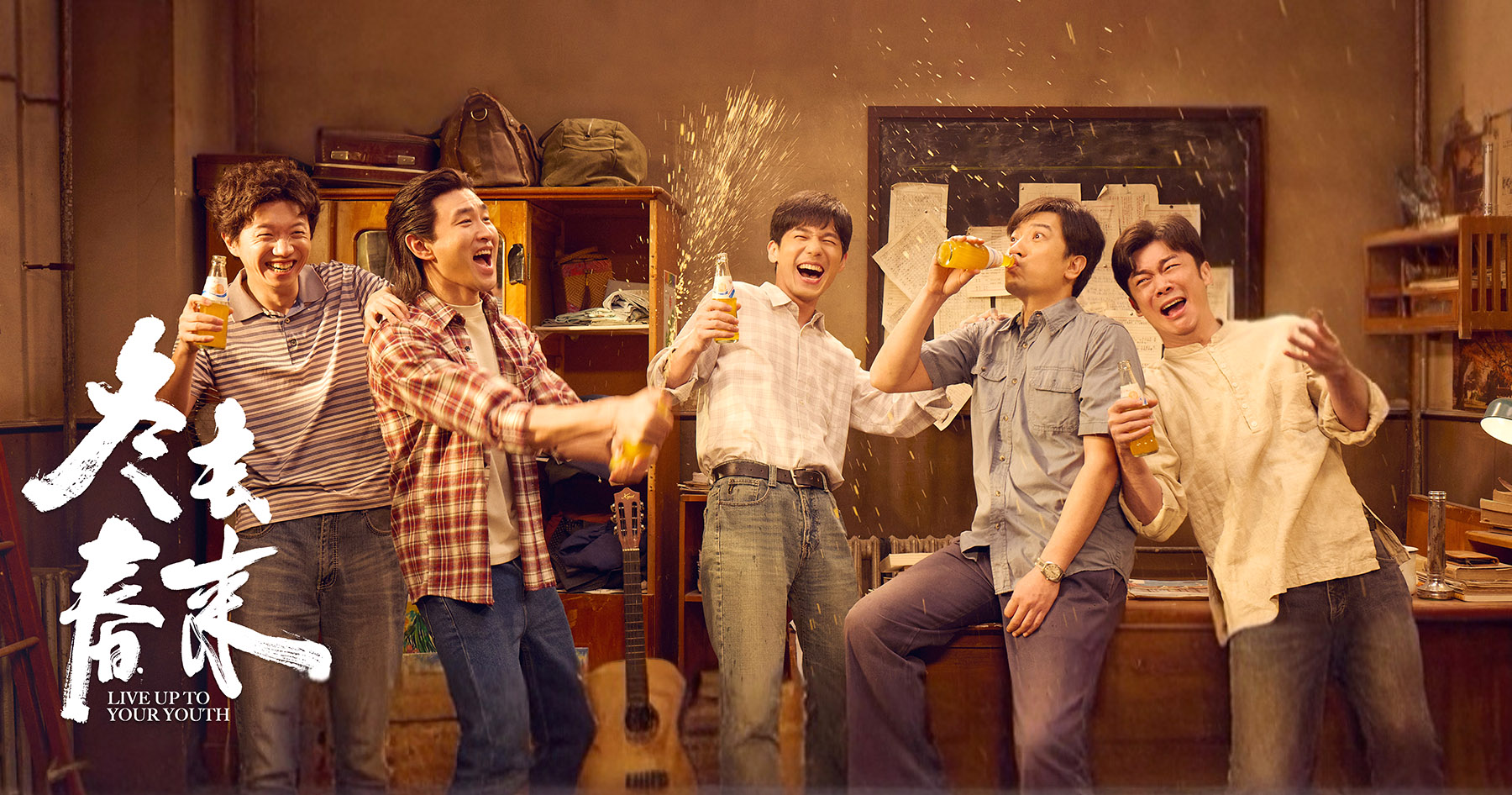
For Zheng, the period of the 1990s was more than a professional breakthrough; it was also a state of mind — one he has often thought of, and recently revisited in the TV drama Live Up to Your Youth, co-written by scriptwriters Gao Mantang and Li Zhou.
Concluding its first run on China Central Television's CCTV-8 TV drama channel earlier this month, the 32-episode series gained a strong following, with its ratings continuing to grow since its premiere in late March. It has shattered multiple records, including being watched by 5 percent of the population across 71 cities, in a survey conducted by the industry information tracker CSM Media Research.
In addition, topics related to the series have been viewed over 3.15 billion times on Weibo and Douyin, two major social platforms, according to the producers.
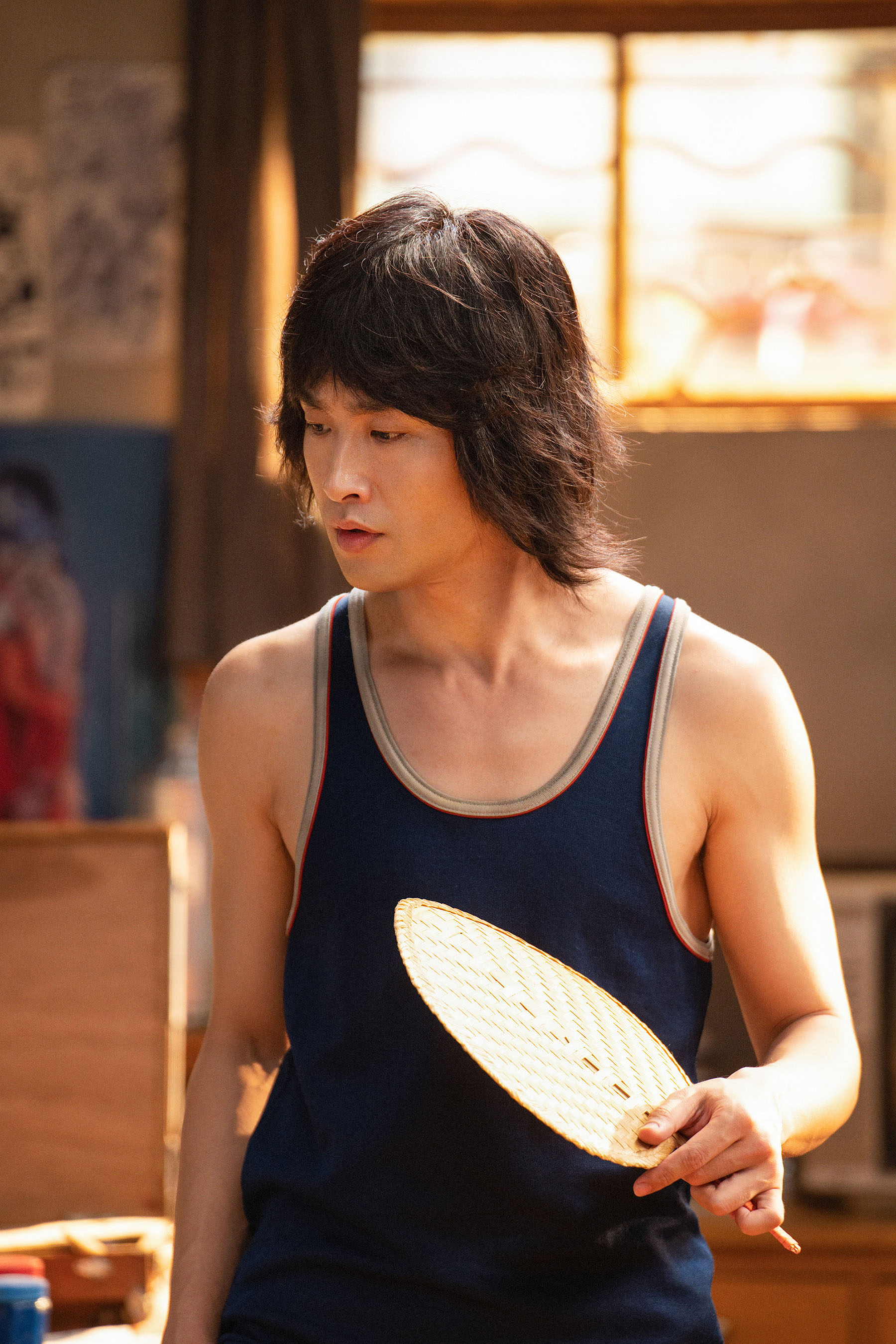
Beginning in 1994, the drama opens with a scene of fishing boats dotting a vast blue sea off the coast of Yantai in Shandong province. Xu Shengli, a 20-something worker played by actor Bai Yu, joins his fellow workers at a local state-owned seafood processing factory to load frozen fish into plastic boxes. Despite the hard daily grind, the young man, ambitiously nurturing a writer's dream, uses whatever break time he can find to pen tales, even on a floating ship.
However, when his literary passion meets humiliation from his superior, Xu angrily quits the job — a brave decision at the time, as most people regarded a position in a state-owned company as a stable guarantee of livelihood. With meager savings, he heads to Beijing and moves into a small hotel nestled deep in a hutong (alleyway), paying six yuan (88 cents) a night for a basement room he shares with three other men, each striving for their own artistic dreams. Among them are a painter who earns a living by painting roofs, a musician who plays the saxophone on the street, and an actor who takes on odd jobs, such as cleaning range hoods and unclogging drains, to help make ends meet.

This hotel, called Dong Qu Chun Lai — which is also the Chinese title of the drama — carries the metaphorical meaning that winter passes and spring ultimately comes, suggesting that life always holds hope ahead. Serving as a kind of silent "protagonist" of the story, the hotel witnesses the joys and pains of Xu and the friends he meets there, who also include two major roles for women: Zhuang Zhuang, a young woman dreaming of becoming a singer, and Shen Ranran, an unknown actress pursuing her dream of being a star. Xu develops a crush on Zhuang, who later becomes his wife.
As a key funded project of the Beijing Municipal Radio and Television Bureau, the drama was mostly shot in a 5,000-square-meter space in Beijing's Huairou district between July and October last year, re-creating the old hutong lifestyle and featuring iconic landmarks such as the White Pagoda in Beihai Park. "We also traveled to France to shoot some overseas sequences," recalls Zheng, who jointly directs the drama with Li Ang.
Speaking with nostalgia, Zheng explains why it was necessary to build the set. As he describes it, Beijing in the past — when most locals lived in what is now the downtown area — had hutong alleys as its primary landscape, unlike today, which is full of skyscrapers and sprawling residential neighborhoods with towering apartment blocks.
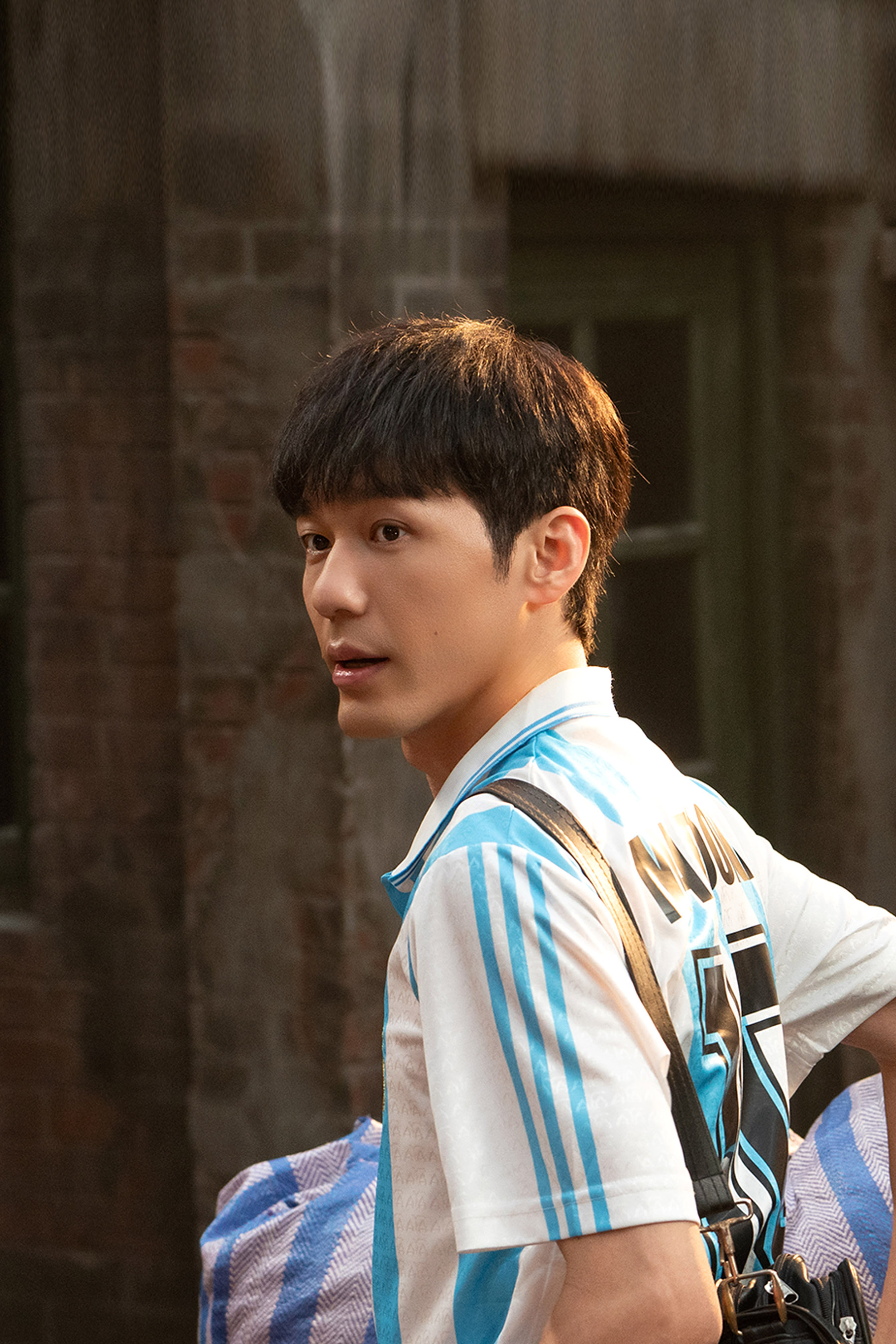
Actor Tian Yu, who plays Guo Zongbao — Xu's actor roommate — says he hopes the drama will help "foreign audiences remember the enthusiasm, kindness and inclusiveness of Beijing natives", noting that the city has a rich history and architectural aesthetic, having served as a home to royal palaces and gardens for centuries.
Tian also hailed Beijing as a multifaceted metropolis with diverse cultures, both modern and traditional — evidenced by the fact that visitors can experience hutong culture while also enjoying the most advanced entertainment, such as watching virtual reality movies.
When asked what drew him to the role, Tian, a graduate of the Department of Acting at the Central Academy of Drama, says he was inspired to become an actor after watching director Zheng's classic A Native of Beijing in New York. "For me, being cast in this drama feels like fulfilling a childhood dream," Tian recalls.
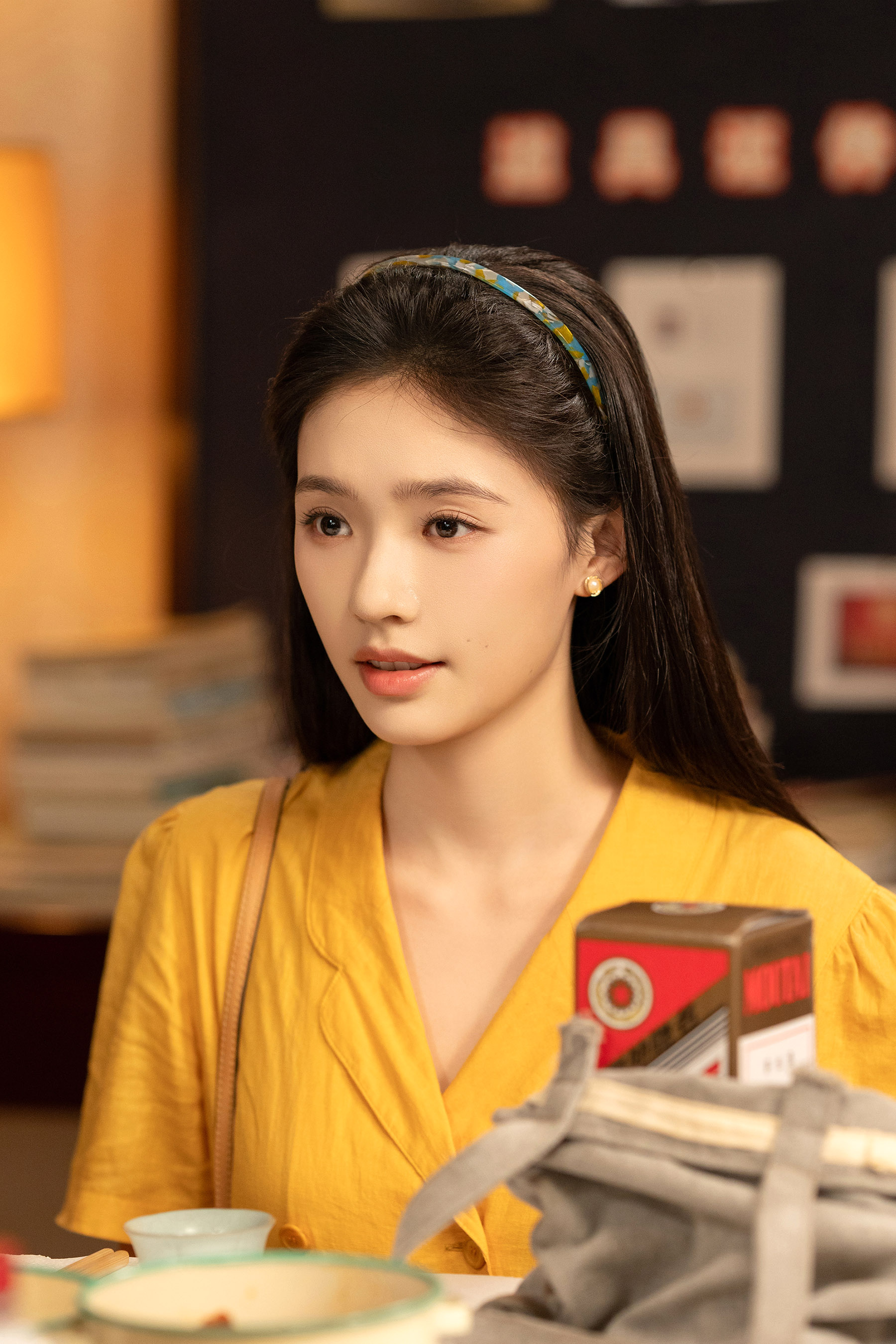
Although the drama is something of a love letter to a bygone golden era, a pressing question still faces television industry insiders today: with the rapid expansion of the internet and advances in digital technology — particularly artificial intelligence — will actors and actresses, especially those not famous enough to be widely recognized, be replaced by AI-generated roles in the future?
"In the film and television industry, AI can provide a lot of help, and it will also replace some jobs — and that's normal, because it's happening in many different industries," Tian says. "But an actor's interpretation of a role — whether it's drawing inspiration from real life, understanding the script itself, or creating an emotional connection with the audience — these are things AI is still unable to do."
ALSO READ: Forging peace from dynastic chaos
Zheng shares a similar view. "I don't really believe AI can replace real actors. It might be able to generate some scenes, or even some characters, but I believe audiences still want to watch stories about people. If AI could replace humans, what would be the point of having humans at all?"
For Zheng, however, the challenge to traditional television production goes beyond AI. It also lies in shifting viewing habits, as younger audiences increasingly gravitate toward short-form videos on their smartphones. "Many people now spend their fragmented moments on short videos, which have come to dominate our entertainment lives, forcing us to focus more on producing truly high-quality works," he says.
Contact the writer at xufan@chinadaily.com.cn
