

By adapting to the small screen and integrating technology, centuries-old Qinqiang is capturing young audiences across the globe, Xu Fan reports.
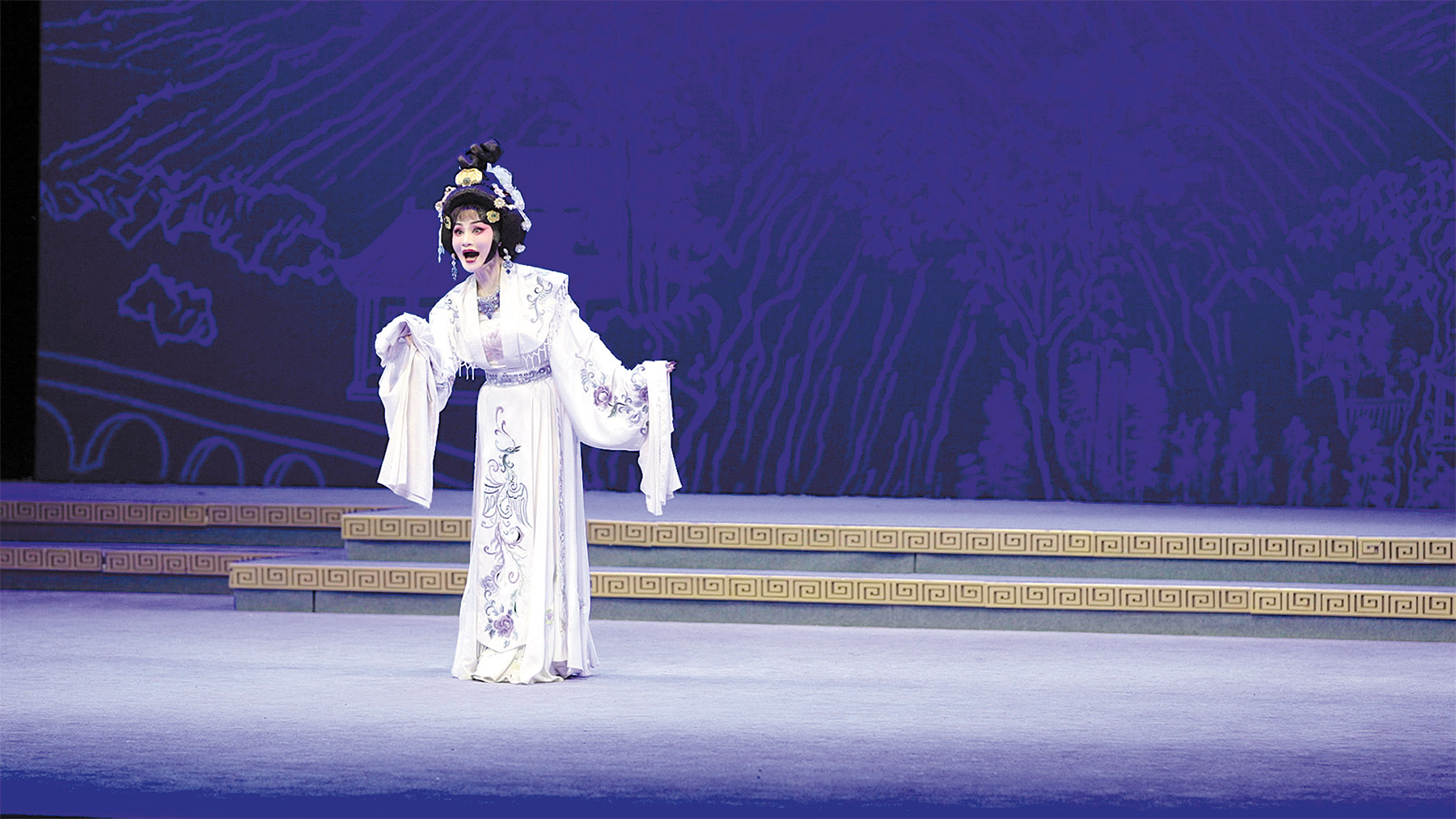
Yang Yuhuan, one of Chinese history's most celebrated beauties, waited for her final breath as the fate of an empire closed in around her.
Yang, the beloved concubine of Emperor Xuanzong of the Tang Dynasty (618-907), was ordered to die as angry soldiers blamed her for the dynasty's collapse and the advancement of rebel forces. Yang was strangled, a tragic end that has been retold in Chinese literature and opera for centuries.
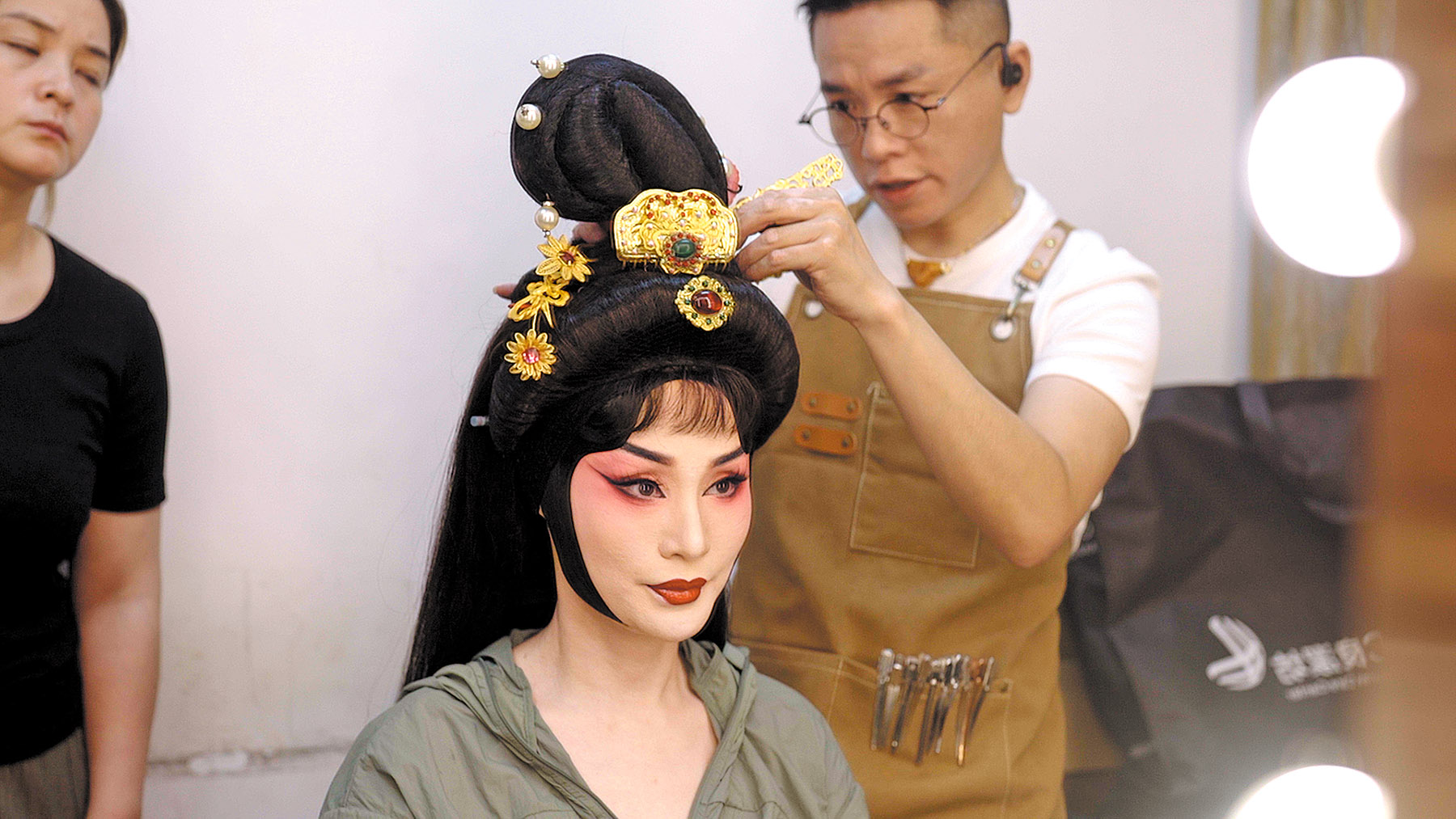
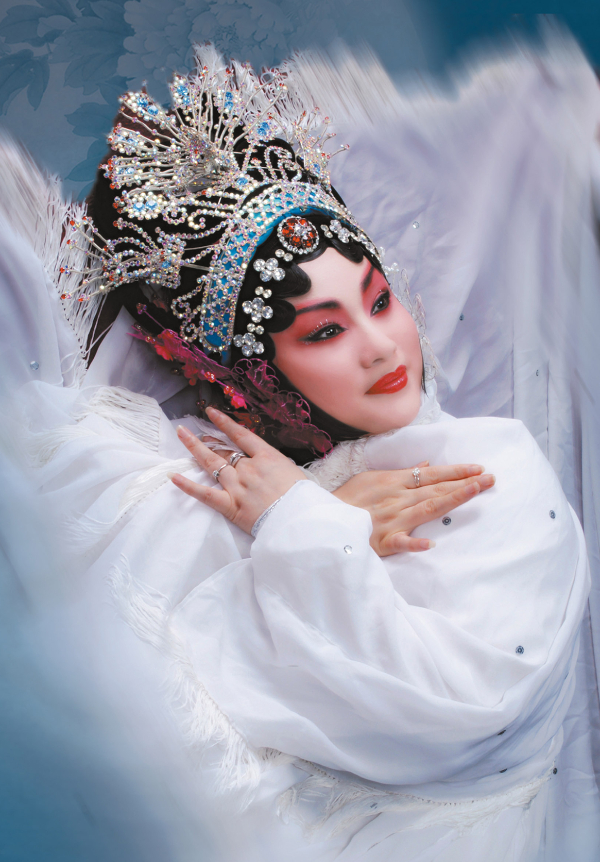
In 2018, Li Mei, a prestigious Qinqiang Opera artist, brought the repertoire Yang Guifei (Concubine Yang) to the 8th Traditional Chinese Opera Festival in Paris. During one performance, as the story reached its most painful moment — Yang weeping over her doomed fate — Li noticed an elderly French audience member sitting in the front row, tears welling in his eyes.
READ MORE: Hit TV drama triggers revival of traditional Qinqiang Opera
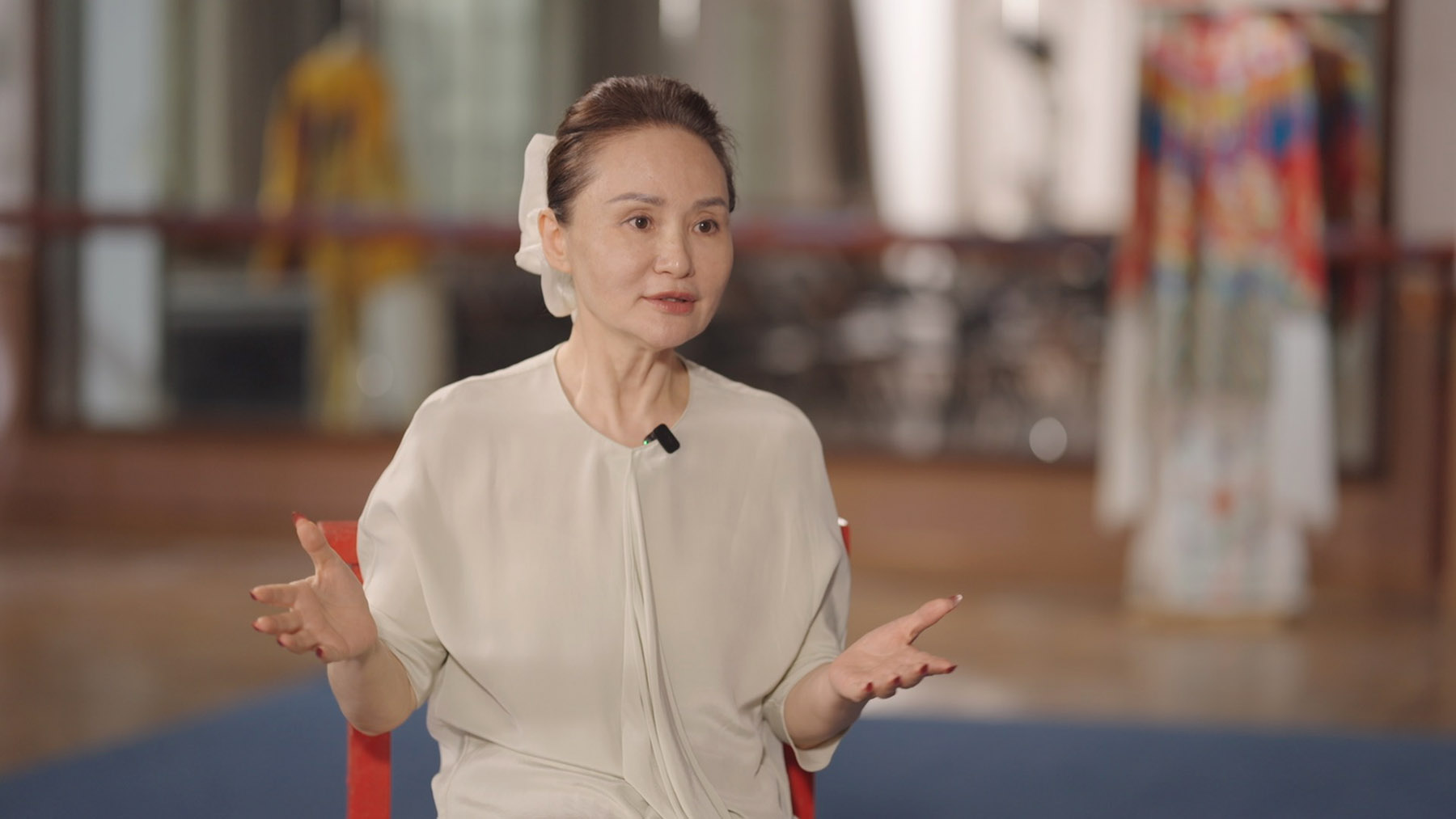
"At that moment, I felt a foreign audience member truly understanding Chinese culture," recalls Li, who is also vice-president of the China Theatre Association and president of the Shaanxi Opera Research Institute.
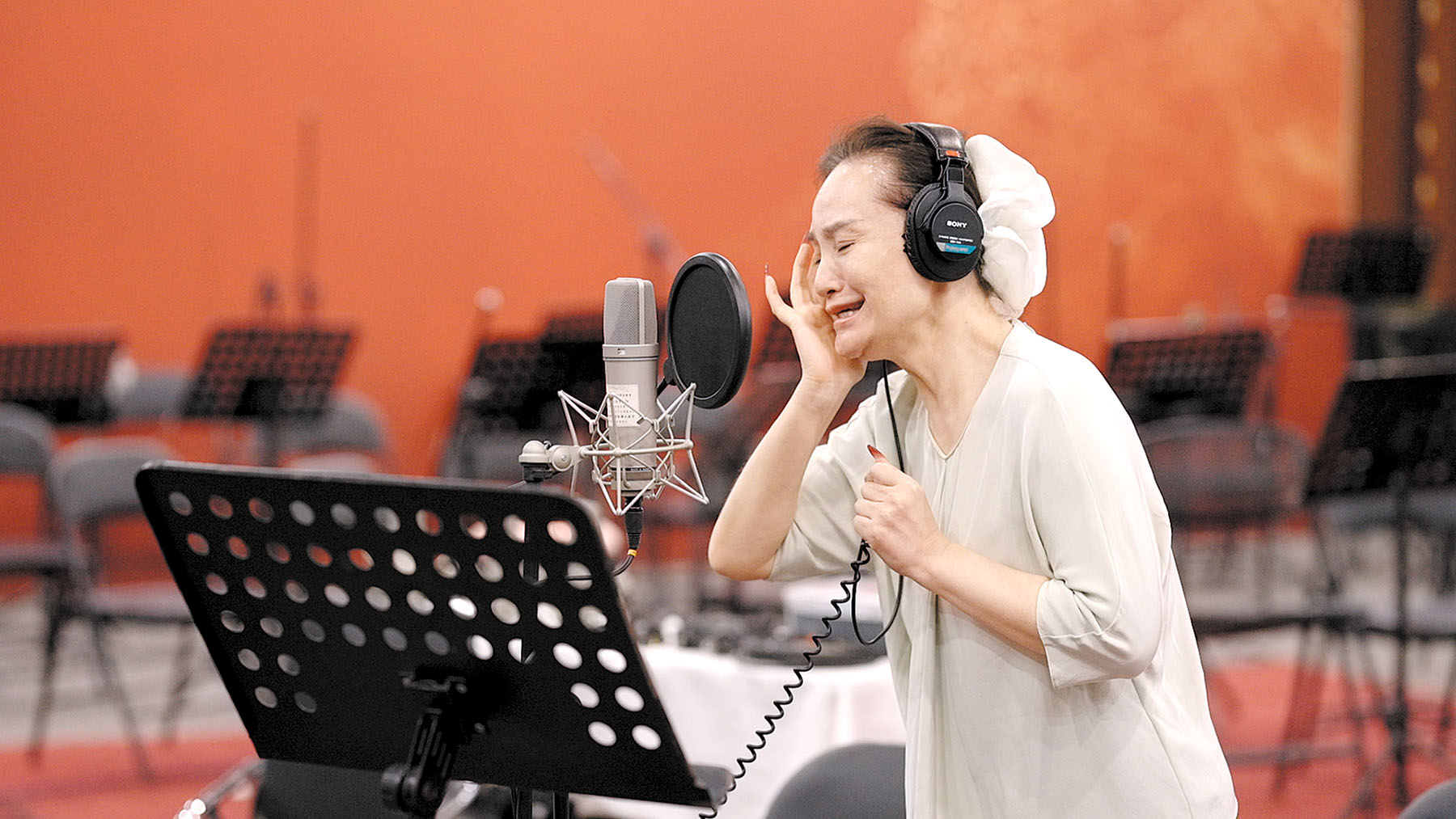
Having performed Qinqiang Opera for more than four decades, Li has traveled to more than 50 countries and regions, gaining a profound understanding of how art can transcend borders and resonate with people from vastly different cultures.
With a history of more than 600 years, Qinqiang — wrapped in Chinese people's collective memories of politics, economy and culture — originated in northwestern China, matured during the Ming Dynasty (1368-1644) and flourished during the Qing Dynasty (1644-1911). Its most prominent characteristics are its high-pitched passion and its stirring, solemn tone.
"We believe that those who sing Qinqiang rarely become depressed. It allows them to pour out their inner emotions, like the Yellow River's waterfall rushing down in a torrent, perhaps carrying mud and sand with it," says Li. "The opera is not delicate, but full of vitality and power."
Reaching new heights
What has most recently propelled this centuries-old opera, one of China's oldest existing performing arts, to new heights of popularity is the hit drama The Lead, a bittersweet story chronicling a talented Qinqiang star's life journey.
Last year, nearly 200 experts and young actors from the institute assisted the cast and crew for the preparation and filming of The Lead, with actress Liu Haocun coached in Qinqiang singing techniques and stage movements.
Starring Liu as Yi Qin'e, a former rural shepherd who strives to become a star, the series generated significant buzz even before its debut earlier this year thanks to a roster of big names attached to the project: iconic filmmaker Zhang Yimou served as executive producer and diva Faye Wong lent her voice to the theme song. For both A-list celebrities, it marked their first contribution to a small-screen project in decades.
The script is adapted from the 10th Mao Dun Literature Prize-winning novel of the same title, penned by writer Chen Yan, the former director of the Shaanxi Opera Research Institute. During his more than 20 years at the institute, Chen witnessed many actors transform from newcomers into stage stars — experiences that became the wellspring for the novel.
Veteran actor Zhang Jiayi, who plays Yi's uncle and also serves as the show's artistic director, had previously starred in The Stage, a 2019 TV drama adapted from Chen's novel Zhuang Tai (Setting the Stage), about a grassroots stage crew. That experience, combined with Zhang Jiayi's roots in Shaanxi province, gave him a deep understanding of the opera and its cultural traditions.
"Zhang Jiayi and his team hold great reverence for traditional art forms," says Li, adding that the team spent eight years preparing and producing the drama, with five years devoted to polishing the script.
The painstaking preparations appear to have paid off. According to China Media Group, the show's broadcaster, all 48 episodes and related videos have been viewed online more than 3 billion times. Riding the wave of fan enthusiasm, content derived from the series, ranging from the Shaanxi local dialect to Qinqiang and other cultural elements tracing back to the Qin Dynasty (221-206 BC), which established its core regime in Shaanxi, has generated a striking 5.3 billion clicks.
The surge in online attention has also spilled beyond the screen and onto the stage.
"After The Lead became a hit, we closely followed up by consistently staging more than 10 performances of the operas featured in the TV drama, with tickets quickly selling out," recalls Lyu Jiangtao, a 30-year-old actor at the Shaanxi Opera Research Institute.
There is one particularly striking change: Qinqiang's audience used to be predominantly older people. Now, young viewers are showing up in growing numbers, drawn in by the drama's popularity. "Many young people even made special trips, flying to Xi'an, the provincial capital, just to watch the operas," Lyu says.
The four operas featured in the TV drama and arranged for television fans are Da Jiao Zan (Fighting Jiao Zan), featuring a heroine of humble origins during the Song Dynasty (960-1279); Hua Ting Xiang Hui (The Meeting at the Flower Pavilion), recounting the reunion of a couple separated against their will during the Ming Dynasty; Yang Men Nyu Jiang. Tan Gu (Female Generals of the Yang Family — Exploring the Valley), centering on the legendary female general Mu Guiying; and Gui Yuan. Sha Sheng (Ghost's Lament — Killing), about a young woman's brave pursuit of love.
"It's like touching an elephant's leg, if you only know Qinqiang from the TV drama. But once you watch more of our livestream shows, you'll see the whole elephant and probably fall in love with it," says Li.
Into the digital age
Hailed as the ancestor of many traditional Chinese operas, Qinqiang was once a prevailing art form but later went through a period of decline amid the entertainment industry's rapid expansion. Today, however, the centuries-old art is finding new life — not only through the popularity of The Lead, but also through new technologies and innovative approaches to presenting traditional culture.
For Li, the need to adapt is personal. "When I was 15 or 16, I felt confused and struggled, thinking that Qinqiang was dying. We couldn't sell tickets back then," she recalls.
Yet encouragement from veteran experts persuaded her to stay on the stage. Decades later, she sees technology not as a threat to tradition, but as one way of keeping it alive.
"Qinqiang is a precious treasure left to us by generations, constantly nourishing our bloodline and spirit. That is why the further we go, the more grounded and confident we feel," she says. "I firmly believe that traditional culture must embrace the times and technology; only then will it not be forgotten by the passage of time."
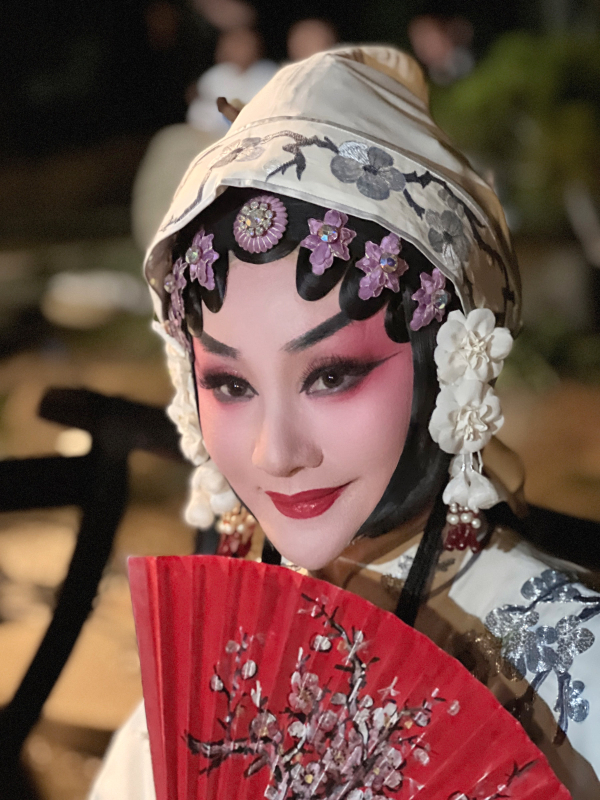
That philosophy is now being put to the test in an ambitious new project: an extended reality remake of Gui Yuan. Sha Sheng, featuring two iconic scenes from the classic Qinqiang opera Zai Xu Hong Mei Yuan (A Reunion at Red Plum Pavilion).
Li has performed the opera more than 1,300 times. It tells of a legendary romance in which a young woman, murdered by her ruthless high-ranking official husband, returns as a ghost to seek revenge and rescue the man she truly loves.
The XR project seeks to bring the performance closer to audiences in a way a conventional stage cannot.
Shot with a binocular panoramic 3D film camera at a high rate of 90 frames per second and with a 180-degree field of view, the project has completed more than 10 minutes, or half of its overall 20-minute runtime.
It vividly re-creates two famous Qinqiang stunts: "wo yu" — a posture requiring the performer to squat slowly with extreme flexibility, and "chui huo", a stunt involving bursts of flame blown from the mouth.
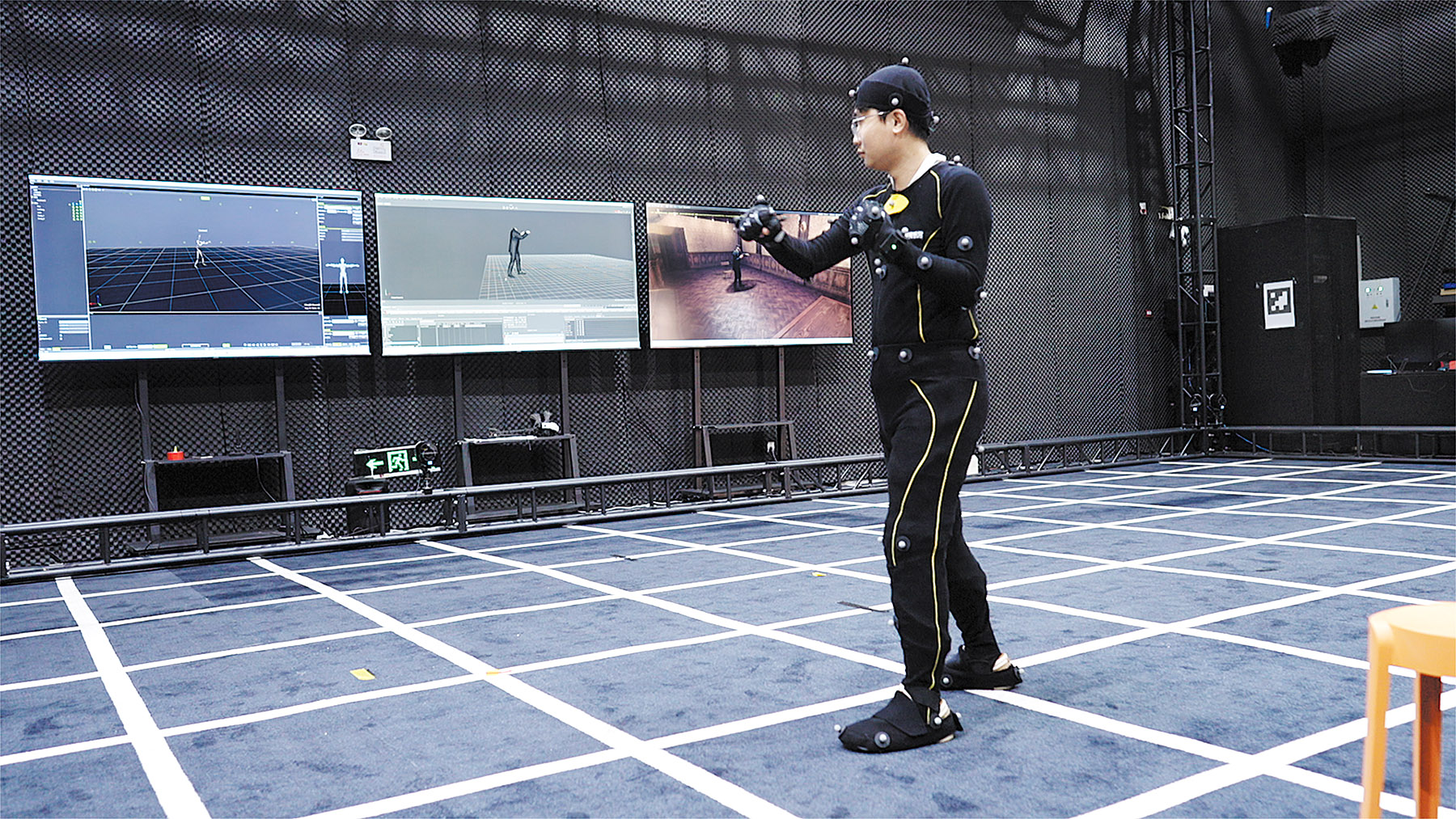
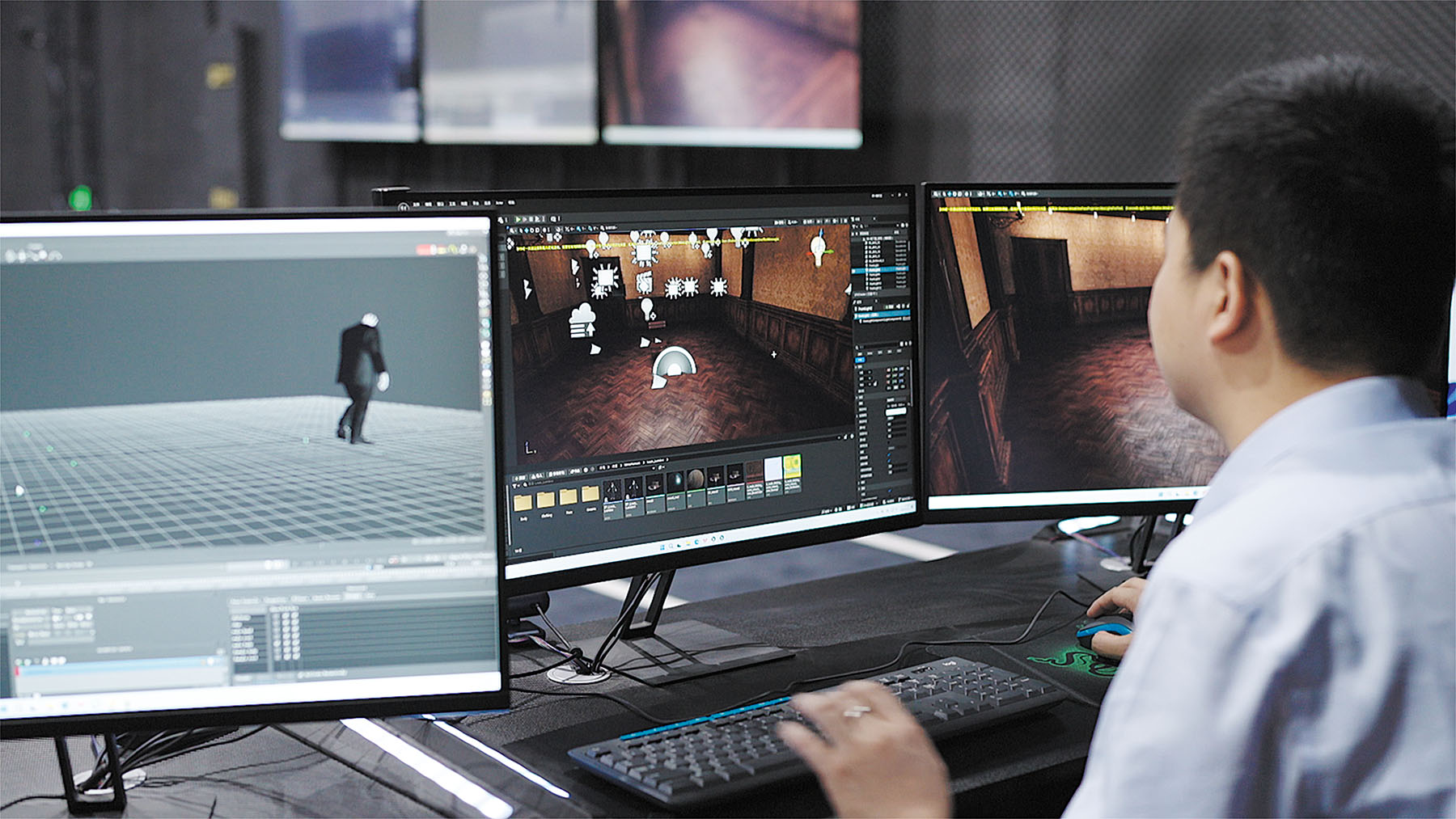
For audiences wearing an extended reality headset, the experience is deliberately intimate. Flames appear to burst just inches from their eyes, creating a visceral sensation that places viewers almost inside the performance rather than at a distance from the stage.
Wang Jixuan, director of the management office of the Xi'an XR Film Industry Base, says the project offers audiences a perspective rarely available in a conventional theater, where the stage can feel distant.
ALSO READ: From general to global deity
"Such close-range performances give the audience an immersive feeling, delivering an unparalleled sense of awe," he says.
Zhang Feng, supervisor of the Xiying Boundless XR Cinema, says the film marks the first attempt to combine advanced XR technology with intangible cultural heritage, adding that they will continue to explore the field further.
For Qinqiang Opera, the challenge is no longer to preserve an old art form, but to find new ways for audiences to see, hear, and feel it. The stage may change, but the voice remains.
Shi Futian contributed to this story.
Contact the writer at xufan@chinadaily.com.cn
