

Restaurants, sommeliers and sellers trumpet international quality of Ningxia varieties

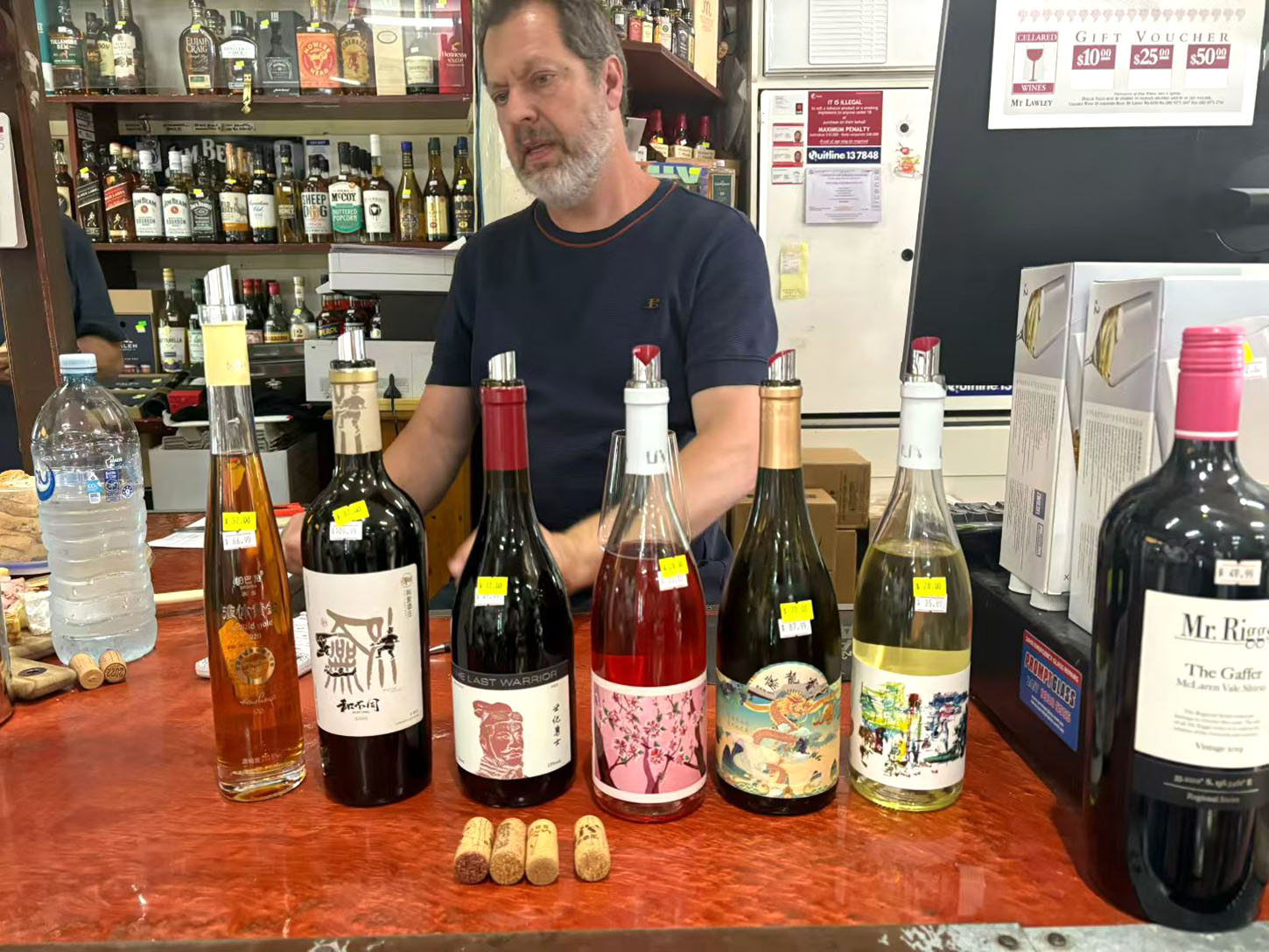
In June, Australian wine shop owner Ann Marie Tamburri made a personal trip to Northwest China's Ningxia Hui autonomous region and visited five wineries in two days.
"I was curious and wanted to learn more. So I paid for my own trip there," said Tamburri, who owns the La Vigna wine and liquor store in Perth, Western Australia.
Tamburri's interest in Chinese wines began when she first tried them about a year ago.
"We tasted about 18 wines from China. We were impressed with some of the wines …They're outstanding," she said. "We were curious to know more, and that's how it started. And so from there, we went on to list some (Chinese) wines in our wine shop."
READ MORE: Once-barren region now a growth hub
Her positive take reflects how one of China's top winemaking areas is making headway in Australia, a leading player in the global industry.
Niu Xiaotong, general manager of Australia Northwest Liquor Trading company in Perth, promotes wines from the eastern foothills of the Helan Mountains in Ningxia.
Reaping the rewards from decades of major investment, the winemaking hub in Ningxia's capital, Yinchuan, with its high-altitude, desert-like climate near the Yellow River, has won international acclaim for its products.
Niu, who introduced Ningxia wines to Tamburri, said Western Australia's strong economy and consumer purchasing power made it a suitable location to introduce the region's premium wines.
He started promoting Chinese wines in Australia in October 2023, when the first shipment of Ningxia samples, including about 200 cases, arrived in the country.
"After about a year and a half of market promotion, research, and exploration, we selected 18 products from the initial range and shipped another 803 cases to Australia in mid-2025," Niu said.
By then, the number of distributors selling Ningxia wines had grown to 86 across Australia, covering mainly local bottle shops, fine dining restaurants, and wine bars, he said.
"At present, we are the largest importer and wholesaler of Chinese wines in Australia."
Niu said another key reason Ningxia wines have been relatively well received in Western Australia is their similarity to local wine styles.
"Australian wines are generally known for their prominent floral and fruit aromas, approachable style, and easy-drinking characteristics, while wines from the eastern foothills of the Helan Mountains share some similarities with those from Western Australia's renowned Margaret River region," he said.
The advantage of Ningxia wines in Australia lies in their novelty. They also satisfy the curiosity of many local consumers, he said, adding that the differences in grape varieties and winemaking methods allow Ningxia wines to complement Australian ones.
Experts impressed
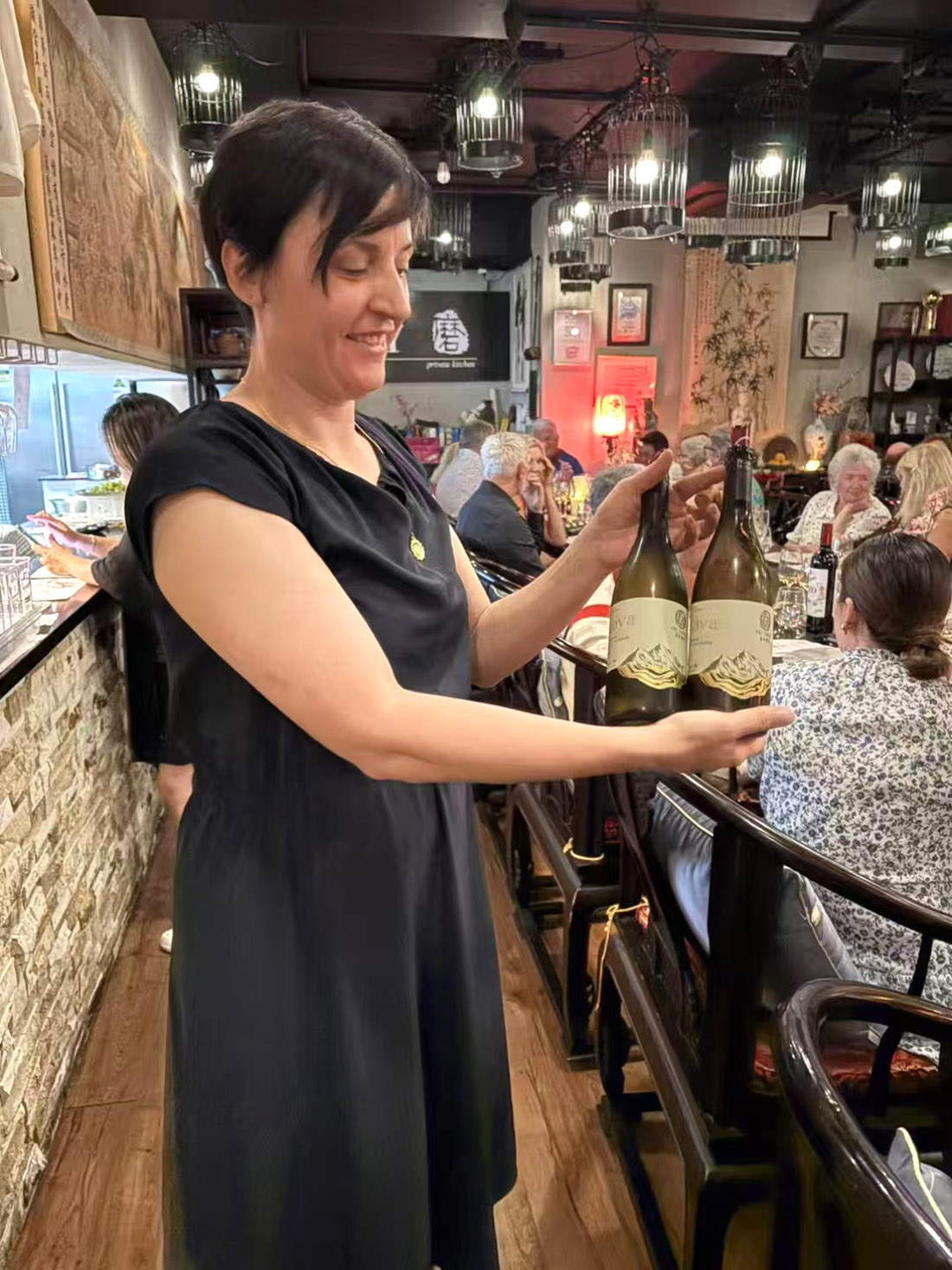
Gianmattia Giordano, group sommelier for Hunter Street Hospitality, which is behind award-winning, high-end restaurants in Sydney, Melbourne, and Perth, said the company recently introduced a selection of Chinese wines. Diners can explore not only Ningxia's wines but other leading Chinese products.
While it is a relatively new category, awareness is growing and Chinese wines have generated strong interest, particularly in Australia's sommelier community, he said.
"We believe it's important to showcase outstanding wines regardless of where they come from, and Ningxia has established itself as one of the world's most exciting emerging wine regions," he said.
"Ningxia's high altitude, dry climate and significant day-to-night temperature variation produce wines with concentrated fruit, fresh acidity and well-structured tannins," Giordano said.
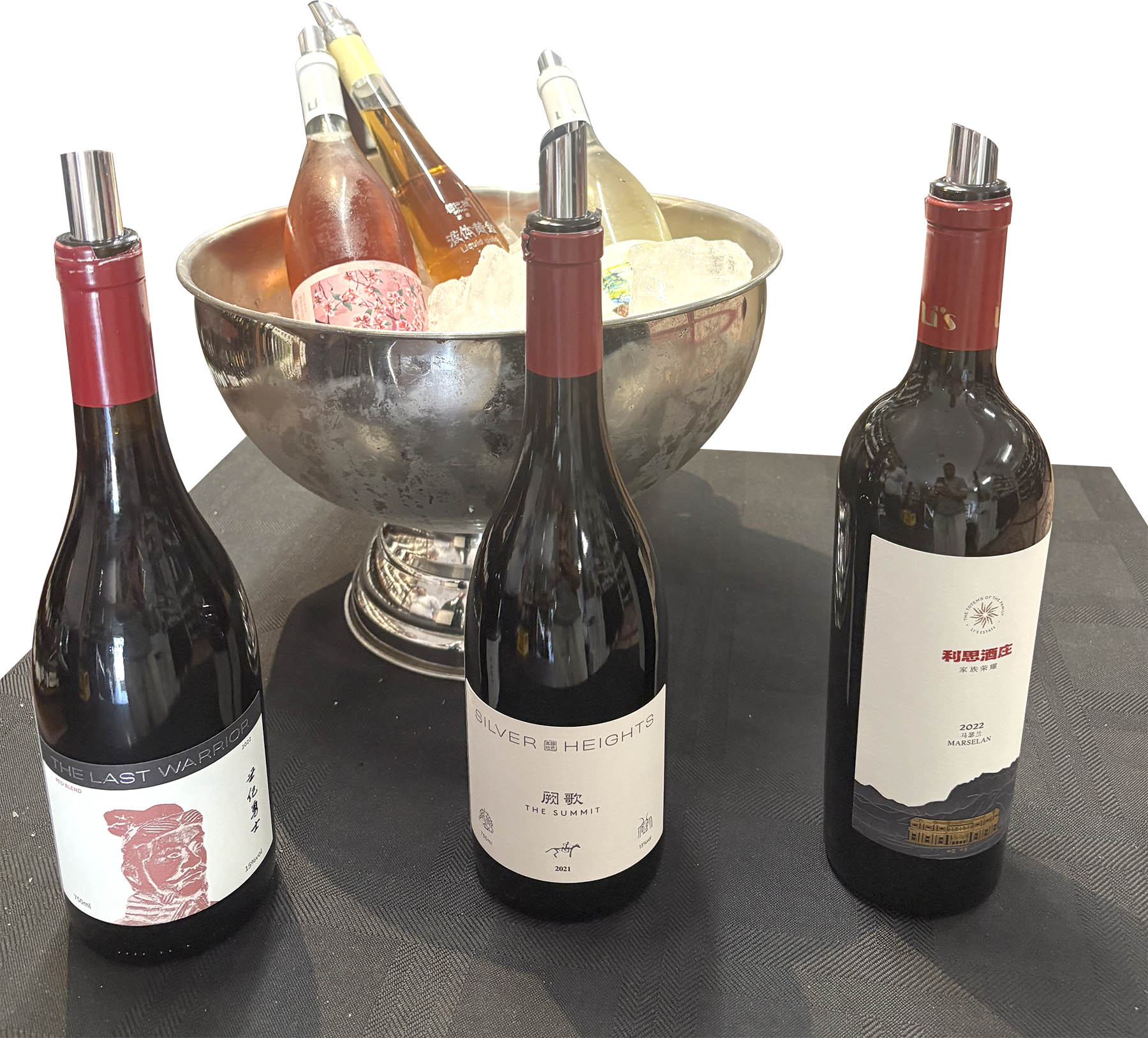
The region is best known for its cabernet sauvignon and French Bordeaux-style wine blends, although varieties such as marselan are also showing great promise, he said.
"One of Ningxia's greatest strengths is that it combines exceptional natural resources with the expertise of leading winemakers and viticulturists from around the world, many of whom have been drawn to the region's potential and are helping shape its evolution into a world-class fine wine region," Giordano said.
Jase Wong, owner of Shanghai-inspired Modu Bar and Kitchen in Perth, said it introduced Ningxia wines this year as part of its commitment to showcase the diversity of modern Chinese food and beverages.
"As an Asian fusion venue, we wanted our wine program to go beyond the familiar and offer guests something unique that complements our cuisine," he said.
"We currently feature a selection of premium wineries from Ningxia, with an emphasis on cabernet sauvignon blends that pair well with our menu."
Tamburri said one of the things that stood out during her Ningxia visit was the strong presence of women winemakers.
Many were entrepreneurial, had studied or worked overseas, and were bringing international experience back to their own estates.
There is also a cultural shift in Ningxia, similar to what is happening in Australia, with younger winemakers "beating the drums for the region", she said.
Feedback from her customers has been very positive, she said. Many didn't know that China produces wine, where Ningxia is located, or even that there was a wine region in China, she said.
Tamburri said customers became interested after she explained the story behind the wines and were pleasantly surprised by how good and well-made they were, which she described as "the exciting part for us as retailers".
"Consumers are coming back and repurchasing, like they would any wines from other international regions."
Rapid development
Ningxia's wine industry has recorded rapid development in recent years, with the Helan Mountains area now producing 140 million bottles a year, nearly half of China's total estate wine production, according to regional statistics.
Last year, Ningxia's wine exports reached about 14.49 million yuan ($2.14 million), a year-on-year increase of more than 5 percent.
Gao Tianshu, director of the marketing division of the management committee of the Ningxia Helan Mountain East Foothill Wine Industry Park, said as the region pursues high-quality development and greater international openness, Australia provides many benefits.
Rather than simply viewing Australia as an export market, Ningxia sees it as an important platform for benchmarking against international standards, strengthening two-way exchanges, and expanding its overseas presence, he said.
Ningxia can learn from Australia's well-established wine industry, while the Australian market itself offers many advantages, including a mature consumer base, Gao said.
China is the top destination market by value for the Australian wine sector, accounting for 36 percent of exports in 2024-25, according to statutory authority Wine Australia.
"In recent years, China-Australia economic and trade ties have continued to recover, bilateral exchanges have become smoother, and the overall export environment has steadily improved, creating favorable external conditions for us to further develop the Australian market," Gao said.
Ningxia's short-term goal is to establish a solid presence in mainstream local sales channels and promote the brand of wines from the eastern foothills of the Helan Mountains, he said.
They will be marketed as a distinctive expression of "Eastern terroir" — a combination of soil, climate and sunlight that gives grapes their distinctive character.
In the longer term, Ningxia hopes to leverage Australia's mature and well-regulated market to develop a replicable overseas marketing and operating model, he said.
This will also help accumulate international experience, and support establishing the eastern foothills area as a world-renowned wine region.
A pleasant alternative
Michael Tamburri, Ann Marie's father and former chair of the International Wine and Food Society's Asia-Pacific zone, said marketing Chinese wines to Australian consumers is a crucial step in the expansion of the Chinese industry.
Varieties like marselan that go beyond the strong, heavier styles of cabernet and shiraz that are popular in Australia, could gain a foothold if appropriately priced.
"They (buyers) shouldn't think they're going to get an Australian wine, they've got to think traditional, very well-made Chinese wines," he said.
He also praised Chinese white wine varieties as "very good". "They're very fresh and modern. White wine can be a little bit more delicate, a little softer, easier, and it goes well with all foods, especially Asian cuisine," Tamburri said.
Gaining international exposure for Chinese wines will require winemaking regions like Ningxia to attract tourists to witness the impressive development of the sector, he added.
"China is the best place in the world to see all of that … Their vineyard management, nothing compares to it," he said, citing the example of how Ningxia grape growers bury their vines in the ground every winter to shield them from the extreme cold.
"It's an incredible practice, but also an incredible story," he said.
Giordano from Hunter Street Hospitality said compared with Australian cabernet wines, those from Ningxia often have a slightly more restrained style, with firm structure, freshness, and excellent aging potential.
"While they remain distinctly Chinese in identity, they are increasingly demonstrating the precision, complexity, and sense of place expected of the world's leading wine regions," he said, adding that Sydney, one of Australia's most dynamic dining and wine scenes, is an ideal city to introduce emerging wine regions.
Educating the public
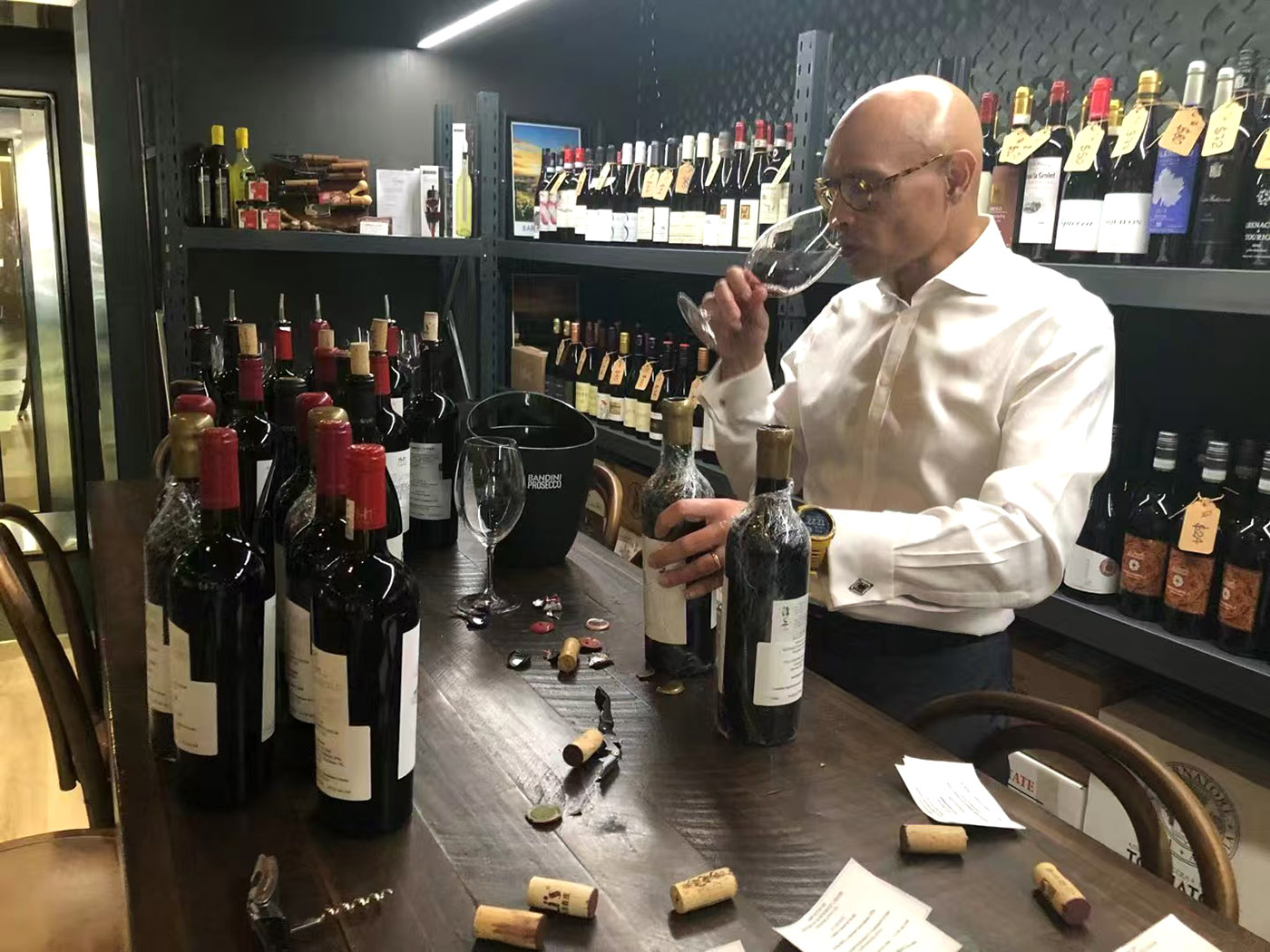
Restaurants with experienced sommelier teams can educate guests, recommend pairings with food, and build confidence in the category, he said.
Premium dining venues are often where consumers first discover new wine regions before they become more widely recognized.
"Including myself, we're still quite new to the world of Chinese wines," Giordano said. "My sommelier team, our guests, and I, are all on a journey of discovery, and that's what makes it so exciting."
"We want to explore these wines and support what we believe is one of the most promising emerging wine regions in the world. While there's still a lot for us to learn, we're eager to deepen our understanding and share that experience with our guests," he said.
Wong, from Modu Bar and Kitchen, said, the restaurant's philosophy is to celebrate contemporary Asian flavors while respecting tradition. "Ningxia wines align perfectly with that vision — they represent a new generation of Chinese craftsmanship that is innovative, ambitious, and world-class," he said.
Offering Ningxia wines allows Modu to introduce diners to another side of China beyond its cuisine, creating a more complete dining experience and encouraging cultural discovery through food and wine, he said.
ALSO READ: Friendship in wine-derland
Compared with many Australian reds, Ningxia wines often show greater freshness and elegance while still offering good structure. Wong described them as sitting somewhere between the richness of some New World wines and the restraint often found in classic European styles.
Perth is a multicultural city with a vibrant food and wine culture. Diners are curious, adventurous, and open to trying new experiences, making it an ideal market for introducing premium Chinese wines, he said.
"Wine dinners, tasting exhibitions, and staff recommendations all play an important role in building awareness and confidence among consumers," Wong said.
As more Australians discover the quality of Ningxia wines, he believes they will receive greater recognition alongside wines from established areas like Australia, France and Italy, he said.
"The biggest challenge isn't the wine itself — it's familiarity. Some customers are initially hesitant simply because they haven't heard of Ningxia before," he said.
"Once they taste the wines and learn about the region's winemaking story, many become enthusiastic supporters and are happy to recommend them to friends."
Contact the writers at xinxin@chinadaily.com.cn
