

Veteran ink artist turns to rhymed verses of the Song Dynasty for inspiration, as his works become an immersive ongoing exhibition on the Bund, Lin Qi reports.
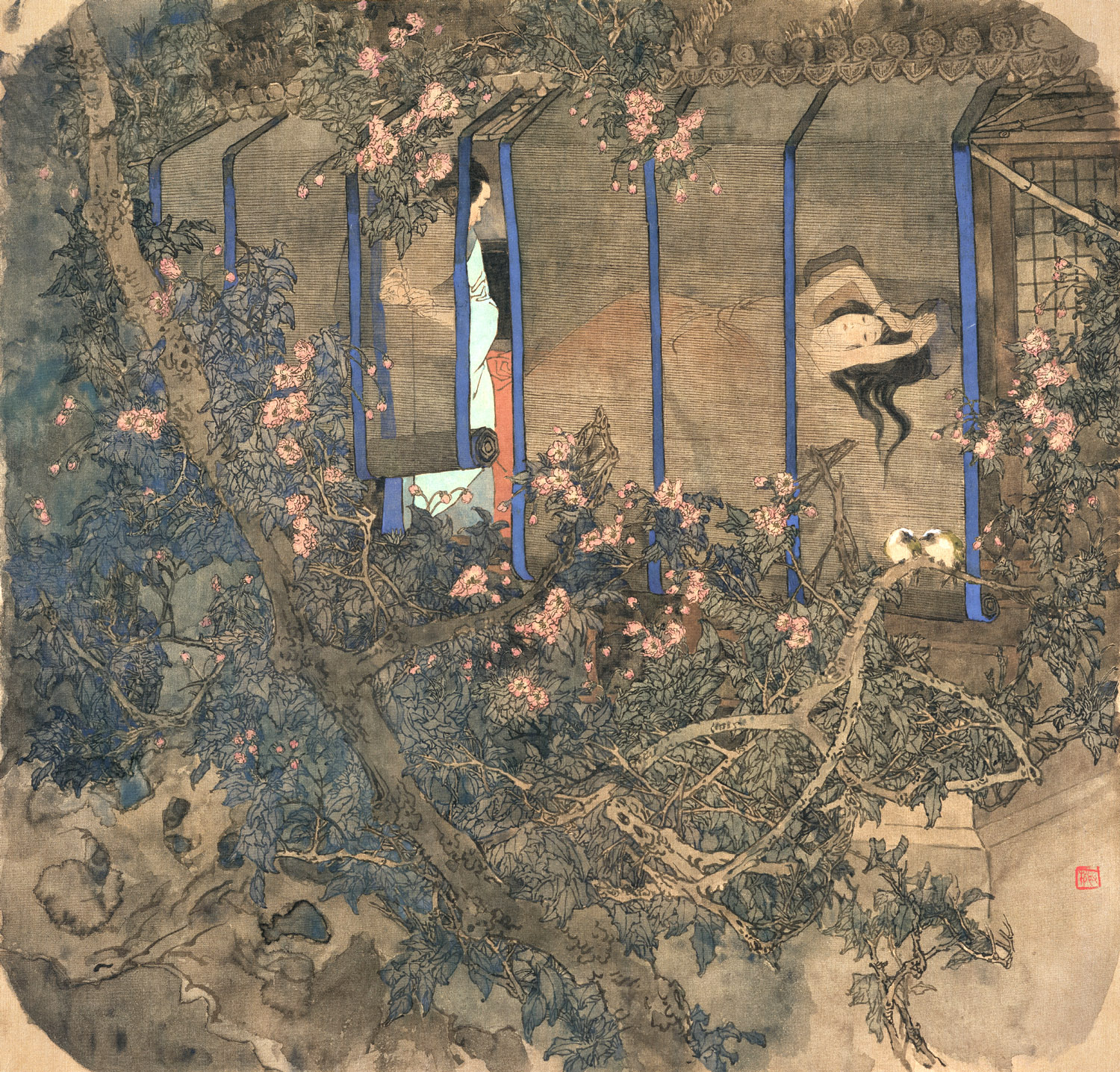
"In the dim, bewildering realm of pond and floating weeds, ripples tremble on the clear water; amid the pink mist and blue haze, one's resentment melts; the fragrance of lotuses veils the water, the flowers swell as if their crimson hue colored the waves into rouge, and the pool became a mirror to reflect a myriad of beauties competing with envy."
In his ci (rhythmic verses) work, To the Tune "Guo Qin Lou" . Lotus, Southern Song Dynasty (1127-1279) poet Wu Wenying depicted a dazzling scene of the prosperous lotus pond immersed in a mystic, mournful mood.
ALSO READ: The therapeutic power of lotus flowers
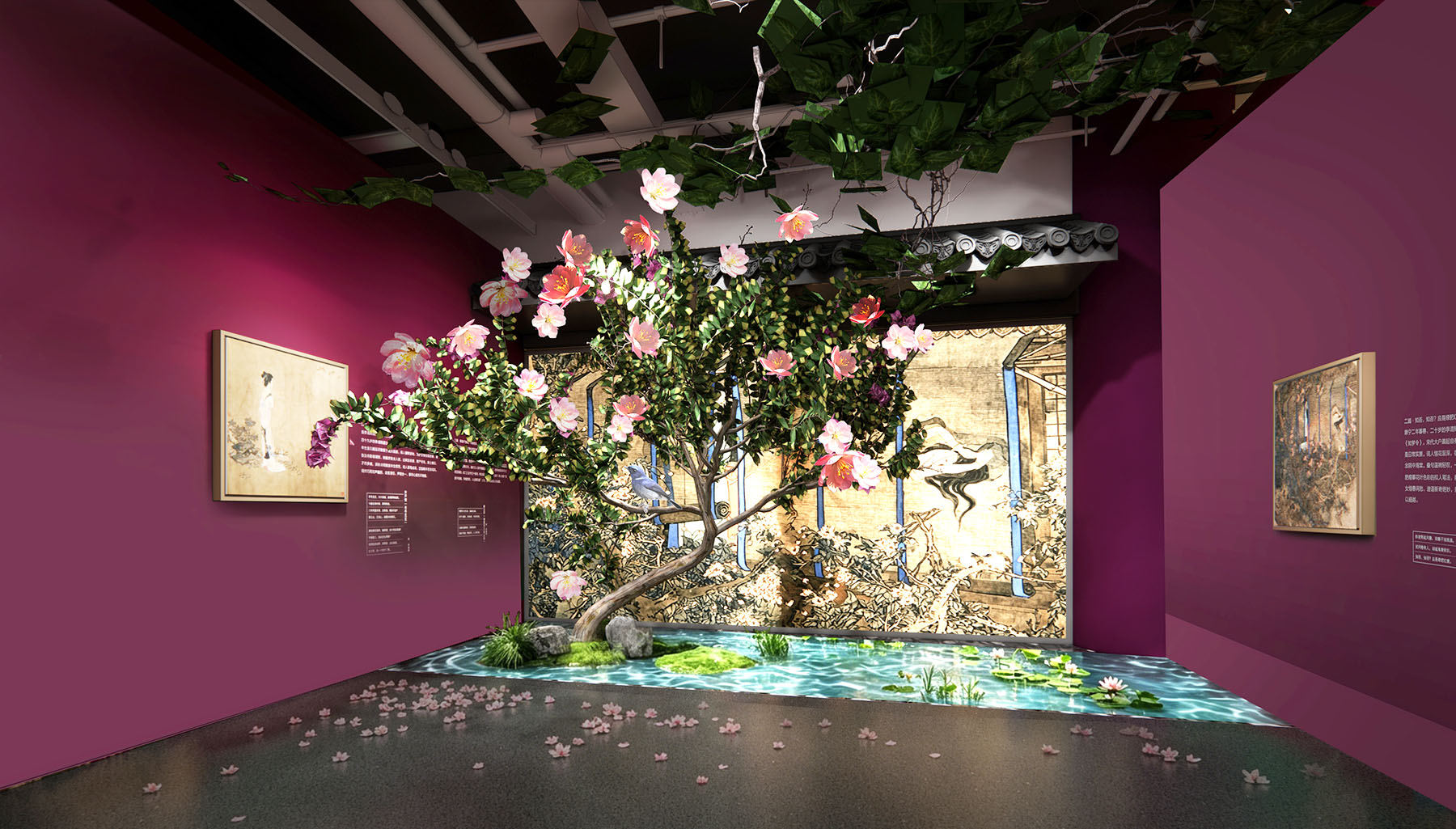
The refined, sophisticated verses Wu composed some 800 years ago are now rendered through paintings and technological devices, depicting a vivid lotus pond veiled in wispy fog, providing a cool haven amid the summer heat and a one-of-a-kind ethereal experience that characterizes Song Dynasty (960-1279) aesthetics.
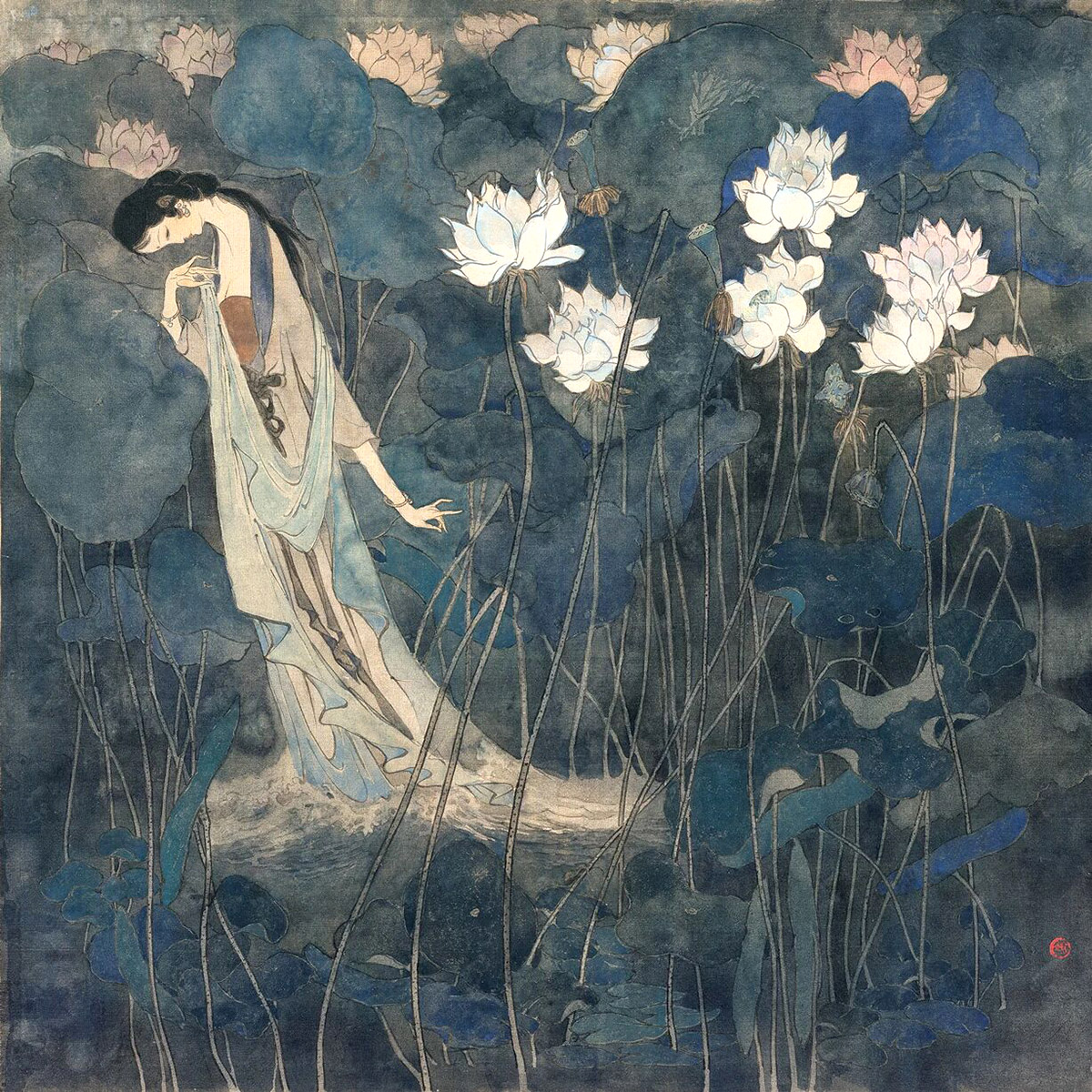
The cinematic scene, derived from an ink painting by veteran artist Dai Dunbang, born in 1938, is one of several immersive spots at Echoes of Song Ci, an exhibition to inaugurate the Daidunbang Art Museum's opening on July 9 in Shanghai, where Dai has lived and worked for decades.
The gallery is located at Bai Work on Hong Kong Road, a European-style building constructed in 1920 that has been transformed into a complex for culture and arts, offices and retail. Situated in the metropolis' historical commercial Bund, the building is surrounded by historical architecture and landmark sites.
Now, Dai's vivid brushwork is diversifying the area's cultural tableau by celebrating the depth of classical literature and the tradition of ink art. This inaugural exhibition, running until Oct 8, is a colorful narrative of Dai's lifelong oath: "With Chinese brush and ink, (I) paint the tales of China."
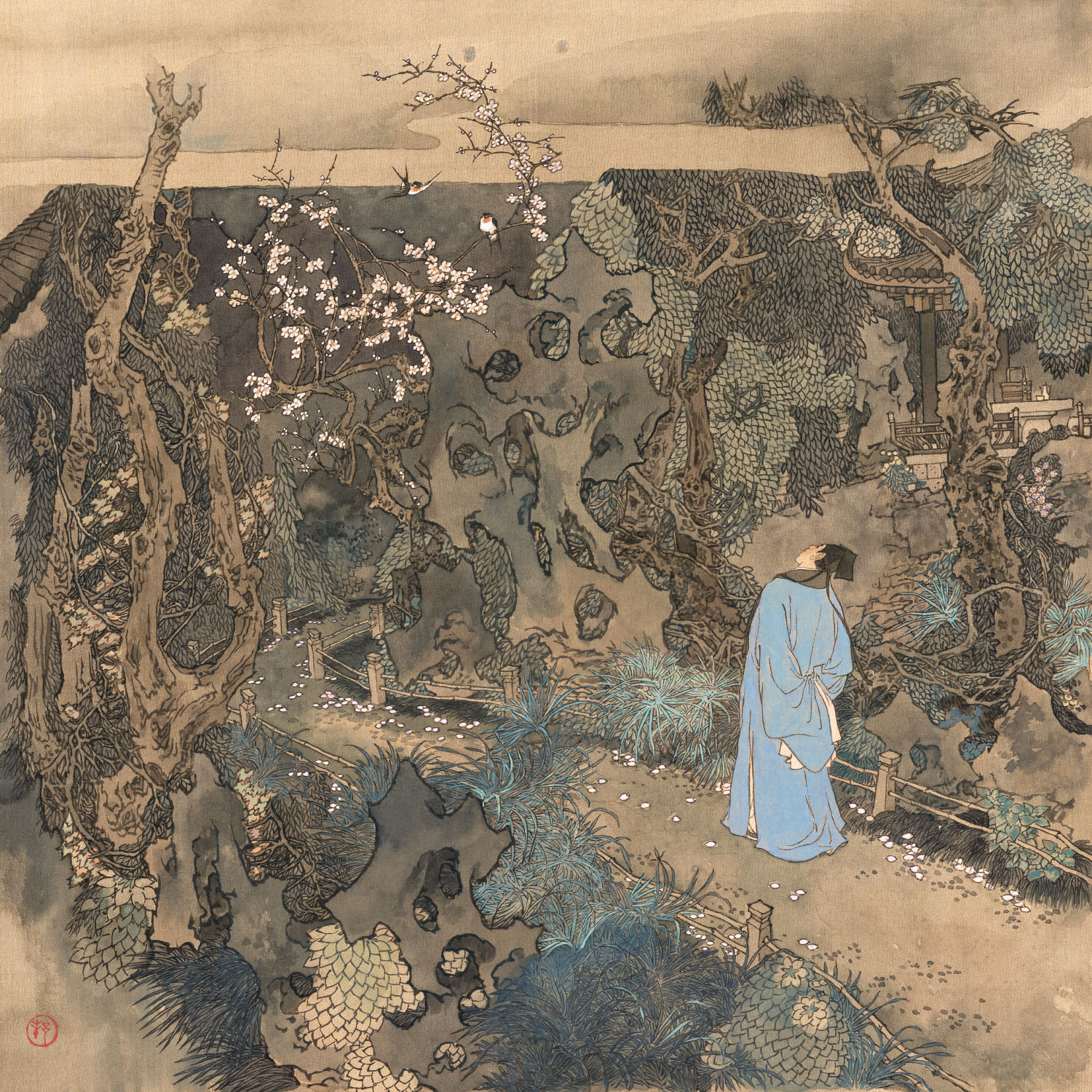
Between 1987 and 1991, Dai created 56 paintings inspired by Song ci poetry, done in the gongbi (meticulous brushwork) style of Chinese painting on silk. These works were featured in a collection of illustrated books published in 2025, which also cataloged his paintings drawn from Tang Dynasty (618-907) poetry and famed literary works of other periods.
The ongoing exhibition features most of the works from his Song ci series, illustrating the poems of over 40 authors, including Wu Wenying. Aided by illustrated boards, interactive installations, and light and audio settings, the works transport audiences centuries back to an elegant, elusive world.
"In the long course of history, Tang and Song poetry represents the quintessence of our literary heritage, standing as a summit of artistic expression. Centuries separate these creators from us, and I read their texts with great care. The popularity of my works proves my earnest devotion," Dai says.
Song paintings were done on both paper and silk. To capture the splendor of Song art, Dai learned to paint on silk, a medium he had been unfamiliar with. He re-creates the refined sophistication of Song court paintings and integrates unpolished lines to form his own unique style.
While poets condensed the prosperity and upheavals of the Song over 300 years into verses of varying lengths, with flamboyance and melancholy, Dai details the passion, sentiments and timeless romance embodied in these lines with an elegant, conservative palette. Audiences will find these artistic qualities in his depiction of young women enjoying spring scenery, derived from Yan Shu's verses, or "of the burgeoning streets bustled with people in celebration of Chinese New Year", inspired by Wang Anshi's verse.
Dai's paintings are also a feast for fashionistas of classical outfits, hairstyles and accessories. He is attentive to the various ways women of different social ranks dress: those from well-off families wear towering hair buns to impress, while common girls favor low hairdos for the convenience of domestic work.
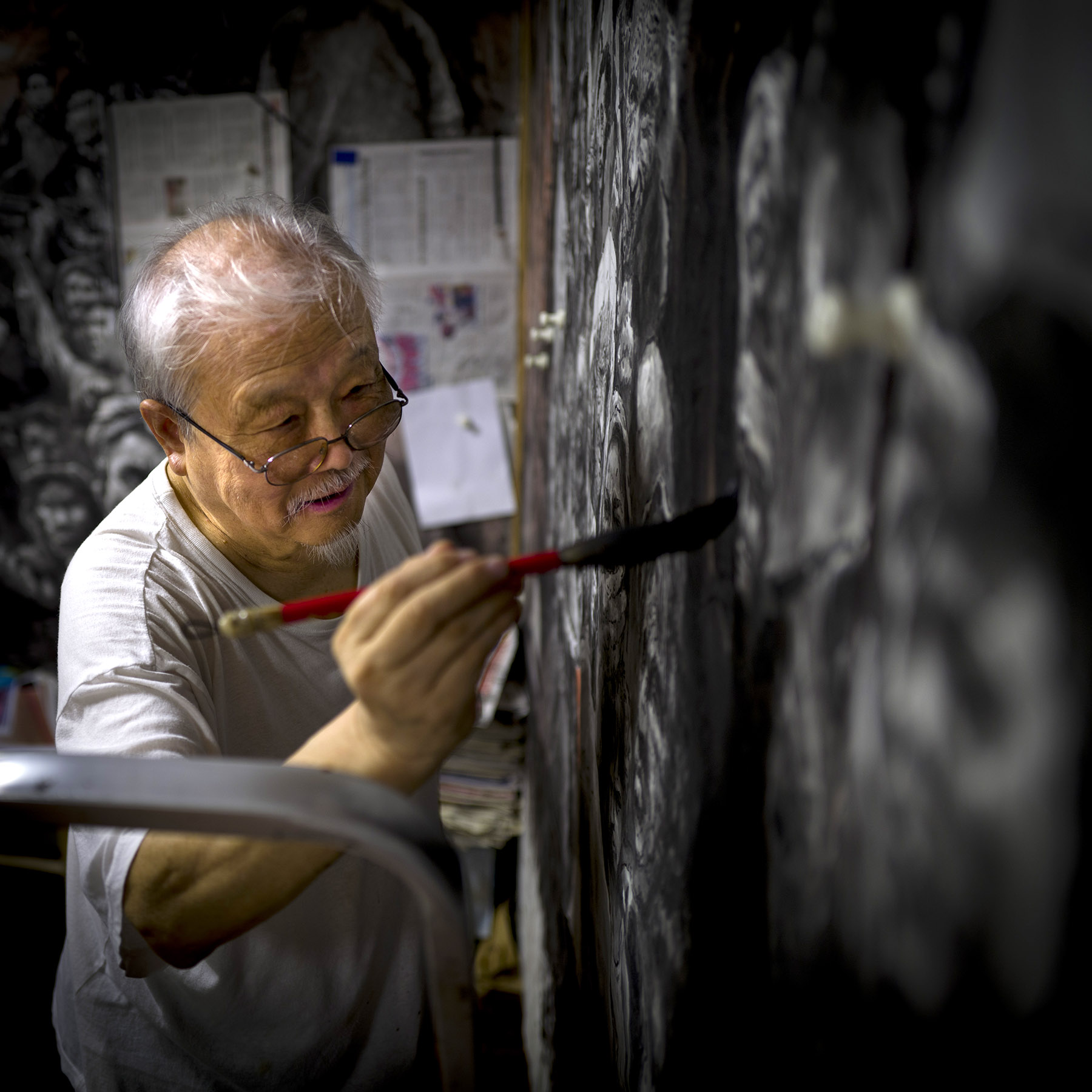
One of Dai's most celebrated works is a testimony to his painterly passion for literary classics: a long scroll of figures that appears at the end of Shui Hu Zhuan, adapted from The Water Margin, or Outlaws of the Marsh, a highly rated historical drama that first aired on China Central Television in 1998. The TV series was adapted from the eponymous novel by Shi Nai'an, set in the 14th century amid the turbulence of the Northern Song Dynasty (960-1127), and narrates the story of a group of outlaws who organize an uprising against a corrupt imperial court.
ALSO READ: Painting the year's hidden rhythms
Dai's work depicts the 108 heroes who band together to resist oppression.
His prolific output also includes Journey to the West, Dream of the Red Chamber, and other classic novels.
"I am no master artist," he says. "I'm just a grassroots painter who draws for the people."
Contact the writer at linqi@chinadaily.com.cn
