

Owners willing to pay for alternative treatments, 'communication sessions' with furry friends
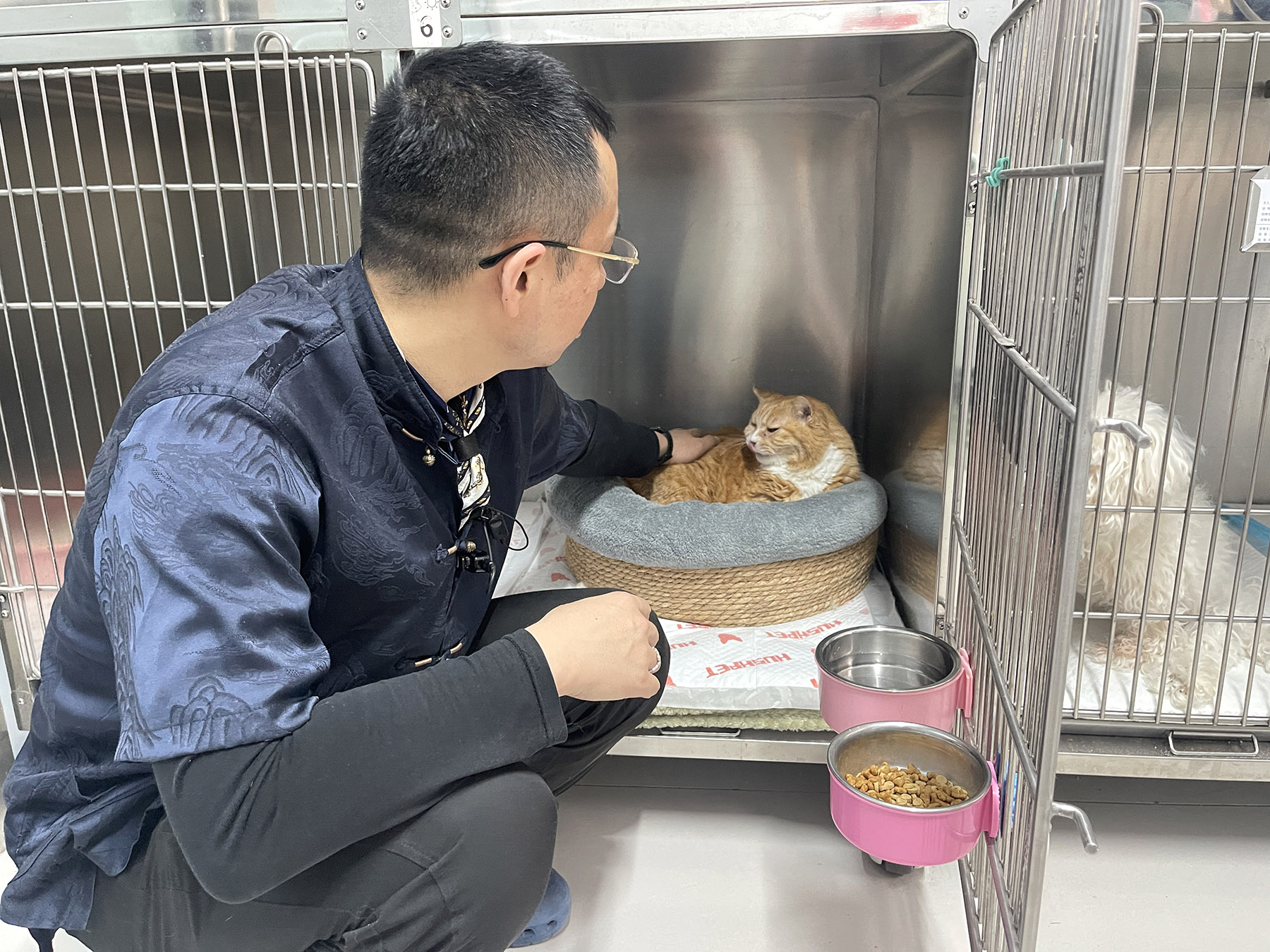
The first time Zhang Kaiyan cured an "incurable" case, it was 2012, and his patient was a paralyzed dachshund.
The dog's owner had been waking at 5:00 every morning to manually express the dog's bladder. Conventional steroid treatment had worked for a week, then failed.
Zhang, then a young veterinary student at the Heilongjiang-based Northeast Agricultural University, was told by a supervisor to "give it a try" with traditional Chinese medicine. "There were mistakes at first," he recalled.
He tried different herbal formulas for three days. Nothing worked. Then one prescription changed everything. The next day, the owner called him and shared the good news that his dog could finally pee on its own, ending the daily ritual.
That dachshund eventually walked again through Zhang's therapy. It was his first success with traditional Chinese veterinary medicine — a field that occupied just two of nearly 100 courses in his veterinary curriculum.
READ MORE: Dog weddings — how new industry laps up puppy love
Today, he runs a TCVM practice in Beijing, treating animals from across China, with some clients traveling from as far as northeastern Liaoning province and renting hotels as their pets undergo weeks of treatment.
Over the years, Zhang said he has observed a shift in why people seek him out.
"Early on, most of my clients came after Western medicine had failed, and TCVM was a last resort," he said.
"Now, more owners come directly to me because they've heard about TCVM's advantages. They want to avoid surgery, or they're concerned about the side effects of long-term medications like steroid injections."
Different from Western medicine, which is excellent at diagnosis and acute care, TCVM excels at long-term management and quality of life, he noted.
"We're trained to see patterns, not just problems. Sometimes the best treatment isn't the most aggressive one, but the one that helps the animal live comfortably, with minimal intervention," he elaborated.
No price too high
Zhang is part of a rapidly expanding category of pet-centered professions in China. A growing number of owners now regard their animal companions as family members and are pouring unprecedented emotional and financial support into their care.
The number of pets in urban China now exceeds the number of children under 4, a recent Goldman Sachs report found.
The 2025 China Pet Industry White Paper noted that the pet population in China's urban area alone had reached 120 million in 2024, with the urban pet (dog and cat) consumption market exceeding 300 billion yuan ($41.8 billion).
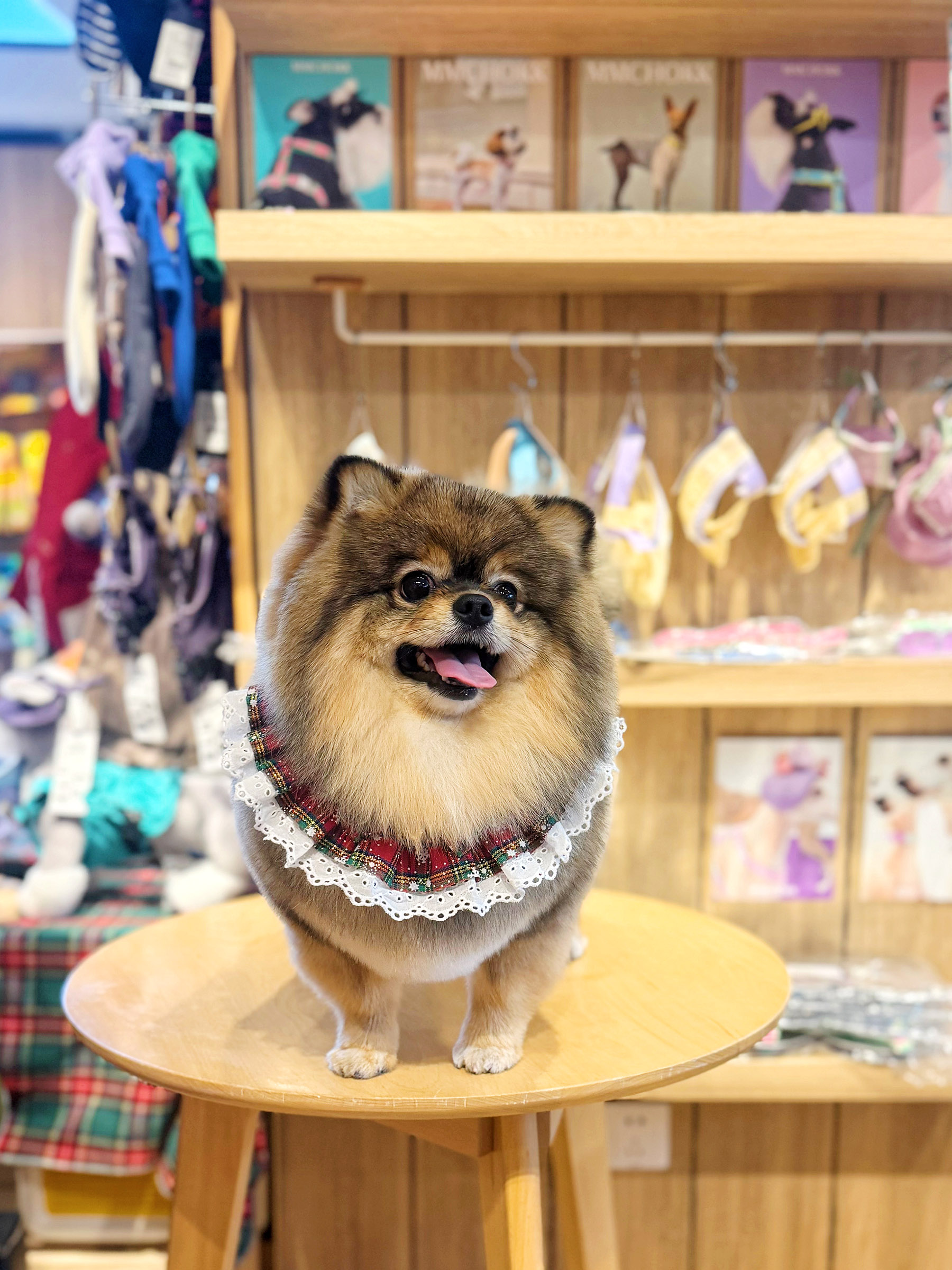
Wei Lai, a 41-year-old Shanghai resident, does not blink an eye when it comes to pampering his two Pomeranians.
Every month, he spends 2,000 to 3,000 yuan on fresh food for the two dogs. Another 1,000 to 2,000 yuan goes to grooming.
Annual checkups cost 4,000 yuan and are conducted by one of the best pet cardiologists in Shanghai and booked over a month in advance.
His first dog came into his life in 2009 at a Shanghai train station: a stray Pomeranian mix, rummaging through trash. He crouched down and picked it up. The dog didn't resist.
But in 2019, just as Wei's professional life was moving ahead, the dog fell ill. "It started to tilt its head while walking, acting strange on its right side," he recalled.
An animal hospital diagnosed the dog with a ventricular brain tumor and gave a prognosis of three to six months to live.
"The vets told us surgery was impossible, so we searched online and found a TCVM specialist from Beijing," he said.
Wei then contacted him and invited him to Shanghai to treat the dog — twice a year and several days each time — with hotels, meals and consultation fees all covered.
The dog lived two more years and died in June 2022.
Even though Wei did everything he could, he still felt a lingering regret that his dog had not lived long enough to share in the better life he built for himself.
Now, with his two new Pomeranians, he does everything differently.
When he was asked if spending so much on pets was worth it, Wei said if he decides to keep a dog, he should be responsible for it. "Otherwise, why keep one? They're my children. That's my answer."
Talk to the creatures
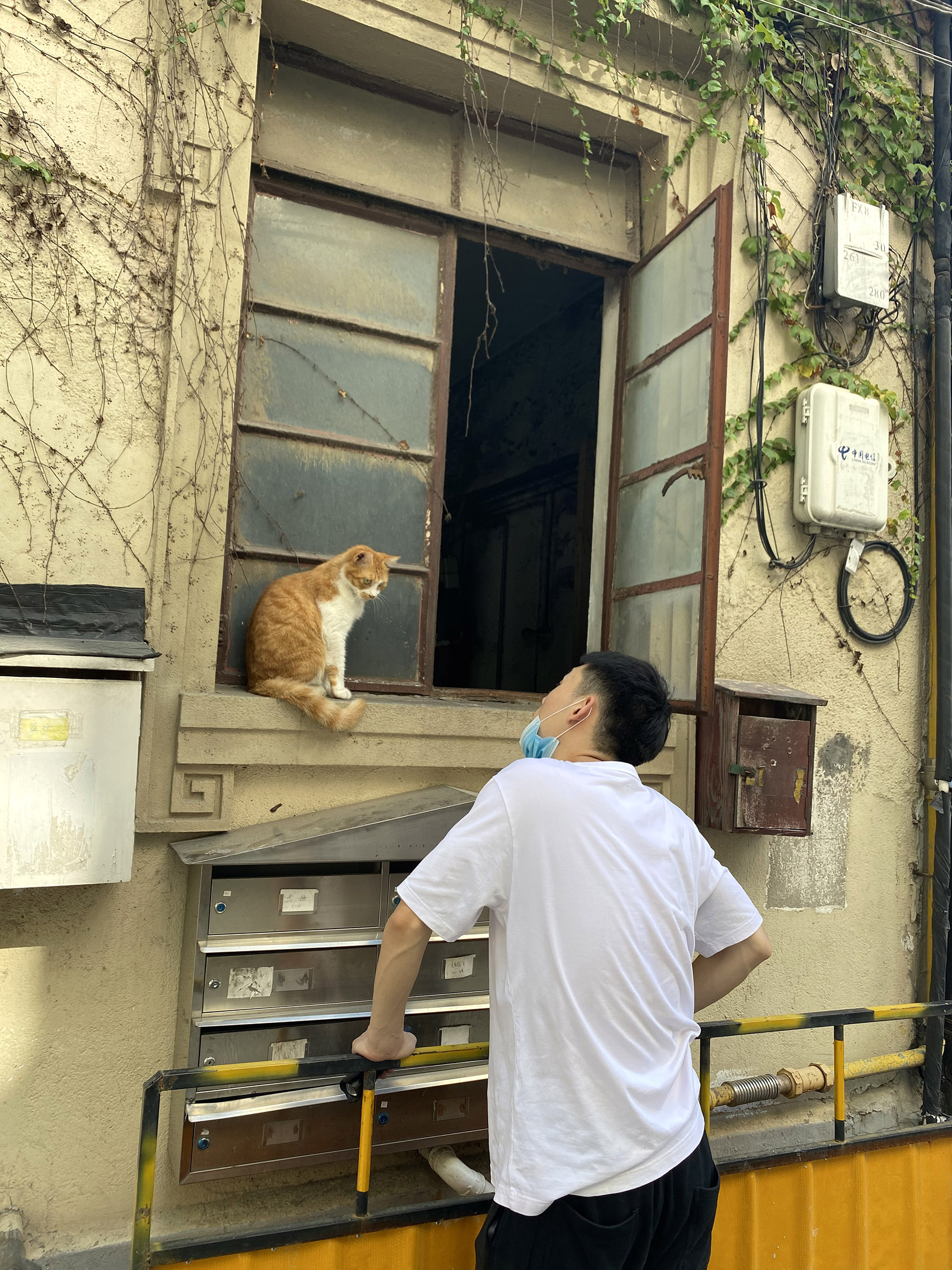
When a dog suddenly refuses to eat, or a cat starts urinating outside its litter box for no apparent reason, most owners turn to veterinarians for answers. But sometimes when science-based methods fail, pet lovers turn to "animal communicators" like Kong Weisi for help.
"Animal communication is suitable for hidden diseases that medical equipment hasn't yet detected, as well as emotional problems and unresolved issues," Kong said.
The profession has recently gained traction, primarily through social media platforms like Xiaohongshu, or RedNote. While practitioners claim to interpret animals' thoughts and emotions via photos or videos, the practice's credentials remain controversial.
Despite concerns over exorbitant fees and questionable practices, demand persists because the service primarily fulfills owners' emotional needs — offering comfort, validation, and a sense of connection during moments of anxiety, guilt, or grief over their animal companions.
Kong said over the past two years, she has dealt with hundreds of cases where she satisfied an owner's curiosity or doubt relating to their pet.
"When a small animal exhibits behavior that owners find strange, they should first calm down and think about what's been happening in their own lives recently," she explained.
"All the so-called behavioral problems that owners can't understand are expressions of needs that haven't been seen."
Kong's first "communication" with an animal happened at an animal communication teacher's workshop.
She said she communicated with a bird that told her it didn't like the curtain covering its cage, that it had recently eaten carrot cubes, and that one of its owners was a short, chubby man. Kong said she got 80 percent of the facts right.
When her friends told her animal communication is a "profession", she became curious and did two years of training. For another two years, she worked for free, handling more than 300 cases before beginning to charge for her services in 2023, she said.
I feel your pain
Kong said the communication process usually starts with a pet owner contacting her about issues such as a behavioral problem, a health concern, end-of-life questions, or simply a desire to understand their pets better.
On the day of the session, clients send recent photos of their pets, preferably showing the animals' eyes.
Kong offers two communication formats. The standard method requires clients to state beforehand their main concern about their pet, and ask up to five additional questions.
Kong said she then quiets her mind, connects with the animal, and records whatever impressions come — ranging from images, sounds and physical sensations — without filtering or interpreting the results in that moment.
For animals in pain or nearing the end of their life, she recommends a different approach: a live session where the owner, animal, and communicator are connected simultaneously.
This allows the owner to ask follow-up questions in real time and receive immediate clarifications.
Kong noted that some animals communicate visually, while others send feelings or bodily sensations.
The actual communication takes between 25 and 40 minutes. When she finishes, she sends everything she's recorded, including the raw impressions and her answers, to the client.
The session is timed, but only the communication itself is billed — 500 yuan per half hour, 15 yuan per minute of overtime. Follow-up conversations, emotional support, the subsequent check-ins are free, she added.
Boneyard awaits
Zhou Chunhua, secretary-general of the China Pet Industry Association, views the rise of animal communicators as a reflection of pets' elevated status in Chinese households, where owners increasingly seek deeper emotional connections with their animals. She pointed out that established pet jobs — like nutritionists and groomers — require systematic training, while animal communication has no authoritative certification or uniform standards.
Emotional reflection aside, one thing is certain: as animals age their bodies need care.
Zhang's TCVM practice in Beijing handles everything from cruciate ligament ruptures to respiratory diseases to endocrine disorders.
ALSO READ: Pet lovers from across the world connect via RedNote
He has developed a standard set of treatments that include acupuncture, moxibustion, herbal medicine, rehabilitation, and medicated food.
On the first floor of his clinic, old animals can be seen being fed with pots filled with a freshly cooked mixture of beef, duck, liver, salmon, shellfish, cabbage, oats, as well as different kinds of traditional Chinese herbs.
One dog has been boarding at the practice for over a year.
"It's more than 15 years old and the owner can't care for it thoroughly," Zhang said.
Part of his work now is helping pets age in peace and comfort. "We hope pets can live to 20, like humans living to 100," he said.
Contact the writers at yangfeiyue@chinadaily.com.cn
