

After 55 years, players see vast changes in US and China, while friendships endure
Time has had a significant impact over the past 55 years on many people, including the Chinese and United States table tennis players who took part in the groundbreaking Ping-Pong Diplomacy that started in 1971 and helped thaw the ice between the two countries.
"Please kindly speak slower as I have tinnitus (ringing in the ears), and I can't catch up if you speak too fast," Liang Geliang, 75, a former member of China's national table tennis team, told China Daily when recalling the historic events.
In April 1971, Liang was in the Japanese city of Nagoya for the World Table Tennis Championships.
READ MORE: Chinese VP urges solid actions revitalizing China-US Ping-Pong Diplomacy spirit
Glenn Cowan, a player on the US team, missed the team bus back to the hotel following a practice session, and hopped in the Chinese team's bus. Zhuang Zedong, a Chinese team member, welcomed Cowan and invited him to go to the stadium together.
"I was 21 that year, it was my first time fighting for a World Table Tennis Championship, and Cowan was right there on our bus to the stadium. After we got off the bus, he said 'practice' in English to me as he made playing gestures, meaning that he wanted to give it a try," Liang said.
"So we young guys of similar ages practiced for over 10 minutes, and we enjoyed ourselves very much. We were all aware that this was not just about hitting the balls, this was about kicking off a friendship," he added.
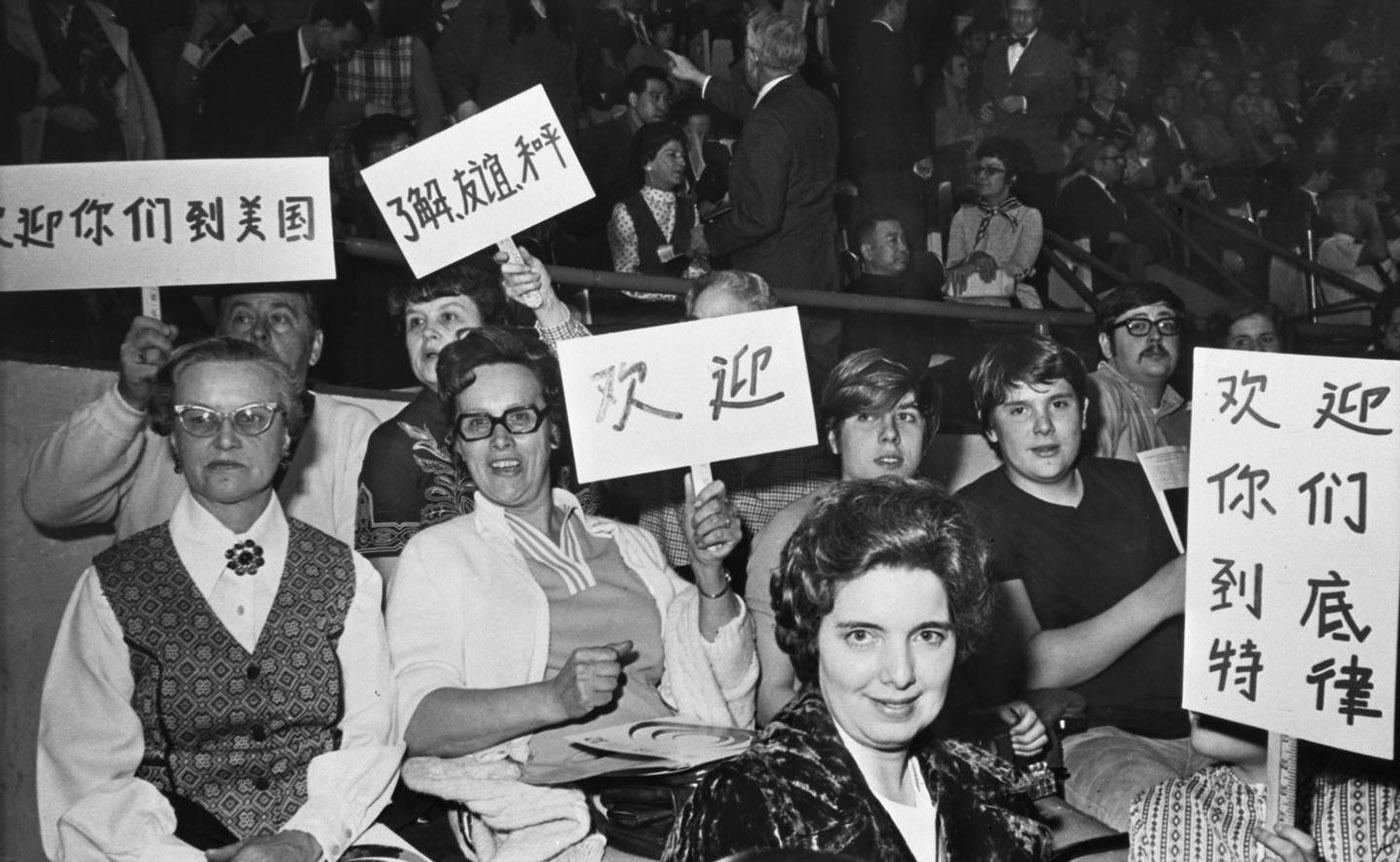
A short time later, on April 10, 1971, a US table tennis delegation arrived in China — the first US delegation invited by Beijing and allowed to enter the country since the founding of the People's Republic of China in 1949.
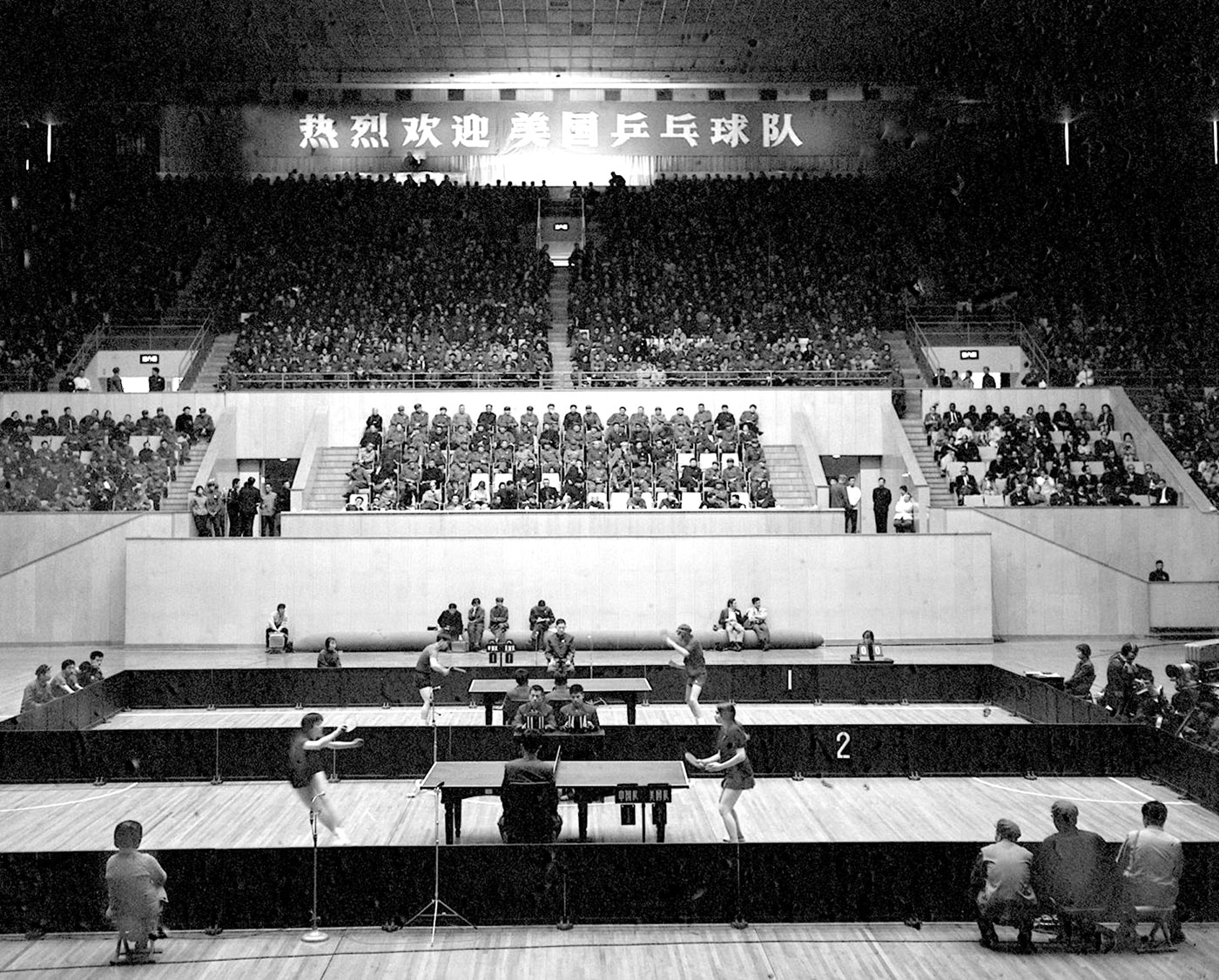
Players from both nations triggered a frenzy among Chinese fans as they participated in friendly matches in different cities, including one at the Capital Indoor Stadium in Beijing.
Magnificent memories
On April 10 this year, a grand commemorative event was held at the same stadium to mark the 55th anniversary of the landmark Ping-Pong Diplomacy, with President Xi Jinping sending a congratulatory message.
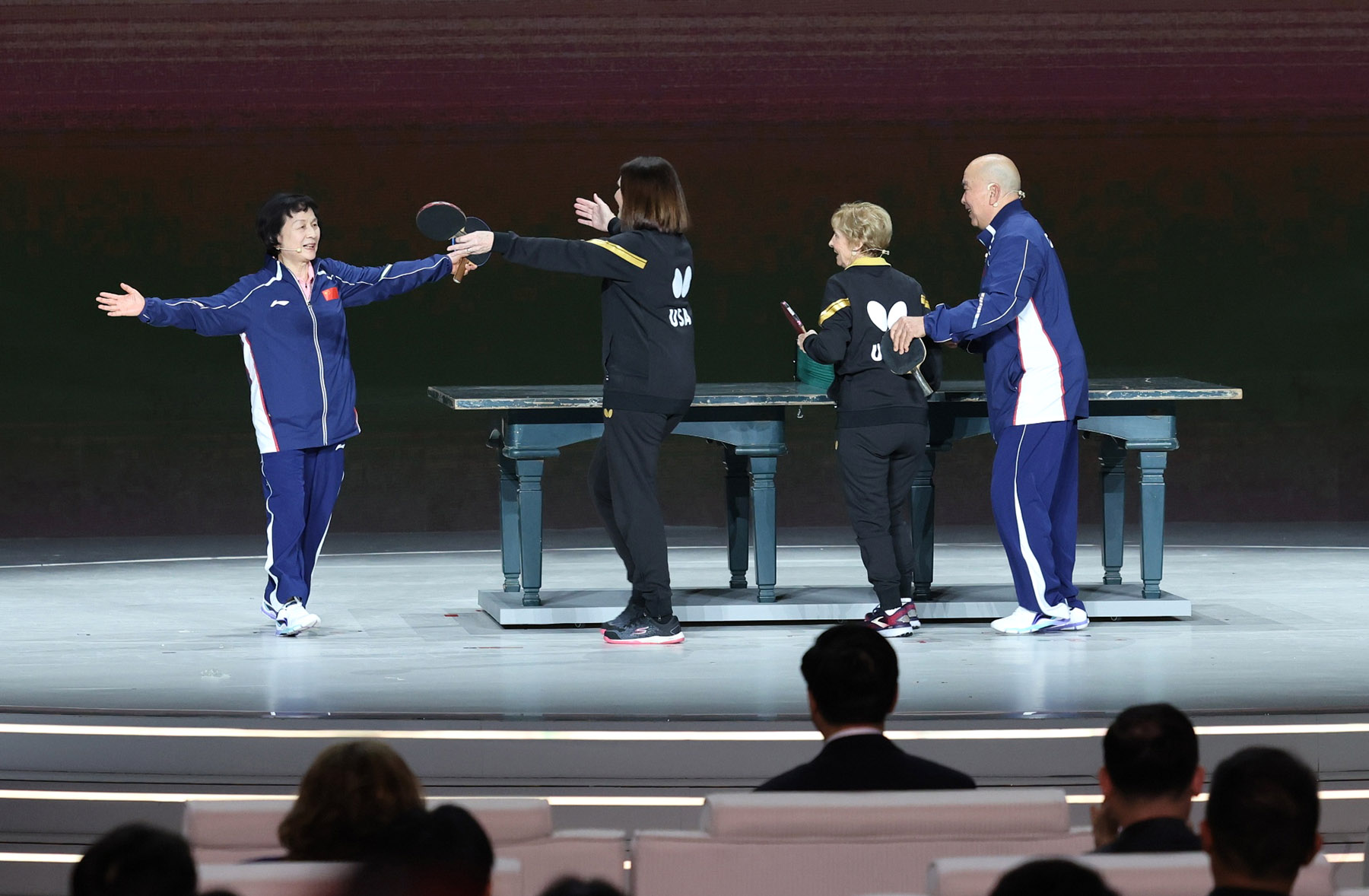
On a stage set up in the center of the stadium, Liang and three other participants in the friendly matches — Zheng Minzhi from China and Judy Hoarfrost and Connie Sweeris from the US — played another brief friendly match, leading to warm applause and cheers from the audience.
"Fifty-five years ago, I played here and at that time I was just a 15-year-old girl, the youngest in our delegation. It was my first time playing in front of 18,000 spectators," said Hoarfrost.
Calling that match "both exciting and heartwarming", she noted that whether it was the US team or the Chinese team, whenever someone made a beautiful shot, the Chinese audience responded with enthusiastic applause.
"The Chinese players kindly let me win that match, but I knew that the Chinese table tennis players were world class, and I deeply understood what they often said:'Friendship first, competition second'," she said.
"I still remember the letter that I received from our Oregon state governor, it said, 'Oregon is proud of you. The exciting experiences you had will be a treasure for your whole life'," she added.
In the wake of the ice-breaking tour, US President Richard Nixon visited China in February 1972, and China's table tennis team then visited the US in April 1972.
Focus on change
Cameras, as key reminders of the part of history, have captured the vast changes in both countries over the past 55 years, according to players from both countries who participated in the matches.
Zheng Minzhi, a Chinese women's team member, showed a camera sent to her as a gift from US friends during her trip to the country in 1972. "They wanted us to capture our wonderful time in the US through the lens. I've treasured this camera ever since," she said.
Zheng said she still remembers the charter flight that took them to Detroit was called the "Friendship Clipper".
"The flight attendants all spoke Chinese," she said."Such great hospitality filled me with curiosity and anticipation for the trip to the US."
She noted that when they put on an exhibition match at an auto plant, the workers enthusiastically shook their hands and kept saying, "Welcome, welcome!"
Zheng keeps the camera in a prominent place on a bookshelf in her home.
"I believe this bond will never be cut," she said. "I will pass this camera down to my son and my granddaughter, so they will understand its value and carry the friendship between China and the US from generation to generation," she added.
Of the recent reunion with the US players including Sweeris and Hoarfrost, Zheng said, "everyone was so thrilled" as their friendship is precious and has endured 55 years.
"We hadn't seen each other for at least 10 years. The last time they were here was before the outbreak of the COVID-19 pandemic," she said.
On the cover of the April 26, 1971, edition of Time Magazine, a color photo showed the US delegation at the Badaling section of the Great Wall in Beijing. The members were photographed leaning on the wall and smiling.
The photo was attributed to Norman Webster from the Toronto Globe & Mail and the upper-right hand of the magazine cover read "First Color Photos — Yanks in Peking". The subhead beneath the "TIME" logo said "China: A Whole New Game".
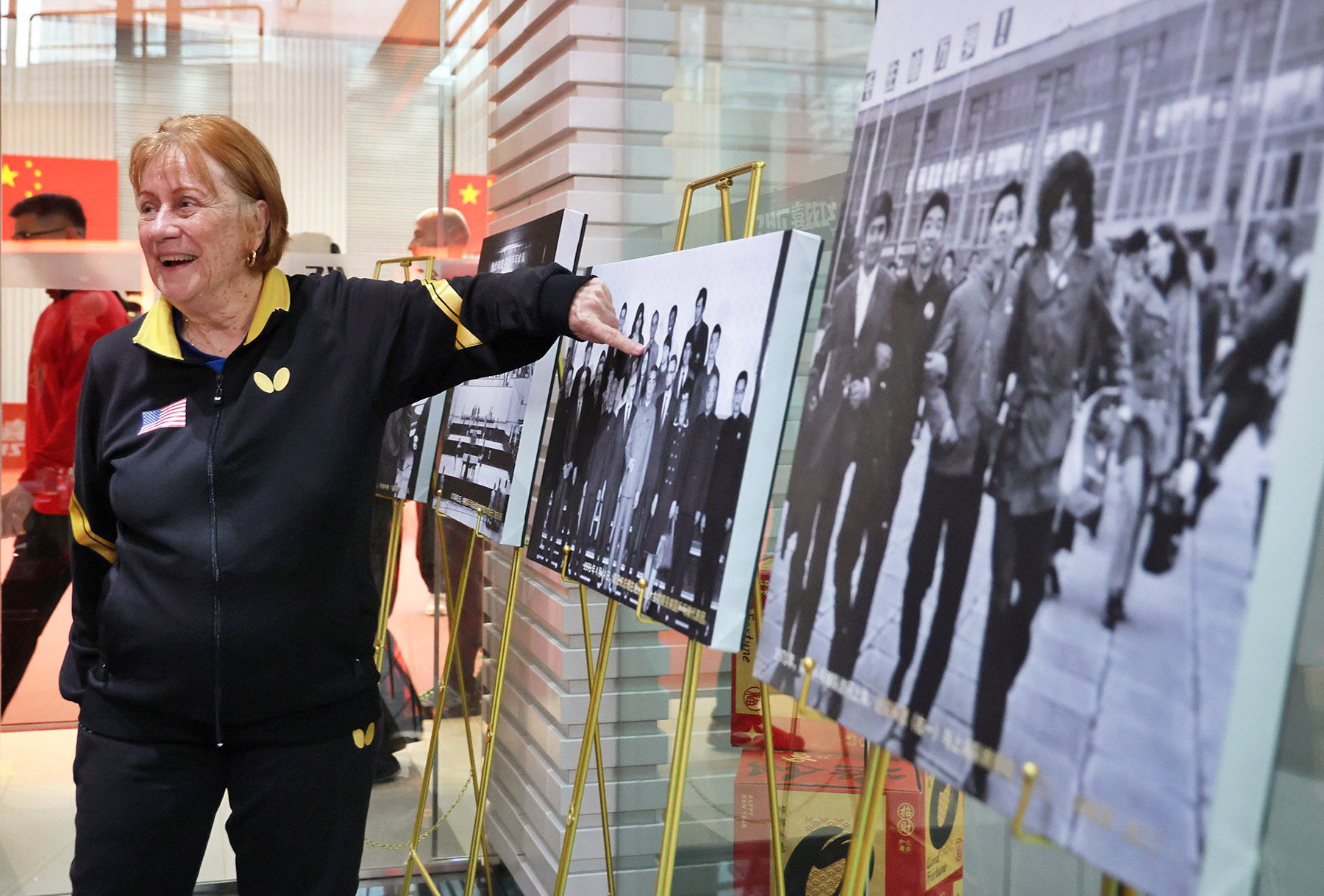
Recalling the cover photo, Sweeris said: "Well, we had cameras but they were not very good ones, and color pictures (at that time) had just come out."
During their recent stay in Beijing, Hoarfrost, Sweeris and another former US women's team member Olga Soltesz returned to the Great Wall.
"It's nostalgic to be back here with the three of us (female US players) who were originally on this wall in 1971 … The team is here. We're all healthy and alive," Sweeris said.
Noting that this time she could hear her heart pumping at the Great Wall, she said, "I was only 23 back then, so it was a lot easier."
Hoarfrost said of their 1971 visit to the wall: "There were no people when we were there, and all the way to the Great Wall was rural. It was just a bumpy rural drive. It was not like now — there are all the cars and traffic and everything."
"There's a McDonald's here (at the parking lot of the Badaling Great Wall)! There was no McDonald's in 1971. And everything is so modern. Here we are taking photos with cellphones. We had no cellphones then," she added.
Positive outlook
In 1971, the US delegation also toured eastern China's Shanghai. Yao Zhenxu, a Chinese table tennis player who accompanied Cowan, recalled a home-cooked meal during a visit to a Shanghai workers' residential building, an experience he remembers to this day.
"After the matches, it was all about friendship," he said.
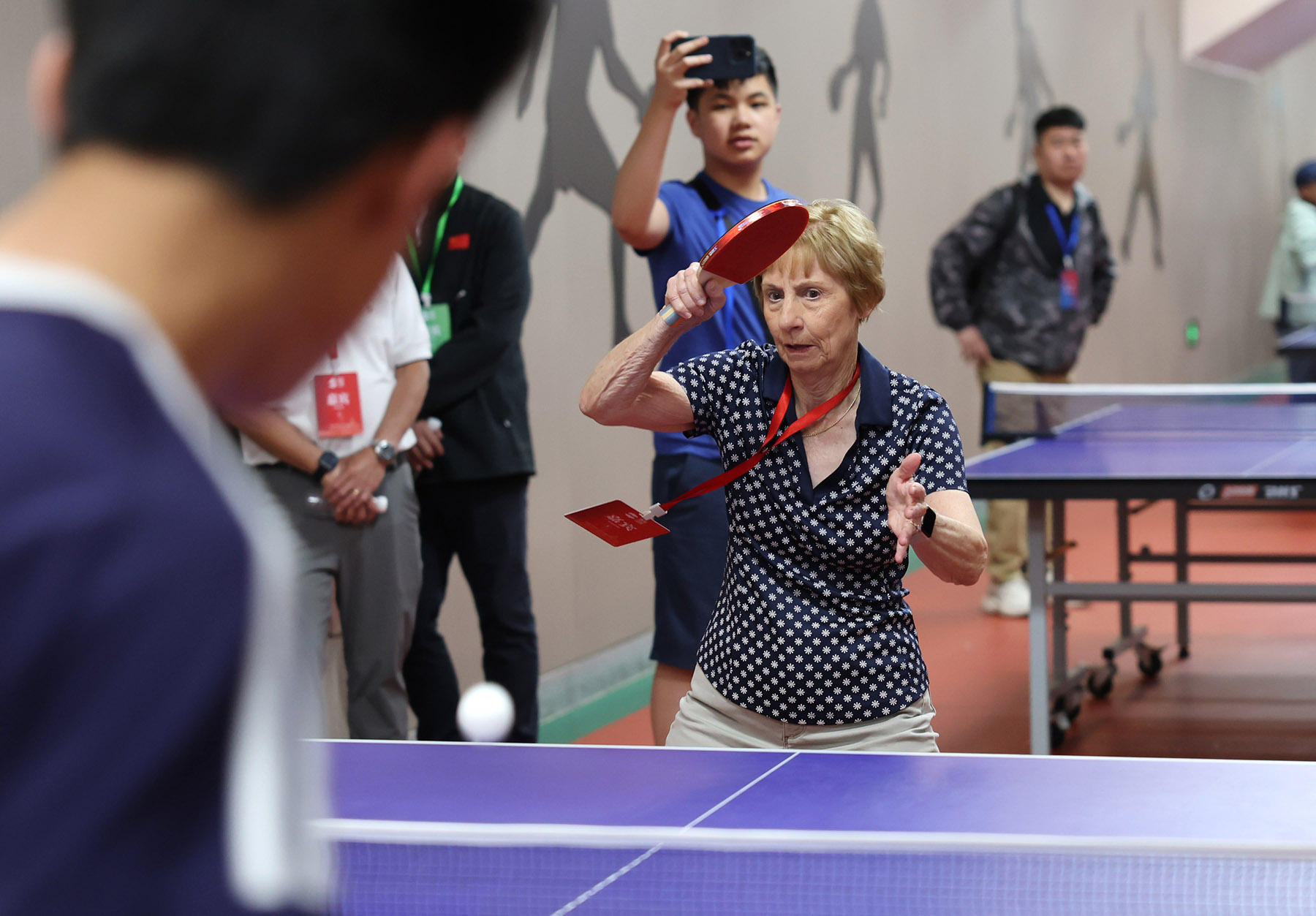
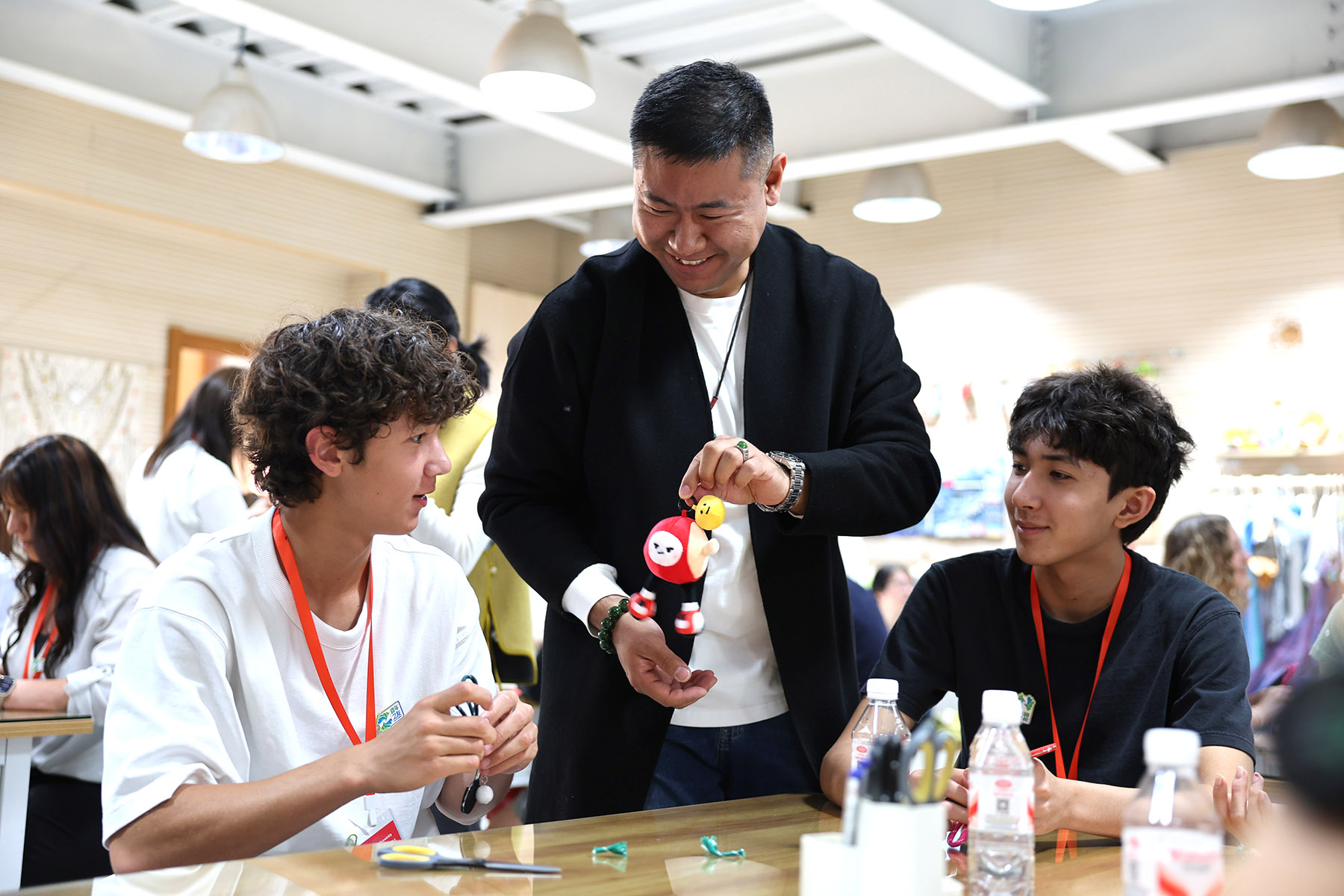
This month, some of the US players, together with American high school students and young athletes, traveled to Shanghai for a series of events to mark the 55th anniversary.
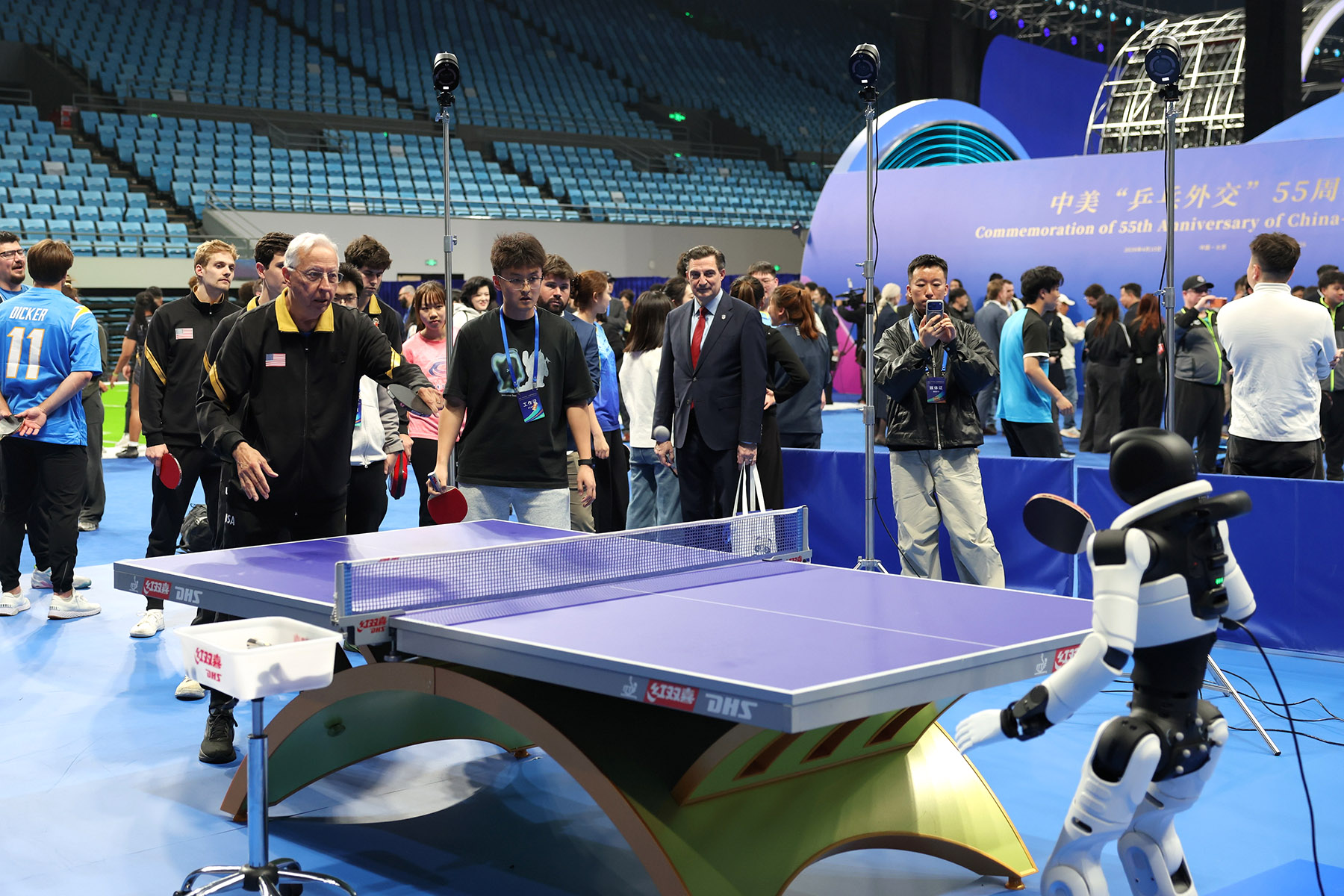
An event at Shanghai University of Sport on April 13 featured table tennis and flag football matches. The friendly exchanges between the two nations also involved technological innovations, including humanoid robots and smart table tennis serving robots.
Louis Levene, a 25-year-old US table tennis coach, was visiting China for the first time, and was surprised by Shanghai's orderliness and residents' kindness.
He said he is a firm believer in the connecting power of table tennis.
"It's something that you can do for your whole life. Whether you're a kid or 90 years old, you can still play and you can still have fun and connect with so many people," Levene said.
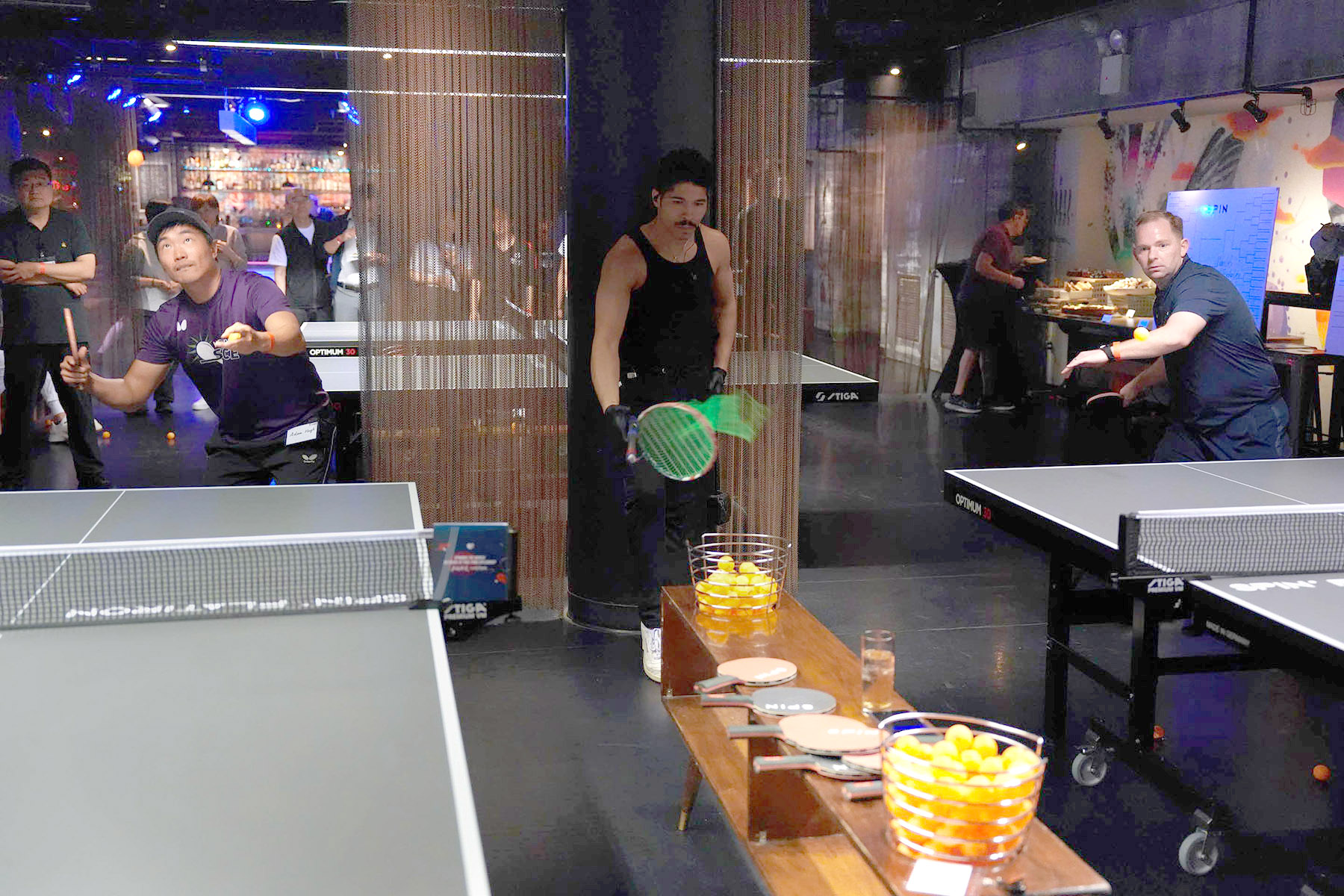
Cameron Dicker, a place kicker for the NFL's Los Angeles Chargers, spent 11 years of his childhood in Shanghai.
This month, he returned from the US after 15 years and was impressed by the city's technological and infrastructure upgrades.
"It is so cool coming back here. I think everything is really upgraded technology wise, and there is a lot of newer infrastructure and it is really beautiful," he said.
"Growing up here really helped me just be able to connect with everybody."
ALSO READ: China-US youth mark 55th anniversary of 'ping-pong diplomacy'
He is optimistic about deeper sports cooperation, and hopes to see an NFL game played in China one day.
Xu Yinsheng, another Chinese table tennis national team player in 1971 and honorary life chairman of the International Table Tennis Federation, said time has aged the witnesses to the historic sporting event, but their friendship endures.
"Grassroots activities must continue to uphold and pass on this friendship regardless of the divergences between the two nations. Peace and friendship are our core principles."
He noted that while communication was once limited to in-person meetings, phone calls and text messages, young people today connect in new and more effective ways.
"Technology will introduce new exciting elements to table tennis, and the future pattern of exchanges will be far more diverse," he said.
Contact the writers at zhangyunbi@chinadaily.com.cn
