

Centuries-old tradition experiences playful, modern revival
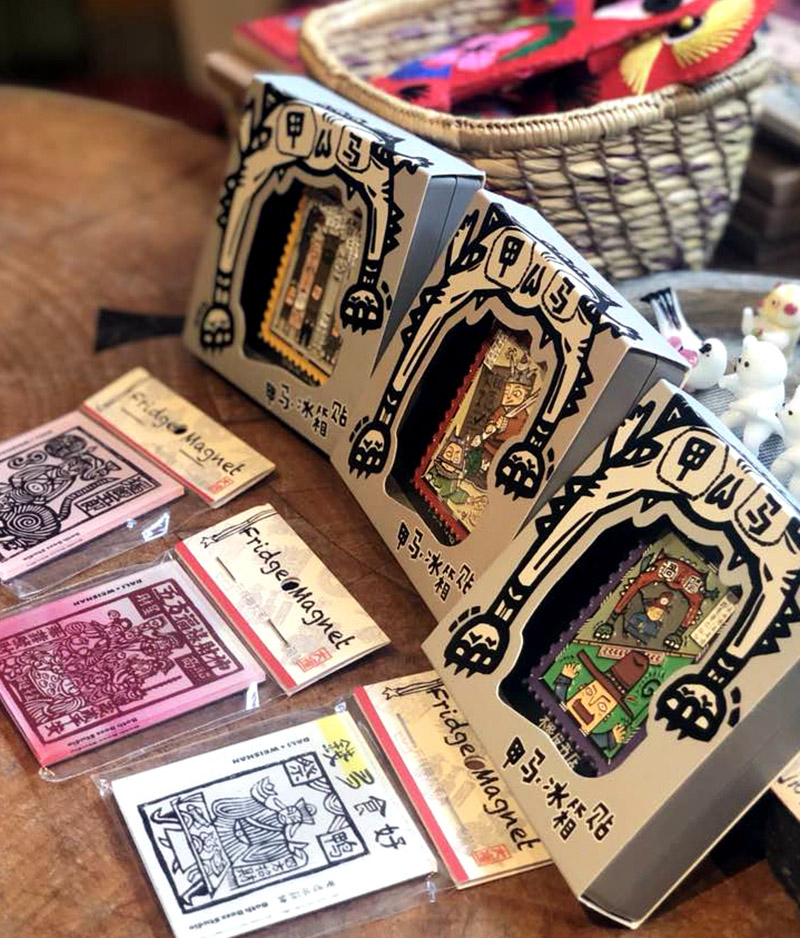
In Southwest China's Yunnan province, where misty mountains meet tranquil lakes, an ancient art form is making a vibrant comeback.
Jia Ma, the centuries-old woodblock print tradition, once used in folk rituals to invoke blessings and protect families, is now experiencing a playful, modern revival.
No longer confined to temples or altars, Jia Ma has found its way into the hands of young travelers who are eager to take home more than a typical souvenir. Today, the designs are being reimagined, blending ancient symbols with a contemporary twist that speaks to the desires of a new generation of travelers.
When Ding Mengmeng, a 22-year-old designer from Hangzhou, Zhejiang province, arrived in Yunnan with her friend for the first time, she wanted to unwind like many tourists.
READ MORE: Woodblock prints add to holiday's traditional flavor
A fan of local souvenirs, Ding chose Eraser Books in Kunming as her first stop, after seeing recommendations on social media platforms Xiaohongshu and Bilibili.
Among the many items that caught her eye was the Jia Ma series of refrigerator magnets. She chose one that symbolized wealth.
"I love collecting local fridge magnets because every time I open the fridge, it brings back the memory of the trip," she said.
Jia Ma is a woodblock print art form that dates back to the Han Dynasty (206 BC-AD 220). It was listed as an intangible cultural heritage item of Yunnan in 2017.
Traditionally used in folk rituals, it represents blessings and protection, with over a hundred different patterns symbolizing various wishes and beliefs.
In the Dali Bai autonomous prefecture of Yunnan, the traditional Jia Ma designs come in over 600 patterns, used to invoke blessings for wealth, fertility, education, marriage, protection from evil, ancestor worship and more. There are also blessings for nature, homes, roads, family harmony and joyous as well as solemn occasions.
Deeply rooted in spiritual and cultural traditions, these vibrant artworks are categorized into three main themes: dragon totems, main deities and folk beliefs. Dragons, revered as ancestral totems, appear in various forms like the "white dragon" and "flying dragon", each symbolizing different powers.
But today, Jia Ma isn't just about ancient blessings. The artwork now speaks directly to ambitions, desires and aspirations, turning a centuries-old tradition into a symbol of the hustle-bustle and dreams of the modern traveler. The once-solemn symbols of fortune have evolved to include playful designs like the "God of Inspiration" and the "God of Easy Gains", making it relevant to younger generations who are looking for modern-day magic.
Updated cultural symbols
Tourists from around the world are also attracted to these updated cultural symbols. The Jia Ma fridge magnets — some bilingual, others with clever twists — have become a sought-after souvenir, turning up in the backpacks and suitcases of visitors who want to carry back a piece of this ancient province with them.
According to Eraser Books' owner Tang Yue, the highest-selling items in February were the Jia Ma ceramic fridge magnets, of which over 1,500 were sold, followed by the Jia Ma soft magnetic fridge magnets, with over 1,000 sold.
"The Jia Ma series is the most popular because it has positive symbolism," said Tang. "Everyone is willing to give these cultural products as gifts with good wishes."
The story of Ding, the Hangzhou designer, is just one example of how Yunnan's local culture is increasingly shaping the souvenirs that tourists take home. In fact, many visitors to the region are finding that the most memorable experiences come not from the typical mass-produced gifts, but from local crafts that tell a story and evoke a sense of place.
ALSO READ: Making the cut: Prints by prominent woodblock artists on show in Beijing
Guo Ke Ling, or fruit-shell bell, is another unique souvenir that has recently captured the hearts of travelers to Yunnan. These charming, handcrafted instruments are made from the shells of local fruits, each carefully cleaned, polished and strung together to create a delicate, calming sound. When gently shaken, the fruit shells produce a soft, tinkling sound that evokes the peaceful ambiance of nature — like the sound of a flowing stream or a quiet rainforest.
Zheng Cuiping, a souvenir store owner, described the sound of Guo Ke Ling as "like water filling the brain", which is "incredibly soothing, offering a sense of calm in stressful moments".
Yet another store stands out by combining fruit shell bells with wooden crafts, featuring designs such as the symbols of the Chinese zodiac, Yunnan's Wama cat, or tile cat, which is a traditional figurine once placed on rooftops to guard homes in Yunnan.
Contact the writers at chennan@chinadaily.com.cn
