

Hong Kong artist Zhao Hai-tien draws inspiration from the disparate sources of Zen Buddhism and quantum physics. Mariella Radaelli reports on an ongoing retrospective exhibition that seeks to reintroduce the artist to viewers.
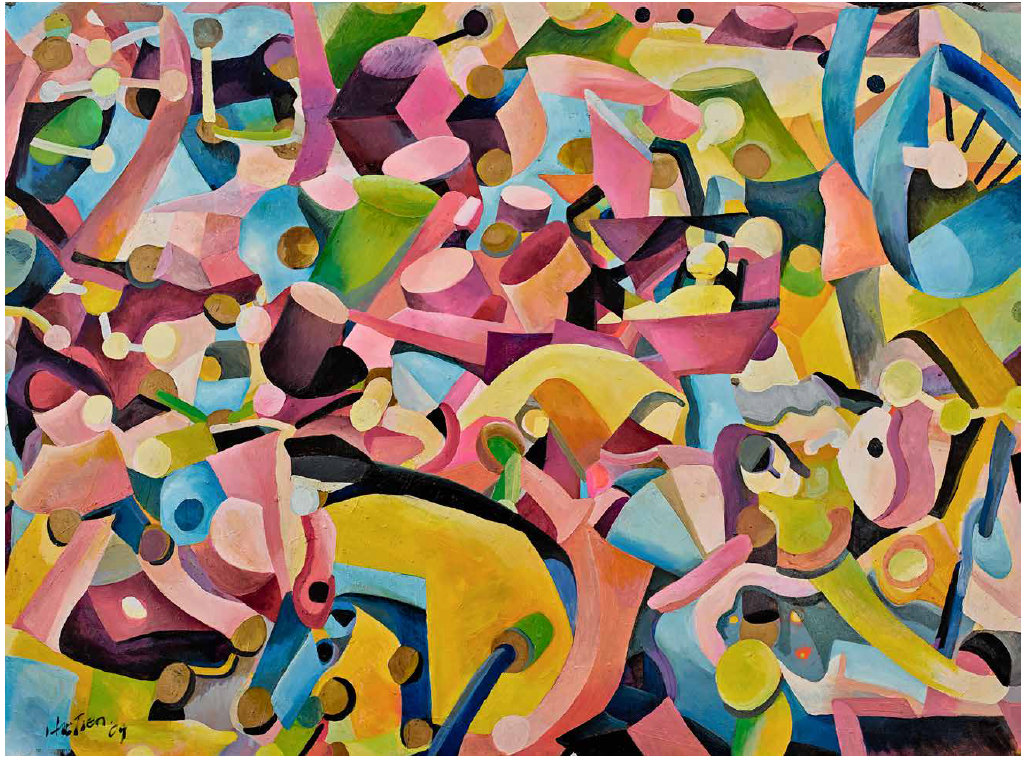
Bold brush-marks and strikingly vivid colors are the hallmarks of Zhao Hai-tien’s (1945-) style. Intriguingly, the artist draws inspiration from both East Asian spiritual traditions such as the meditative slow exercise movements of qigong as well as quantum physics. A selection of her prolific output, titled Zhao Hai Tien — Cultivation: 50 Years of Painting, is currently on display at the University Museum and Art Gallery (UMAG) of the University of Hong Kong.
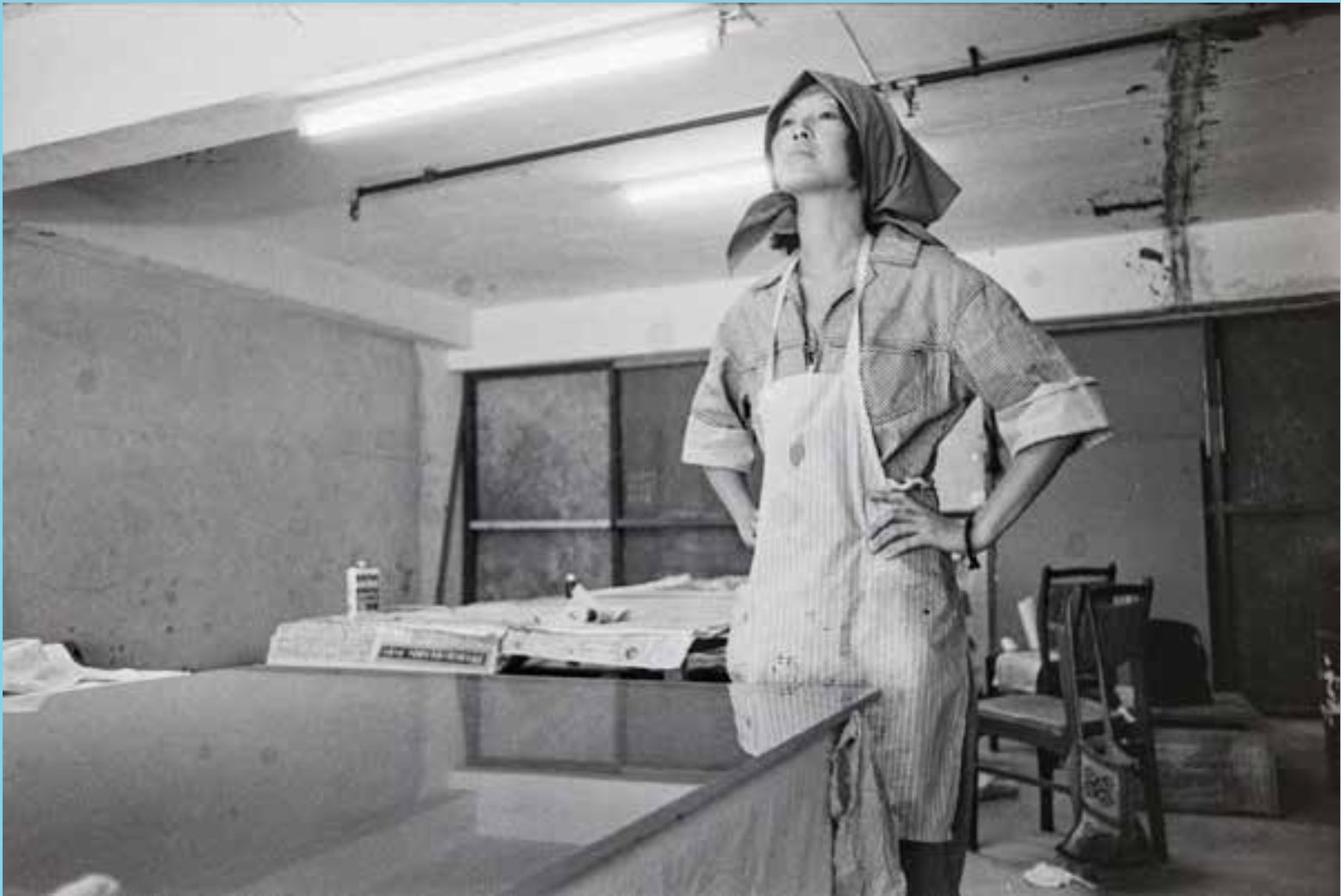
Born and raised in Shanghai, Zhao studied art at the Chinese University of Hong Kong’s New Asia College in 1961-63, tutored by notable artists such as Ting Yin-yung, Chen Shih-wen and CC Wang. In 1964, Zhao enrolled at New York’s prestigious Cooper Union for the Advancement of Science and Art, receiving her Bachelor of Fine Arts degree in 1969. She has lived in Hong Kong since the early 1970s. Her journey as a pioneer of modern Chinese art was launched in this city and continues to this day.
The healing power of art
The exhibition traces the evolution of Zhao’s five-decade-long art journey, showcasing the diversity of her practice. The genres span from mixed-media collages to expressionism with Zen-inspired brushwork and more. UMAG curator Hua Shuo describes the artist’s oeuvre as “deeply spiritual, modern, colorful, complex, and truthful”.
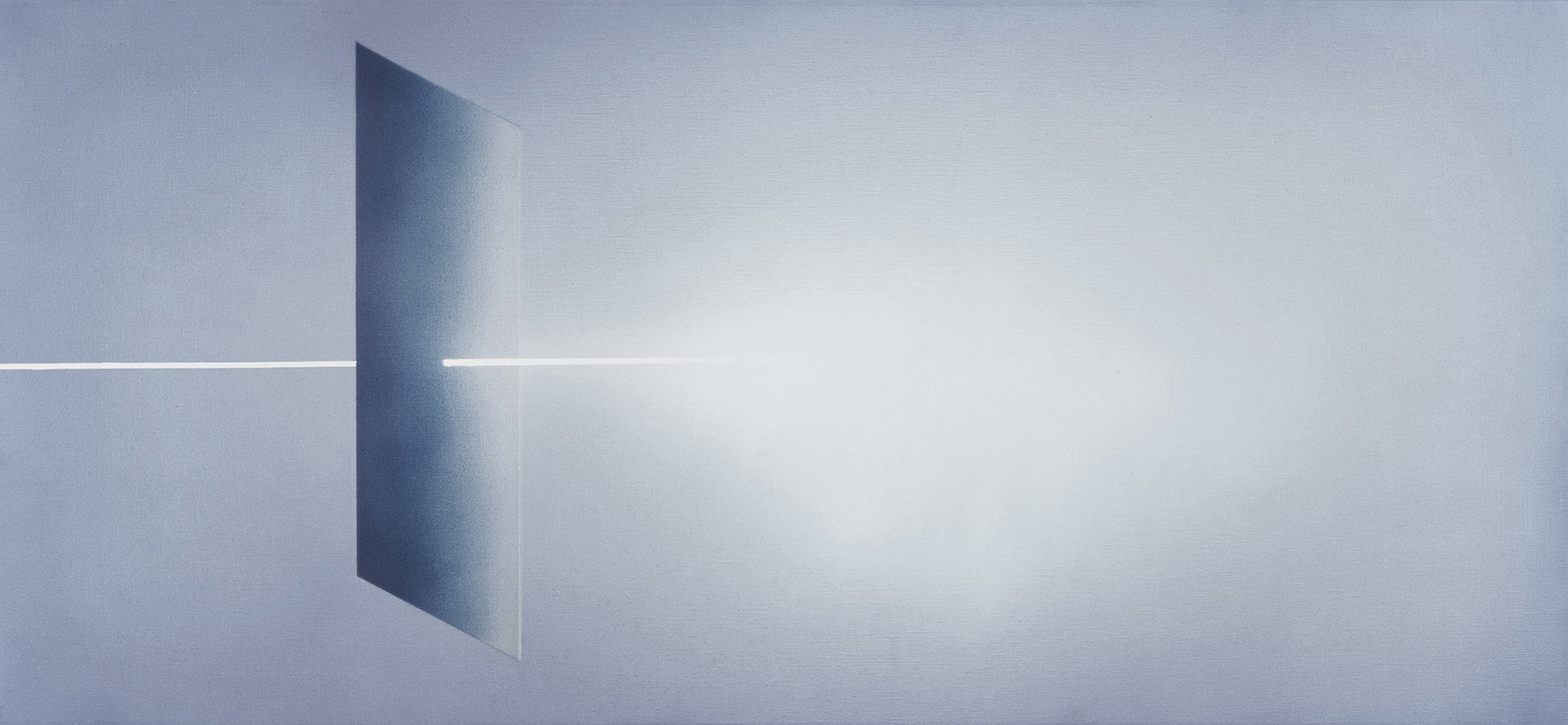
The show opens with a display of studies and drawings made from 1959 to the early 1980s. “Highlights include Inner Light from the 1970s, two pieces from The Other Side of the River series, featuring Buddha-themed portraits produced in the early to mid-1980s, and Last Flower, completed in 1981-83,” says the curator. “These works, created with an automotive spray gun, reflect a transitional period for Zhao during which she was exploring multi-dimensionality in pictorial art.”
Over time, Zhao seems to have moved toward making abstract artworks that are imbued with a sense of joy. The artist says that she hopes to inspire a sense of transcendence in her viewers, with the hope that they in turn will share the message embedded in her works with others. She adds that her works are, essentially, manifest with “what I have learned throughout my life: that art comes from the universe and is a form of energy that helps humanity overcome the downside of reality”.
Inspired by the Buddha
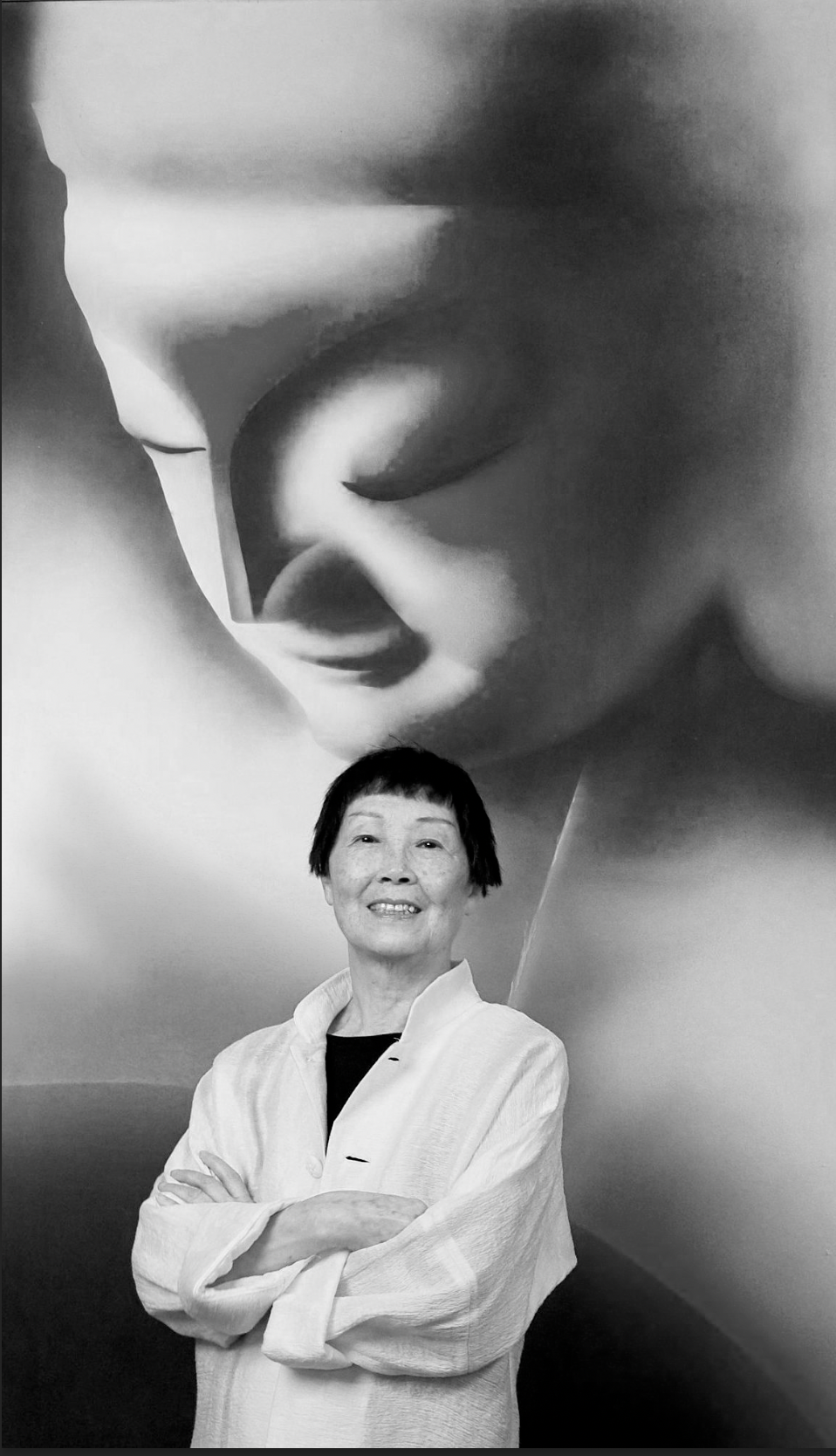
Several of her works are based on the theme of the interconnectedness of all things, represented in terms of signs, forms, and textures. Hua says that Zhao was attracted to Buddhism, especially the meditative aspects of Zen, after experiencing a spiritual awakening in her 30s. The artist adds that she was moved by the expression on the faces of massive ancient sculptures of the Buddha. For her, they seemed to possess “an almost unworldly perfection”. Since then, it has been her mission to try to make art that can be similarly powerful and inspirational.
“My studies in Buddhism and Taoism have deepened my understanding of human nature and shaped my creative concepts,” Zhao says.
Painted in warm shades of yellow, orange and red, The Buddha of Now (1993) is a case in point. In it, the familiar figure of the Buddha demonstrating the iconic hand gesture in which the index finger and thumb are joined to form a circle appears to be presiding over a world experiencing tremors. The artist reveals that the oil-on-canvas painting is inspired by a verse from an Indian sutra, which says: Now each step of the Buddha shakes up the mountain and earth, an action that is impossible to restrain.
“The concept suggests that the Buddha is the most powerful force in the world.”
A super colorist
Zhao’s already remarkable gift for color was honed to perfection while studying under the noted colorist Nicholas Krushenick at Cooper Union.
Since then, she has often used a chromatic palette to express her transcendental vision while trying to capture the essence of the human experience and its infinite possibilities. “Human experience is her primary theme,” says Hua.
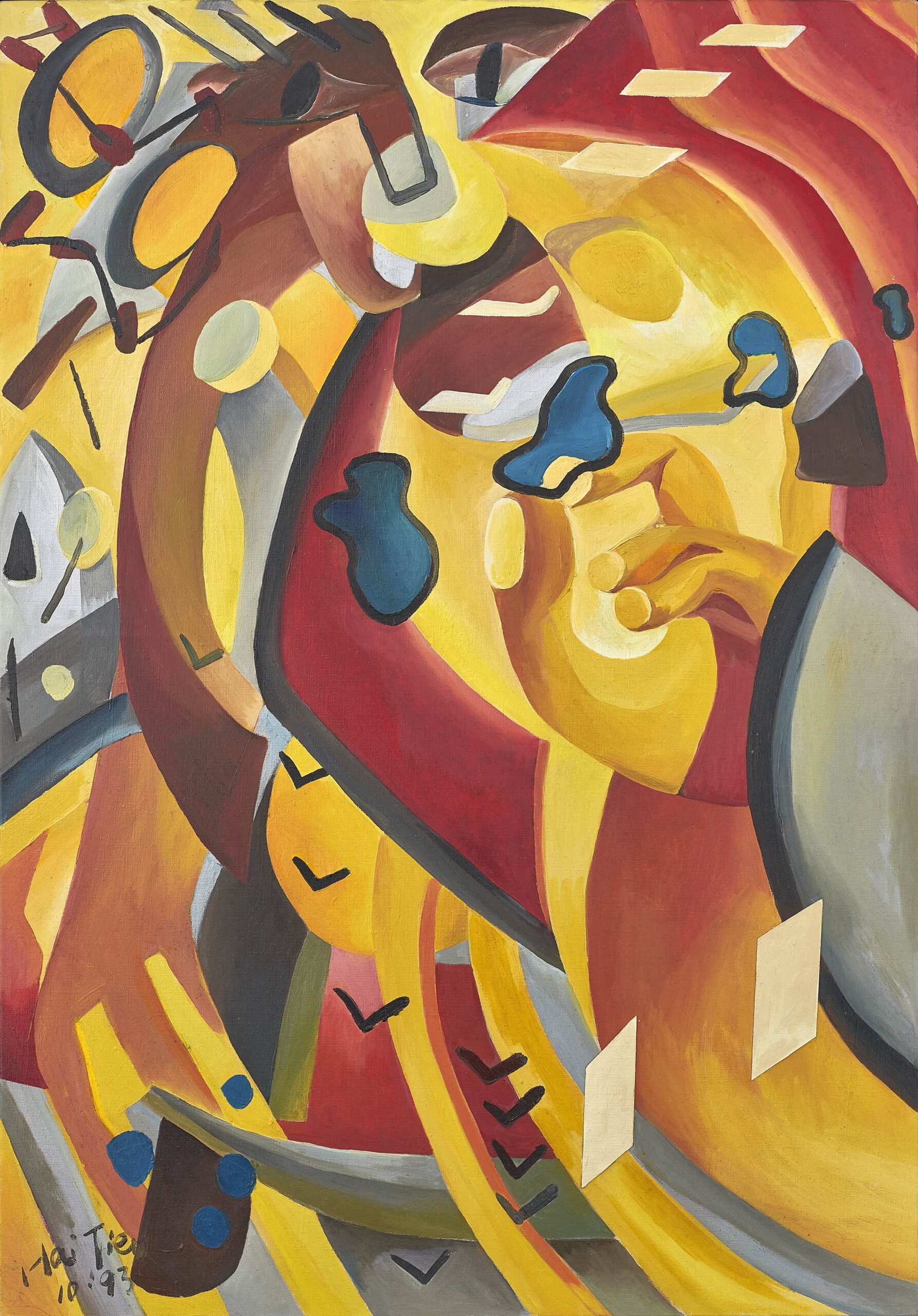
In Laughing Robot (1993), the use of vivid, acidic colors and the depiction of a face in fragments seem to anticipate the rise of new technology and the societal anxieties that keep growing in direct proportion to our increasing dependence on machines.
Quantum leap
But where and how does quantum physics fit into Zhao’s worldview?
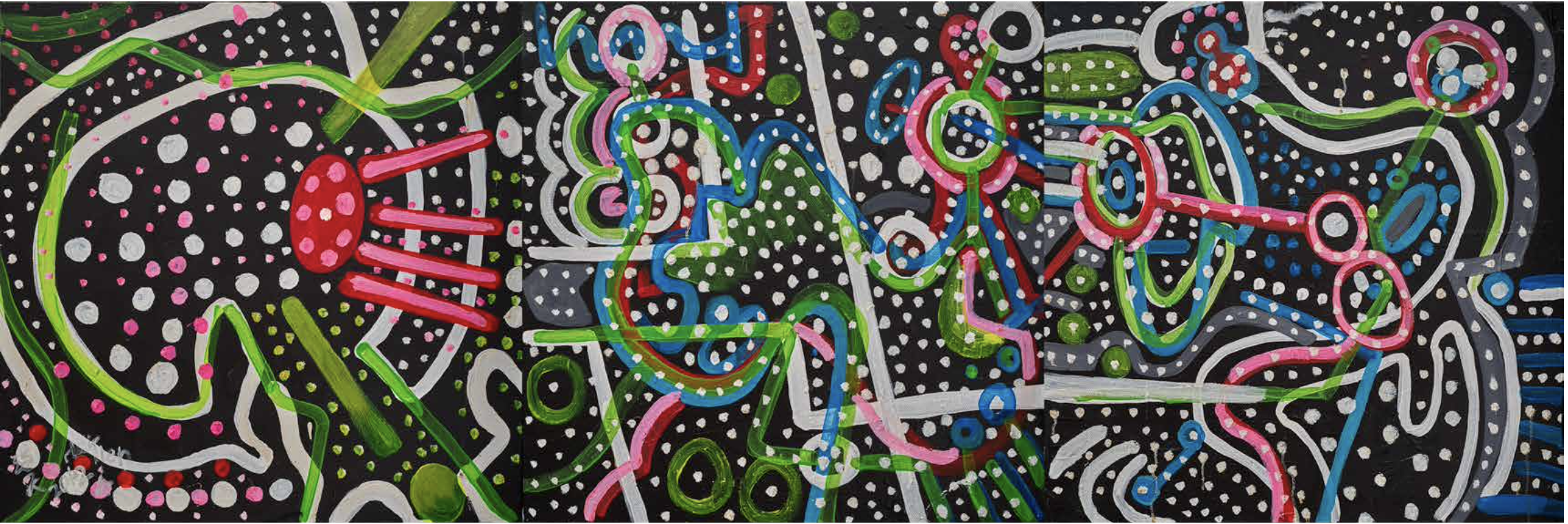
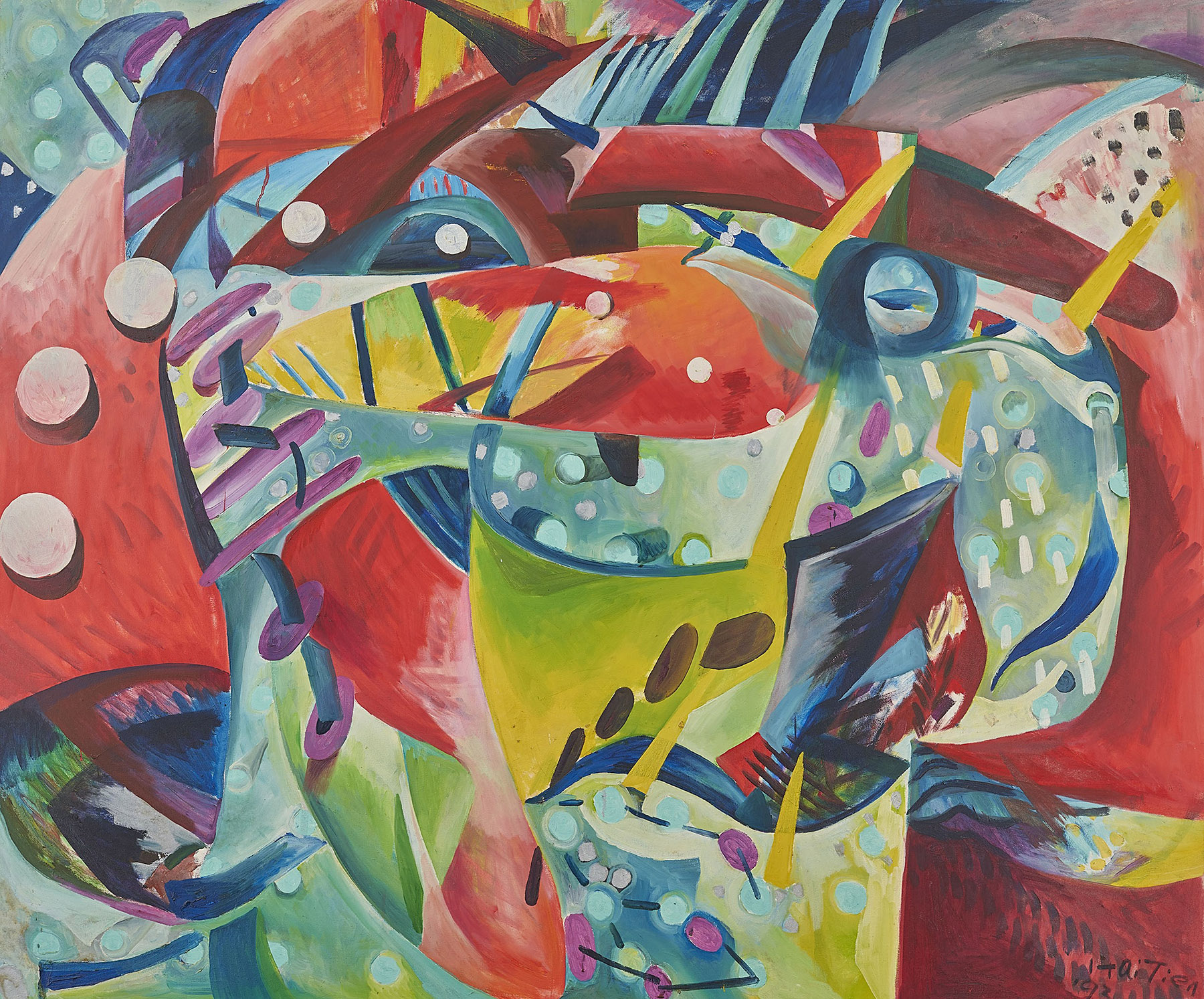
Hua says that Zhao’s works underscore the parallels between the enigmatic nature of the movement of quantum particles and that of human beings. She goes on to explain that just as “each atom exists in its own universe and mirrors the divine”, in Zhao’s works, each painted particle embodies “a version of life — a stream of thought, an epiphany, a form of existence yet to be entangled with another”.
“Every dot and line hints at a spark of energy,” she adds. “Each is an observation of life, a metamorphic process of creation and re-creation. In a constant state of wavelike motion, Zhao’s work is akin to a cosmic dance of contraction and expansion between chaos and order, movement and stillness — a universal breath ebbing and flowing in and out, twirling and wafting.”
Zhao’s Ocean of Worlds series of paintings (1997-2008), mostly vibrant oil-and-acrylic painting on canvas works, are examples of the artist’s attempts to capture the cosmic process that led to the creation of the planets. Curator Hua says that the artist imagines the universe as an ocean of worlds. “The nature of one’s soul determines the world in which one lives.”
Humanity’s connection to the cosmic landscape at the embryonic stage can be seen in Life Forming, a 2012 oil-on-canvas triptych. “The artist created this work shortly after her mother’s death,” Hua says.
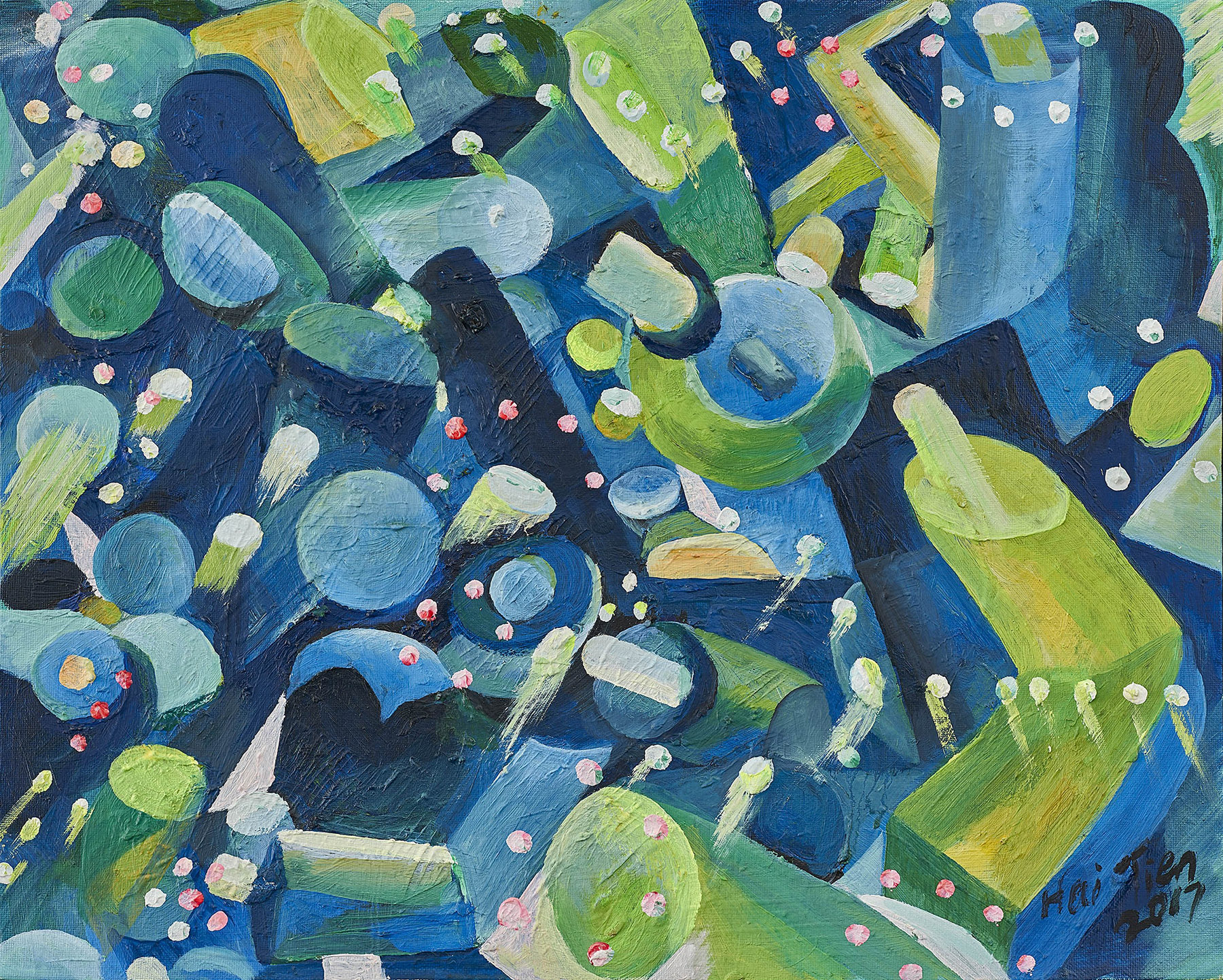
Visualization of Water (2017) depicts the artist’s vision of the submicroscopic world. Its blue-green palette of cool colors creates a calming, almost hypnotic, effect as well as a sense of molecular vibrations, as if the particles were dancing.
The painting brings to mind the words of physicist Fritjof Capra from his groundbreaking 1975 book, The Tao of Physics, which links 20th-century physics, including quantum theory, to Asian spiritual philosophical traditions such as Taoism, Hinduism and Buddhism. “They all emphasize that the universe has to be grasped dynamically, as it moves, vibrates and dances,” Capra wrote in his book.
Rich, diverse and universal
A deep engagement with quantum physics could lead one to a timeless realm. “I seldom think of my age,” says Zhao. She adds that growing older “hasn’t affected my lifestyle”. Looking back on her illustrious and eventful life, the artist says that she has “always enjoyed what I was doing”.
“The power of art has taken me to a place where I am free from all the boundaries of the material world,” she adds.
ALSO READ: Art of writing
Hua says that the exhibition is an opportunity for UMAG to reintroduce and celebrate a relatively less well-known, albeit important, Hong Kong woman practitioner of modern art to viewers from her own city and beyond.
“Zhao’s art represents the richness, diversity, and international nature of modern Hong Kong art.”
If you go
Zhao Hai Tien — Cultivation: 50 Years of Painting
Dates: Through March 1
Venue: University Museum and Art Gallery, University of Hong Kong, 90 Bonham Road, Pok Fu Lam
https://umag.hku.hk
