

Chinese DRAM chipmaker nearing end of cutting-edge LPDDR6 R&D validation
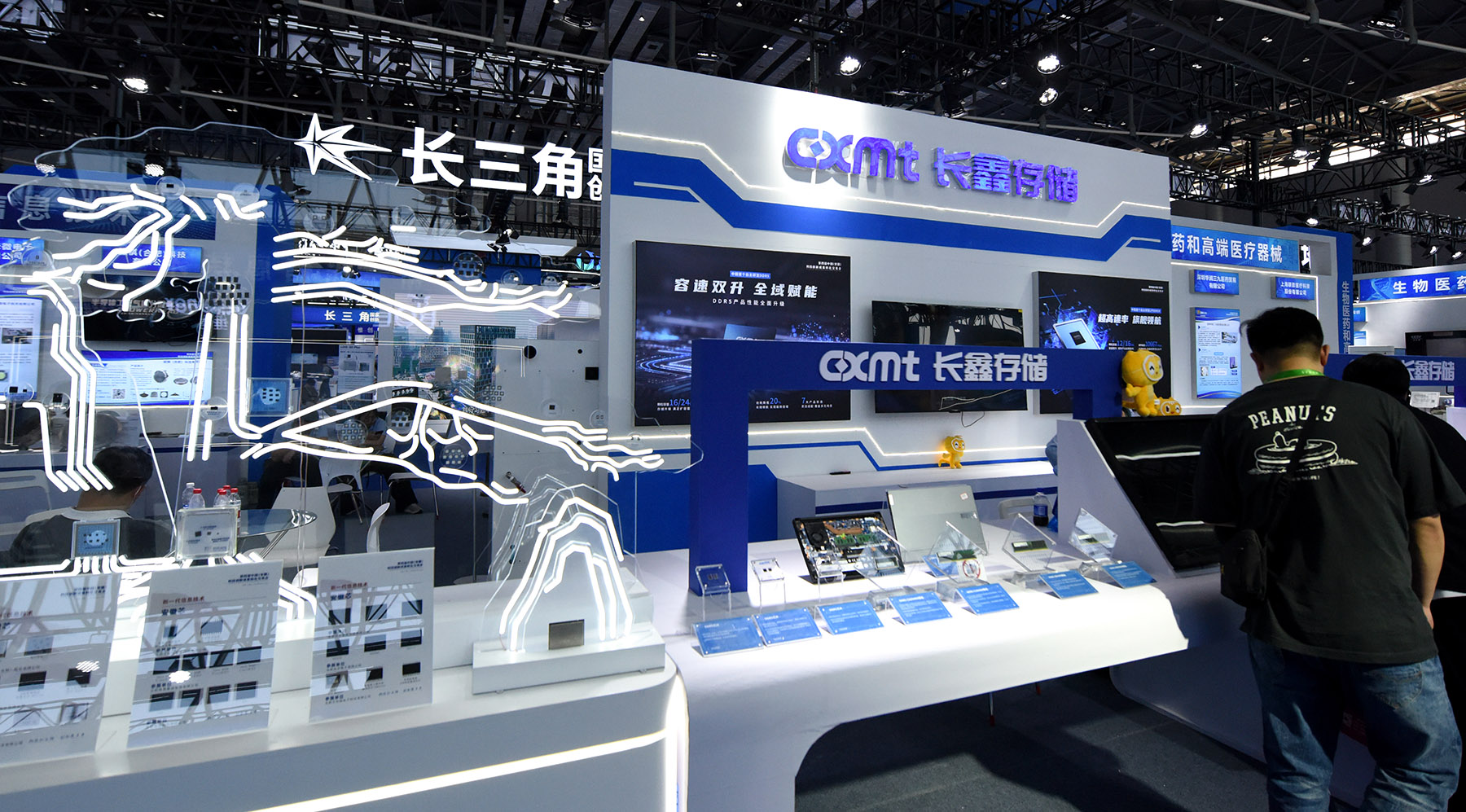
China is moving nearer to closing a key gap in high-end mobile memory, as the latest progress of ChangXin Memory Technologies, or CXMT, on LPDDR6 could further deepen coordination among domestic chip designers, handset makers and suppliers for the era of on-device artificial intelligence, said experts.
The comments came as the memory chip giant is nearing the end of research and development validation for its first LPDDR6 chip, a key step before final commercial production, according to media reports.
Published by the Joint Electron Device Engineering Council (JEDEC) Solid State Technology Association in July 2025, the LPDDR6 standard defines a new generation of low-power memory for mobile and AI devices, raising data rates to as high as 14.4 gigabits per second from about 10.7 Gbps for LPDDR5X, while offering greater bandwidth, better energy efficiency and stronger reliability.
READ MORE: CXMT's rise seen as success of 'Hefei Model'
Experts say the stage indicates that the chip's core design is largely settled and has undergone systematic testing for performance, power consumption, compatibility and mechanical reliability, which is generally followed by small-batch introduction before a product enters mass production.
"Under an optimistic timetable, small-batch introduction could begin as early as the second half of this year, followed by volume production in the first half of 2027," said Guo Tao, a member of the Chinese Association for Artificial Intelligence and a senior AI expert.
The product is designed to reach a data rate of 12.8 Gbps, with a base operating rate of 10.7 Gbps when paired with an SoC (system on a chip), according to the media reports.
It is also reported to feature a 16-gigabit die and a packaged capacity of 16 gigabytes, using a 1,295-ball package-on-package design. Its power efficiency and reliability, availability and serviceability, or RAS, functions have been improved from CXMT's LPDDR5X products.
Guo said CXMT's LPDDR6 is expected to enter the leading group of global products in the same tech generation as advanced offerings from Samsung and SK Hynix.
"There is no longer a generational gap in the technology," Guo said. "The main differences will lie in process stability after large-scale production and the accumulation of long-term reliability data."
Jiang Han, a senior researcher at market consultancy Pangoal, said LPDDR6's higher bandwidth could ease a key bottleneck in running large AI models locally. Its lower latency would also support high-frame-rate gaming and smoother multitasking.
"On-device AI applications and flagship smartphones will be the first to generate demand, as their users are most sensitive to such performance upgrades and are able to pay a premium," Jiang told China Daily.
South Korea's SK Hynix announced in March that it had developed a 16 Gb LPDDR6 DRAM using its sixth-generation 10-nanometer-class, or 1c, process. The new product is expected to be 33 percent faster and over 20 percent more power-efficient than LPDDR5X, SK Hynix said.
For CXMT, proximity to China's large base of SoC developers and device manufacturers could provide a unique advantage during its product testing and customization.
ALSO READ: CXMT shares soar in record IPO debut
"Beyond the chip's hardware specifications, local coordination is another core strength," Jiang said. "It enables rapid customization and validation backed by strong demand from Chinese smartphone manufacturers and creates a valuable market opportunity as supply-chain security gains strategic importance."
Guo also noted that entry into the first group of LPDDR6 producers would give domestic companies a greater role in setting specifications for high-end mobile products.
Looking forward, demand is likely to diverge as AI lifts the market for high-end LPDDR6, while competition intensifies in lower-end mobile memory, Guo added.
"CXMT is entering a rare window of opportunity, but expanding its influence in the global mobile market will require more than meeting technical targets," he said. "It must also clear hurdles in customer certification, stable mass-production yields and overseas distribution."
Contact the writers at lijiaying@chinadaily.com.cn
