

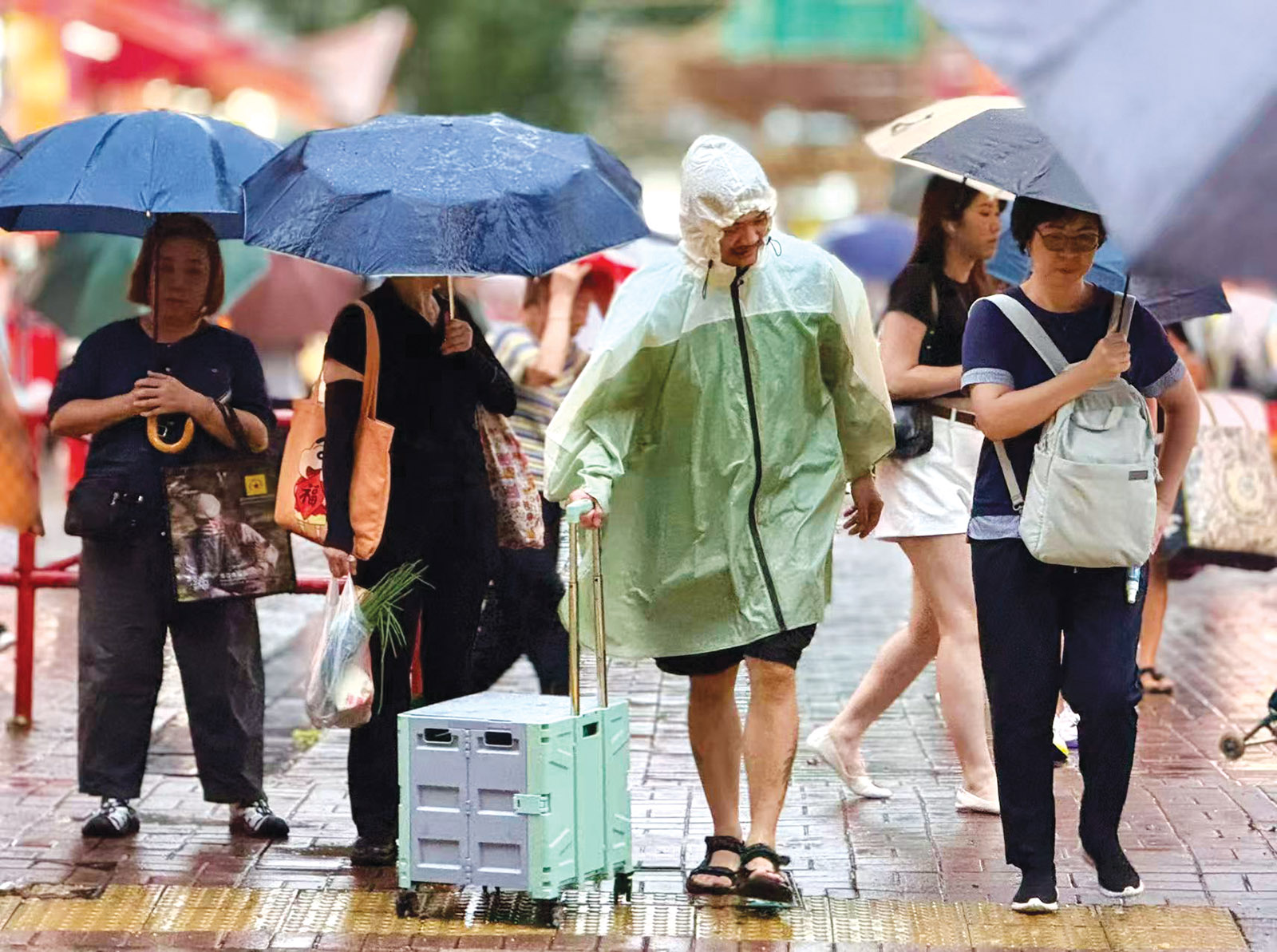
Meteorologists warned on Monday that Hong Kong must prepare both its mindset and infrastructure for the combined effects of the El Nino climate pattern and climate change, factors that could bring the city more hot nights, rainstorms, and typhoons, and lead to an increase in heat-related fatalities.
At a news conference, experts confirmed that El Nino — a natural phenomenon marked by warmer-than-average sea surface temperatures and weakened trade winds in the central and eastern equatorial Pacific — has already developed and is gaining strength.
According to research by the World Meteorological Organization, the likelihood of a super El Nino occurring from October through December this year is as high as 81 percent.
Driven by the rapidly intensifying El Nino phenomenon, global temperatures are likely to hit new highs in 2026 and 2027, potentially triggering droughts, floods, and even food crises across various regions of the world, said Shun Chi-ming, former director of the Hong Kong Observatory.
ALSO READ: UN urges the world to ready for extreme heat risk from El Nino
Extreme weather events, including heat waves, torrential rain, typhoons, and storm surges, could be more frequent in Hong Kong, he added.
Research conducted by the University of Hong Kong concluded hot weather causes about 300 deaths in the city yearly, which could exceed the number of fatalities caused by all other natural disasters combined, Shun said. Studies from other regions showed that heat-related deaths are severely underreported, he added.
“Society should take early precautionary measures — paying particular attention to the risks posed by heat waves and extreme weather — while caring for vulnerable groups and helping them cope with the severe challenges of climate change,” he said.
Climate risks are no longer isolated weather events but represent a systemic test for urban infrastructure, public health, and social equity, said Amos Tai Pui-kuen, deputy chair overseeing education of the Department of Earth and Environmental Sciences of the Chinese University of Hong Kong.
READ MORE: China climate center: El Nino likely to form in coming months
In a world that is continuously warming due to human activity, the impact of El Nino tends to be further amplified, Tai said.
He said previous research has found that strong El Nino events can exacerbate drought and wildfire risks in tropical forest regions, thereby worsening air quality and affecting ecosystems in a wider geographical area. Moreover, the carbon released by wildfires from forest stocks can create a vicious cycle, intensifying climate change, Tai added.
In the long term, it is essential to enhance the public understanding of and capacity to respond to climate risks, and to implement early-stage mitigation efforts to lessen the impact of climate change and to strengthen climate resilience, he said.
Echoing Tai and Shun, Jeffrey Hung, chief policy research officer of Friends of the Earth — an environmental protection body — said there are several climate risks Hong Kong should prepare for this year.
He said that outdoor workers and grassroots families bear a disproportionately heavy burden from Hong Kong’s climate risks due to limited resources, and he reminded workers to take regular breaks and stay hydrated during hot weather.
Hung said that society must pay attention to older adults who are living alone and provide timely assistance, and neighbors can set up a simple mutual-aid contact network.
Contact the writer at atlasshao@chinadailyhk.com
