

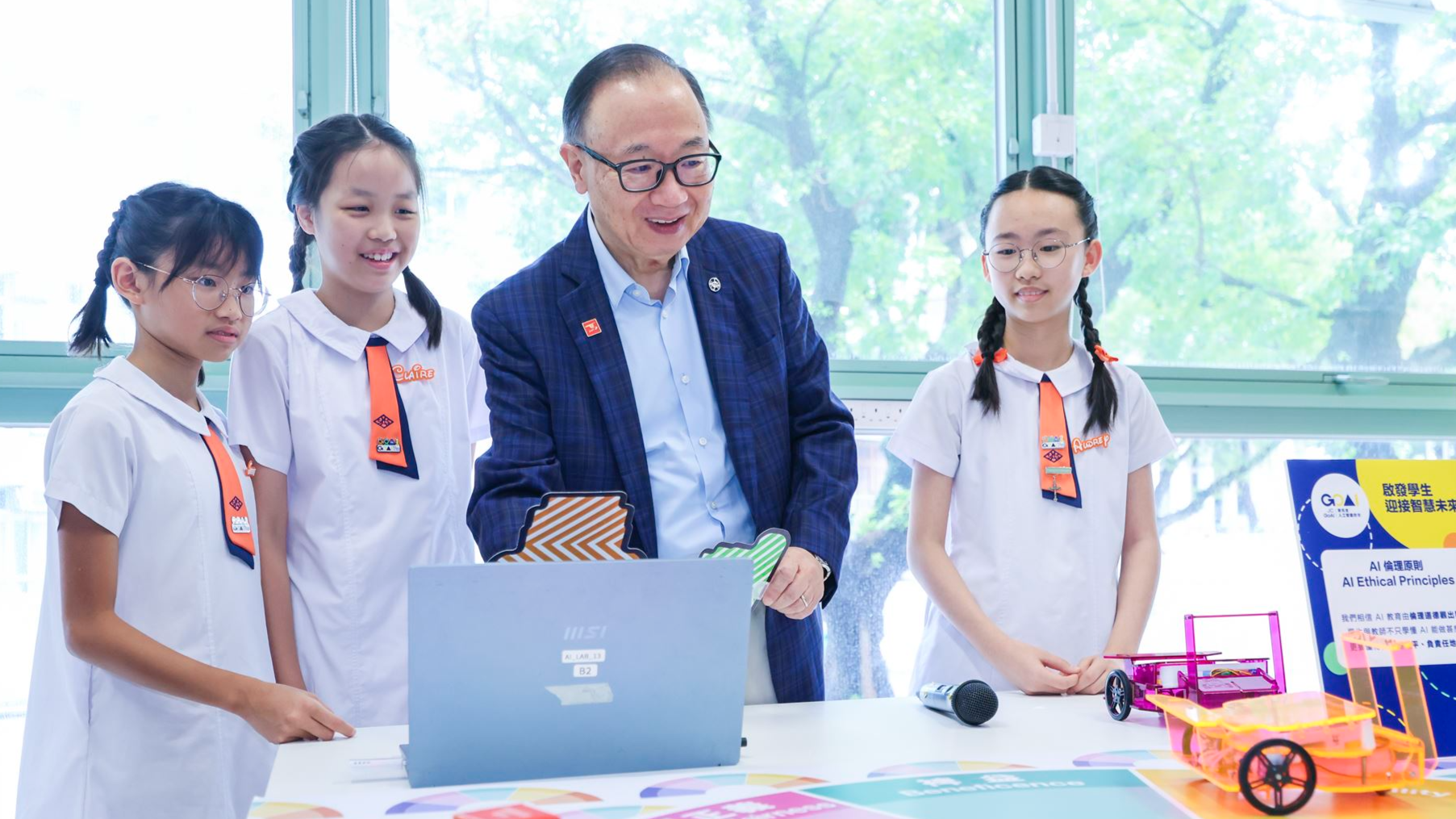
Digital technologies and artificial intelligence (AI) are becoming an integral part of everyday life, transforming how we learn, work and connect. Their growing significance is reflected in policy – from digital innovation and youth development as national priorities to the Hong Kong Education Bureau’s Blueprint for Digital Education Development in Primary and Secondary Schools. The blueprint underscores the importance of equipping students with digital competencies from an earlier age, while also preparing teachers to support learning in an increasingly technology-driven world.
Ten years ago, when the digital economy was only just beginning to unfold and AI was barely discussed, The Hong Kong Jockey Club Charities Trust had already embarked on a long-term commitment to digital education. Guided by a forward-looking vision, the Trust has continually evolved its approach to ensure that students and educators are equipped with the skills necessary to thrive in a rapidly changing digital landscape.
Over the past decade, the Trust has built a comprehensive digital education pathway spanning different stages of learning, from computational thinking to AI literacy. Today, the experience and insights gained through these initiatives in Hong Kong are being shared with schools across the Chinese mainland and overseas, encouraging cross-boundary exchange, collaboration and innovation in digital education.
From CoolThink@JC to CUHK Jockey Club AI for the Future to JC GoAI
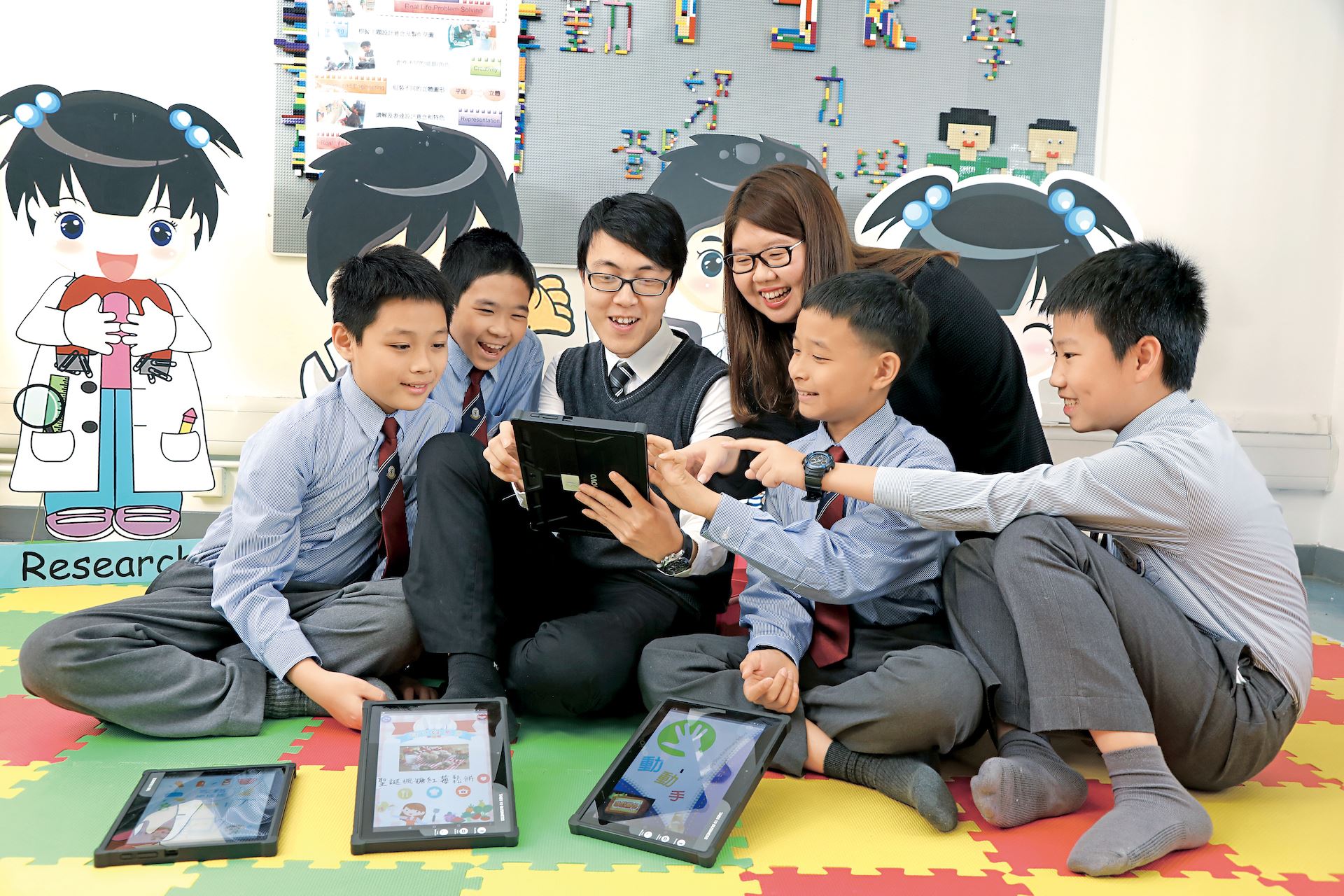
The Trust's digital education journey began in 2016 with the launch of CoolThink@JC, a pioneering program championing computational thinking as a fundamental aspect of education in Hong Kong. Through coding activities and hands-on projects, primary school students learned to break problems down, identify patterns and design solutions. Instead of simply following steps on a screen, students were encouraged to explore how AI could be applied in daily life, test solutions and work on projects that mattered to them. This helped to transform a “computer class” into a space for creativity and problem solving.
Lui Hok-him, a student who participated in CoolThink@JC, said, “Computational thinking is about learning different problem-solving techniques in class. We break a big problem down into smaller ones, which allows us to tackle it step by step in a logical and systematic way.”
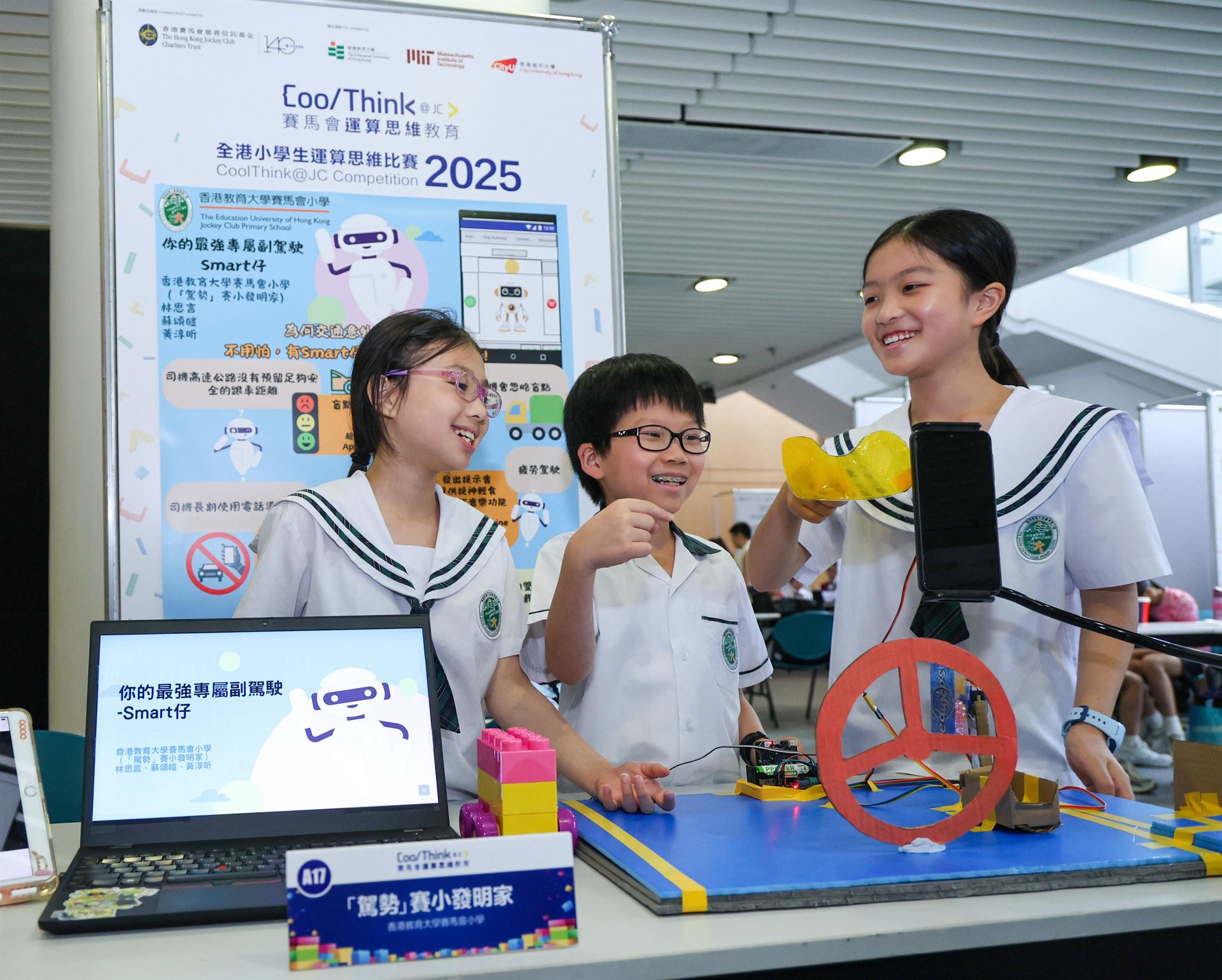
In 2019, HKJC deepened this pathway by partnering The Chinese University of Hong Kong to launch the CUHK Jockey Club AI for the Future Project. This initiative recognized the importance of building AI literacy among junior secondary students and educators, introducing core AI concepts and ethics in age-appropriate ways.
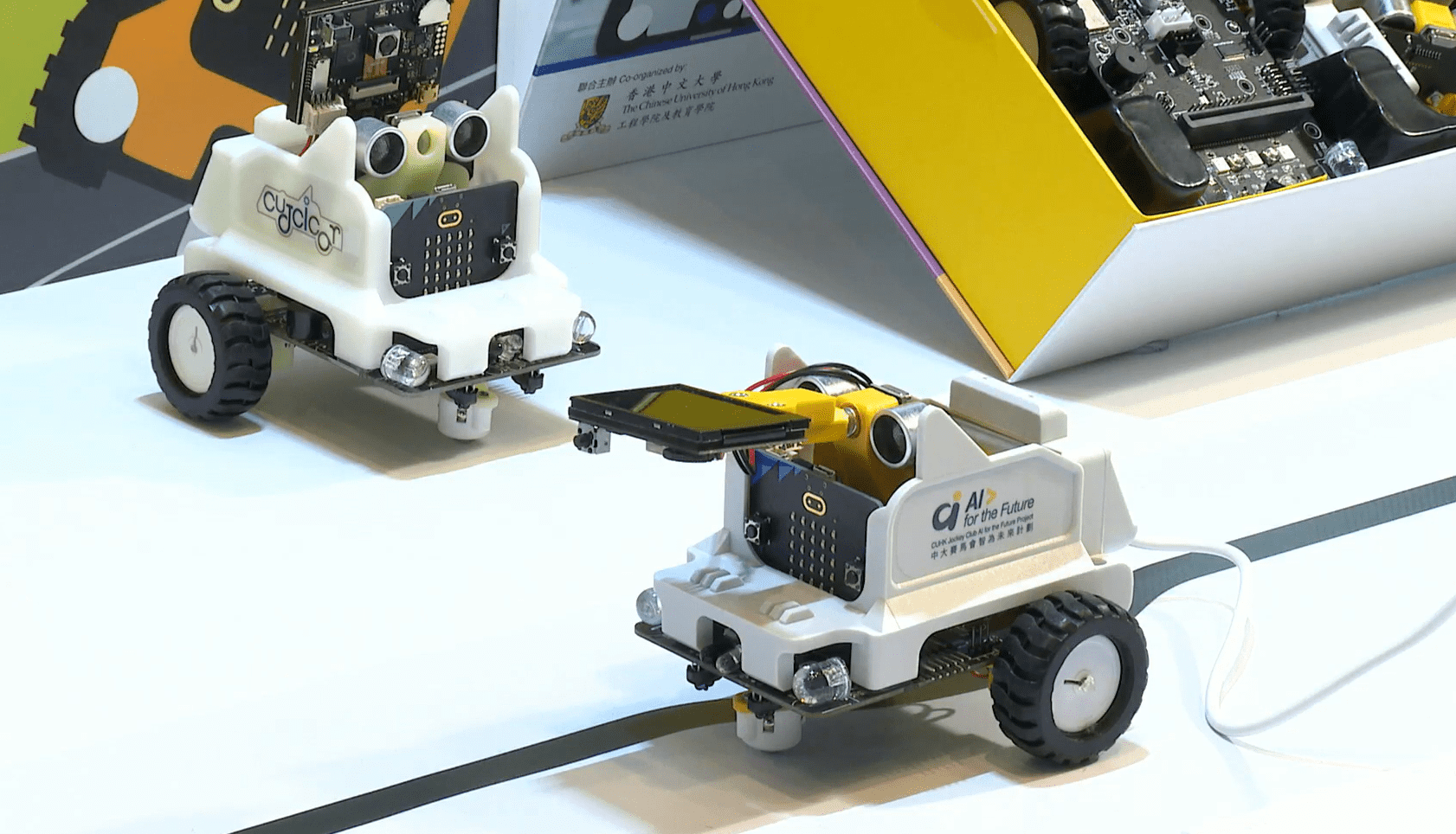
The two initiatives complemented each other, strengthening computational thinking and AI education among primary and junior secondary school students, while nurturing the digital competencies needed to thrive in future. Together, they helped nurture a new generation of learners with the skills, confidence and adaptability to thrive in an increasingly digital world. The initiatives have also driven a transformation in teaching practices. Rather than serving solely as transmitters of knowledge, teachers are empowered to become facilitators of inquiry, collaboration and experiential learning. As a result, students gain confidence and are better equipped to use digital technologies creatively, while educators gain the capabilities needed to guide learning in an increasingly digital and AI-enabled environment.
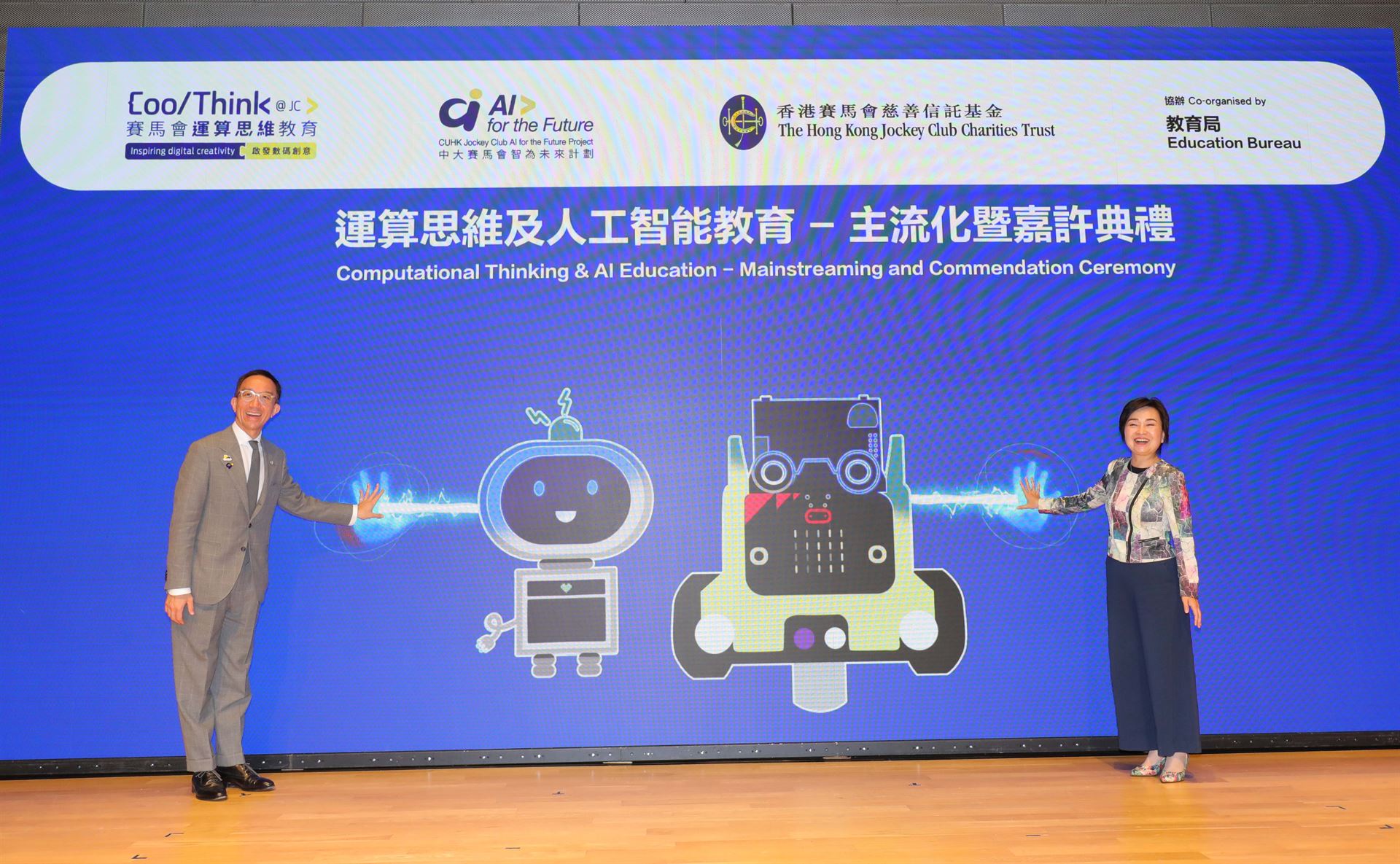
In 2023, both programs were adopted and adapted by the Hong Kong Education Bureau, with their resources incorporated into innovation and technology learning modules that were widely adopted by primary and secondary schools across Hong Kong. What began as a pilot has become part of everyday schooling, setting the stage for the next phase of the journey.
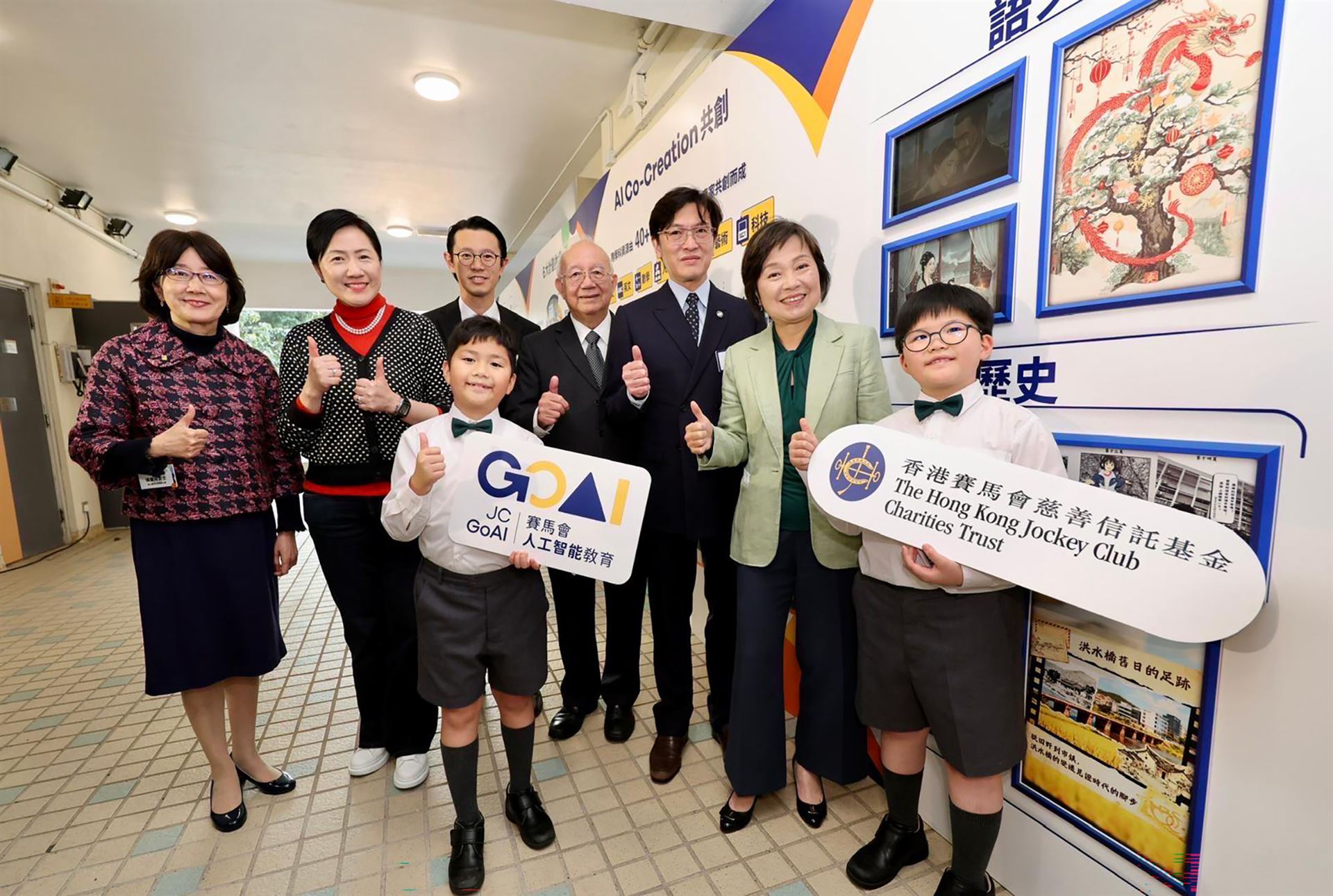
Building directly on the foundations of CoolThink@JC and the CUHK Jockey Club AI for the Future Project, JC GoAI was launched in 2025, bringing AI literacy into regular lessons for upper primary and junior secondary school students. It incorporates AI learning across multiple subjects and supports teachers in integrating AI into teaching and learning. Overall, it aims to reach 300 primary and secondary schools and benefit more than 100,000 students, 2,200 teachers and around 11,000 parents.
“I believe AI will create many new career opportunities that do not exist today. If we do not learn how to harness its potential now, we may find it difficult to keep pace in the future,” said Lee Ho-shun, a participant in the JC GoAI project.
Scaling up in the Chinese mainland
The impact of this homegrown pathway has extended far beyond the city. The CoolThink@JC curriculum has been disseminated in places including the Chinese mainland, New Zealand, Dubai and the United States, showing how a Hong Kong-developed approach can be adapted across diverse education systems.
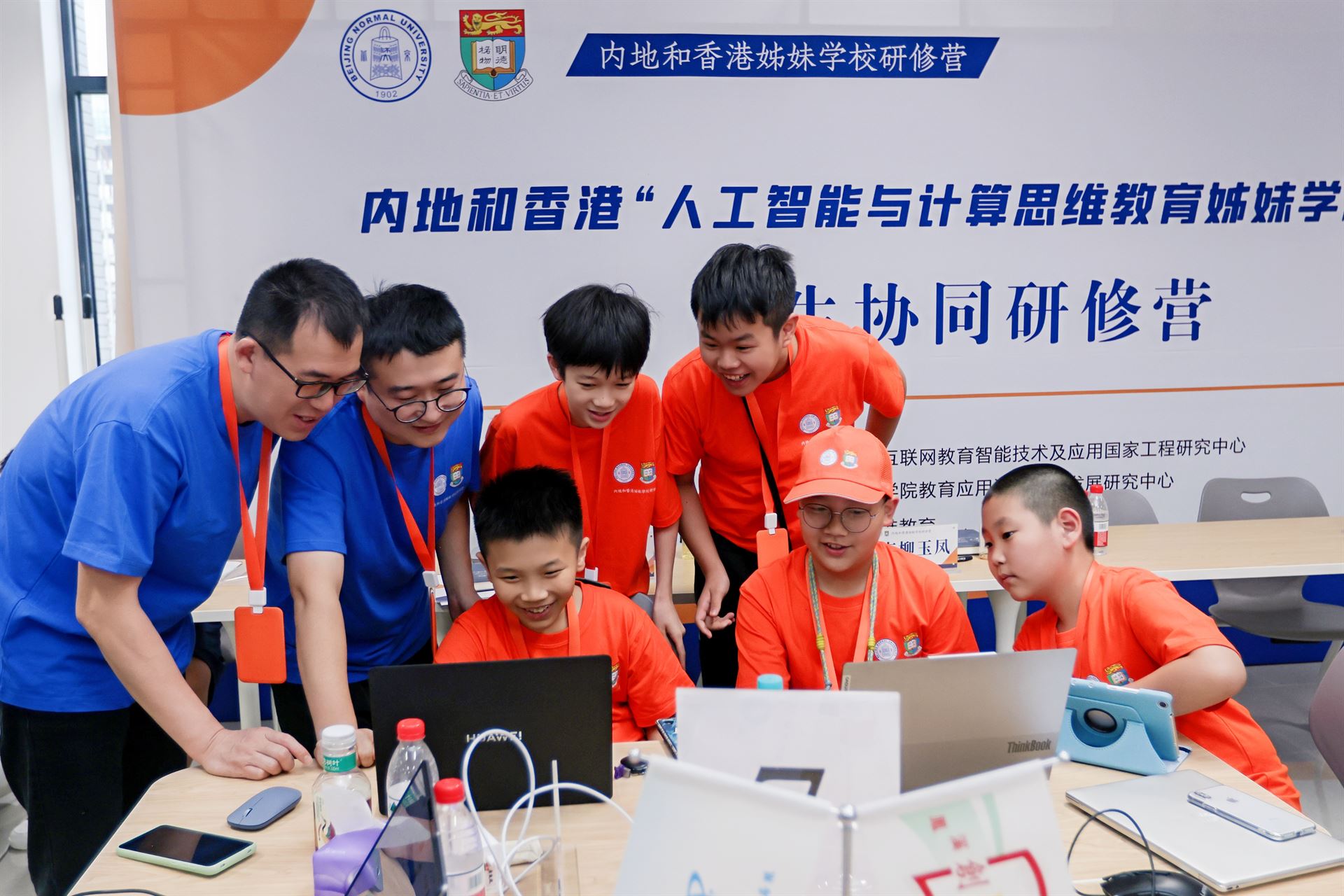
In 2025, CoolThink@JC expanded into the Chinese mainland, leveraging sister-school partnerships to disseminate computational thinking education to primary schools across 25 provincial-level administrative regions. The initiative adopts a collaborative model that pairs Hong Kong primary schools with their Chinese mainland counterparts. Beijing Normal University is a key partner, hosting conferences and teacher training camps to support implementation and knowledge exchange. Practitioner networks also connect teachers across provinces and municipalities, demonstrating that a curriculum developed in Hong Kong can be adapted successfully in diverse contexts. More broadly, the initiative shows how digital education can advance equity in education when effective models are shared, localized and scaled across regions.
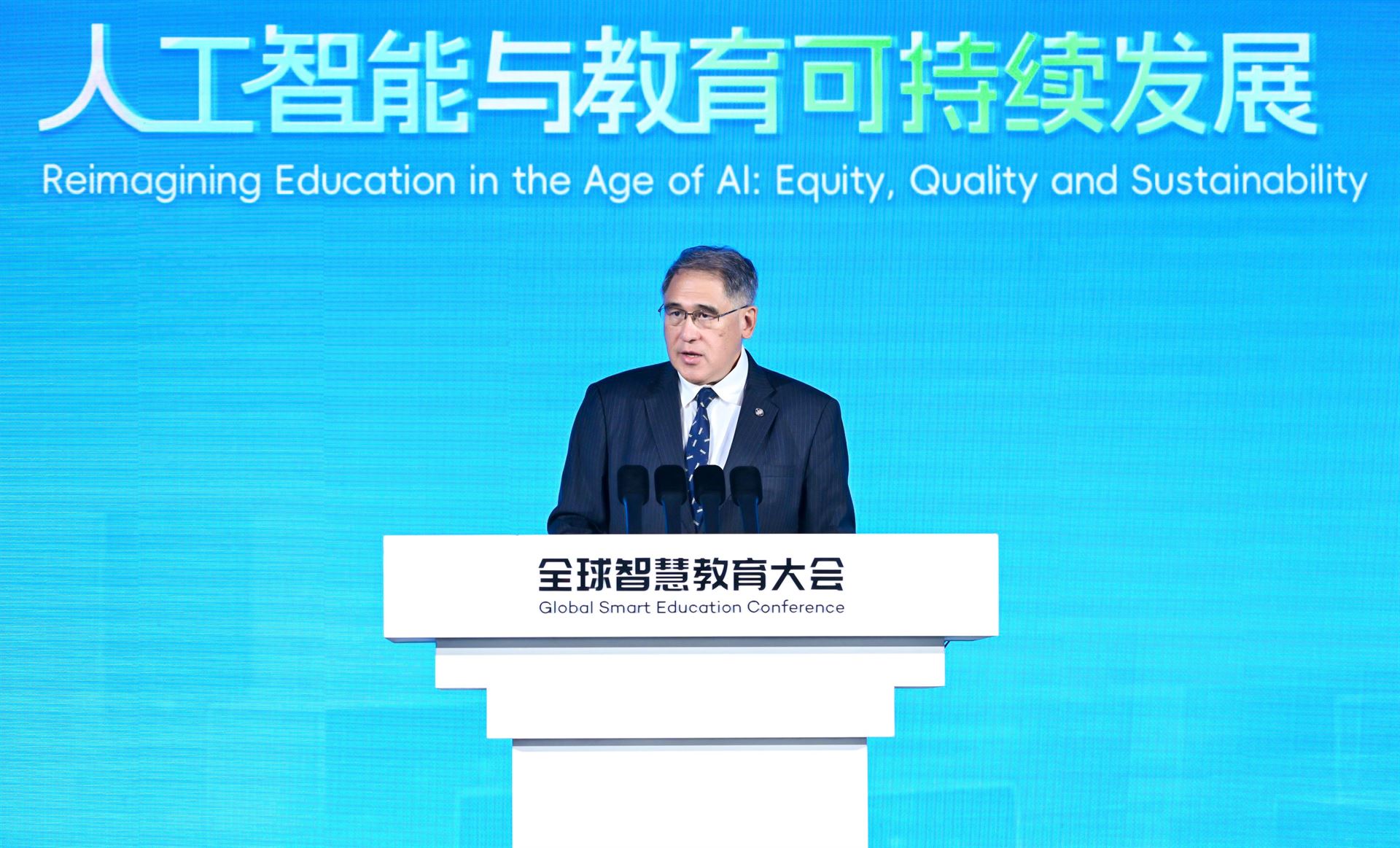
Speaking at the opening ceremony of the Global Smart Education Conference 2026, jointly organized by Beijing Normal University and the UNESCO Institute for Information Technologies in Education, HKJC Deputy Chairman Lester Huang noted that HKJC’s commitment to digital education began a decade ago, with the core objective of enhancing students’ digital literacy and promoting equity in education. He noted this commitment extends beyond the classroom. Looking ahead, he noted HKJC would extend digital learning from schools into the community through Community Digital Creativity Learning Spaces, empowering more young people with future-ready skills and nurturing the next generation of responsible innovators and leaders, in line with the national strategy of rejuvenating the country through science and education.
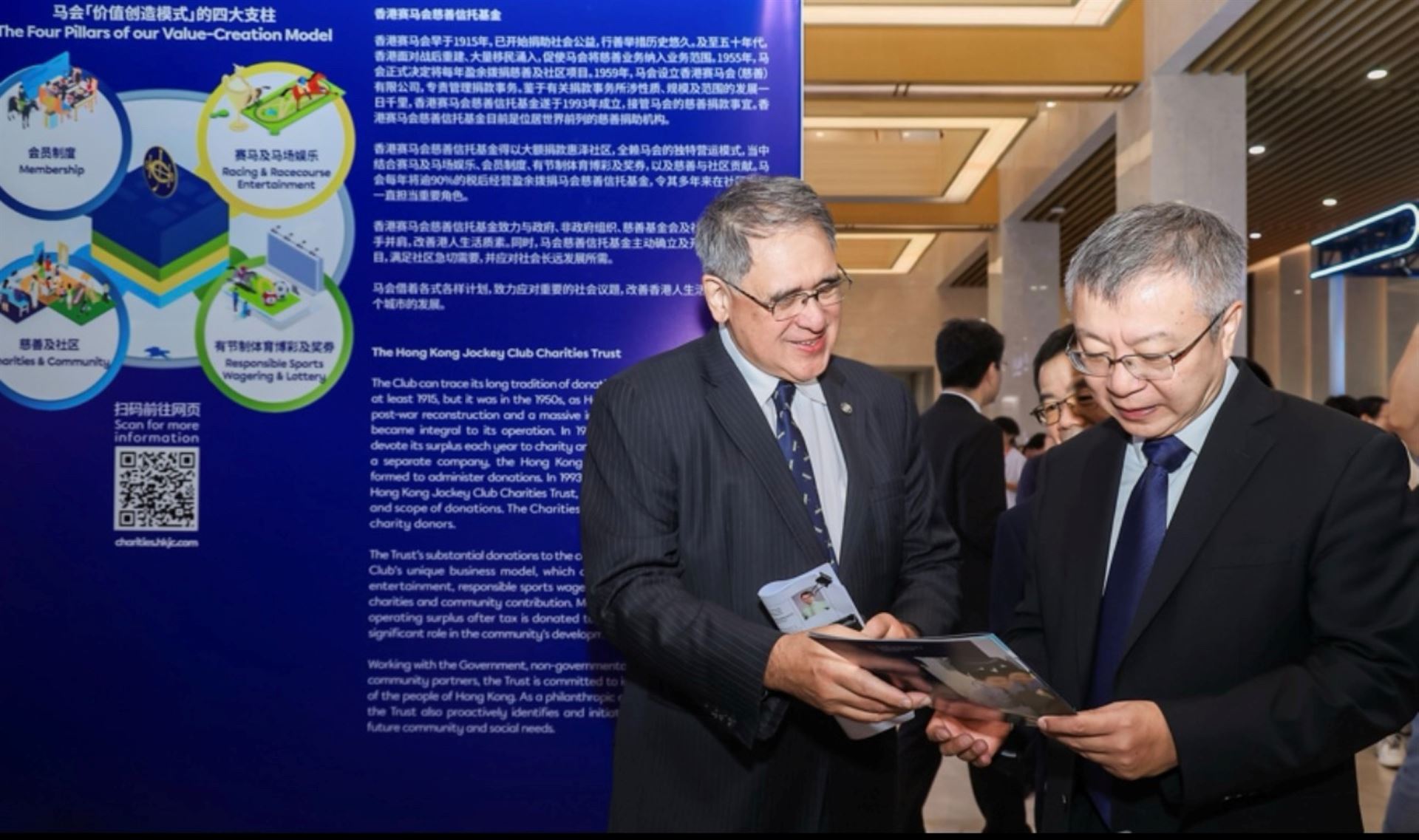
Prior to the opening ceremony, HKJC Deputy Chairman Lester Huang accompanied Professor Ren Youqun, Vice Minister of Education of the People’s Republic of China, on a visit to HKJC’s exhibition booth, where he was introduced to HKJC’s achievements in advancing digital and AI education. Professor Ren commended HKJC’s commitment to fostering educational innovation and nurturing future talent, and recognized the contributions of its initiatives to the digital transformation of education.
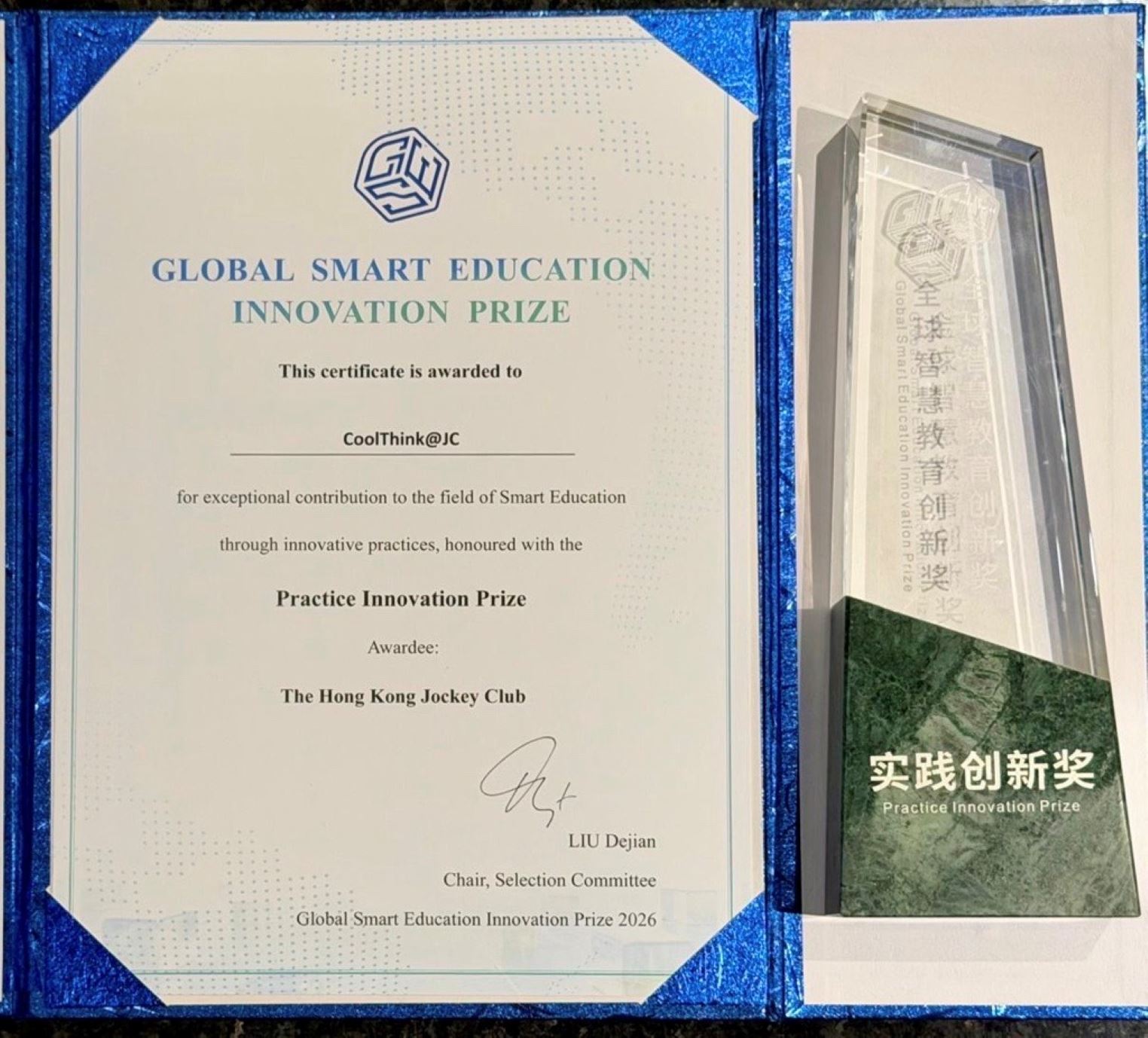
In addition, CoolThink@JC received the Practice Innovation Prize in the Innovation Design Competition at this year’s Global Smart Education Conference. The award recognizes innovative and impactful smart education practices from around the world, affirming the program’s achievements in promoting the widespread adoption of smart education, equipping students with future-ready skills and supporting the high-quality development of digital education.
Expanding on to the International Stage
The CoolThink@JC curriculum has been disseminated in places including New Zealand, Dubai and the United States. In 2025, HKJC’s Charities Trust signed a Memorandum of Understanding with Cambodia’s Ministry of Education, Youth and Sport (MoEYS) to adopt and adapt the CoolThink@JC curriculum in Cambodian primary schools.

Speaking at the Implementation of Computational Thinking Education Launch Ceremony at MoEYS in Phnom Penh, Jackson Woo, Trustee of HKJC’s Charities Trust, said that promoting inclusive, quality education was among HKJC’s priorities in recognition that unequal access to technology could exacerbate digital divide. Addressing these challenges was the inspiration behind CoolThink@JC.
Further, he said the collaboration advances the nation’s Belt and Road initiative, which is designed to strengthen international trade, connectivity and economic growth. The partnership has established a foundation for cross-border educational initiatives including collaborative research and student exchange programs, which can inspire impactful learning for students across Asia. He also expressed deep gratitude to the Hong Kong Special Administrative Region (HKSAR) government for its ongoing support, which has been crucial to making this collaboration possible.
MoEYS aims to roll out CoolThink@JC learning materials to 100 public schools between 2025 and 2028, benefiting some 30,000 students and building local teaching capacity through the systematic training of 500 teachers.

For Cambodia’s Deputy Prime Minister and Minister of Education, Youth and Sport, Dr Hang Chuon Naron, the program is of strategic national significance. “In a global context where the world is moving rapidly toward the era of -rtificial intelligence, Cambodia must transform its educational model from activities based on rote memorization to scientific thinking and problem solving,” he said. He added he believes the CoolThink@JC curriculum is perfectly suited to boost primary school children’s creativity and transform children from technology consumers to digital innovators of the future.
A re-imagined classroom with teachers learning side by side in Cambodia
For Cambodian sixth grade primary school student Davith, CoolThink@JC has already changed how he views technology. “I used to only play games on my phone, but now I can create games by myself,” he said. “I feel truly proud and genuinely happy.”
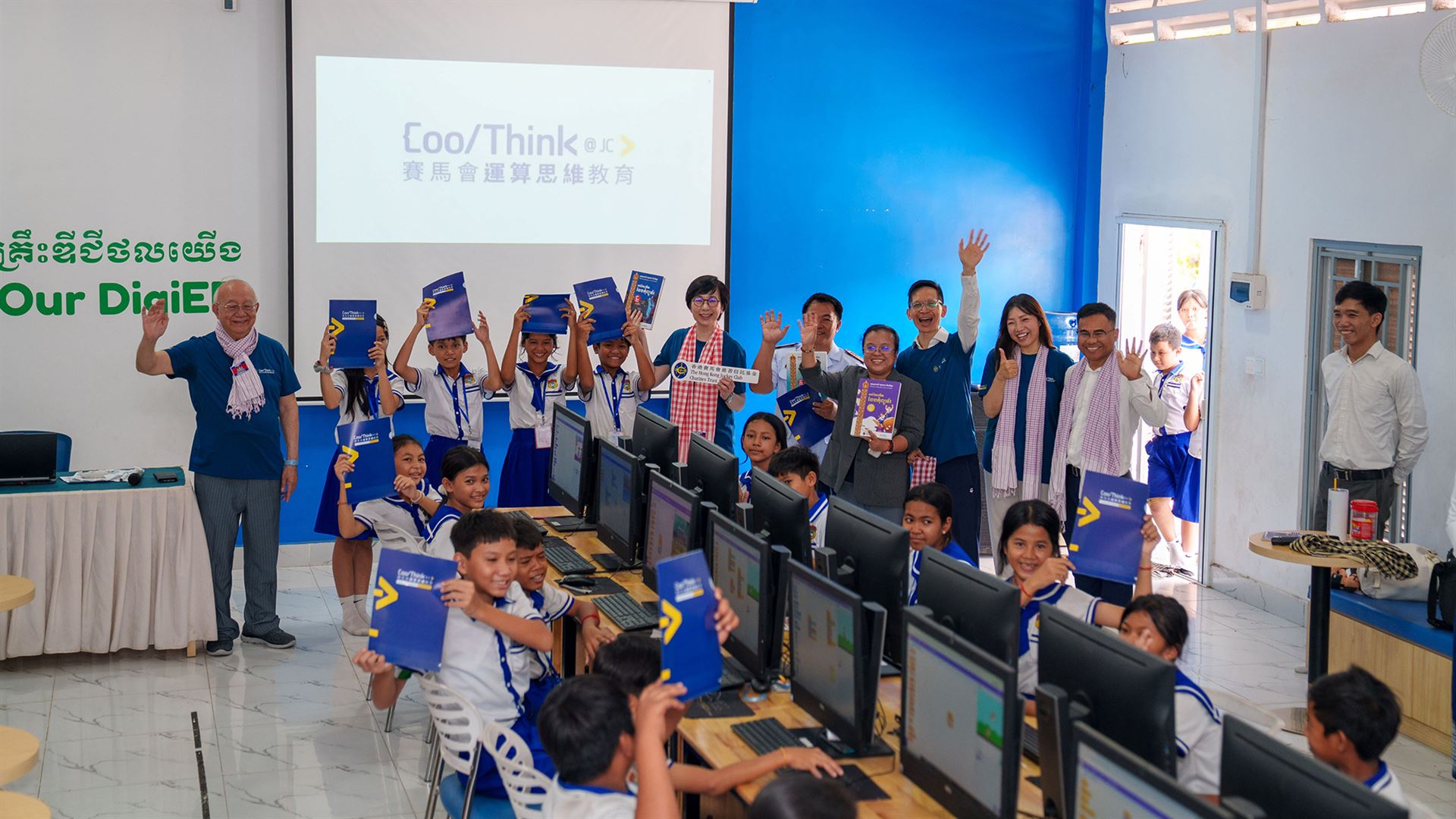
In the past, information and communication technology (ICT) classes centered mainly on basic computer literacy. Today, students design project-based assignments rooted in Cambodian life, from Khmer language quiz games to short cultural animations. By creating culturally relevant work, they develop computational thinking skills while learning to tackle real-life challenges.
The role of teachers has evolved in line with these changes. Instead of delivering front-of-class lectures, ICT teachers now act as facilitators – guiding discussions, posing questions and supporting students as they experiment and refine their ideas.
“Previously, our ICT curriculum was limited to basic Word and Excel operations and students could only create simple documents or files,” explained Rachana, a teacher. “After starting the CoolThink@JC curriculum, they can now create what they want and truly enjoy learning more.”
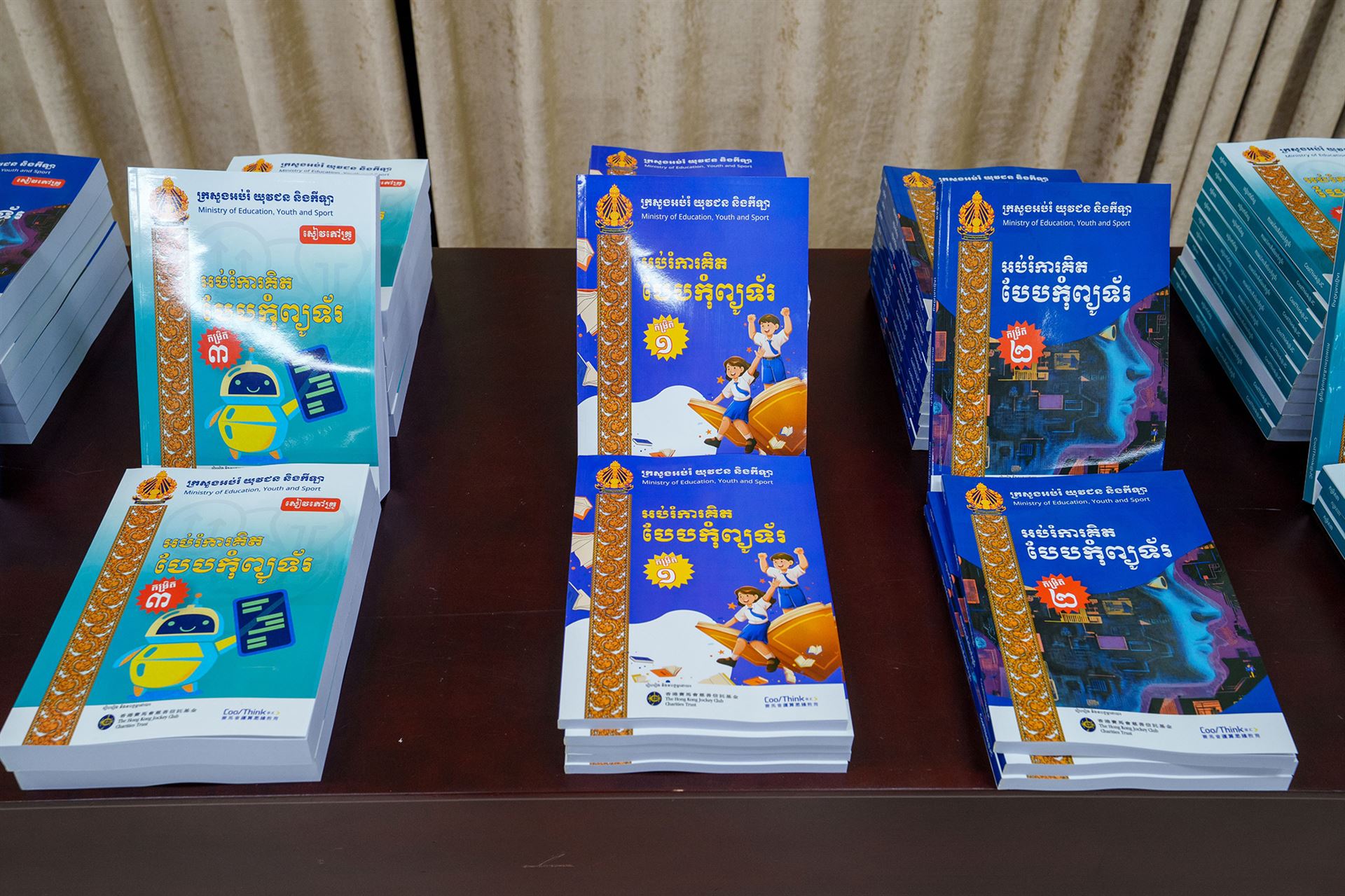
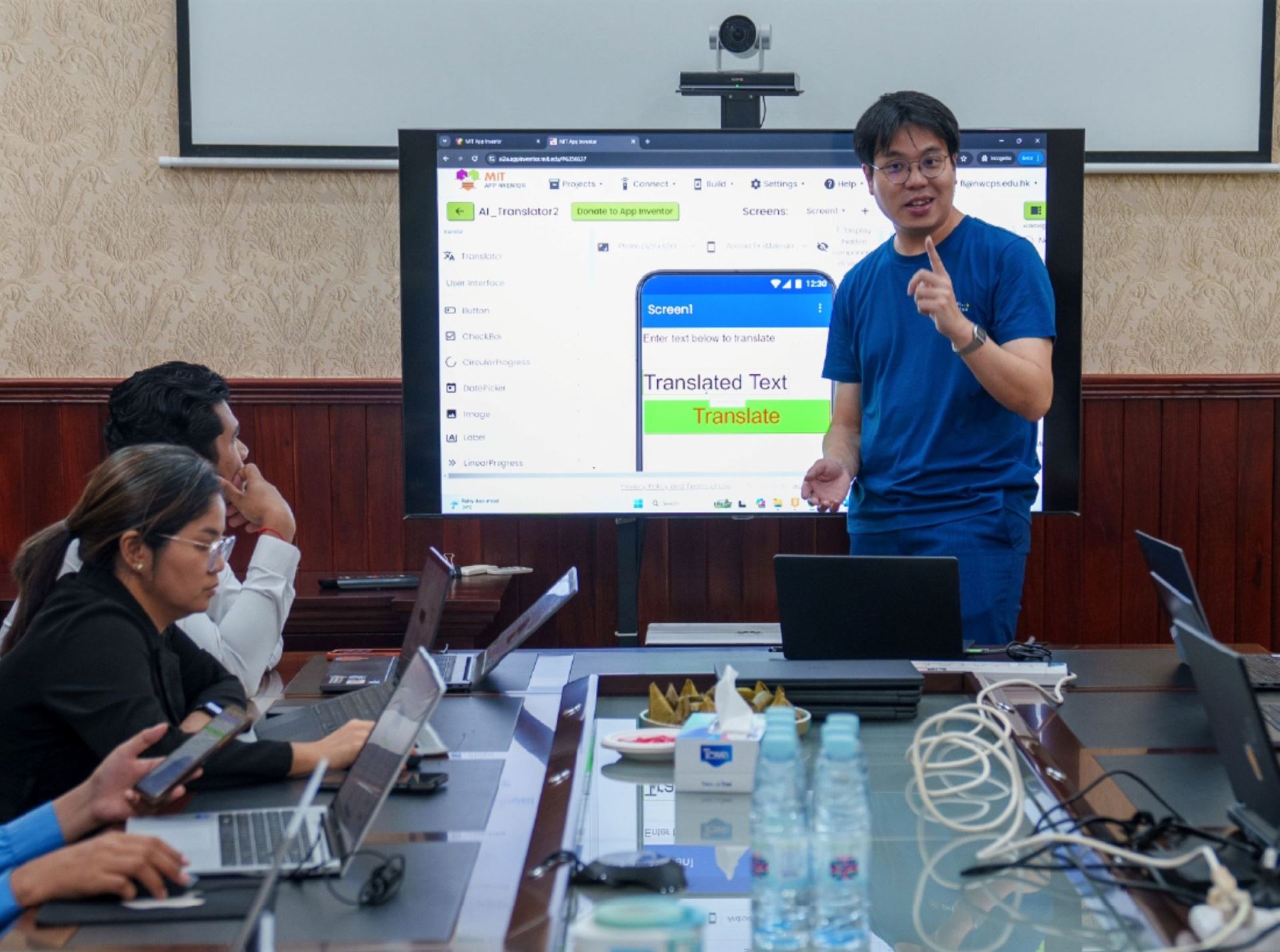
Cross-border collaboration benefits both students and educators. Teachers from Hong Kong are supporting their Cambodian counterparts through online and in-person training, fostering professional exchange and mutual learning.
“Cambodian teachers are really willing to learn,” says Daniel Fung, a school principal and CoolThink@JC trainer. “They are very motivated and focused in lessons, and they discuss lessons with one another. As an educator, there is a sense of satisfaction when I see their ‘eureka!’ moments. I feel I am doing something meaningful.”
Following the adoption and adaptation of the CoolThink@JC curriculum in Cambodian primary schools, HKJC and Cambodia’s MoEYS signed a new Memorandum of Understanding (MOU) on early childhood education and development at the PBC 2026 forum in Hong Kong. The agreement reaffirms the shared commitment of both parties to strengthen the foundations for children’s development and improved life trajectories.

Computational thinking foundations and AI futures: a shared vision
CoolThink@JC and the CUHK Jockey Club AI for the Future Project have laid strong foundations in computational thinking and AI literacy, while JC GoAI is now extending that pathway in the generative AI era for Hong Kong students. Together, these initiatives support exchanges among teachers and students in the Chinese mainland, Cambodia and beyond.
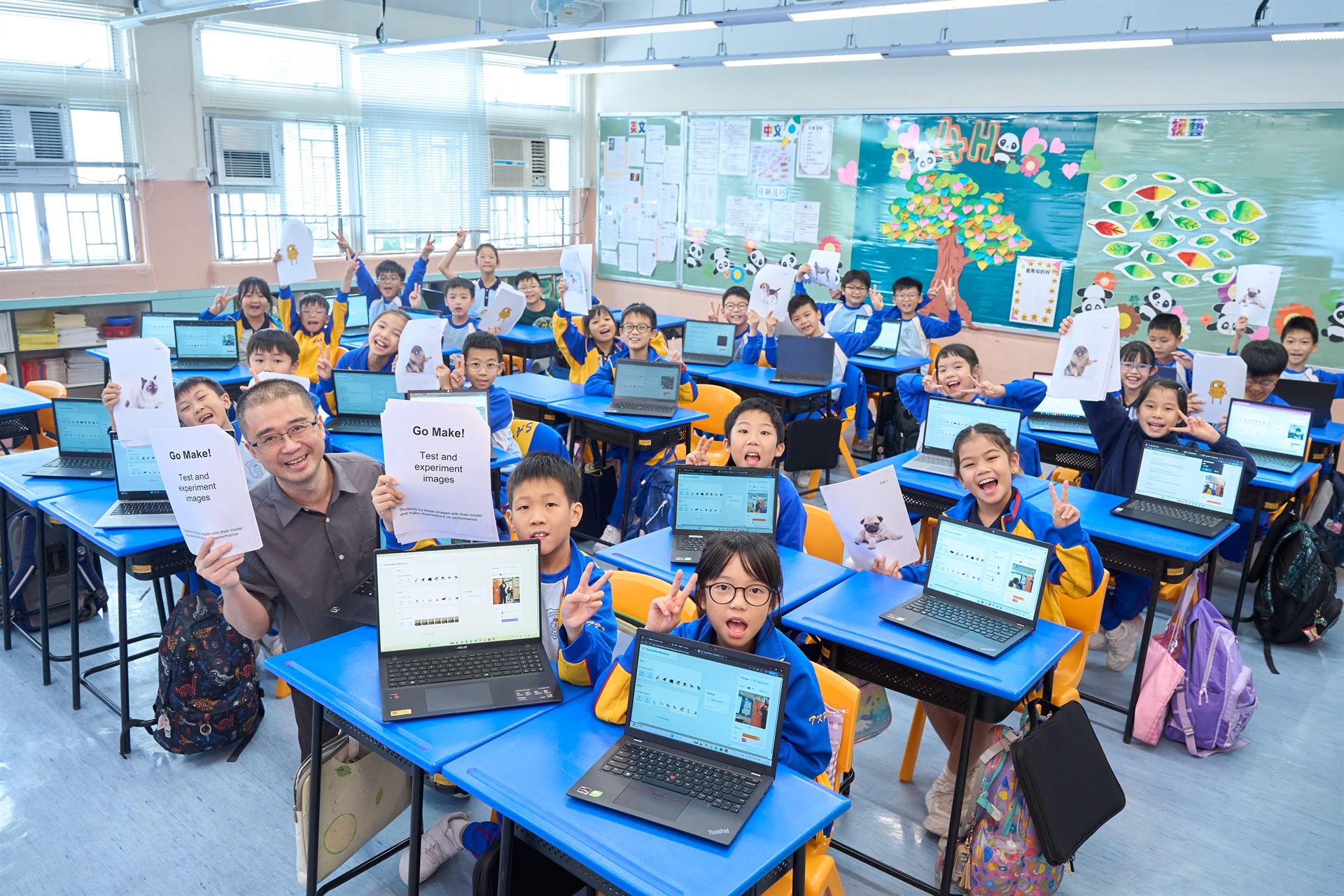
In 2024, HKJC launched JC CoolScience to advance Science, Technology, Engineering and Mathematics (STEM) education. Today, projects supported by HKJC enable students to begin their learning journey with inquiry-based exploration at kindergarten level, progress to computational thinking education in upper primary school and then develop AI knowledge and interdisciplinary application skills throughout primary and secondary school education. All of these initiatives form a future-skills development pathway spanning different stages of learning, supporting the high-quality development of digital education.
The next phase of this journey will see eight digital creativity community hubs established across Hong Kong. By bringing computational thinking, digital and AI education into neighborhoods, these hubs will broaden access to learning opportunities, encourage the application of digital creativity to community needs and foster a culture of life-long learning and digital inclusion.
Throughout the past decade, the Trust has remained steadfast in its belief that every child deserves access to equitable, high-quality education. By empowering students and educators with critical thinking skills, an ability to use AI responsibly and the confidence to innovate, the Trust is helping to prepare young people for the opportunities and challenges of the future.
Looking ahead, the Trust will continue to advance digital inclusion and align its efforts with the National 15th Five-Year Plan and the First Five-Year Plan for Economic and Social Development of the HKSAR, supporting the integrated development of education, technology and talent while fostering a digital education ecosystem. Its vision is to ensure that technology serves as a source of opportunity rather than a barrier, that education connects people and ideas across borders, and that future generations are equipped to thrive and fully realize their potential in an increasingly digital world.
HKJC’s support for digital and AI education projects, like all of its charity and community initiatives, is made possible by its unique value creation model, through which HKJC generates sustainable economic and social value for the community through tax contributions, charitable donations and employment opportunities.
HKJC Special
