

Workshop discusses how to balance modernization with identity as villages undergo rapid change, Yang Feiyue reports.
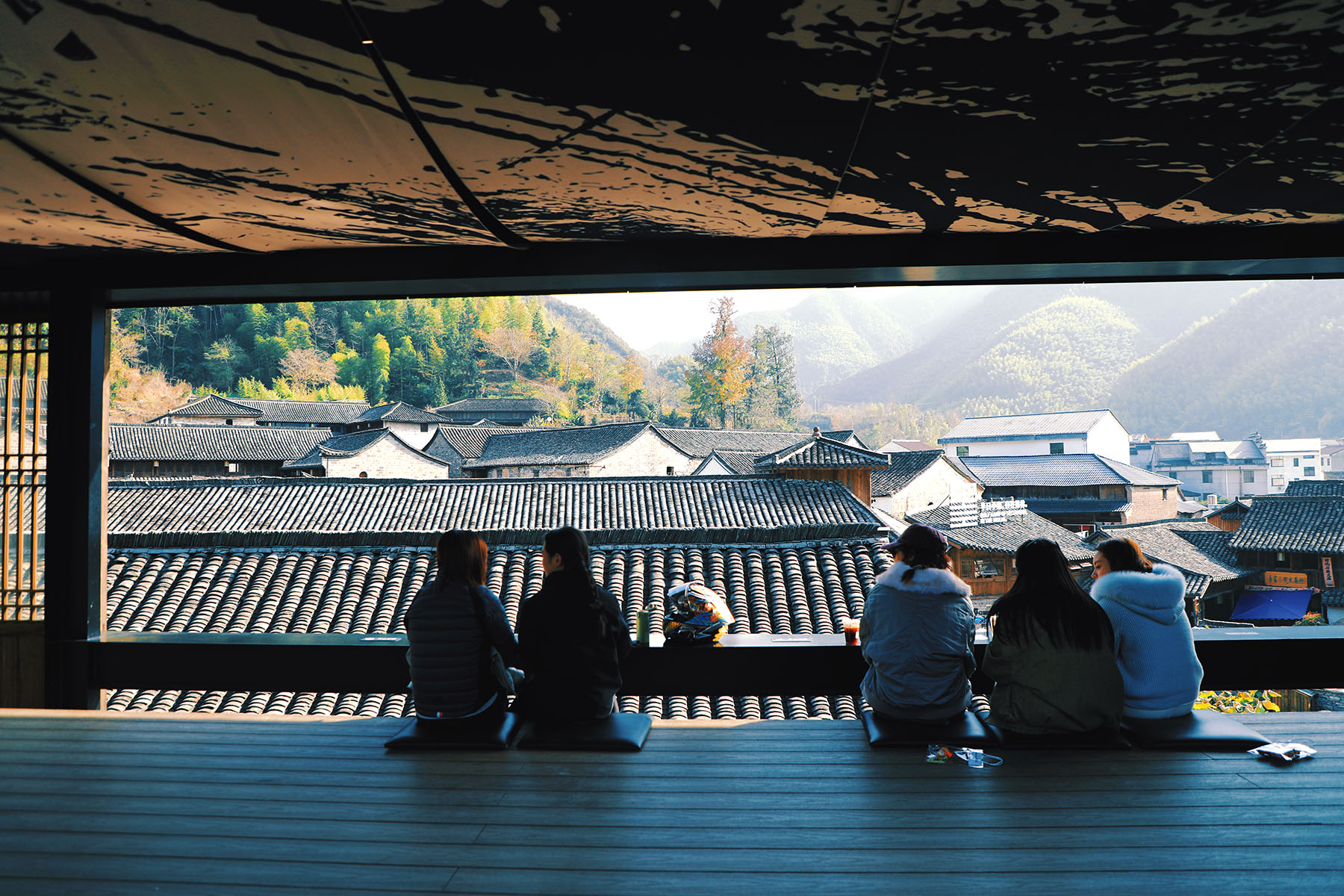
At a Peking University workshop, experts examine whether rural vitalization is also about restoring how communities perceive places.
"What if the most important right in rural development is not the right to build, but the right to perceive?" The question surfaced inside a lecture hall at the university in Beijing in late May, during the workshop.
The discussion quickly moved beyond roads, investment and tourism figures toward questions of memory, belonging and cultural continuity.
That tone was carried throughout the workshop, The Village of Tomorrow: A Global South Perspective on Rural Cultural Construction, which brought together more than 30 scholars, policymakers, designers, and cultural practitioners from China and abroad. Jointly organized by the UNESCO Chair on Creativity and Sustainable Development in Rural Areas, the School of Arts at Peking University, and its Institute for Cultural Industries, the event sparked discussions ranging from heritage preservation and village mapping to cultural memory, tourism pressures and the role of local communities in shaping development.
READ MORE: Wooing rural hearts with words
At the opening of the workshop, Xiang Yong, dean of the Institute for Cultural Industries at Peking University and chairholder of the UNESCO Chair on Creativity and Sustainable Development in Rural Areas, described the workshop as an attempt to move "beyond geographical and cognitive boundaries", emphasizing that rural vitalization should not be treated as a localized policy issue but as a field of comparative learning across the Global South.
"What we are trying to do is distill experiences that can be shared, while opening space for equal dialogue and mutual learning," Xiang says.
He also outlined a series of ongoing initiatives under the UNESCO Chair, including creative rural residencies for young practitioners, art-led rural vitalization projects, rural cultural databases, and multilingual case archives documenting cultural practices in sustainable development. Xiang says the goal is not simply to document rural practices, but to create platforms where experiences from different regions can be exchanged on equal terms.
Over the past years, these efforts have expanded into sustained field-based training platforms, including a six-year "Creative 100" program in the Guangdong-Hong Kong-Macao Greater Bay Area that has brought together more than 130 young designers and practitioners, as well as cross-regional craft experiments in provinces such as Guizhou, Yunnan and Sichuan, notes Chen Ping, chairholder of the UNESCO Chair on World Traditional Handicrafts: Inheritance and Innovation, and dean of the Academy of Cultural Heritage and Creativity of Jinan University.
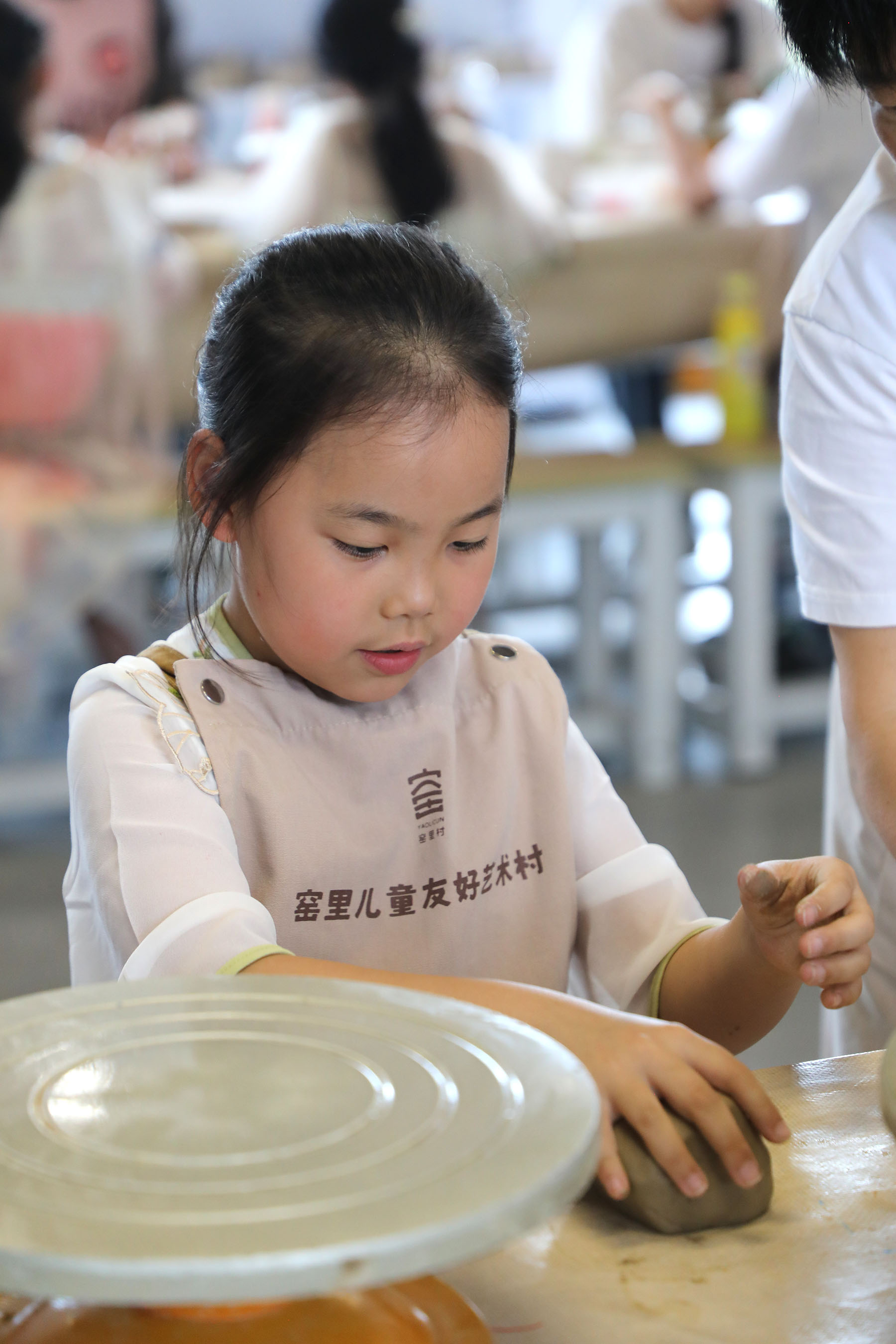
The initiative has also generated extensive field documentation and exhibition outputs, alongside a growing publication series on traditional Chinese handicrafts.
Chen says many heritage projects are no longer focused solely on preservation. Crafts are increasingly entering schools, community workshops, tourism programs, and contemporary design collaborations.
"Culture should not remain in the past as a static legacy. It must be oriented toward the future as a shared imagination," she explains.
Chen says that the shift also changes who gets to shape cultural heritage projects.
"Cultural heritage is not only about safeguarding what exists," she says. "It is about deciding who activates it, under what systems, and for whom it is transformed."
Beyond questions of institutional activation, attention at the workshop turned to how rural space itself is measured, interpreted, and ultimately made visible in policy and planning systems.
"In rural development today, we rely heavily on indicators," says Wang Sha, deputy director of the Research Institute of Better China Initiative at the China Academy of Art. "Road construction, tourism numbers, investment data, infrastructure completion — these are important, but they are not enough."
During fieldwork, Wang says she has visited villages where new guesthouses, paved roads and public squares had transformed the landscape, yet longtime residents still felt disconnected from the places they once knew.
In some villages, old gathering spaces disappeared beneath standardized landscaping. In others, farming rhythms gradually gave way to tourism schedules and livestream-friendly redesigns.
"What disappears is sometimes not a building, but a way of sensing place," she says.
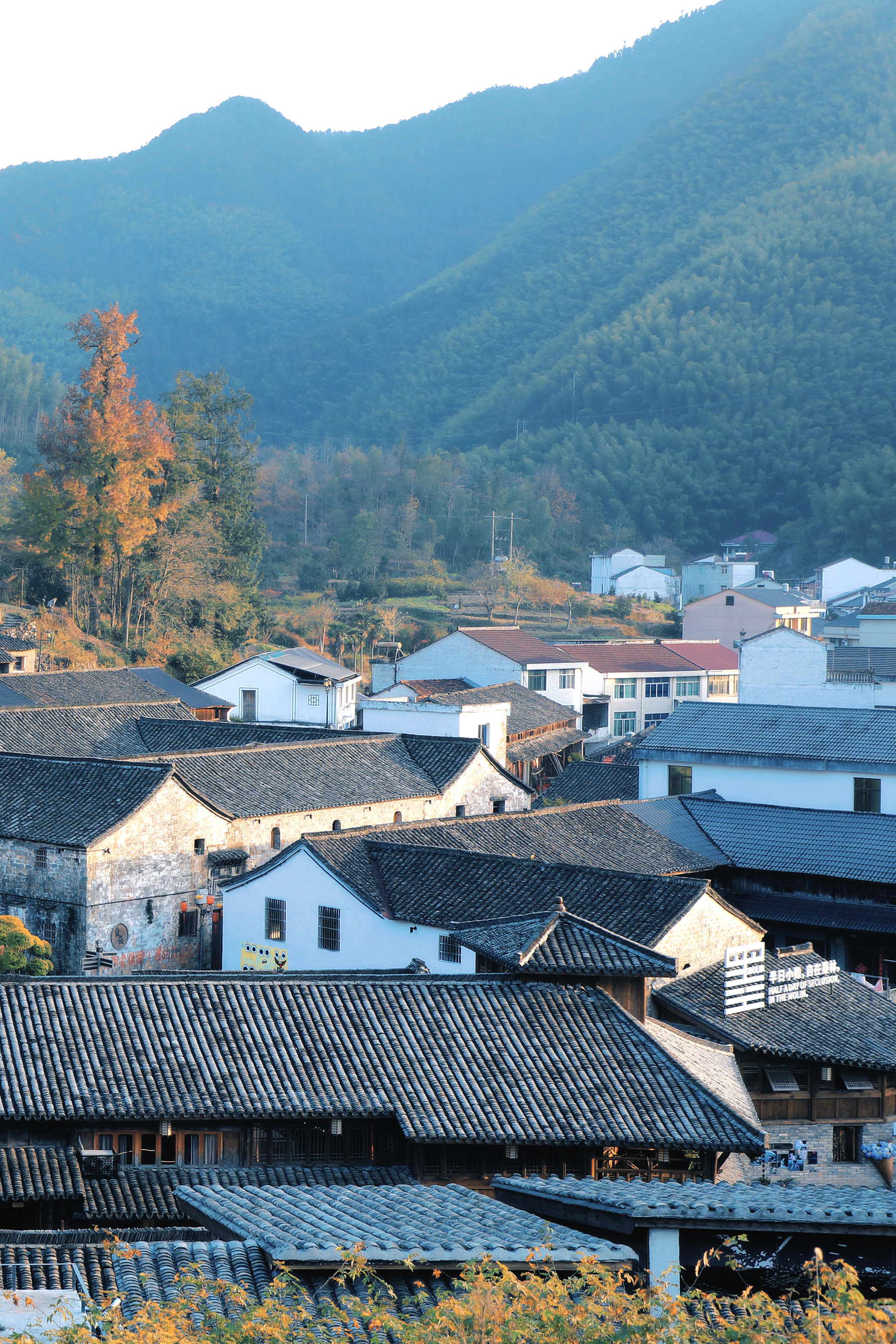
Wang says her team has been documenting local stories, daily practices and sensory memories alongside conventional planning data.
"The question is not only who builds rural space," she says. "It is whether people still have the right to perceive it and define it from within their own experience."
Against the backdrop of mounting global challenges, participants noted that rural vitalization through culture is evolving from a localized practice into a broader intellectual and social movement.
The concern over how rural transformation is framed and standardized finds another perspective in Tran Thi Thuy, deputy director of the Institute of Chinese Studies at the Vietnam Academy of Social Sciences.
Tran says Vietnam's countryside has changed rapidly in recent years through infrastructure expansion, digital technology and tourism development.
But she notes that many Vietnamese people still associate the idea of "home" with rural imagery — banyan trees, village wells and childhood memories of rice fields.
"Many people still feel that a hometown must be connected to the countryside," she says.
She cautions against reducing rural modernization to a single formula.
"Villages are not only spaces of production," Tran says. "They are also spaces of memory, kinship and belonging."
Red dots crowded the screen as Wang Fang, a professor at Peking University's College of Architecture and Landscape, projected a map tracing traditional villages across river valleys, mountain corridors and historical farming regions.
ALSO READ: A walk in the clouds
She revealed an unsettling reality at the gathering: villages are disappearing faster than many protection systems can document them.
"Some villages vanish before researchers even arrive," Wang Fang says. "By the time they enter official surveys, they may already be empty or fundamentally altered."
Her team has been experimenting with data-driven monitoring systems that combine heritage records, satellite imagery, ecological data, and even ancient tree registries to identify villages that may be at risk before decline becomes irreversible. The goal, she explains, is to move beyond what she calls "rescue-style preservation", intervening only after deterioration becomes visible.
In one pilot study in Huangshan, East China's Anhui province, her team analyzed hundreds of villages simultaneously, tracing not only architectural conditions but also changes in settlement vitality, population activity and landscape continuity.
"Protection cannot remain reactive, and we need to understand change before it becomes loss," she says.
Contact the writer at yangfeiyue@chinadaily.com.cn
