

Workers with impairments are overcoming barriers, redefining what inclusive employment looks like.
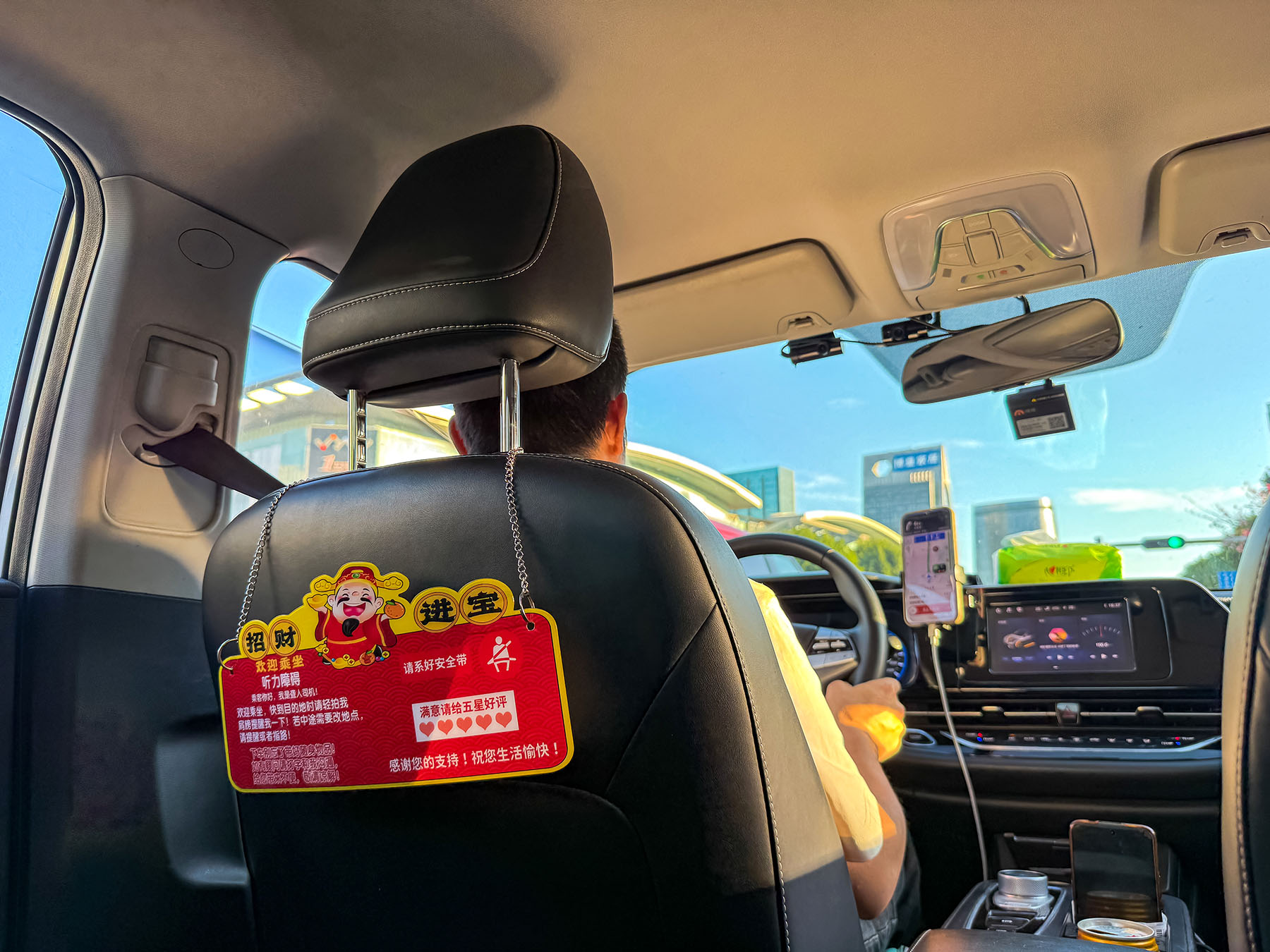
Zhao Lei, 38, has a hearing impairment and has worked as a ride-hailing driver for five years. When passengers book a ride, the app notifies them before they call Zhao, encouraging them to switch to text-based communication.
As a driver with a hearing impairment who is registered on DiDi, a major ride-hailing platform in China, Zhao said in sign language that the job provides him with a stable income and allows him to make ends meet.
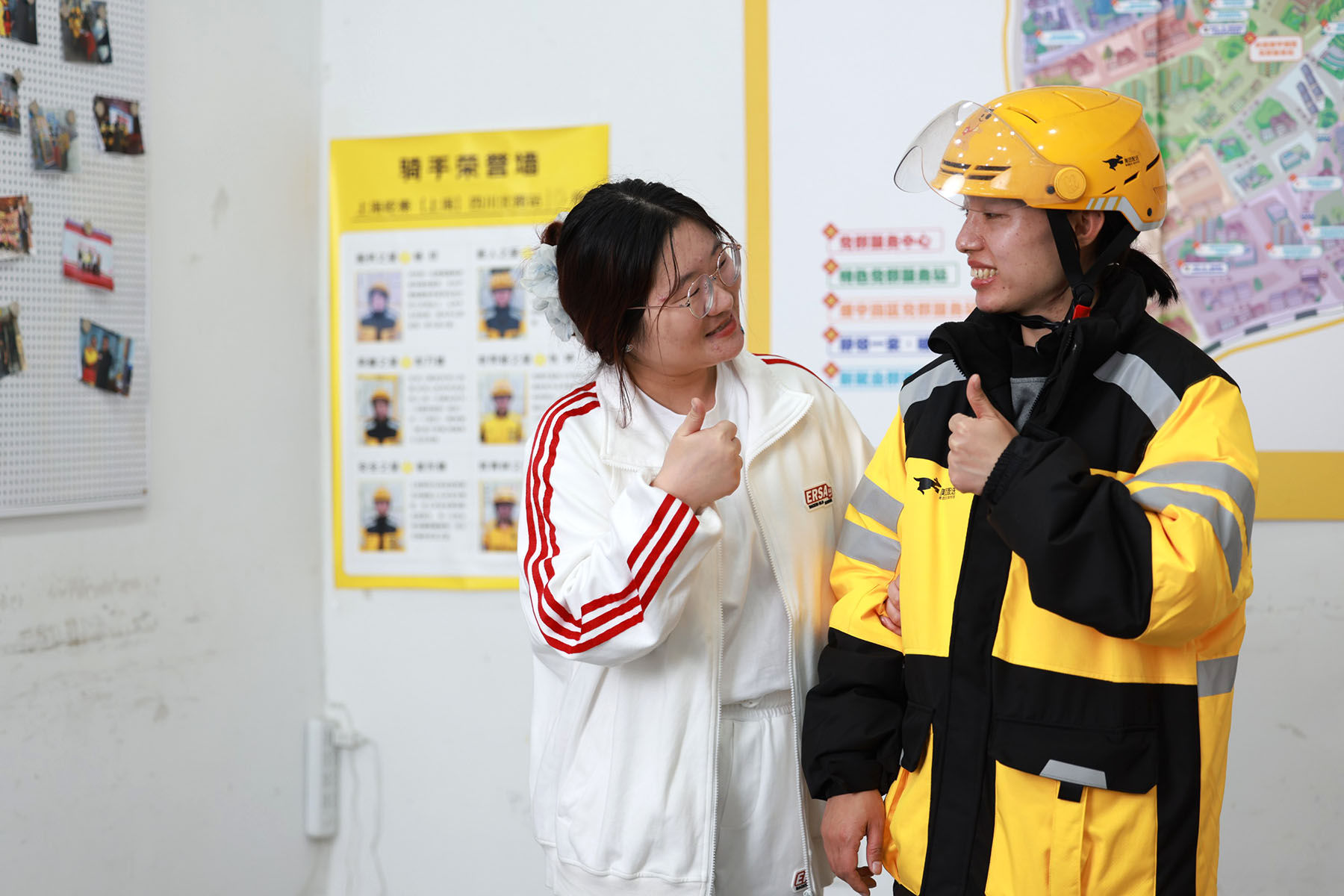
Beyond ride-hailing services, people with hearing difficulties are also finding new opportunities in China's on-demand delivery sector. "Without delivery jobs, most people with hearing impairments could only work in factories," said Sun Jingjing, a 34-year-old delivery worker for Meituan in Shanghai, an on-demand service platform.
READ MORE: 'Silent cafes' a strong voice for disabled workers
Although challenges remain, improvements in speech-to-text functions and AI communication tools are opening new possibilities. For this "silent" group, the app-based service economy is creating new horizons.

New forms of employment
Zhao, from Heilongjiang province, became a ride-hailing driver in 2021 after his startup venture failed. Once he had saved enough money, he bought a car and registered with DiDi.
Now an experienced driver covering about 300 kilometers a day, Zhao knows the city's roads so well that the map is largely in his mind. He often shows his driver's license to passengers to ease any concerns.
Yet for a driver with hearing impairments, the biggest challenge remains communicating with passengers by phone.
"When there's a traffic jam, I need to let the passenger know it will take a few more minutes," he explained. "In other cases, I have to call the passenger if I arrive early."
Over time, Zhao has developed his own ways to bridge this gap. In such situations, he may ask a passerby to help make the call or use AI-powered text-to-speech tools to generate voice messages.
Since May last year, DiDi has introduced a feature that notifies passengers before the trip if their driver has a hearing impairment, encouraging them to use text-based communication. During the ride, the app also provides guidance to passengers, such as gently tapping the driver on the shoulder in urgent situations.
In recent years, many people with hearing impairments like Zhao have entered the ride-hailing industry. Zhao is part of a group chat with more than 100 drivers with hearing impairments, where they exchange experiences and advice.
Under current regulations in China, people with hearing impairments can apply for a small-car driver's license if they meet specific hearing requirements, such as being able to hear car horns from different directions, with the help of assistive devices. After passing the necessary tests, they are also eligible to work in the ride-hailing sector.
While a small number of passengers may have doubts, most are understanding. "Some even use sign language to say 'thank you' to me," Zhao said.
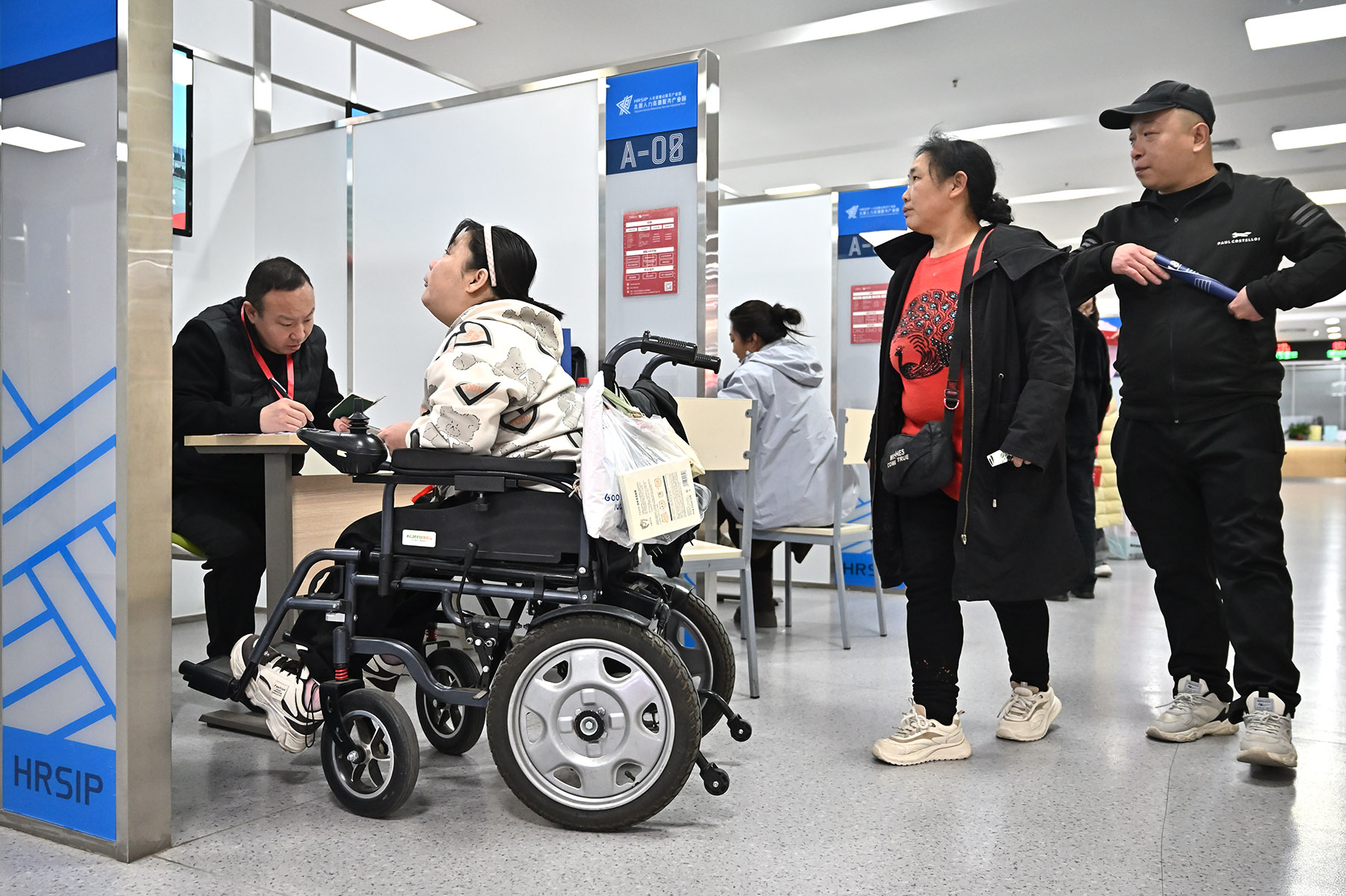
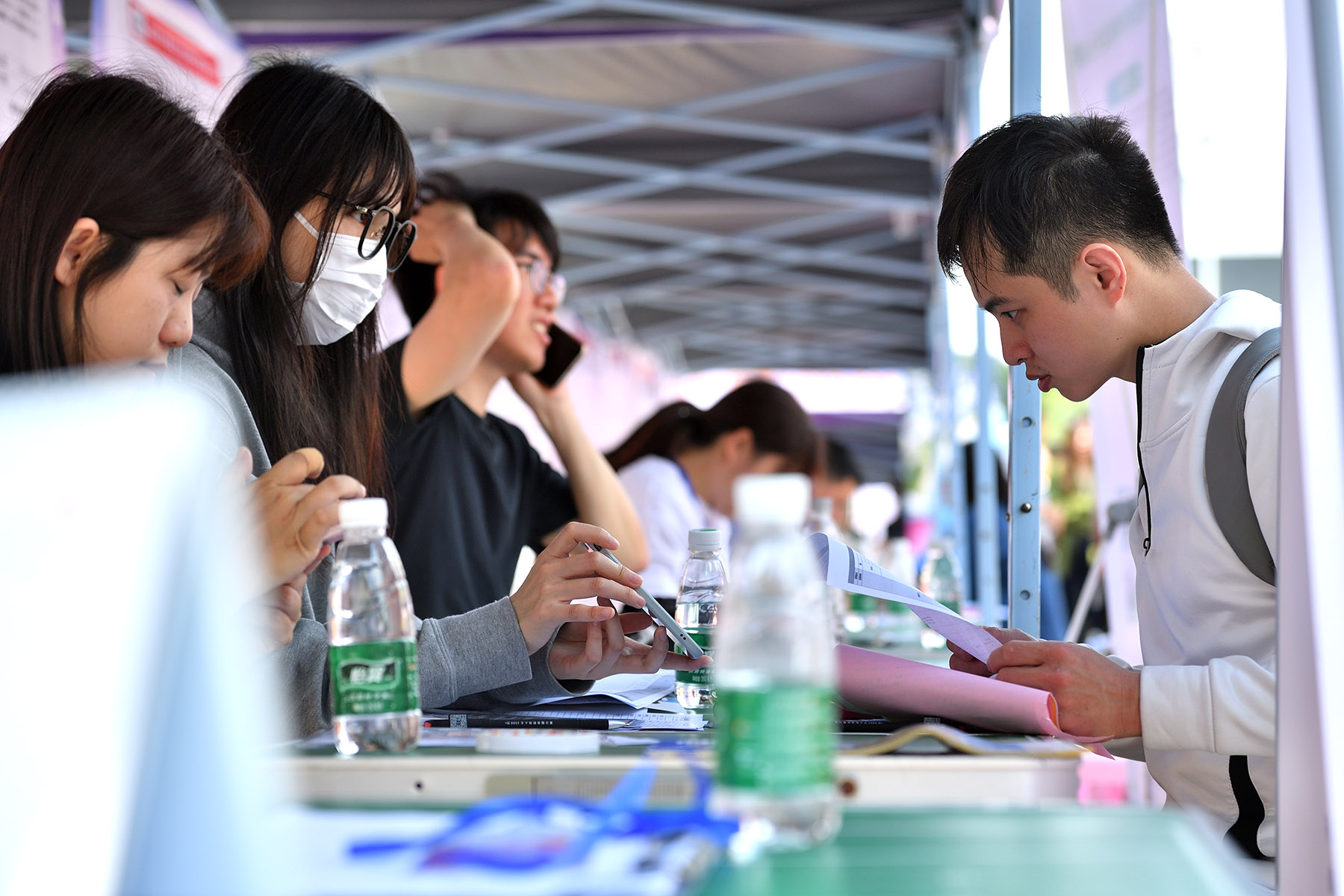
Ride-hailing drivers and delivery workers represent new forms of employment that have emerged with the growth of internet technologies and the digital economy. As of March, more than 80 million people were engaged in these flexible jobs, including 12 million delivery workers and nearly 7 million ride-hailing drivers.
Compared with traditional job options for people with disabilities, these roles offer not only more equal access but often higher pay.
Last year, more than 10,000 people with hearing impairments worked as delivery workers for Meituan.
In Shanghai, a Meituan delivery station on North Sichuan Road established a dedicated branch for workers with disabilities in the autumn of 2024. The station also employs a sign language instructor to support daily communication with its 17 employees with hearing impairments.
Before becoming a delivery worker, Sun, who is originally from Henan province, spent four years working at an electronics assembly factory. The job was exhausting, she said, and paid only 2,000 yuan ($292.6) to 4,000 yuan per month.
She described on-demand delivery work as more equitable, noting that people with hearing impairments are not discriminated against and can perform just as well as others.
When Sun began working as a delivery rider in October last year, she was unfamiliar with the delivery system and the electric motorcycle, earning only about 3,000 yuan a month.
With guidance from more experienced colleagues at the station, she gradually improved. She now completes more than 1,200 orders per month, and her income has risen to around 8,000 yuan.
In December 2024, Meituan upgraded its accessibility features for delivery workers with hearing impairments. The updated system includes functions such as speech-to-text conversion and AI-powered voice calling.
While making deliveries, Sun wears a vest labeled "Silent Rider". When people notice it, they will often step in to help her find her way if she is lost.
Excellence in silence
Yang Haobing, 30, is another "silent rider" at the station. He ranks among the top performers in both order volume and income, completing around 1,300 to 1,500 deliveries each month and earning more than 10,000 yuan.
Since becoming a full-time delivery rider for Meituan in October 2024, Yang has made it clear that he does not want to be treated differently because of his hearing impairment. He holds himself to higher standards than those of other riders, which in turn motivates those around him.
Yang attributes his success to diligently memorizing routes and frequently exchanging tips with fellow riders. "I like this job, not only because of the income, but also because it allows me to get to know the city while riding," he said.
When he first arrived in Shanghai in 2019, Yang worked as a chef. Compared with kitchen work, he said, delivery work offers more practical, worldly experience. Now, he and his girlfriend are working hard in Shanghai and plan to get married once they have saved enough money.
According to Yang, many people with hearing impairments are doing delivery work through referrals, since on-demand delivery offers higher incomes, and people with hearing impairments can do just as well as others.
Gu Xinru, a sign language instructor at the Meituan delivery station, described these riders as energetic and resilient, noting their strong work ethic and ability to overcome challenges.
Zhao, the ride-hailing driver, has also received many positive reviews from passengers. Some praised his steady driving and efficient, well-chosen routes. Even in heavy traffic, reviewers noted that he adjusted course quickly. Many passengers also offered tips as a gesture of appreciation, according to Zhao.
Now, Zhao's monthly income can reach over 15,000 yuan.
Still, communication remains Zhao's biggest concern. Although he uses text-to-speech tools to make phone calls, he noted that "typing simply isn't as fast as speaking, and when responses are delayed, passengers can become anxious. Some even hang up as soon as they hear the AI-generated voice." He added that regional dialects can further complicate speech-to-text conversion.
Zhao said he hoped the app would introduce more accessibility features.
While hearing-impaired drivers and delivery riders work hard to overcome communication barriers, companies such as DiDi and Meituan have also introduced accessibility features on their apps, drawing on feedback from users.
According to DiDi, the company has held multiple meetings with these drivers and users to better understand their key challenges and practical needs. In May last year, it launched features such as call notifications and an in-trip communication card, with pilot programs rolled out in six cities. A total of 50 hearing-impaired drivers from Beijing, Shanghai and Guangzhou in Guangdong province volunteered for the trial, including Zhao.
Based on data from 120,000 test orders, the prompt notifications successfully encouraged about half of the passengers who attempted to call hearing-impaired drivers to switch to text-based communication. The in-trip communication card was also viewed 50,000 times.
After noticing the sign indicating a driver with hearing impairments, many passengers were initially surprised and shared their experiences online. Some even searched for basic sign language on the spot and used it to thank the driver at the end of the ride.
"The car is very quiet, without music or conversation," one social media user wrote. Others described the experience as moving and inspiring, saying they were touched by the drivers' hard work.
Gu, the sign language instructor, often helps these delivery riders handle communication issues with customers. In one case, a delivery rider received a negative review from a customer who complained about an "impolite response". Gu later contacted the customer to explain that the rider could not hear and that his text replies might seem abrupt. After learning the situation, the customer sent a long message to apologize.
ALSO READ: Productive inclusion
Gu said many customers shift from being critical to offering tips once they realize the rider has hearing impairments. She added that delivery work provides more opportunities for interaction, helping hearing-impaired individuals better integrate into society.
In June last year, the General Office of the State Council issued a three-year action plan for promoting the employment of people with disabilities (2025-27), which emphasized stronger support for flexible employment among people with disabilities.
The plan also calls for further leveraging the role of the platform-based digital economy. In addition, support for the employment of people with disabilities will be incorporated into the evaluation criteria used to assess internet companies' fulfillment of their social responsibilities.
"Though those delivery workers cannot hear, they can feel the wind, smell the flowers, and be greeted on the street," Gu said. "Fairness is not about giving them special treatment, but about allowing them, like anyone else, to support themselves through their own efforts."
Contact the writers at lishangyi@chinadaily.com.cn
