

Photographer Dong Lei documents the extraordinary diversity of China's environment over the course of 20 years
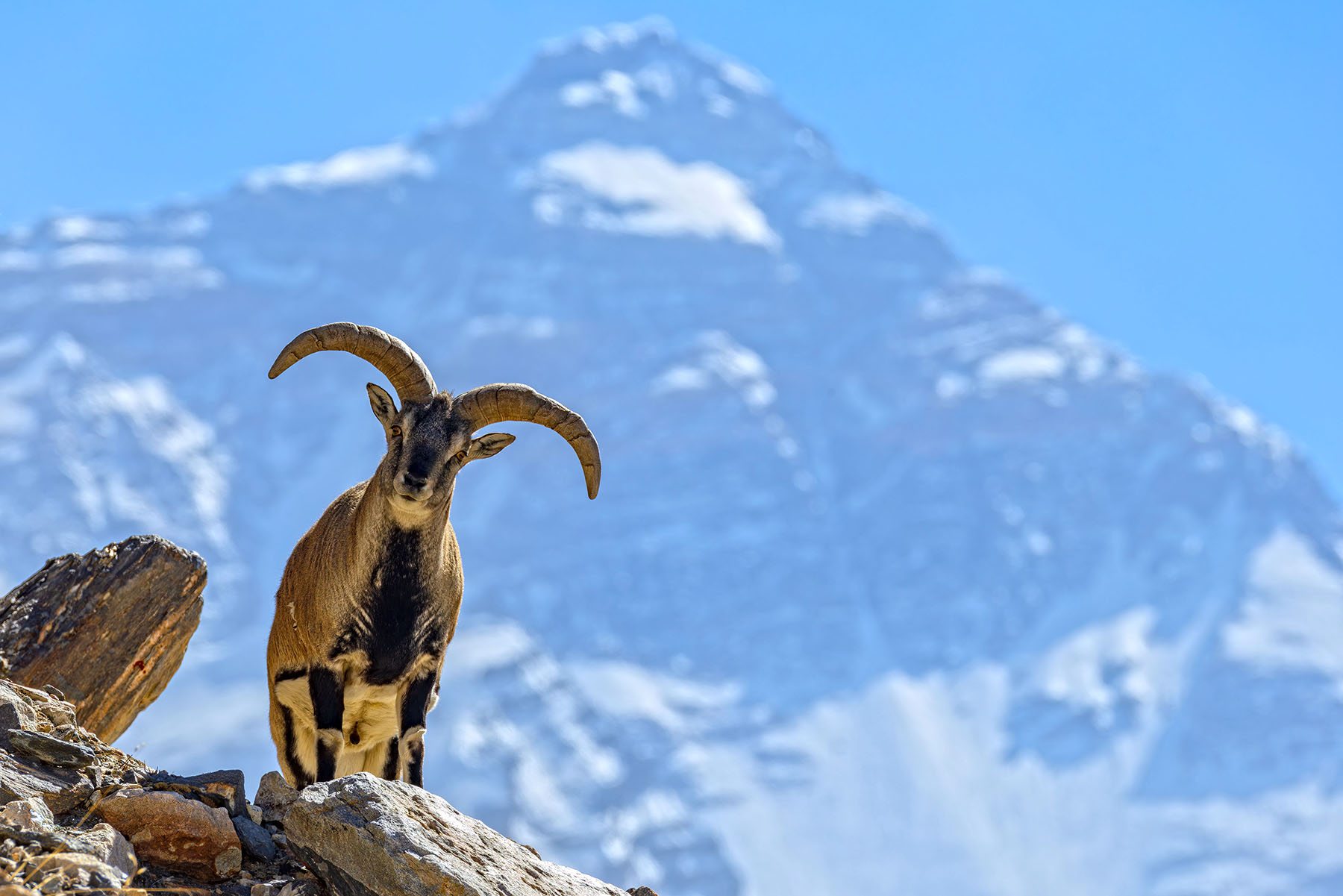
The year began with a quiet milestone for Dong Lei, a photographer from Chengdu in Sichuan province; the publication of his new book, My Wildlife Circle of Friends.
He told China Daily that the seed for a photo book had been planted in 2014-15, initially conceived with the title Mountains of Southwest China Through the Eyes of a Nature Photographer. In 2017-18, he frequently ventured deep into the Gaoligong Mountains in Yunnan province, documenting the elusive pheasant, Sclater's monal. He spent weeks in isolated wilderness. During downtime, or on rainy days when leaving camp was impossible, he began to create the book and later completed a first draft.
Eventually, a publisher expressed interest. The working title shifted to China's National Parks (Southwest Chapter)Through the Eyes of a Nature Photographer, with 10 chapters on key species distributed across 10 national parks of Southwest China.
However, with only five national parks being officially established so far and only two falling within his reach, the publisher had to rethink the marketing strategy. The title was changed to appeal to a younger audience. "The cover design is more cartoonish, but the content inside remains largely the same," Dong said.
READ MORE: Competition goes wild for nature and science
The book is a collection of his works from 2006 to the spring of 2025, when he photographed the rare Himalayan red panda in the Xizang autonomous region."The book contains the highlights of my 20 years of wildlife photography," Dong said.
Li Binbin, an associate professor of environmental sciences at Duke Kunshan University in Suzhou, Jiangsu province, wrote in the book's foreword: "With rapidly evolving imaging technology and readily accessible information, capturing beautiful nature images seems less daunting than before. However, the ability to relentlessly seek out uncharted territories in nature photography, to document and disseminate the biodiversity of China's vast land, and to use imagery to raise awareness of nature conservation — that's where people like Dong Lei are truly rare."
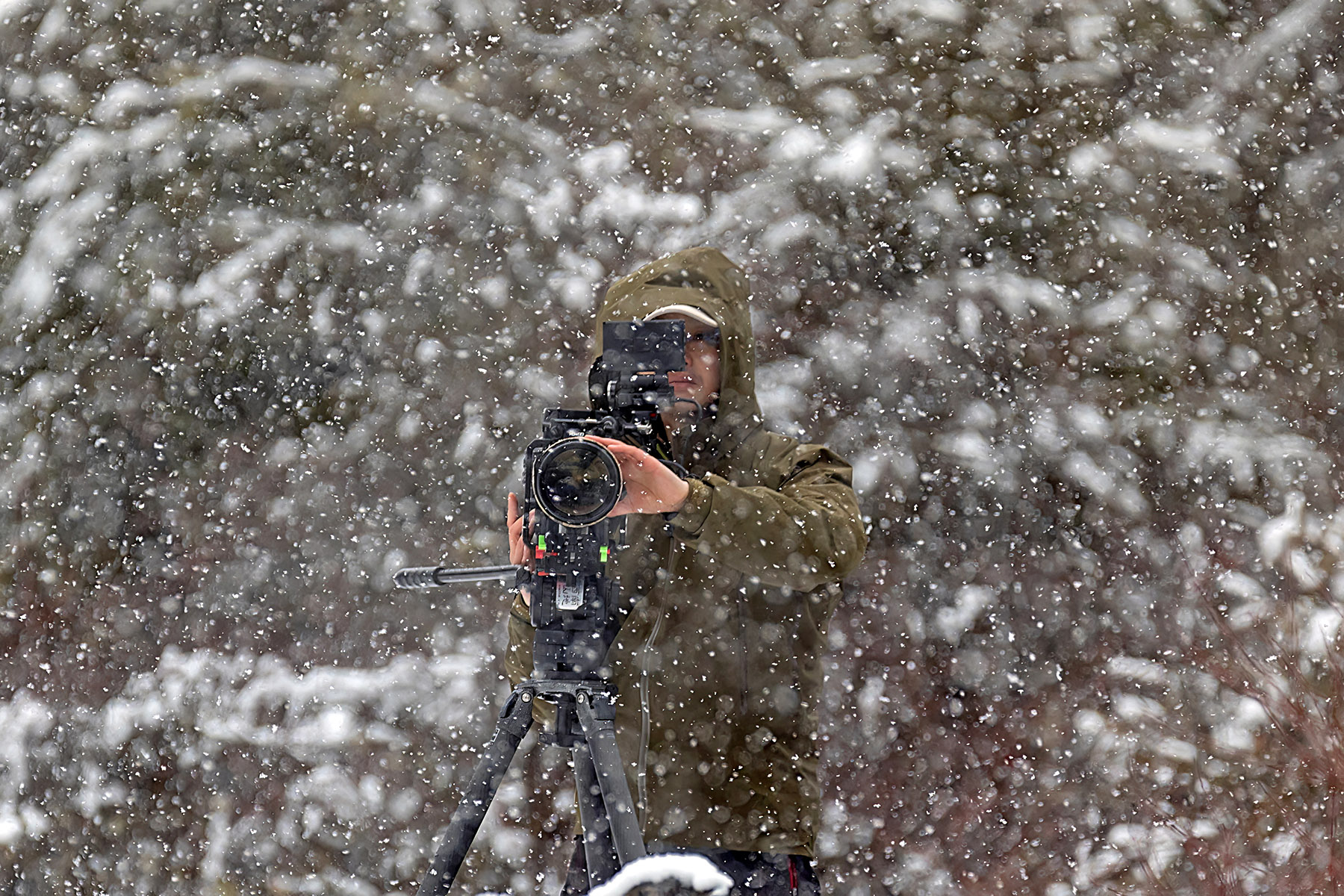
From enthusiast to expert
A nature enthusiast without a formal science background, Dong, 51, started bird-watching in 2003, which gradually transitioned into a career in nature photography.
He studied industrial design at a college in Jiangsu. After graduating, he joined Sichuan University as a teacher of design and photography. Nowadays, he teaches at the School of Design at Southwest Jiaotong University in Chengdu. As an only child, Dong lived according to his parents' expectations: education, marriage and a stable career.
But at the age of 25 lurking beneath the surface of his well-ordered life was "a hint of discontent", he said.
At Sichuan University, Dong found himself with more free time, joining the university's mountaineering association on a trek to Mount Gongga. This became the turning point that led him into the world of nature photography. He enjoyed taking pictures as he walked in the wild.
Around 2004, he immersed himself in wildlife photography. In the early 2000s, it was a new field and relevant visual materials were scarce, mostly found in foreign publications.
"I gradually realized that documenting wildlife through imagery is a crucial way for us to understand nature," Dong said.
From 2006, he began teaching at the China Wildlife Photography Training Camp, organized by the renowned photographer Xi Zhinong. Meanwhile, he embarked on his own project to photograph China's endangered species.
In 2008, he joined Image Biodiversity Expedition, the country's first imaging biodiversity survey institute.
After accumulating substantial firsthand images, Dong and his friends founded swild.cn, a natural image library, hoping to use the power of photography to reveal the vitality of the wilderness in Southwest China.
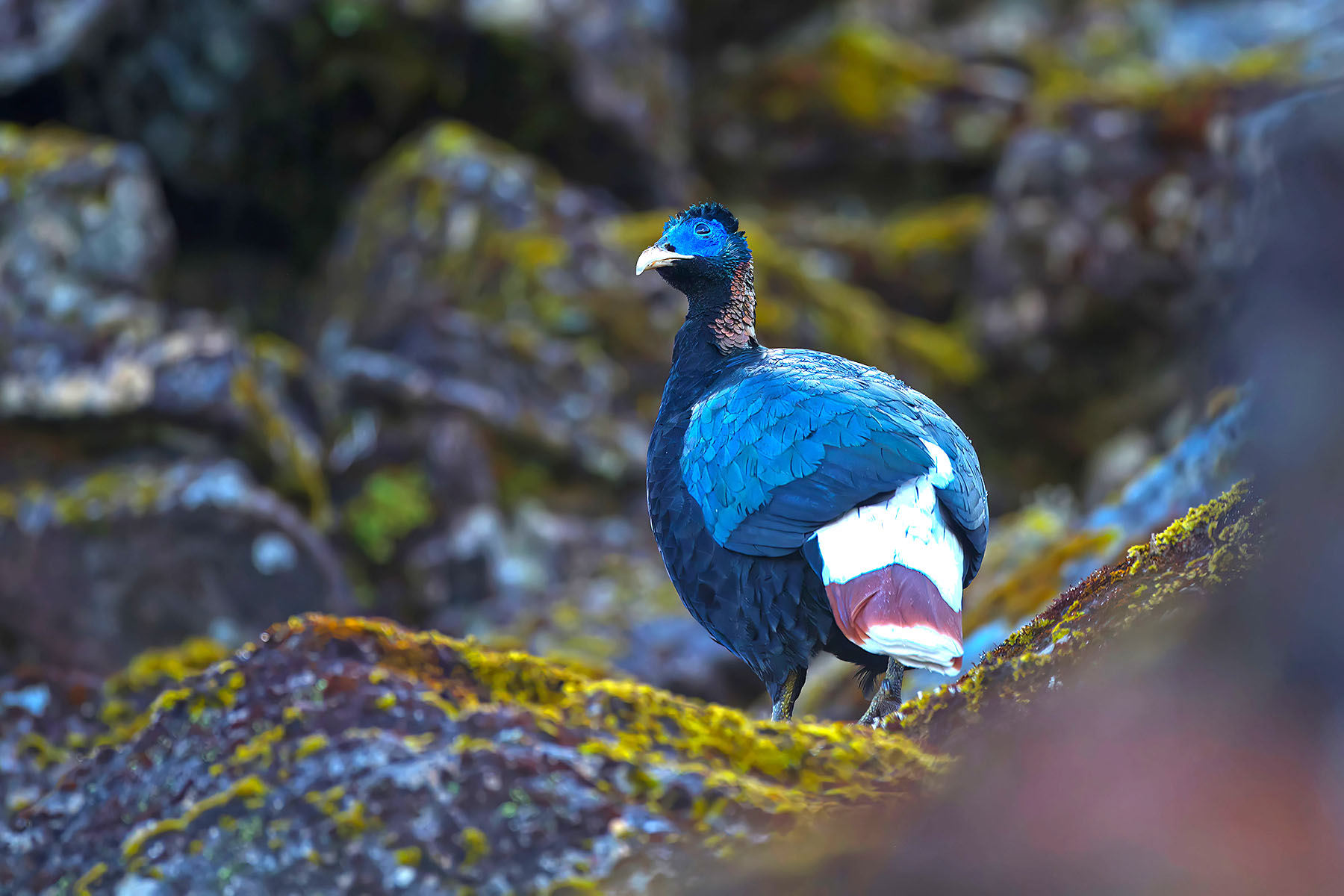
The Mountains of Southwest China are one of the world's 36 biodiversity hot spots, Dong said. In this region, there are about 12,000 plant species, 29 percent of which are endemic. The abundance of wildlife is equally extraordinary: giant pandas, several species of snub-nosed monkeys and gibbons, snow leopards, takins, white-lipped deer and various pheasants.
"There is a long list of key species that need our documentation," Dong said.
In 2014, he published his first nature photography album, focusing on the biodiversity in the Gaoligong Mountains.
Beyond photography, Dong and his partners gradually evolved toward nature documentaries, beginning around 2015, hoping to showcase the charms of wildlife through more diverse formats.
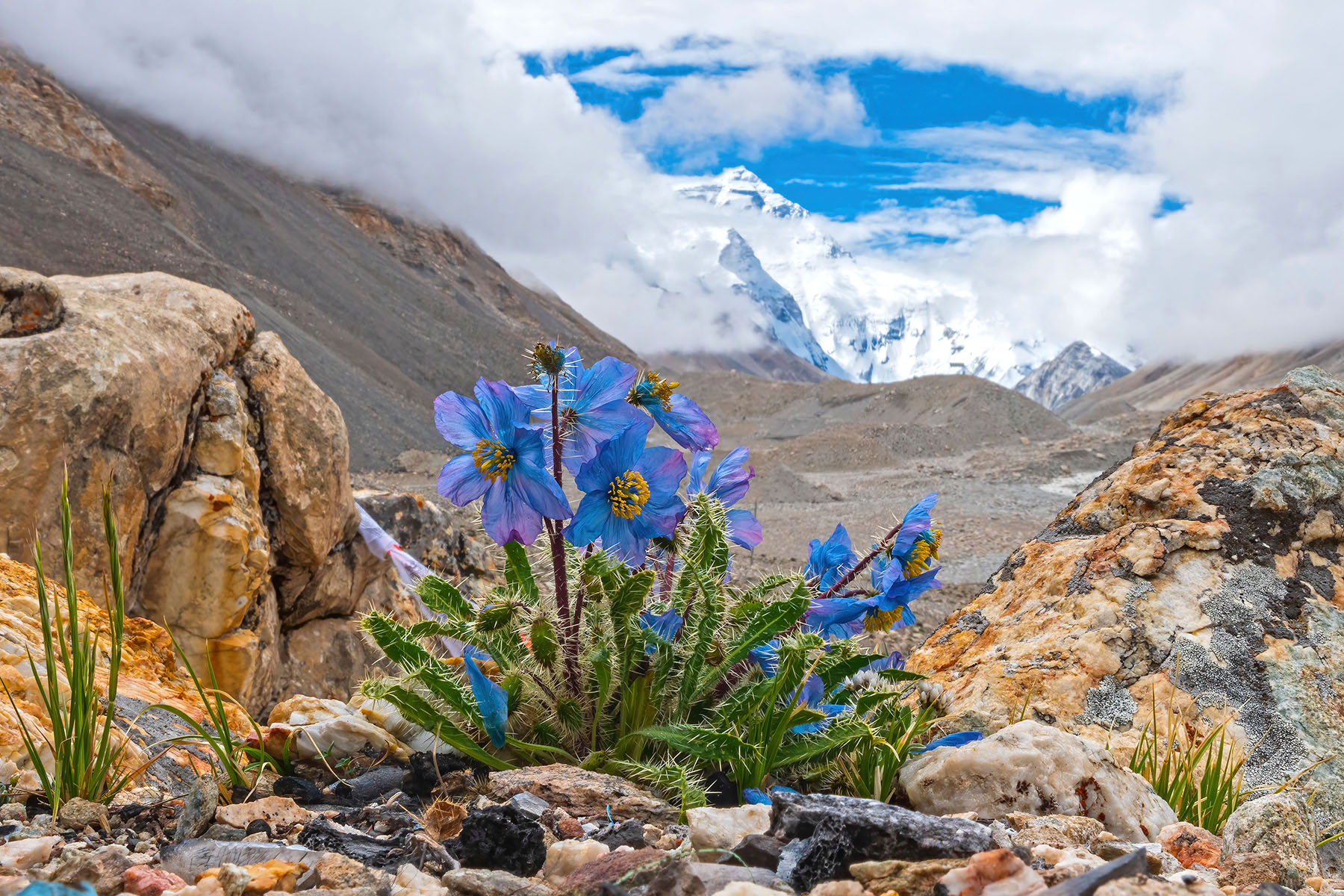
Over the past decade, he has been involved in the creation of around 10 wildlife documentaries. The mountains of Southwest China remain the central focus of these works.
Of these documentaries, Dong is most fond of The Glories of the Minya Konka (Mount Gongga), completed in 2018. Through precious, on-location footage, the documentary tells the story of Mount Gongga, the highest peak in the Hengduan Mountains of western Sichuan, at 7,556 meters above sea level. It captures the coexistence of snow leopards and leopards, the spectacular giant tree of Magnolia dawsoniana and monkey troops seasonally feeding on the flowers, and the courtship of golden pheasants.
In January 2020, the documentary was broadcast on Central China Television and received an award from the National Radio and Television Administration.
Because of these works, Dong is considered one of China's leading nature documentary directors and producers.
Discoveries and memories
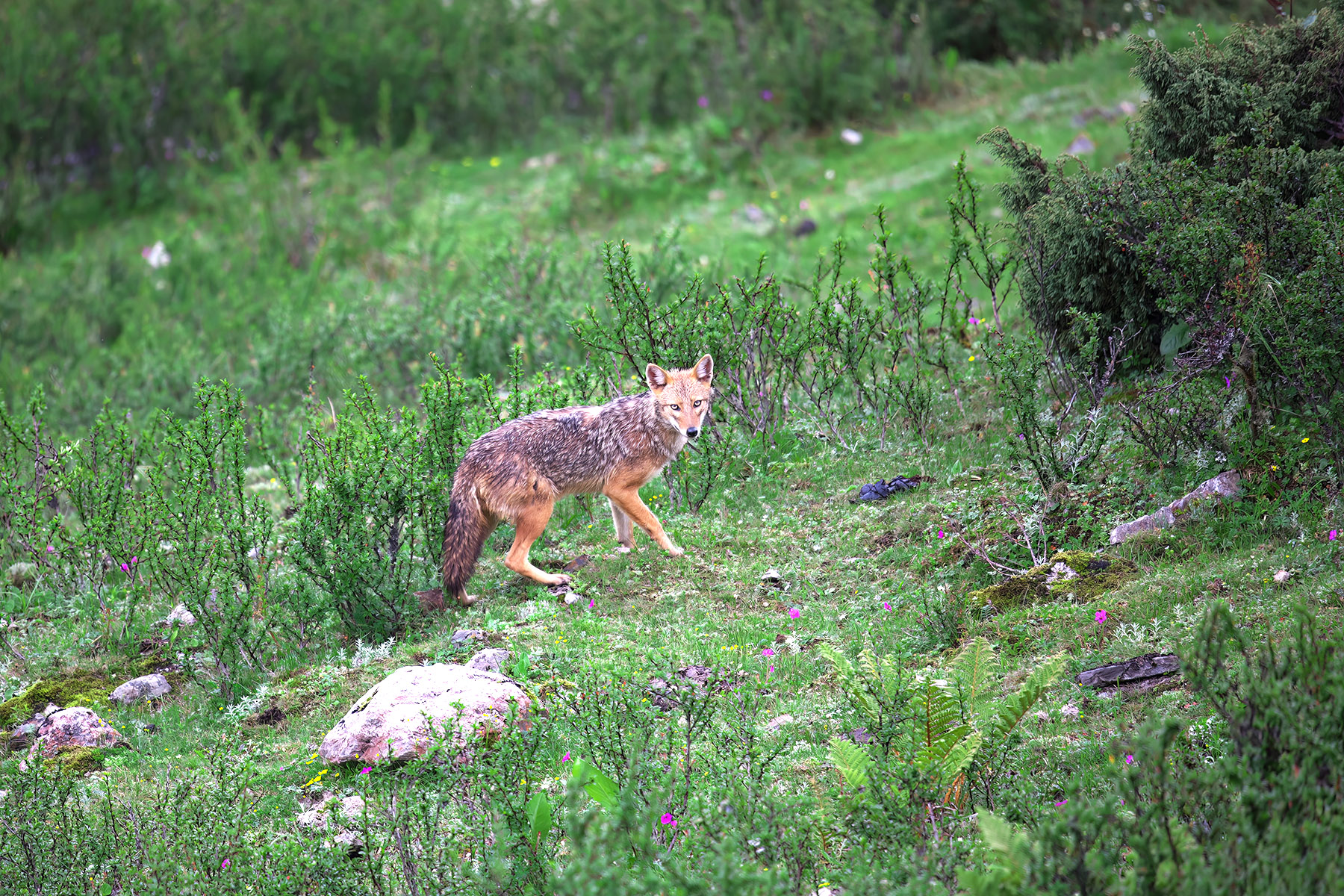
Years of fieldwork have led to many unexpected discoveries. In 2007, while visiting the Tangjiahe National Nature Reserve in Sichuan, he rediscovered the rare rusty-throated parrotbill.
In 1886, the Russian explorer Nikolay Przhevalsky toured western China with his expedition team, documenting many species for the first time. The rusty-throated parrotbill, known as Przevalski's parrotbill, was among them.
Ever since the official discovery, enthusiasts from Europe and the United States have been eager to see the bird, but for more than a century no one had seen it.
In the 1990s, there were rumors that some foreign visitors had seen it in Jiuzhaigou in Sichuan, but there was no photo evidence. In 2007, Dong and his mentor, Xi Zhinong, finally photographed it in Tangjiahe.
"I had been bird-watching for three or four years then, and could identify many birds, and I had a field guide with me," he said. "But when I took the photo, I didn't realize it was rusty-throated parrotbill. Who would expect to be able to photograph a bird that hadn't been seen in 120 years?"
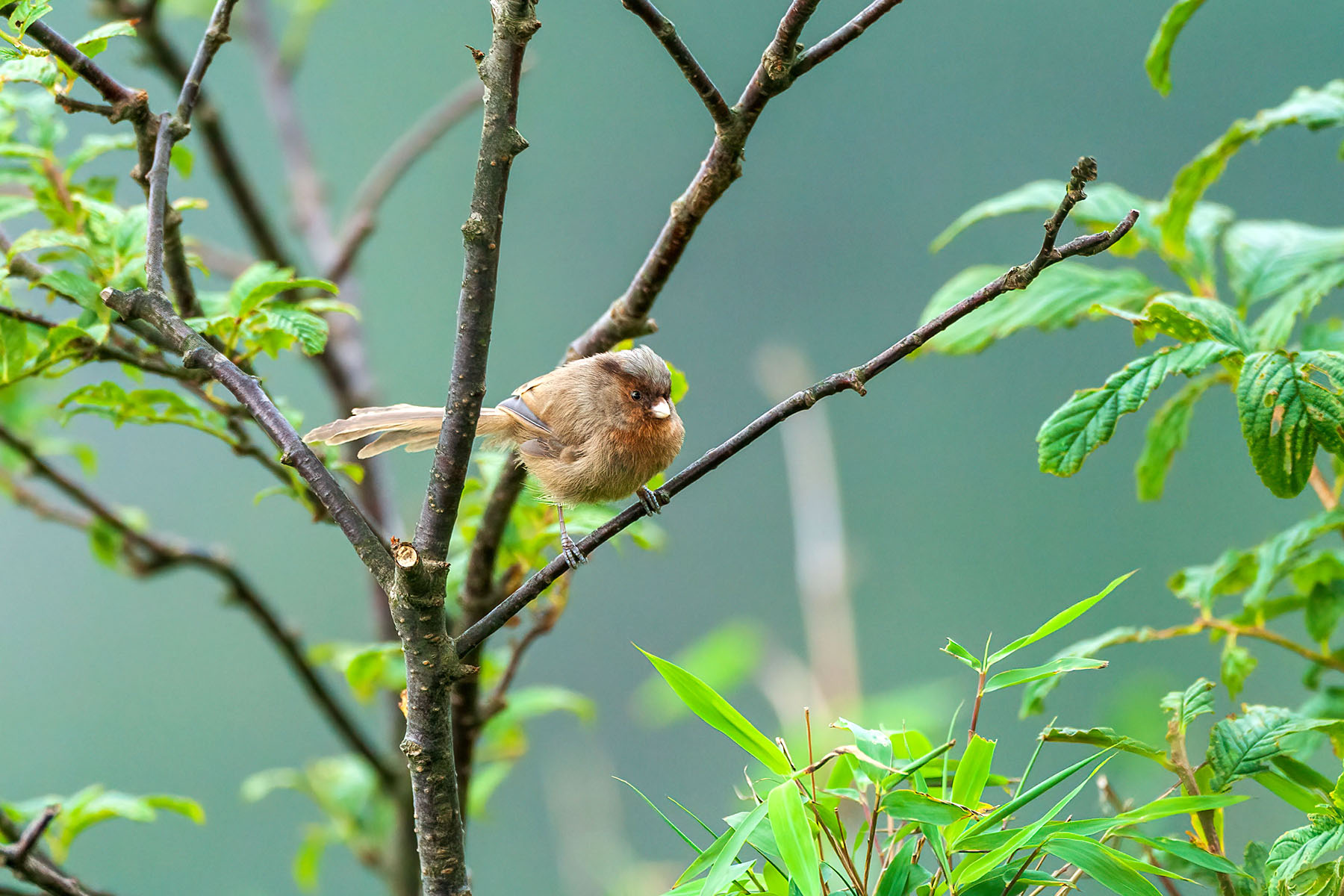
In 2018, while taking photos in Gyirong county, Xizang, he documented a new mammal record for China, the Asiatic jackal. "While investigating Gyirong Valley, an animal resembling a fox suddenly appeared in the bushes," he said. "We were able to capture clear photos before it disappeared quickly. The images confirmed the existence of the animal in China."
Both discoveries were significant enough to be published in academic journals, with Dong listed as the first author.
Reflecting on his passion for wildlife photography, Dong explained that it is the vast realm of the unknown that captivates him.
"You might meticulously plan every detail of a trip, only to find yourself unable to capture your intended target, which can be quite disheartening," he said. "Yet, it's often in those moments of unexpected discovery or unforeseen adventure that you find a surprising and profound joy.
"You will definitely not come away empty-handed. You are sure to harvest something. The unpredictability is fascinating."
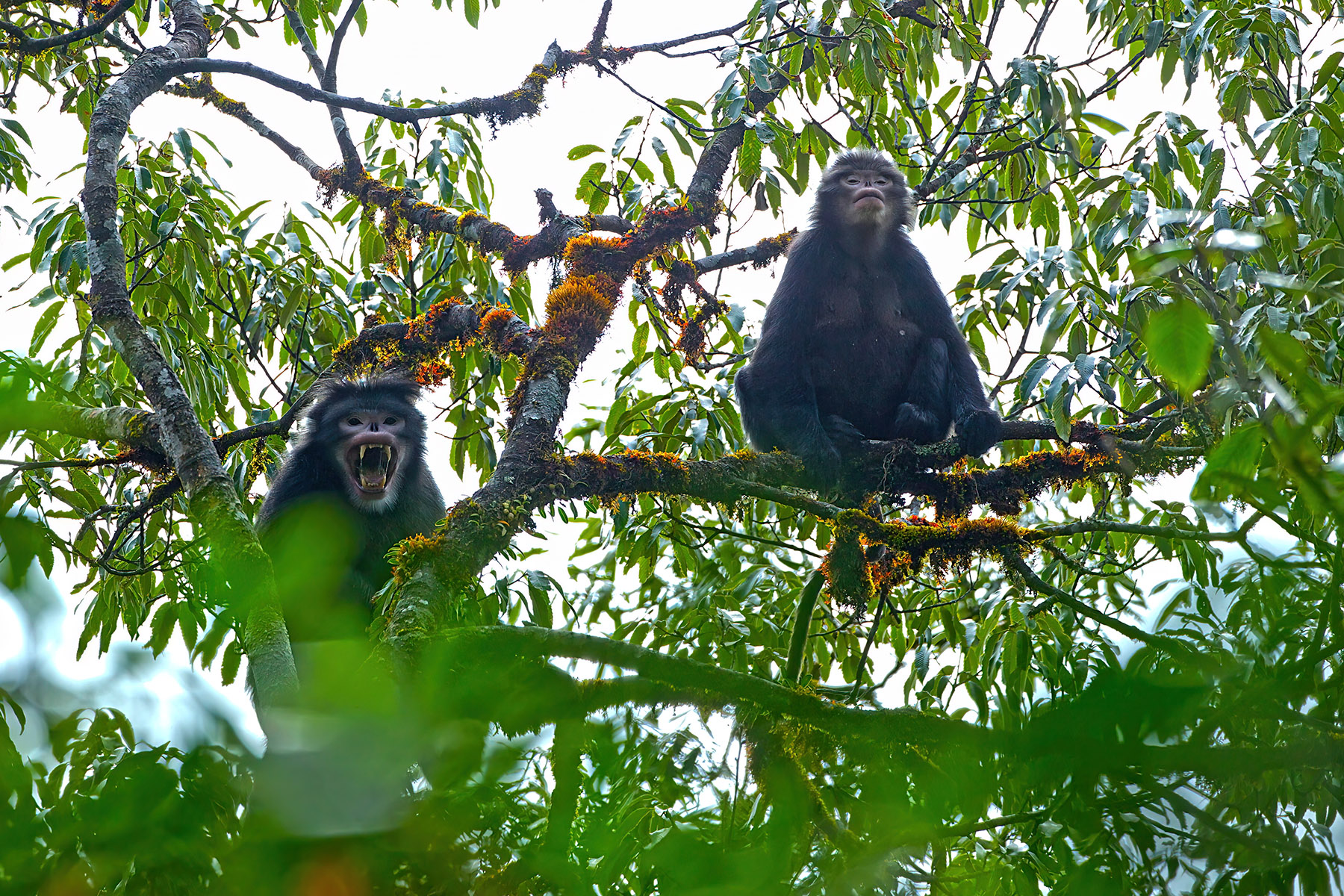
His encounter with the Nujiang snub-nosed monkeys is a fine example. The monkey was only officially discovered as a species in 2010. It's currently only found in Yunnan and Myanmar, with a population of less than 600.
After learning about the species, Dong and his friends were thinking about photographing the animal. Starting in 2012, they repeatedly visited the animal's natural habitat in the Gaoligong Mountains but without success.

After they heard that the monkeys had been seen near the Pianma Protection Station in the Gaoligong Mountains on Oct 28, 2013, they launched their third attempt.
They started climbing at 3 am, in complete darkness and pouring rain. They had to rely on their hands to climb. "We didn't bring headlamps. When we needed both hands to climb, we had to bite down on the flashlight," Dong said.
They arrived at the destination at 7 or 8 am, when it was bright. However, the forest was quiet. "We were a bit disappointed because the monkeys would be active after daybreak, and it was already quite bright. We worried they had already left," he said.
Undeterred, they split up and searched in different directions. When they returned to camp, it was 9:30 am, and they still hadn't found them. "Our mood was really low, thinking we had wasted our efforts. I even packed my lens into my bag," he said. "It was very cold. The rangers from the patrol station built a fire, and we dried our clothes and warmed ourselves. Just as we were about to give up, the snub-nosed monkeys appeared by the dozen, very noisy!"
ALSO READ: Putting life in focus
Zhang Jinshuo, curator of the National Zoological Museum of China, wrote in his foreword to My Wildlife Circle of Friends:"Wherever there is unique biodiversity, no matter how harsh the environment or conditions, he (Dong) can scale its peaks; thus, pursuing the truest side of nature, thereby recording rare endangered species and displaying their elusive natural behaviors."
Due to his increasing commitments in documentary direction and production, Dong finds that his opportunities to photograph wildlife have become limited. However, he said that he remains eager to seize any chance to venture into the wild and capture its beauty whenever possible.
Contact the writers at chenliang@chinadaily.com.cn
