

Tianjin pioneers integrated sports medicine treatment for general public
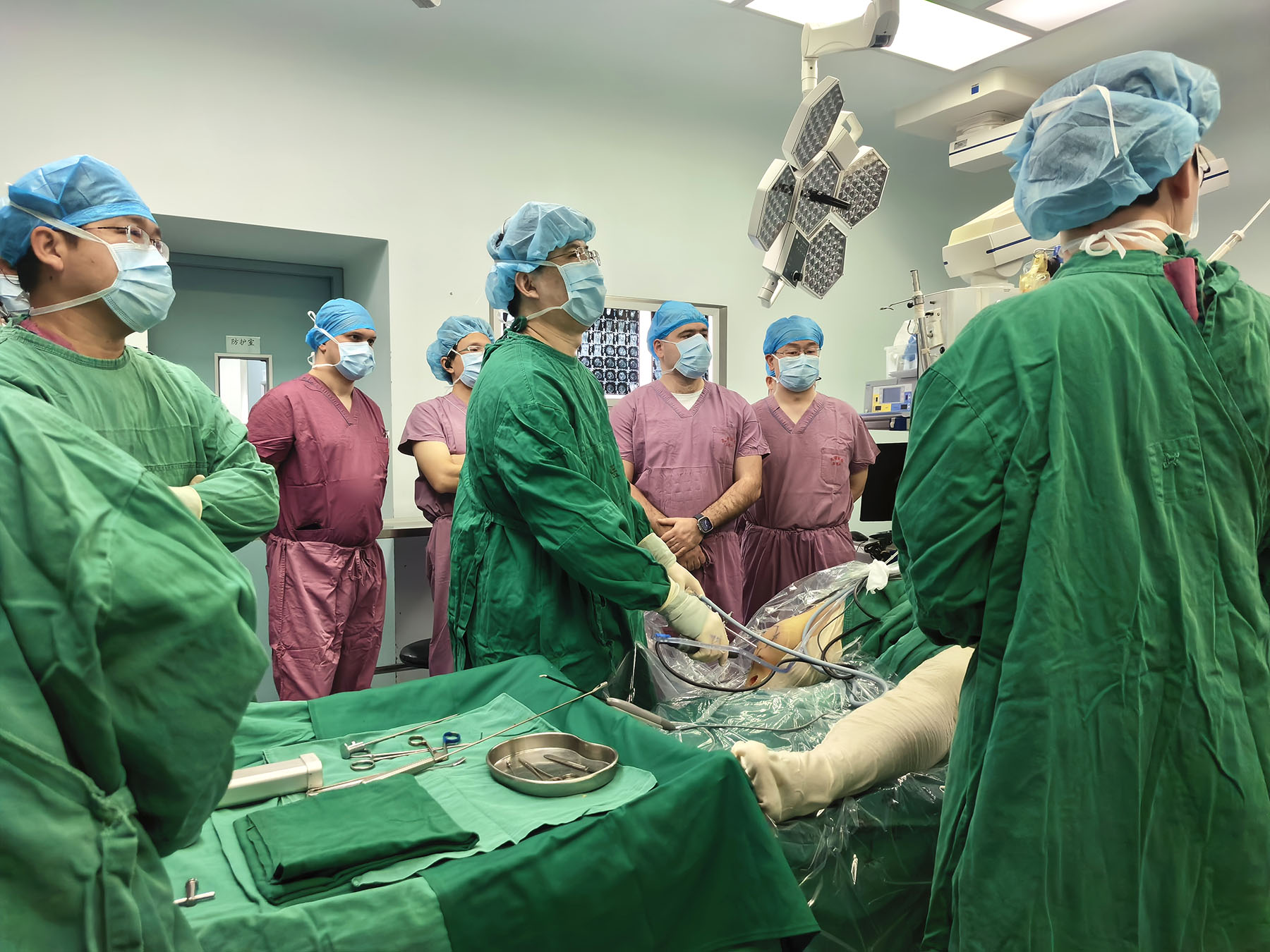
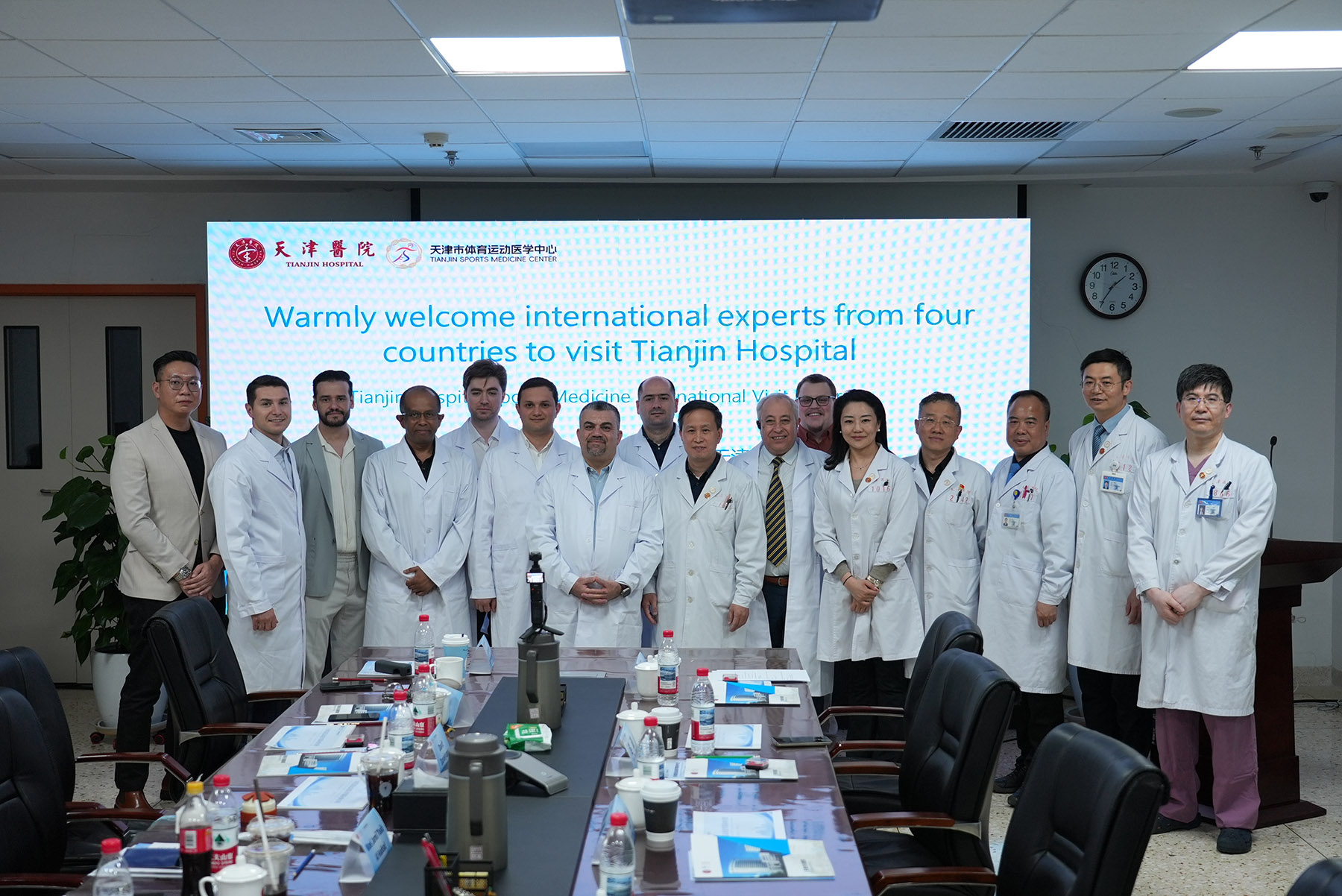
A visiting delegation of orthopedic surgeons from Malaysia, Jordan, Armenia and Latvia has signaled a new era of medical exchange in Tianjin, focusing on the city's ability to bridge high-speed surgery with large-scale preventive healthcare.
The visit last week, which saw Cao Jiangang of Tianjin Hospital complete an arthroscopic rotator cuff repair in 40 minutes — a procedure that typically takes over three hours — was described by observers as a benchmark for clinical efficiency.
For Johan Ahmad, a consultant from Malaysia's KPJ Damansara Specialist Hospital, the technical demonstration prompted plans for long-term training programs for his own staff in Tianjin.
"Doctors from different departments collaborate seamlessly, using clinical assessments and imaging studies to precisely locate the lesion," Ahmad said. "There are even multiple backup treatment plans for unexpected situations during surgery."
Xu Weiguo, Party secretary of Tianjin Hospital, said what the hospital can share with the world goes far beyond advanced medical techniques. "It is China's prevention-oriented philosophy of sports rehabilitation and its medical system that serves the general public," he said.
While the technical surgery drew attention, the underlying methodology is the expansion of a systemic approach to public health — the "exercise prescription". Developed through the country's first national technical specification — led by Tianjin Hospital in 2024 — the "prescription" moves beyond casual fitness advice to provide safe, individualized exercise dosages based on clinical assessments of balance, mobility and strength.
"Unlike some developed countries where sports injury treatment mainly targets a small number of elite athletes, our strength lies in serving professional sports teams while making that same level of care accessible to the general public," Xu said, adding that people of any age can find reliable, professional advice through the system.
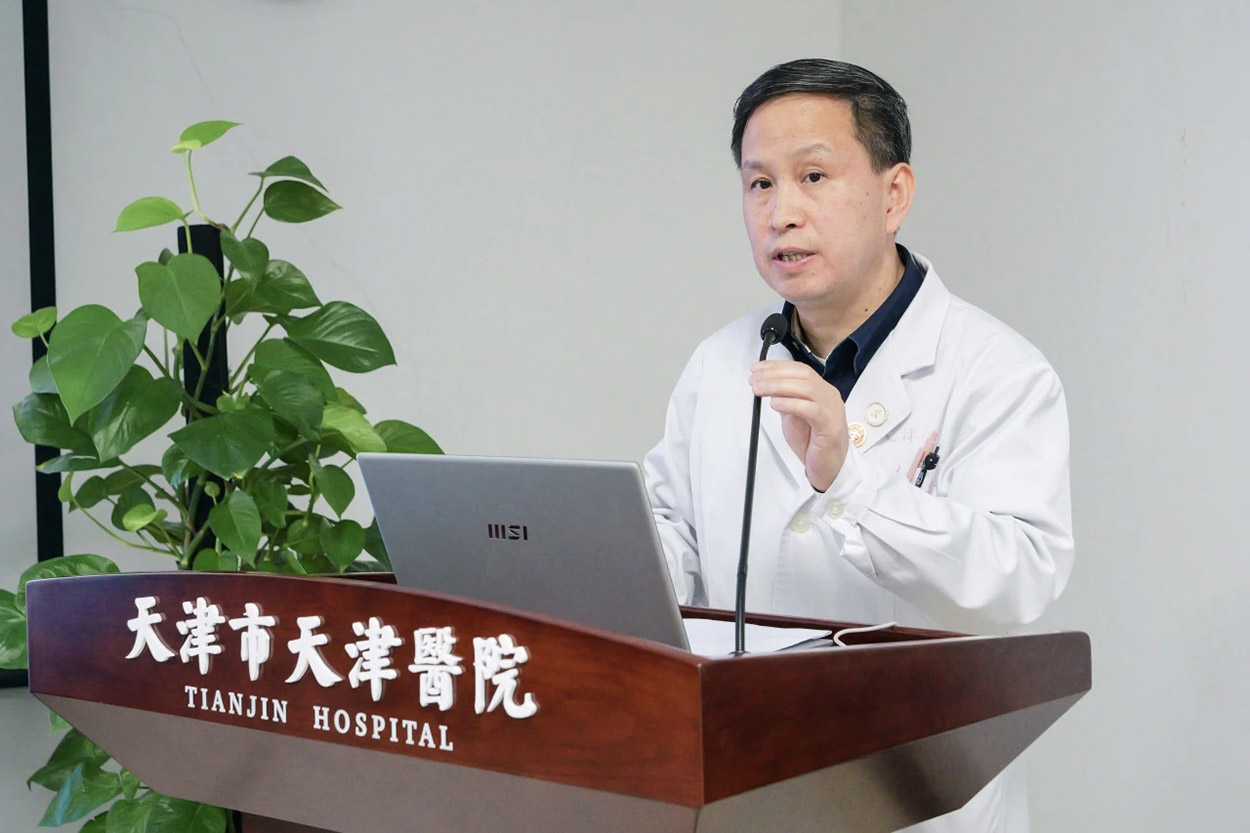
This not only helps people prevent sports injuries early, but for patients with chronic diseases, the exercise prescription serves as a form of nonpharmacological treatment.
"Take high blood pressure or diabetes, for example. After a scientific assessment, once the exercise is properly carried out, those chronic conditions, obesity, blood pressure and blood sugar levels all improve," Xu said.
For patients, doctors first conduct a physical fitness assessment, measuring balance, mobility, strength and flexibility, and then prescribe an exercise plan, telling patients what they should and should not do.
The national Healthy China 2030 initiative calls for strengthening the integration of sports and medicine. In Tianjin, 11 hospitals have become pilot sites for this integration, formally incorporating exercise intervention into chronic disease management.
For a 75-year-old resident surnamed Han, a comprehensive prescription of exercise, medication and diet has reduced the symptoms of her high blood pressure.
"Before, when I exercised in the park, if I pushed too hard, my knees would hurt," she said. "Now, I follow a professional doctor's guidance right in my neighborhood, and all my health indicators are stable."
Partnering with the city's education commission, Tianjin Hospital is also bringing "sports for health" programs into schools to address sedentary posture and obesity.
"Exercise prescriptions for children must be particularly scientific and effective without risking overtraining or injury," Xu said.
For the elderly, standardized muscle-strength and coordination testing has become part of community health services to reduce the high incidence of age-related fractures.
"Older people of different ages and physical conditions require individualized assessments of what exercises they can and cannot do," Xu said.
Tianjin has integrated fall prevention guidance for the elderly into community health services, supplemented by recommendations for home modifications to make living environments safer for seniors, thereby protecting their quality of life from multiple angles.
"We measure balance, strength and flexibility, and then prescribe an exercise plan," Xu said.
"This shifts the focus from treating illness to preventing it, enabling people to receive scientific exercise guidance right in their own neighborhoods, so they get sick less often or not at all," he added.
In April last year, Tianjin Hospital, together with the Tianjin Sports Bureau and the Tianjin Health Commission, established the Tianjin Sports Medicine Center, the first provincial-level sports medicine center in China.
Xu said the center's establishment was built on two decades of clinical experience and a response to profound social changes. Today, the aging population is accelerating, leading to more fractures; adolescents are increasingly sedentary, while obesity is on the rise; at the same time, more people are exercising for fitness, and competitive athletes are sustaining more injuries.
"All these social trends are placing greater demands on sports injury treatment and rehabilitation," Xu said.
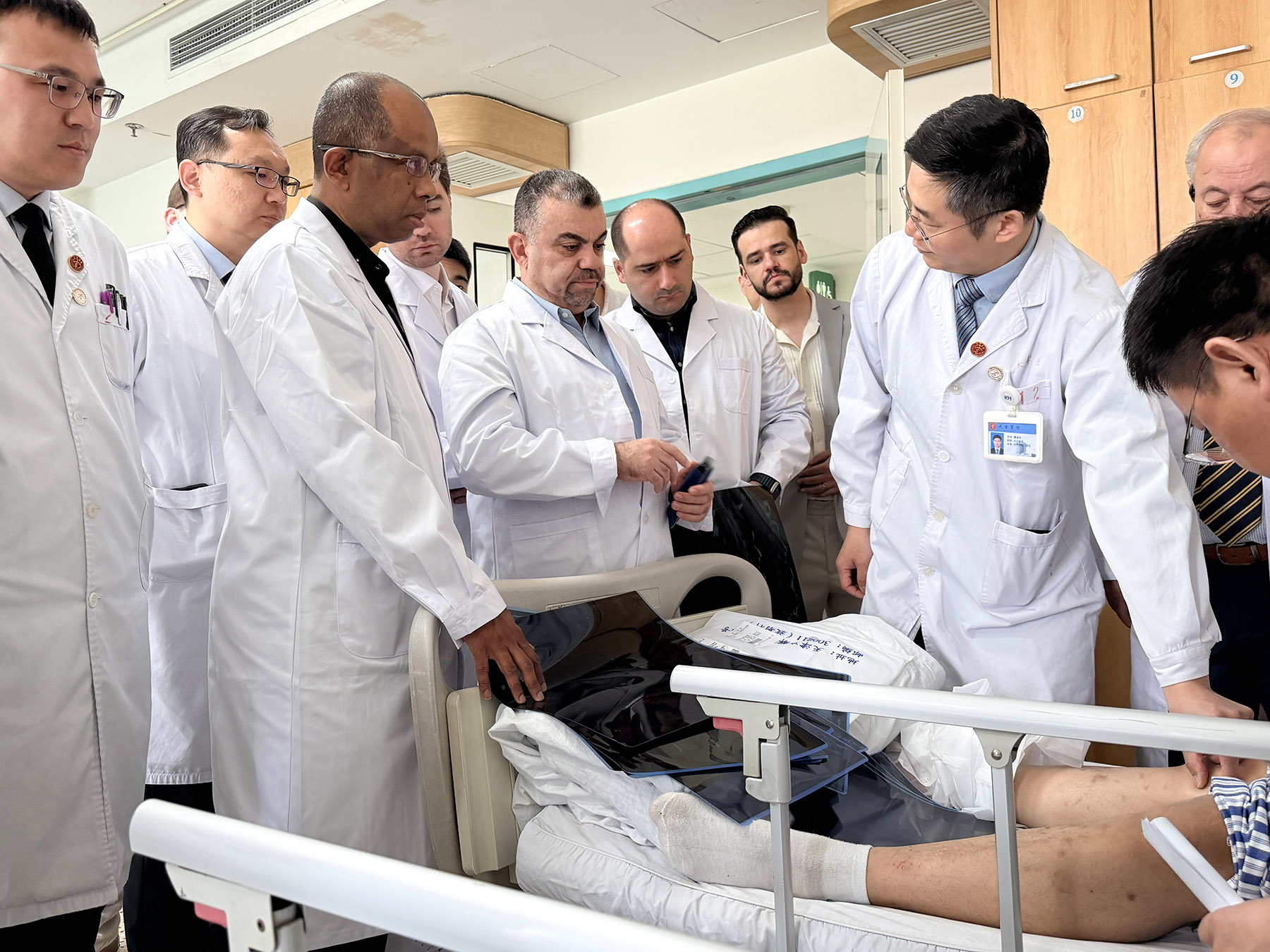
Professor Cao said that years ago, when high-level Chinese athletes were injured, they often had to travel abroad for treatment, and some even had to cut short their careers as a result.
In recent years, however, the sports medicine team at Tianjin Hospital has successfully performed surgeries on multiple Olympic and Asian Games medalists, helping them return to competition. Even foreign professional players have come to the hospital for surgery.
"With the nationwide popularization of fitness-for-all activities, the incidence of sports injuries is also on the rise. The core issue is insufficient awareness and measures for injury prevention," Cao said. "We recommend warming up thoroughly before exercise, mastering proper techniques, avoiding exercise when fatigued, and choosing sports that suit one's age, physical condition and interests. This is how we can effectively prevent sports injuries and truly achieve scientific fitness."
ALSO READ: Sharing is caring
Xu said the sports medicine center will continue to focus on three areas of precision treatment of sports injuries, prevention and rehabilitation of sports injuries, and the distinctive Chinese approach of integrating traditional Chinese and Western medicine in sports medicine.
For the Party secretary, the ultimate goal of medicine is to extend healthy, active life spans. "We need to help people exercise scientifically, so they suffer fewer injuries, or none at all. Only then can we truly improve their quality of life," he said.
Jia Yunge and Zhong Aiyamei contributed to this story.
Contact the writers at yandongjie@chinadaily.com.cn
