

US calls for help in keeping Strait of Hormuz accessible as strikes continue
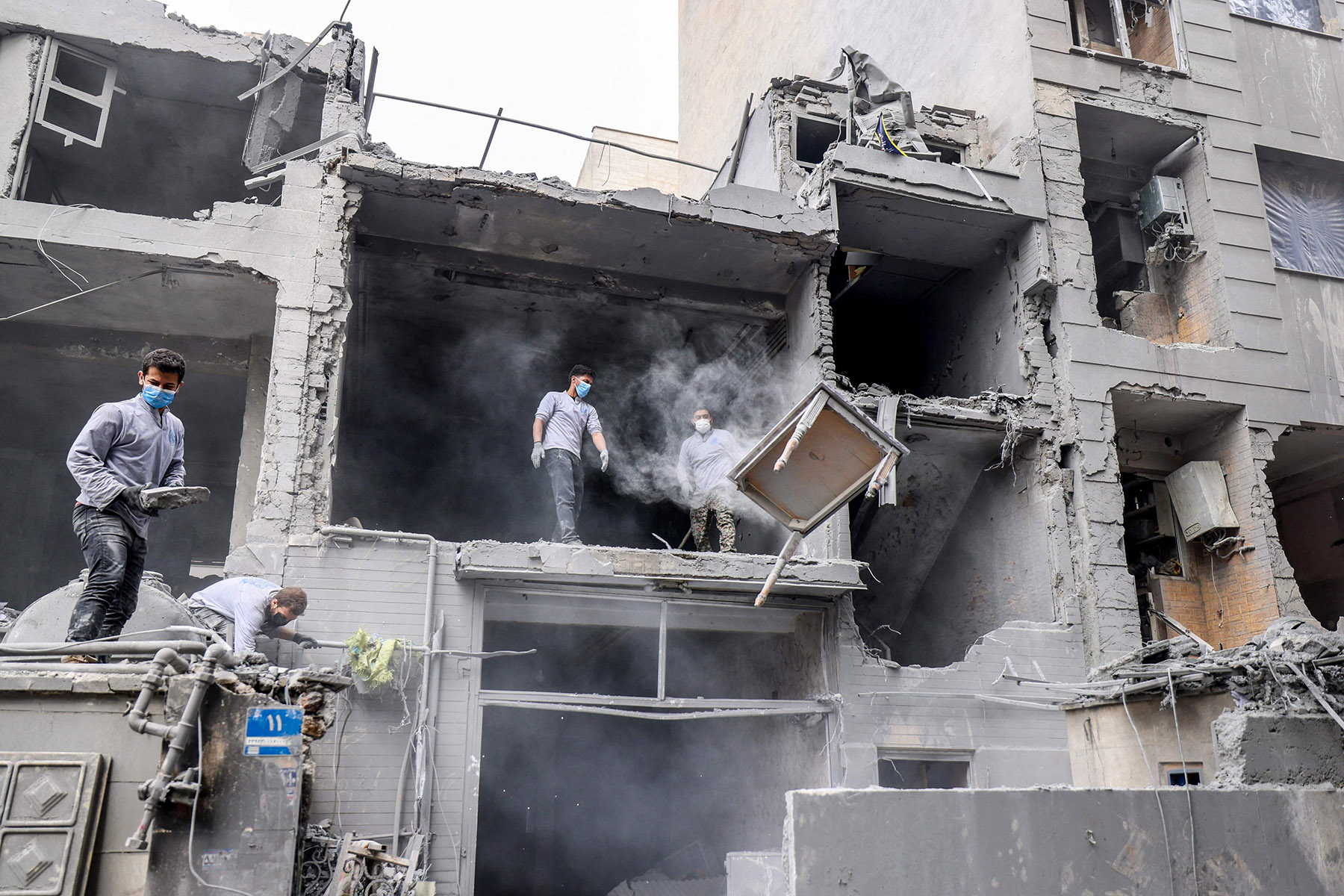
More than two weeks after the US and Israeli strikes against Iran began, Tehran has retaliated by attacking military and economic assets in the Gulf region, and Iranian Foreign Minister Seyed Abbas Araghchi called on Iran's "brotherly neighbors" to "expel foreign aggressors, especially as their only concern is Israel".
Ebrahim Zolfaghari, spokesman for Iran's Khatam al-Anbiya Central Headquarters, said the presence of the US aircraft carrier USS Gerald R. Ford in the Red Sea is considered a threat to Iran, and hence the logistical and support centers serving the carrier group in the Red Sea are also considered "targets" of Iran's armed forces, Al Jazeera reported.
READ MORE: Israel begins ground operations against Hezbollah strongholds in S. Lebanon
Meanwhile, US President Donald Trump has demanded help from some countries to keep the Strait of Hormuz accessible. Japan and Australia, both US allies, said on Monday they had no plans to send navy vessels to the Middle East to escort ships through the critical waterway, Reuters reported.
Trump said in an interview with the Financial Times on Sunday that NATO faces a "very bad" future if US allies fail to help open the strait.
European foreign policy chief Kaja Kallas said she had discussed the idea of replicating the Black Sea Initiative for the transport of oil and gas through the strait. Signed on July 27, 2022 in Istanbul, the initiative paved the way for Ukrainian grain, foodstuffs and fertilizer to reach global markets to help stabilize food prices worldwide and stave off famine in lower-income countries despite the Russia-Ukraine conflict.
"Touted US security umbrella has proved to be full of holes and inviting rather than deterring trouble," Araghchi said in a post on X on Sunday.
He added that the US is begging others to help it make the strait safe. Meanwhile, he reiterated that Tehran has neither sought a truce nor talks with Washington and called such claims "delusional".
Iran's envoy to Saudi Arabia Alireza Enayati said in an interview with Reuters that Iran's relations with the Gulf Arab states would require a "serious review" in light of the US-Israeli strikes against Iran, limiting the power of external actors in order to ensure the region's prosperity.
Enayati noted that the Gulf countries "are neighbors, and we cannot do without each other; we will need a serious review".
"What the region has witnessed over the past five decades is the result of an exclusionary approach and an excessive reliance on external powers," he was quoted as saying by Reuters, as he called for deeper ties between the Gulf Cooperation Council countries, the UAE, Saudi Arabia, Bahrain, Oman, Kuwait, and Qatar, along with Iraq and Iran.
Nagapushpa Devendra, a West Asia analyst and research scholar at the University of Erfurt in Germany, said the remarks by Araghchi and Enayati are best understood as strategic narrative-building rather than immediate escalation.
She said Iran is trying to reshape how the crisis is interpreted. Instead of appearing as a threat to global shipping, Tehran frames the issue as external militarization of the Gulf, driven by US and Israeli security priorities.
"Here, the focus on the Strait of Hormuz is crucial. Tehran does not need to physically disrupt the strait to gain leverage; simply highlighting its ability to influence this critical energy corridor forces other states to treat it as an indispensable actor in regional security," Devendra told China Daily.
Unilateral dominance
She noted that by stressing that the US is seeking international help to secure the strait, Iran is also attempting to undermine the image of unilateral US dominance.
"The message to Gulf states is implicit that participation in US-led security initiatives may be interpreted as siding with an external containment strategy. This appears to be partially effective, as several states are approaching the issue cautiously," said Devendra.
"What is emerging is a contest over the structure of Gulf security. On one hand, the US is trying to internationalize maritime protection through coalitions. And on the other hand, Iran seeks to regionalize the issue by pressuring neighbors to limit external military involvement," said Devendra.
"As a result, many governments prefer caution. They want stable energy routes but also want to avoid escalating the confrontation. This hesitation shows how coalition-building becomes difficult when security operations carry clear geopolitical alignment costs," she added.
ALSO READ: Trump rebukes allies for reluctance to join Strait of Hormuz escort
On Monday, Dubai authorities brought under control a fire following a drone attack near the city's international airport, which forced the temporary suspension of flights but reportedly caused no injuries. A fire was also reported in the Fujairah industrial area from a drone attack.
Meanwhile, air raid sirens sounded in central Israel after a missile was fired from Iran. In Iraq, an air raid struck the headquarters of the Popular Mobilization Forces in Iraq's Jurf al-Sakhar area, injuring three people. Iraq's air defenses also responded to drones near the US embassy in Baghdad and Balad air base, media reports said.
In Lebanon, Israel launched new raids in the south of the country and said it was conducting limited ground operations against Hezbollah.
Contact the writers at cuihaipei@chinadaily.com.cn
