

Museum treasures reveal how generations have turned simple clay into vessels that outlive their creators, Lin Qi reports.
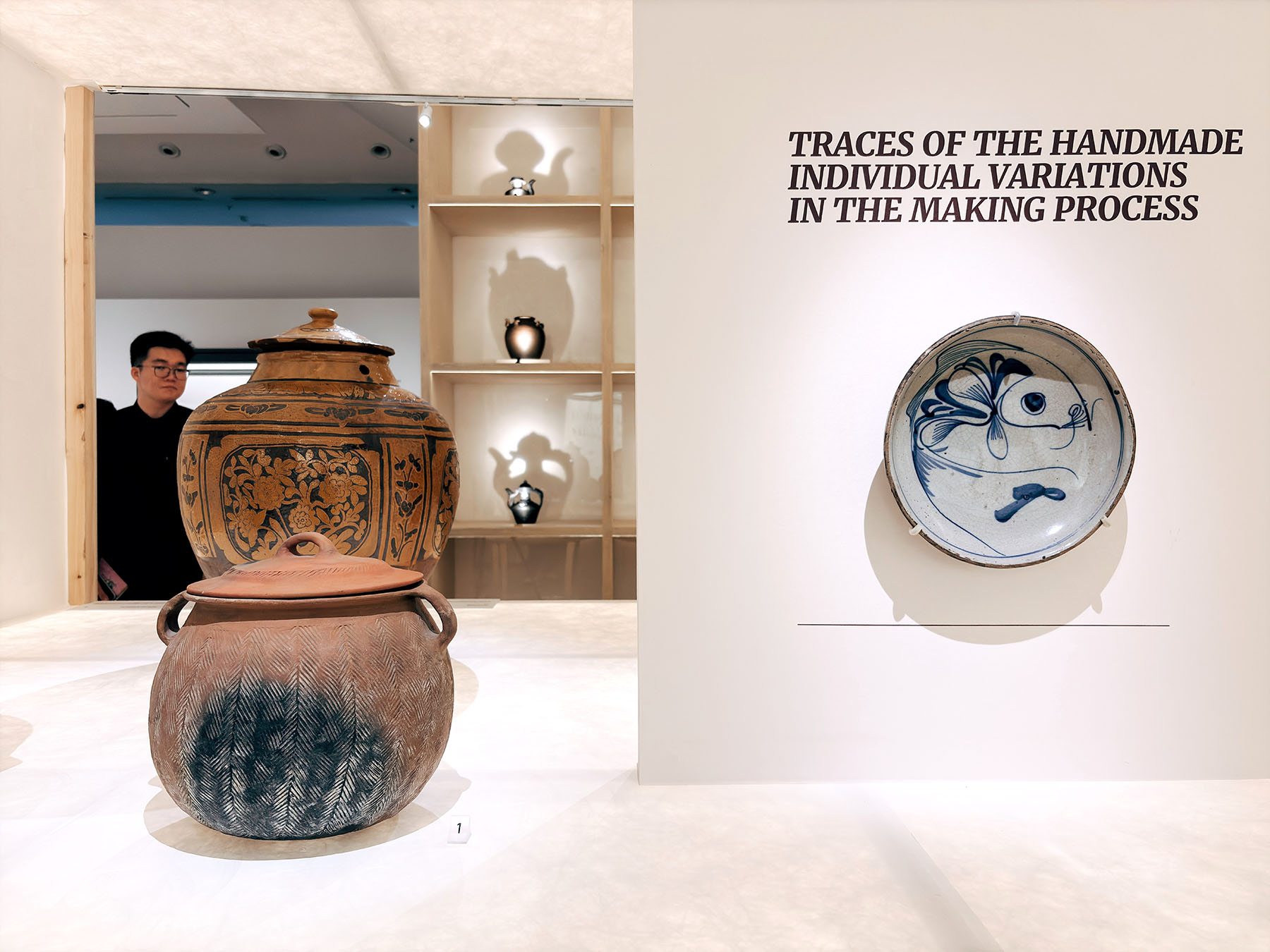
It has been some 1,800 years since ceramic production began to flourish in Longquan, Zhejiang province, a city nestled amid tranquil mountains.
Centuries of experience have refined the craft, while technological advances have transformed the tools and techniques.
Yet ceramists today share a feeling familiar to their predecessors: as their creations fire in the kiln, anticipation mingles with nervousness, and their minds race with possibilities about what will emerge.
READ MORE: Ceramic works echo emperor's aesthetics
"When the work is done, I would, instead, feel relieved, accepting the result it is destined to be," said Ji Zimei. "I think what truly matters is personal growth and transformation that come along."
A Longquan native, Ji, 29, works in a city renowned worldwide for its celadon porcelain. She is among a new generation of artists bringing a contemporary sensibility to the lustrous, creamy textures that distinguish Longquan ware.
Last Saturday, she spoke at a forum at Tsinghua University Art Museum in Beijing, where artists shared their distinctive approaches to ceramics. Through photographs and videos, she introduced her latest creations, including Basket, a hollowed sculpture that tests the limits of her craftsmanship, and Childhood Memories, an installation of porcelain straw hats that evokes parental love.
Ji said she continues to discover the power of persistence in her work. "After a dozen processes, a piece may still be ruined in the final stage of firing. I've come to understand that my work is not about succeeding, but starting over again the next day."
It is this persistence, repeated across generations, that has kept Longquan's ceramic tradition alive. A fine example of the craft stands on display just outside the room where Ji spoke about her fascination with celadon.
The wide-mouthed bowl, only 4 centimeters tall, features intricately carved lotus-petal patterns on its interior, a signature motif of Longquan ware. Dating to the Song Dynasty (960-1279), it comes from a period when celadon production reached remarkable heights.
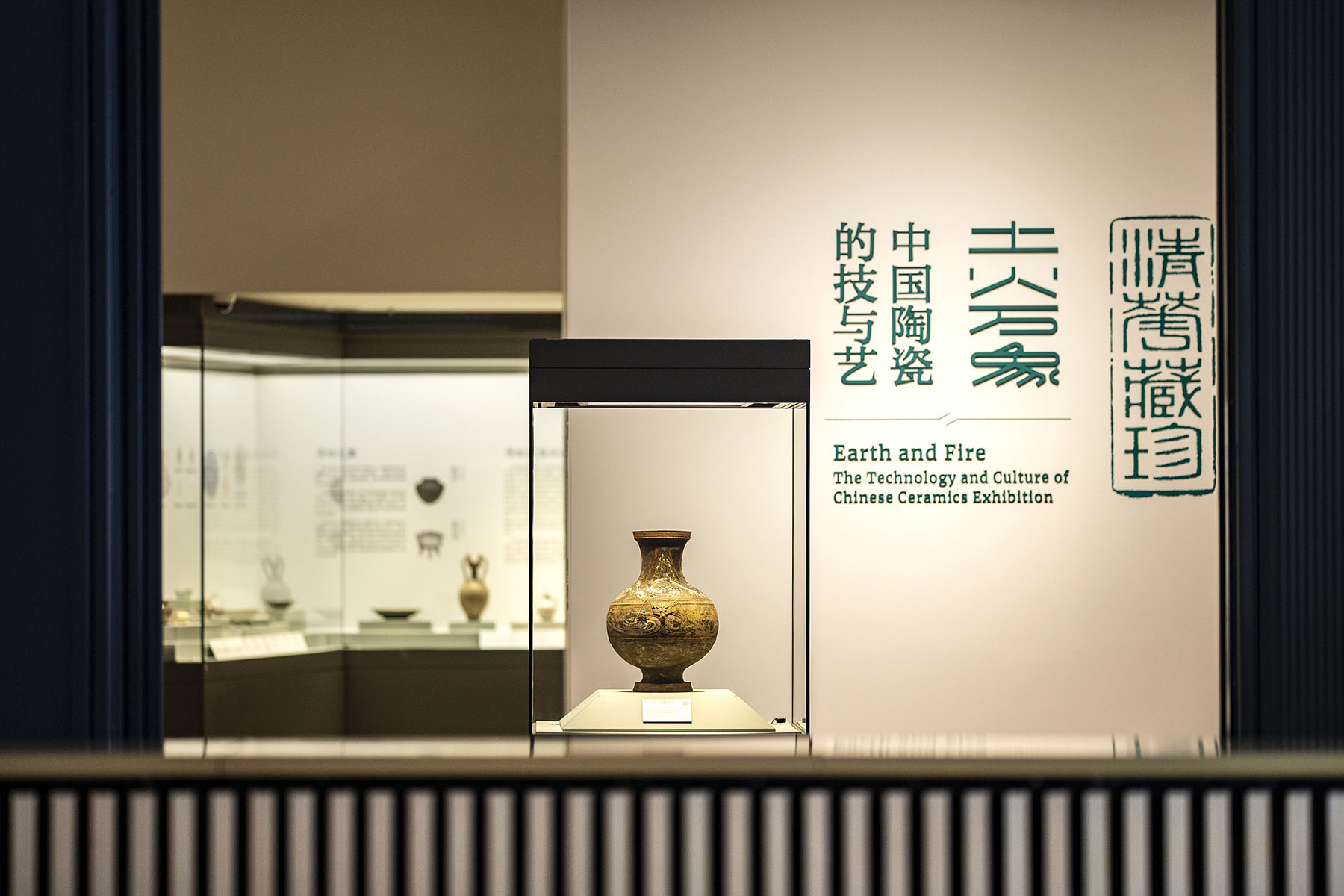
Small as it is, the bowl shines like one star in the vast universe of ancient Chinese ceramics. The exhibition in which it appears, Tsinghua Treasures: Earth and Fire, invites visitors to explore this rich ceramic heritage through representative objects from the collections of Tsinghua University Art Museum and institutions beyond Beijing, including Shangrao Museum in Jiangxi province, a region with a long history of ceramic production.
The long-term exhibition traces the evolution of Chinese ceramics, from diverse pottery traditions to sophisticated porcelain-making systems that flourished across a vast landscape shaped by geographical and cultural diversity.
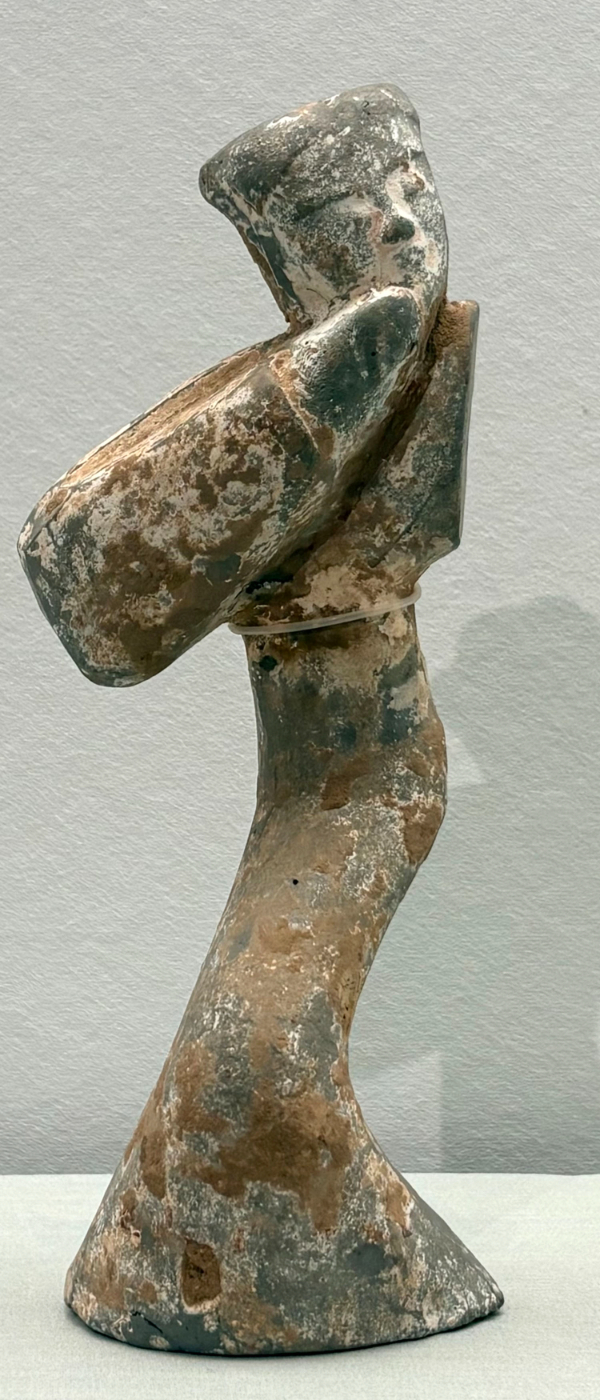
The objects embody a principle that Liu Jude, a professor at Tsinghua University's Academy of Arts and Design, describes as the idea that "the work of the universe is accomplished by human beings on its behalf".
A Neolithic pottery bowl on display possesses an unpretentious beauty. Its painted designs reflect the distinctive visual language of the Majiayao culture, which flourished in the upper reaches of the Yellow River. Patterns resembling nets and ripples may have been associated with hunting and fishing, while the bowl's balanced form and two handles lend it a pleasing geometric harmony.
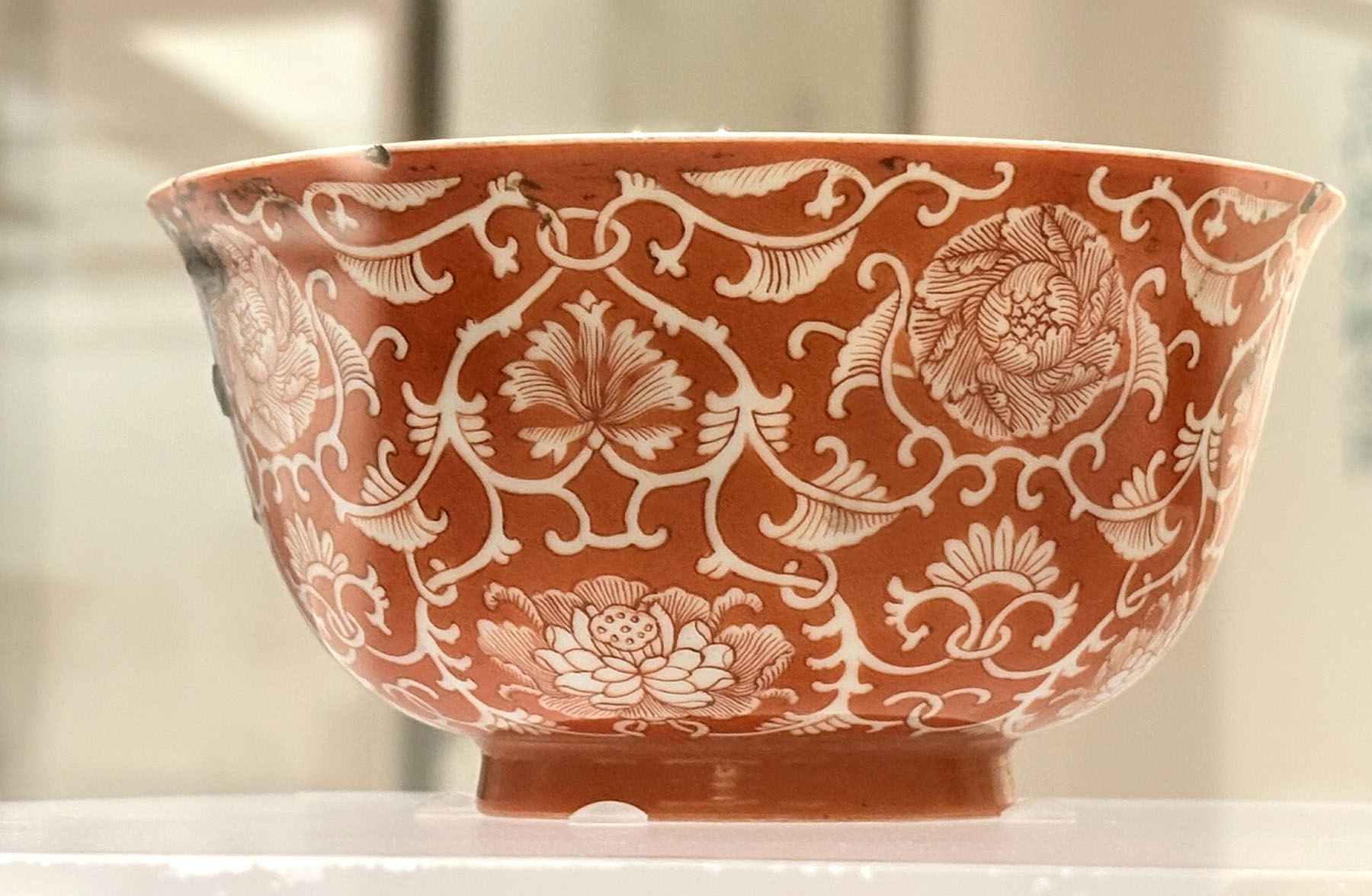
Over the centuries, technical innovation and aesthetic refinement advanced hand in hand. Porcelain makers explored both restrained decoration and elaborate combinations of motifs and colors, leaving behind an extraordinary range of forms. Visitors drawn to the understated elegance of Song Dynasty ceramics will find monochromatic wares whose subtle designs reward close attention. Those who prefer greater visual exuberance can admire the variety of forms and hues associated with the Qing Dynasty (1644-1911). Among the highlights are a famille rose cup shaped like a blooming lotus and a bowl decorated on its exterior with white interlocking flowers and leaves against a red ground.
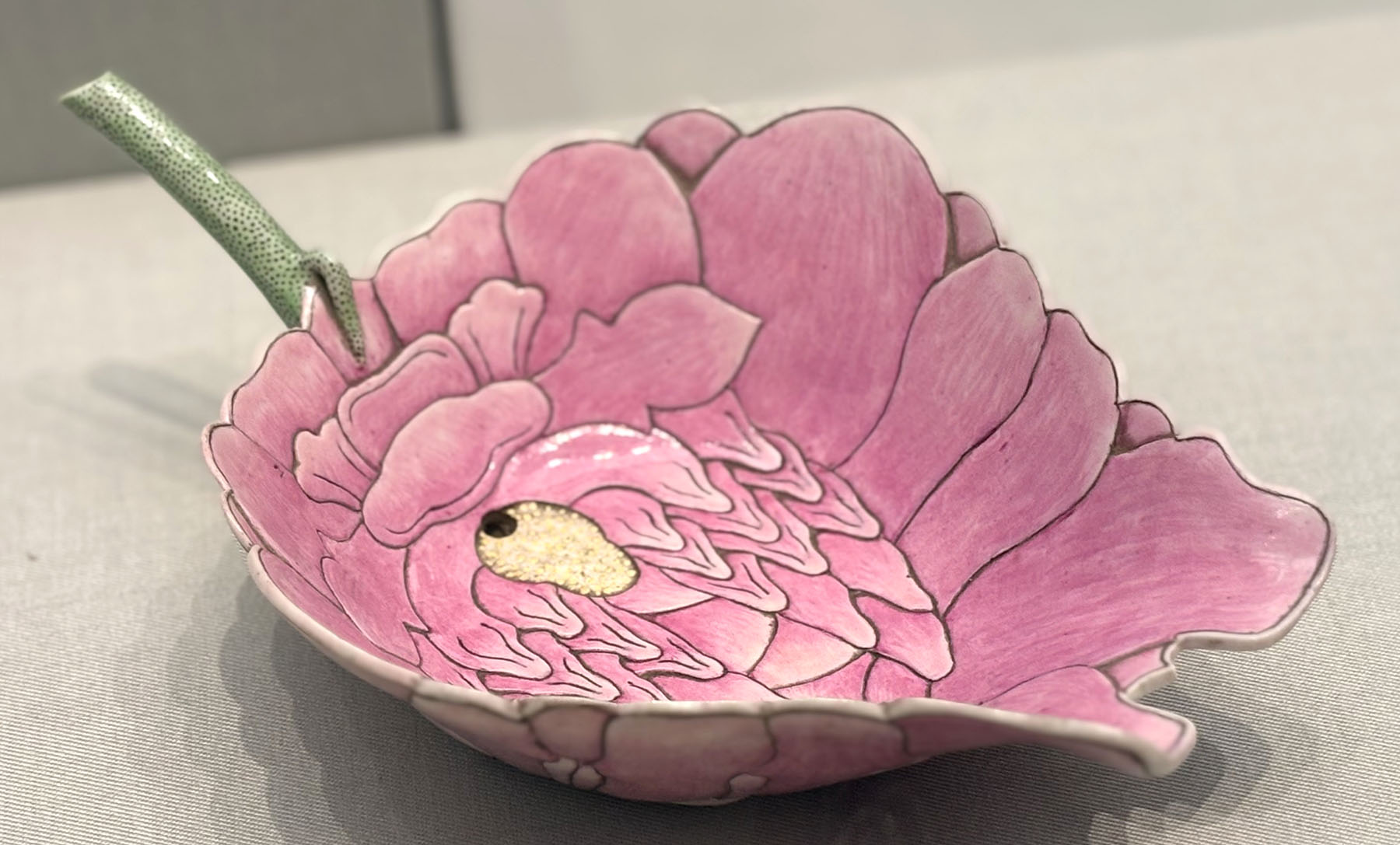
Beyond their visual appeal, these ceramics offer a window into the values of restraint and clarity long prized in Chinese culture. Their making also shows how people have transformed natural resources into useful objects, bringing order and purpose to daily life. That connection between materials, craftsmanship and routine becomes clearer in another exhibition at the museum.
While Tsinghua Treasures: Earth and Fire offers a contemplative journey through centuries of ceramic history, Clay and the Myriad: Modern Chinese Folk Ceramics Exhibition, running through Feb 28, brings visitors closer to the rhythms of 20th-century life through objects once used in ordinary households.
Practicality takes precedence over ornament, though decorative touches remain. A green pot from Jiangsu province, for instance, was used to store kerosene or edible oil. Its rim is shaped like a shallow dish, making liquids easier to pour in while helping prevent spills. A green cup from Yunnan province, meanwhile, is believed to be part of one of China's earliest ceramic coffee sets. Produced in the early 20th century, such vessels served the coffee-drinking needs of foreigners involved in railway construction projects at the time, including those who drank espresso.
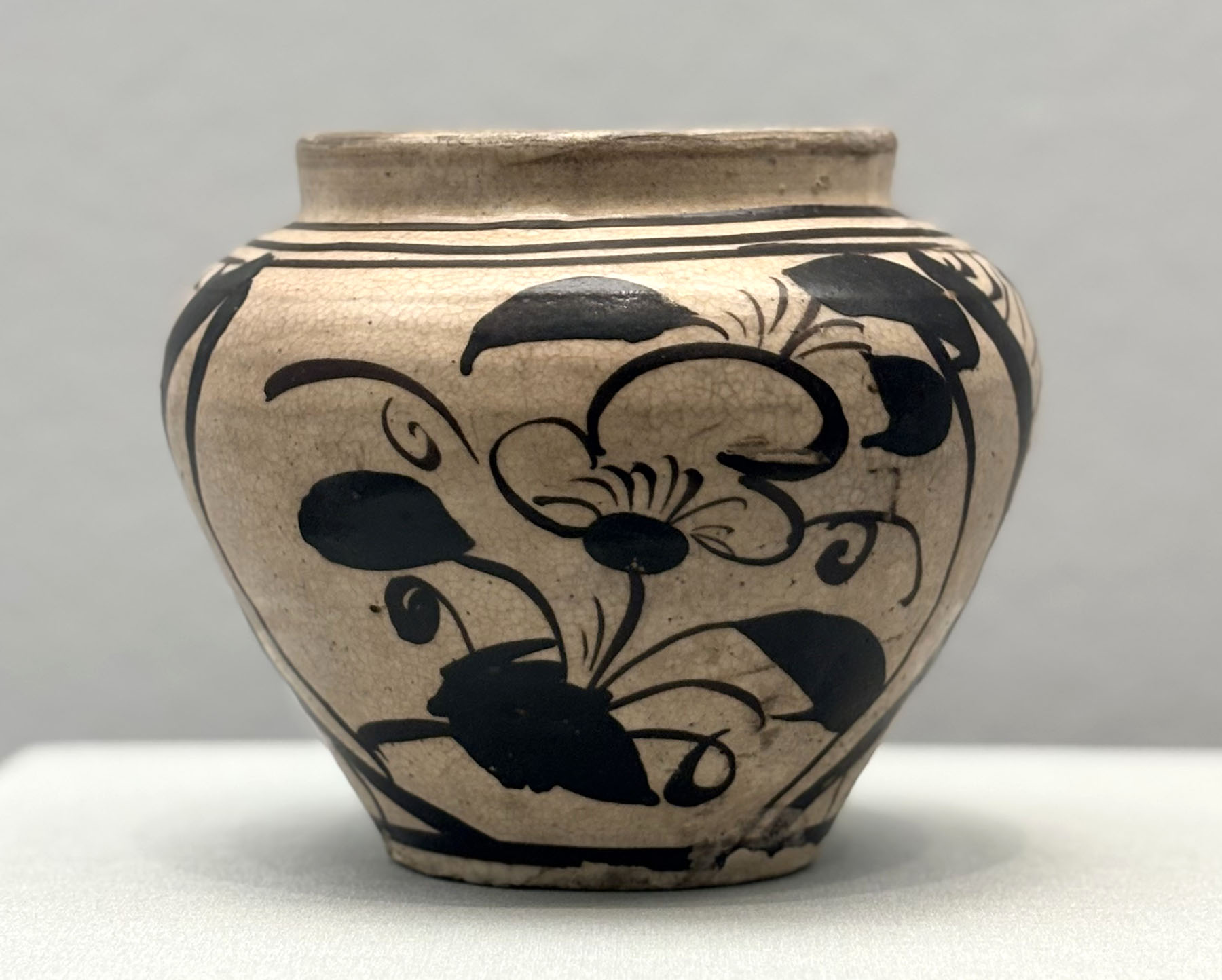
Wine containers, oil lamps, rice jars and fish plates used for feasts tell stories of domestic routines and shared meals. As Fang Xiaofeng, a professor at Tsinghua University's Academy of Arts and Design who provides academic support for the exhibition, explains, these objects belong to a world far removed from imperial luxury or the refined tastes of ancient intellectuals. "They are brimming with a down-to-earth attitude, the wisdom behind daily life experiences over time, and the longings of ordinary people," Fang says.
Contemporary artists also find beauty in these old vessels, embracing cracks, dirt and other marks of time as traces of lives once lived.
ALSO READ: A century of discoveries
"Ceramics have a quality of eternity — it doesn't rust, or decay," says Sun Yue, a ceramist who teaches at Tsinghua University's Academy of Arts and Design.
Sun also attended the Saturday forum, where she recalled studying at the University of the Arts Bremen in Germany and discovering the wider possibilities of ceramics as an artistic medium.
Inspired by Bremen's dandelions, Sun's graduation work paired a performance — passing flowers among visitors until their tufts dispersed — with a sculpture of ceramic stems. For Sun, the work reflects life's fleeting nature and what endures, much like ceramics that outlast their makers.
Contact the writer at linqi@chinadaily.com.cn
