

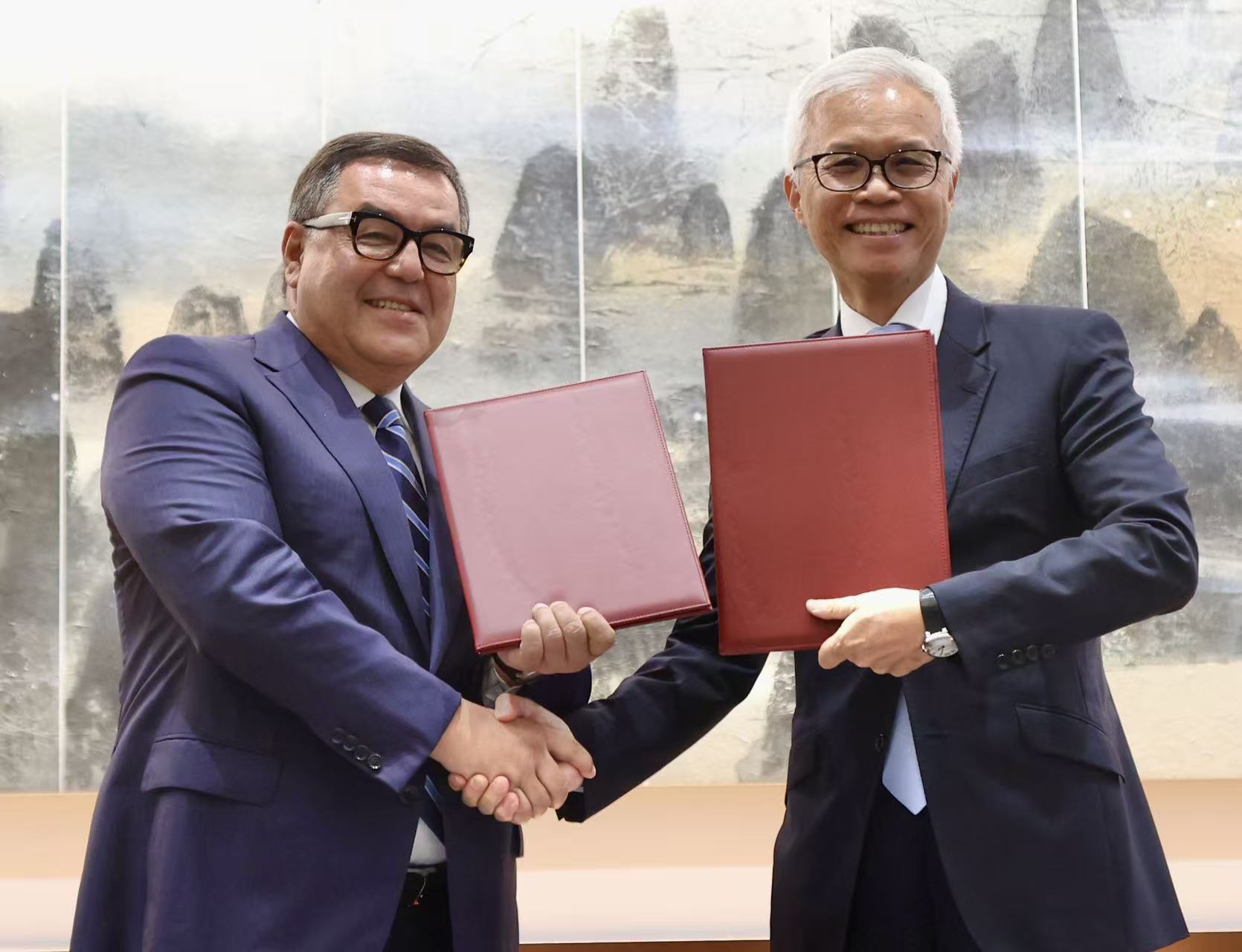
Officials and experts from the Hong Kong Special Administrative Region and Uzbekistan hailed moves to deepen cultural exchanges as the Hong Kong Palace Museum (HKPM) signed a memorandum of understanding with Uzbekistan’s Islamic Civilization Center on Monday.
The partnership focuses on cultural and artistic exchanges, including exploring the feasibility of lending the HKPM’s collection to exhibitions in Uzbekistan and enhancing collaboration on curation and personnel training.
The deal follows a memorandum of understanding signed in June between the HKPM and the State Museum of History of Uzbekistan during Chief Executive John Lee Ka-chiu’s visit to the Central Asian country. The high-profile regional trip also laid the groundwork for a joint exhibition on the ancient Silk Road scheduled for 2028 at the Hong Kong Palace Museum.
The Islamic Civilization Center, newly opened in March in Tashkent, the capital and largest city of Uzbekistan, is the country’s biggest cultural, scientific, and educational complex. It houses a major museum, a research institute, and the rare 7th-century Mushaf of Uthman manuscript — the earliest existing written version of the Quran. The center showcases Uzbekistan’s rich historical and cultural heritage and underscores its role as a hub of Islamic scholarship.
Speaking at the signing ceremony, HKPM Director Louis Ng Chi-wa said he was impressed by the center’s extensive collections, which he noted were pivotal to forging the partnership.
Ng said the two sides will enhance exchanges through joint exhibitions, academic research, and professional training programs in the years ahead.
“We hope to bring Islamic culture and artwork to Hong Kong while loaning HKPM’s own collections, including goldware and silk, to the center for display,” Ng added, a move aimed at fostering mutual cultural appreciation.
Following the signing ceremony, a special lecture brought together experts and officials to share their insights on collaboration between Uzbekistan and China, with Uzbek scholars discussing the history of cultural exchanges between the two regions and related artwork.
Hong Kong’s Commissioner for Belt and Road Nicholas Ho Lik-chi said Hong Kong will proactively integrate into and serve overall national development, and align the city with the nation’s 15th Five-Year Plan (2026-30), which supports Hong Kong’s involvement in high-quality cooperation under the Belt and Road Initiative and harnesses its role as a cultural exchange hub.
“I hope that the cultural ties between the Hong Kong SAR and Uzbekistan will continue to deepen in the years ahead. May today’s special lecture open new windows into Uzbekistan’s rich heritage and inspire even greater collaboration between our two sides in heritage, preservation, sustainable tourism and cultural innovation,” he said.
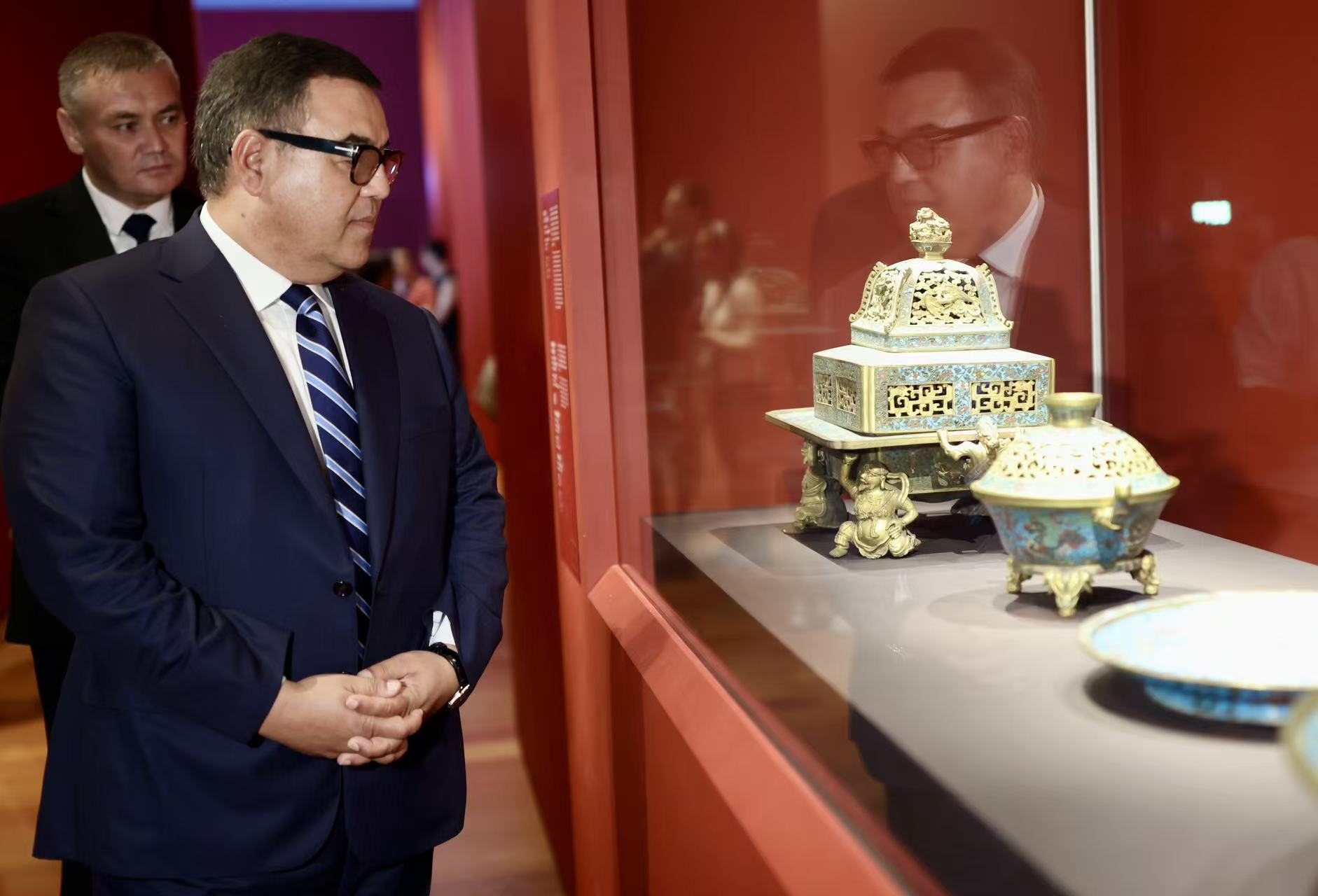
Farhod Arziev, Uzbekistan’s ambassador to China, said bilateral cultural cooperation is developing on many fronts. He described the Islamic Civilization Center as a unique institution that reflects the nation’s ancient history, scholarly contributions, and rich cultural heritage.
Arziev expressed strong interest in deepening collaboration with the HKPM and other local museums, and said he looks forward to launching new cultural projects to strengthen ties.
Ng said, “Looking ahead, we hope to deepen these cultural ties by exploring possibilities for joint exhibitions and other corporate collaborations in the future.”
Opened in 2022, the HKPM is a collaborative project between the city’s flagship cultural precinct, West Kowloon Cultural District, and Beijing’s Palace Museum. It drew over one million visitor trips in 2025.
Contact the writer at stacyshi@chinadailyhk.com
