

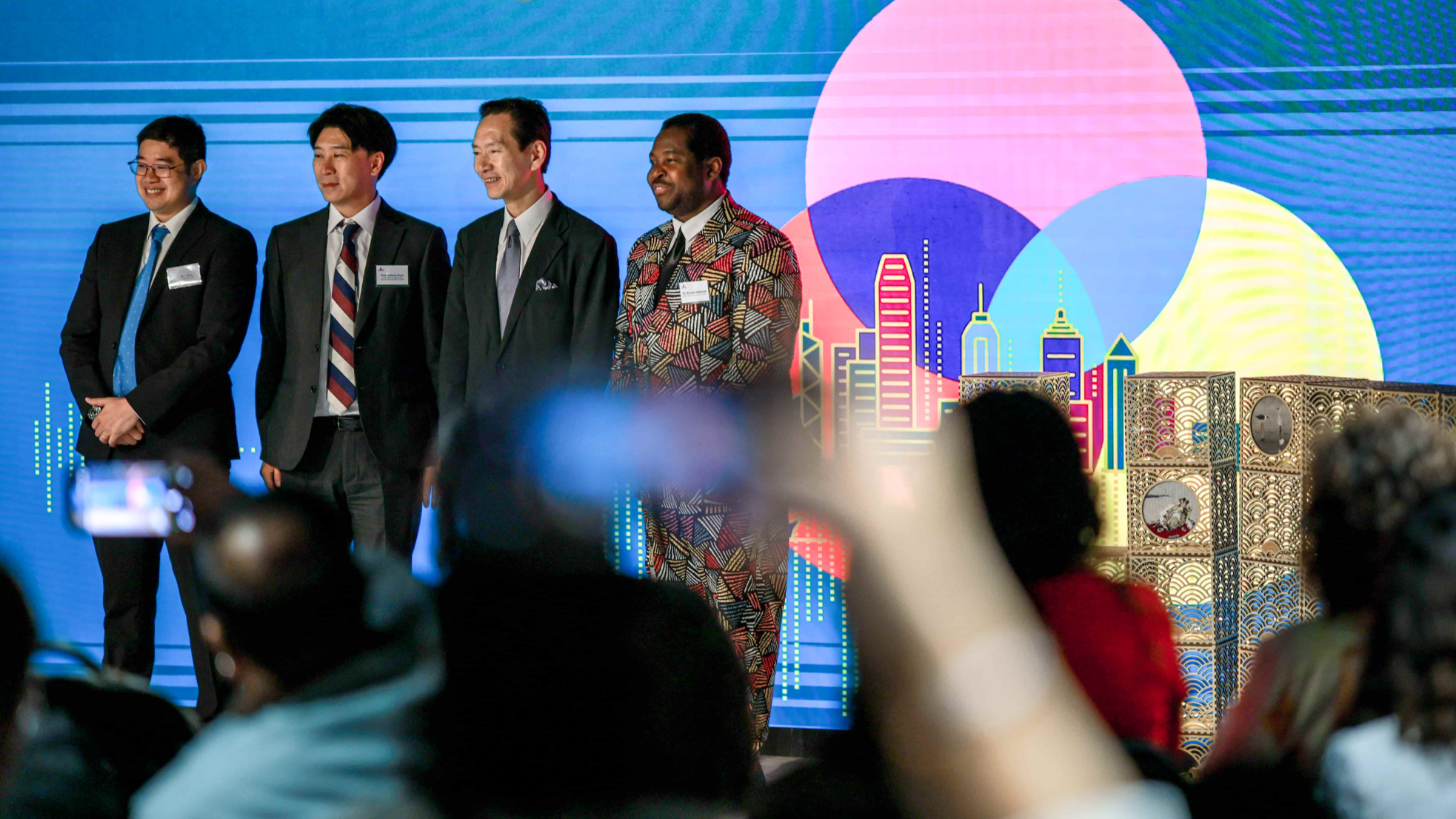
The arts can play a vital role in improving public health and strengthening disease prevention — a fresh approach to treatment that can help overburdened public hospitals in regions like the Hong Kong Special Administrative Region — experts said on Tuesday.
The city is also well-positioned to lead Asia in adopting the new therapy model in the role of a high-level policy initiative platform, they said on the opening day of the Hong Kong Global Arts and Health Festival.
Running through Saturday, the event kicked off at the Hong Kong Baptist University, bringing together representatives from the World Health Organization (WHO) and the United Nations Educational, Scientific and Cultural Organization, top epidemiologists and doctors, interdisciplinary artists as well as social leaders to promote “arts on prescription”, a social prescribing model which encourages doctors to refer patients to engage in different forms of creative and cultural activities for the treatment of mental and physical health problems.
Kunle Adewale, global development lead of the Global South Arts and Health Initiative (GSAH), a co-chair of the event, said: “We gather for a movement that believes creativity is not a luxury, a movement that recognizes culture as a public good, a movement that understands that the arts are not separate from health, but essential to human flourishing, community resilience, and social transformation.”
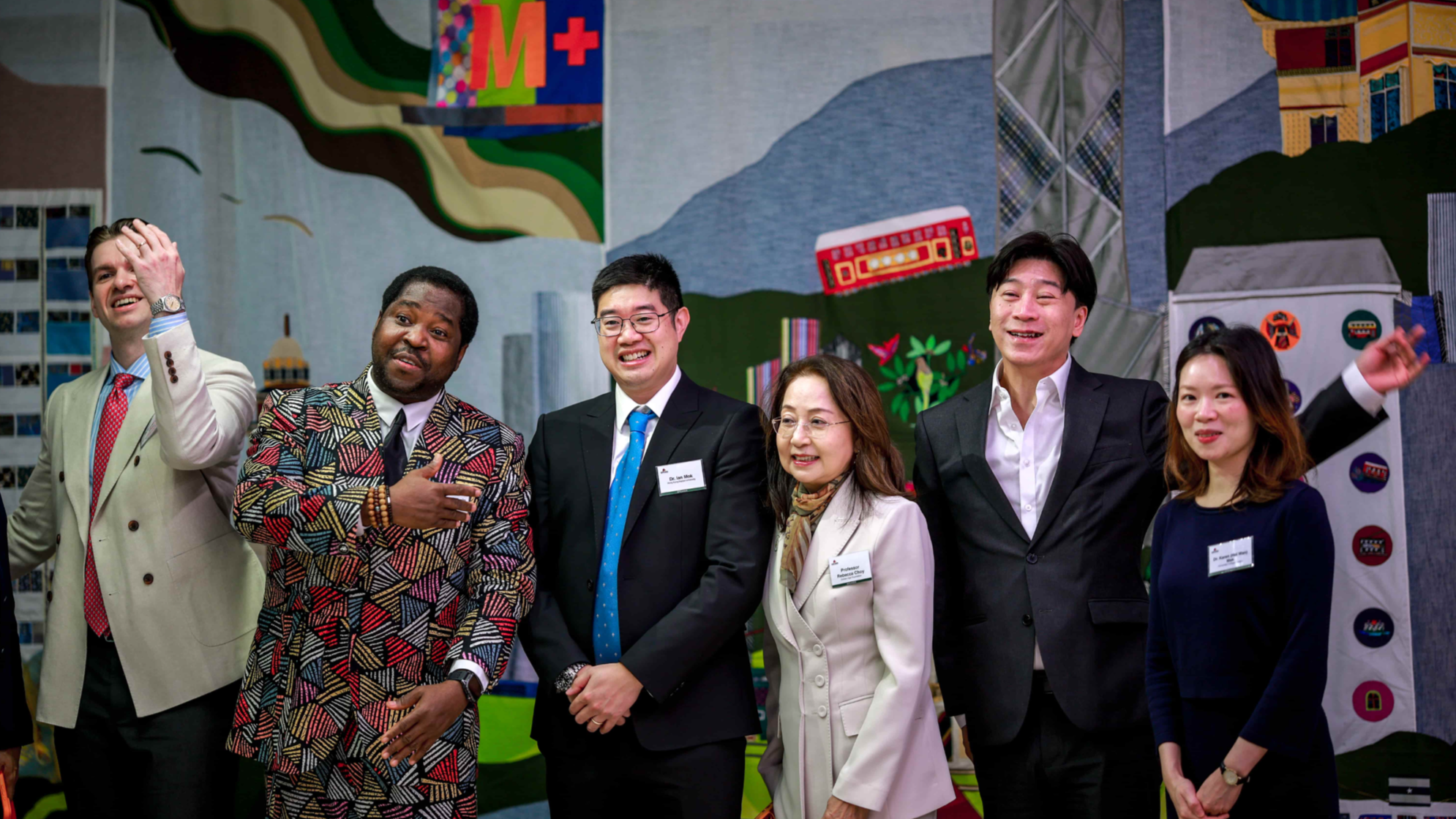
The GSAH aims at advancing education, scientific research, and the interdisciplinary practice of the arts in health. To date, it has reached more than 500,000 people across 45 cities worldwide since 2023.
The five-day festival is the fourth international conference within GSAH’s framework, and the first edition in Asia, Adewale said.
The event has established Hong Kong’s leading and pioneering position in Asia in terms of promoting the concept of “arts on prescription” under the GASH framework, he added.
ALSO READ: Healthcare reforms: Perfecting HK’s ‘excessive burden protection’ model
Karen Mak Hei-wan, a senior research fellow in epidemiology and statistics at University College London and a global population health fellow with the WHO’s Jameel Arts and Health Lab, spoke to China Daily about the importance of promoting “arts on prescription” and its positive impact on overall health and well-being.
Mak said a 2019 World Health Organization report — drawing on more than 3,000 studies — confirmed the vital role the arts play in healing and well-being. According to studies across people’s lifespans, the positive impact of engaging in the arts on health is notable, Mak said.
However, she said the public’s awareness of “arts on prescription” remains limited, and that she hopes promotion by the media and the hosting of conferences with medical conferences with experts will enhance the concept’s public recognition.
The social prescribing model can also alleviate pressure on the healthcare system, she added.
Mak said nearby support facilities and affordable costs are crucial factors for the new prescription model. She added that Hong Kong has rich museum and artistic resources. “The district health centers are well-positioned to promote it.”
Moreover, a shift in mindset is needed, “as some people feel that art is not for them,” she said.
READ MORE: Are residents taking HK’s high medical standards for granted?
The session on Tuesday afternoon focused on translating cutting-edge international research into concrete practices across Asia. Industry leaders also talked about building an ecosystem integrating the arts and healthcare.
Ian Mok, co-chair of the festival and a lecturer at HKBU, presented empirical data from local Hong Kong research on intergenerational community music.
His study demonstrates that community music interventions significantly enhance subjective well-being, alleviate loneliness, and effectively foster intergenerational harmony among Hong Kong families.
In the following days, the festival will also feature thematic speeches, workshops and case studies, as well as exchange sessions in Hong Kong’s M+ Museum, the Hong Kong Museum of Art and the Hong Kong Palace Museum.
Contact the writer at atlasshao@chinadailyhk.com
