

Ecological engineering improves outcomes for wildlife as nation's electricity grid expands
Editor's note: As protection of the planet's flora, fauna and resources becomes increasingly important, China Daily is publishing a series of stories to illustrate the country's commitment to safeguarding the natural world.
A more than decadelong ecological engineering project by the nation's electricity supplier is mitigating the conflict between a rapidly expanding grid network and the habitats of wild birds.
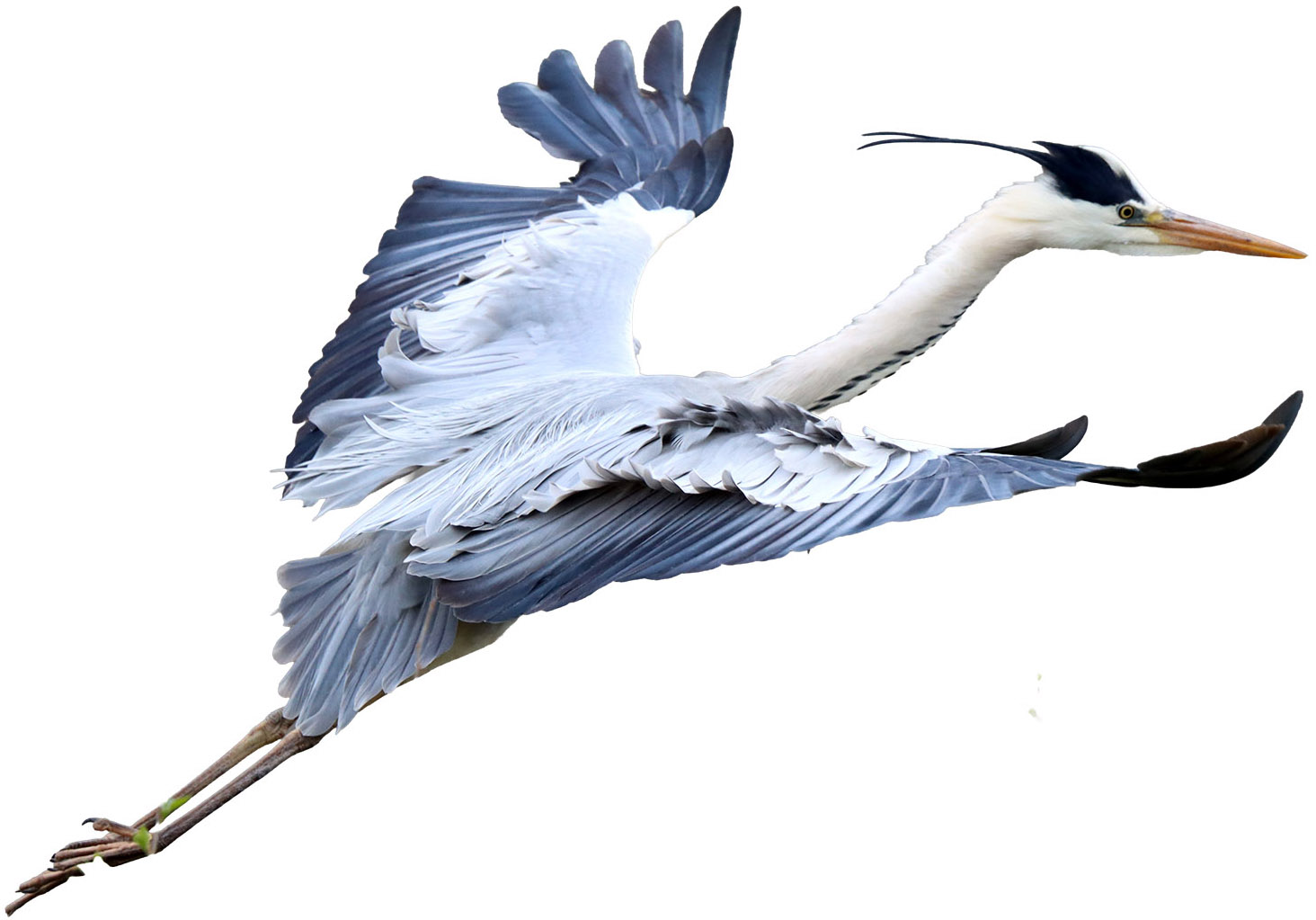
At the Zhangye Heihe Wetland National Nature Reserve in Northwest China's Gansu province, transmission towers have been adapted to become a safe part of the ecosystem for birds such as storks, swans, egrets and herons, that call the wetland home for all or part of the year.
As Gansu lies at a key junction on the Central Asia–India migratory flyway, the province serves as a breeding and wintering ground for hundreds of thousands of migratory birds of more than 300 species.
READ MORE: A tower of power in bird protection
Wetlands such as the Heihe River basin and forest–grassland zones like Ziwuling are critical ecological corridors.
Transmission networks have expanded across these landscapes in the city of Zhangye, now stretching over 16,000 kilometers in total.
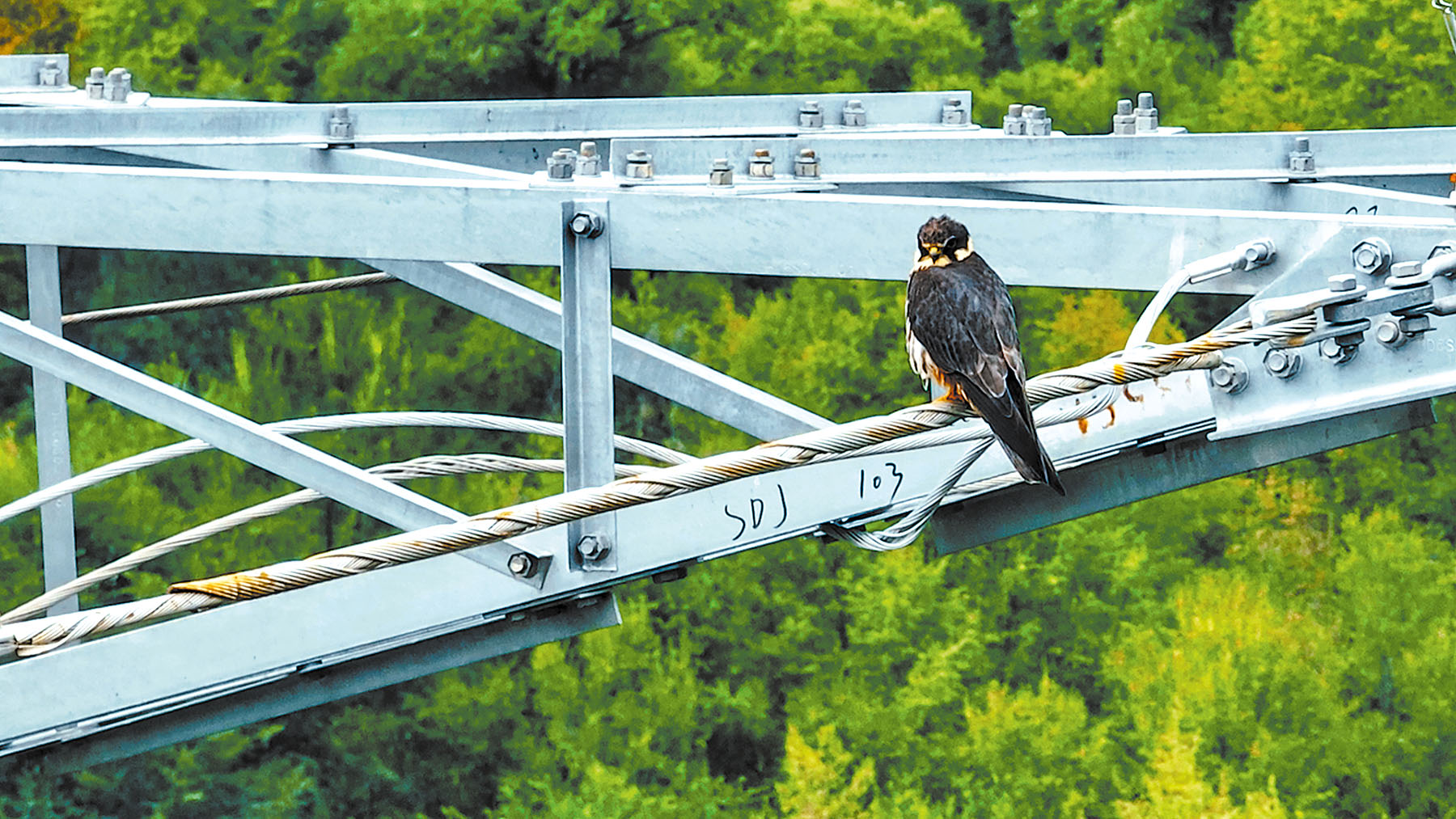
As the grid expanded, a persistent conflict emerged. Birds nesting on towers or perching on conductors could trigger outages, while exposed wires posed lethal risks.
State Grid Gansu Electric Power Co has spent over 10 years adapting its equipment located in wildlife areas, using ecological engineering and smart technologies, so that the two can peacefully coexist.
"Bird nests on transmission towers used to give us headaches," said Liang Xingguang, a transmission line inspector in Zhangye. "Now, we take the initiative to build homes for them."
National electricity supplier State Grid launched the Life Nest project in 2016, with the aim of installing artificial nests and platforms so that wild birds would not be harmed by the grid's infrastructure.
Rolled out initially in the Sanjiangyuan region of Qinghai province, the project was later expanded across seven provinces including Gansu. By 2024, the program had completed nearly 6,600 km of field surveys, installed 5,314 artificial nests and 16 raptor platforms, and helped support the hatching of nearly 4,000 chicks.
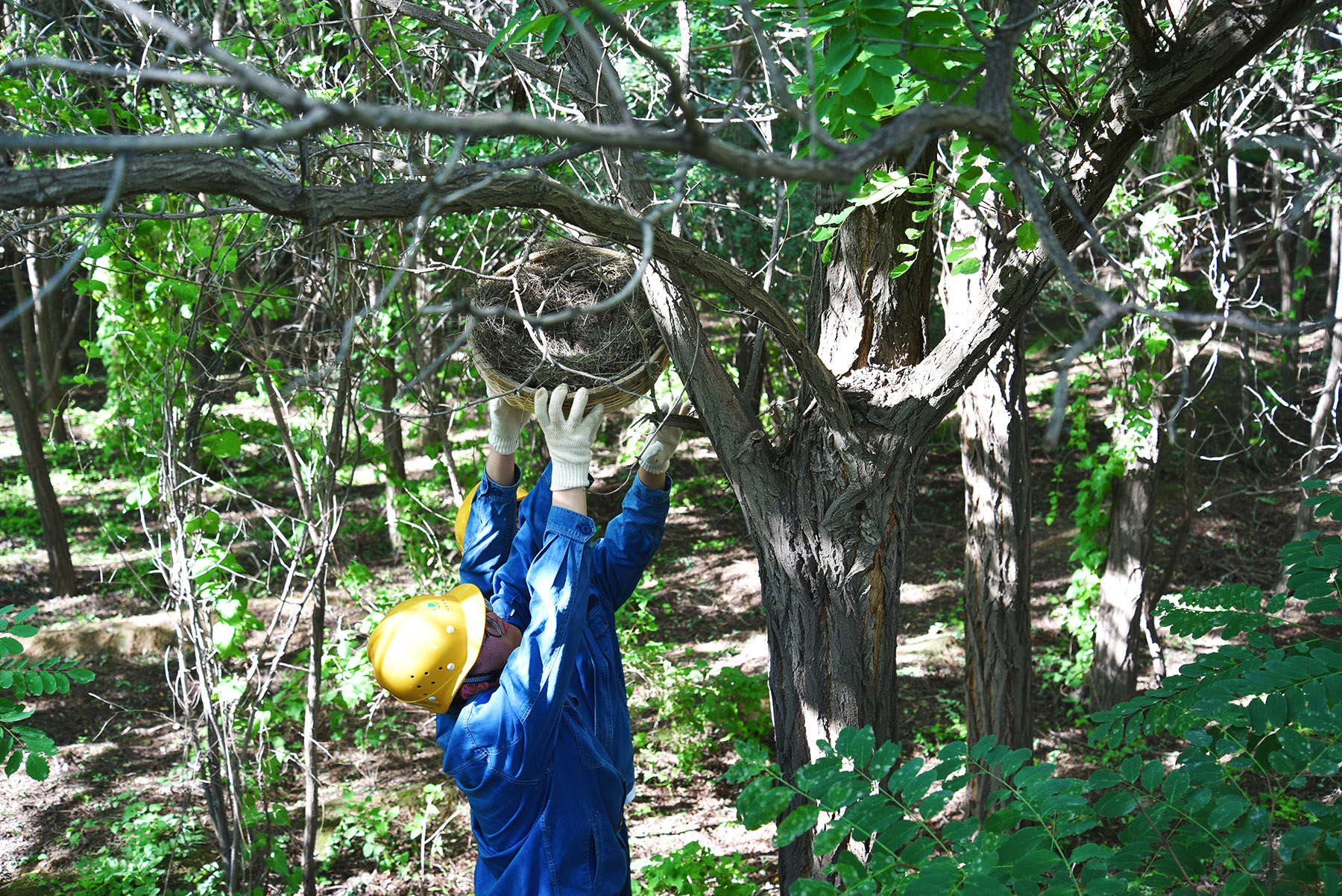
In Zhangye, since 2022, engineers have deployed artificial nesting facilities across six high-risk transmission corridors. Around 140 artificial nests have been installed, with an occupancy rate of 26 percent, along with 12 relocated nests.
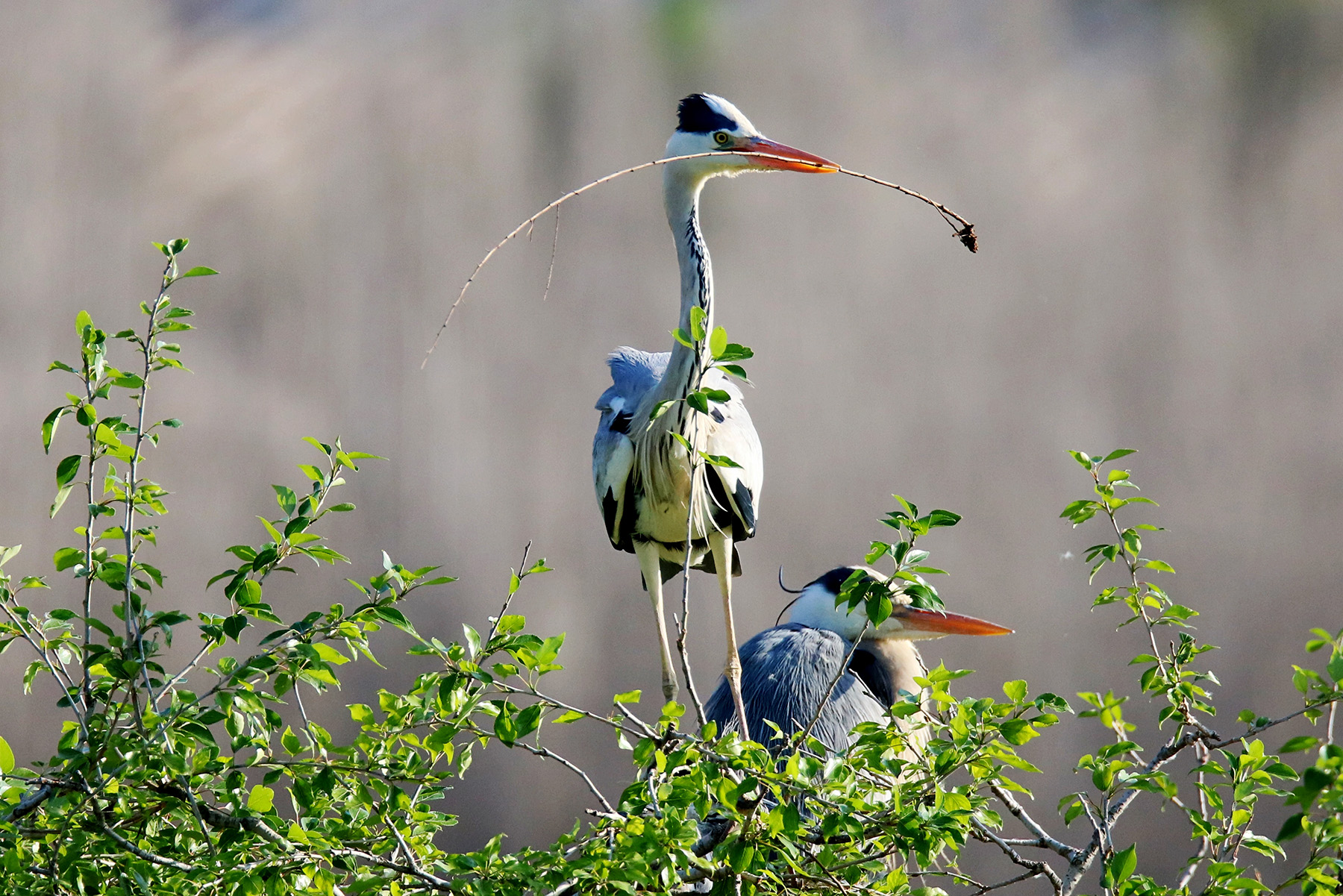
Developed with ornithologists, the artificial nests are tailored to species such as black storks, gray herons, kestrels and magpies. Built from natural rattan and lined with soft palm fiber, they are wind-resistant, insulated and positioned 20–30 meters above ground — close to natural nesting preferences, but safely away from live conductors.
"In the past, seeing a nest on a tower meant trouble," Liang said."Now, we build them on purpose."
When nests appear in hazardous positions, crews conduct live-line "gentle relocation", carefully transferring entire nests while preserving their structure and minimizing disturbance.
In cooperation with wildlife authorities in Zhangye's Ganzhou district, the program has also supported the release of 53 rehabilitated birds, reinforcing the shift from conflict mitigation to ecological facilitation.
Across key corridors, more than 30 km of transmission lines in the Heihe Wetland core zone have been wrapped in weather-resistant insulating sheaths — described by workers as "protective suits" for the grid.
"These materials withstand strong ultraviolet radiation and extreme temperature swings," said Shen Qi, a Zhangye transmission line inspector. "They fully cover exposed conductors and eliminate electrocution risks."
Since 2021, the State Grid has surveyed over 5,800 km of bird migration routes, organized nearly 1,300 joint patrols, and rescued more than 15,000 protected birds nationwide.
In Zhangye, these ecological standards have been embedded into grid planning, with transmission routes adjusted to avoid key migratory corridors through field investigations and wetland surveys.
Precision protection
On high-altitude lines above 3,000 meters in Gansu's Gannan Tibetan autonomous prefecture, dual-radar ultrasonic devices are deployed to detect approaching birds within a 100-meter range. The system emits variable-frequency acoustic signals and soft light to gently guide birds away without harm.
A digital monitoring platform known as the "Silverline Sentinel" also provides continuous oversight of both grid conditions and bird activity.
Alongside the "Silverline Sentinel" platform, an upgraded monitoring system known as the "Silverline Scout" has further enhanced real-time ecological protection capabilities, State Grid said.
The system uses artificial intelligence, infrared sensing and nighttime projection technologies, enabling 24-hour continuous monitoring of both transmission line operations and bird activity. Its built-in algorithms can identify more than 200 common bird species, analyze nesting locations and behavioral patterns in real time, and issue early warnings of potential risks.
State Grid said that by combining visual, thermal and acoustic data streams, the system allows operators to detect approaching birds and infrastructure anomalies with greater precision, strengthening preventive maintenance across high-risk corridors.
"Previously, we relied on manual patrols and could only inspect all lines once a month," said a technician in Gannan. "Now we can monitor in real time and respond immediately."
Since deployment, maintenance efficiency across Gansu's grid has tripled, while ecological datasets collected by the system have become valuable inputs for migratory bird research.
In sensitive forested areas such as Ziwuling, patrol teams have adjusted cable routes to avoid nesting zones, while drones equipped with infrared imaging conduct inspections with minimal disturbance.
Across Gansu, more than 20,000 sets of bird-friendly devices — including flexible anti-perching structures, insulating covers and epoxy barriers — have been installed. Unlike earlier rigid designs, these prevent contact without harming birds and also reduce flashover risks caused by droppings.
In Zhangye's Heihe Wetland corridor, these combined measures have reduced bird-related outages by 13 percent, while enabling safer movement through previously high-risk zones.
Living with nature
Electricity infrastructure is increasingly becoming part of wider ecological governance.
In the Qilian Mountains, spanning Qinghai and Gansu, the rich yet fragile ecosystems are home to 48 nationally protected wildlife species, including snow leopards and golden eagles. The vast terrain and complex geography have long limited traditional monitoring.
In many core conservation zones, the absence of stable electricity has also constrained digital management tools, making continuous ecological observation difficult.
This gap led to the introduction of the Green Power Ark project, a national initiative launched in 2022 to integrate clean energy with biodiversity protection. By 2023, the project encompassed 13 ecological sites across China.
At the Gucheng conservation station in Tianzhu, a remote area of Gansu, the project installed a solar-powered microgrid system. The system, operating from 2024, integrates photovoltaic generation, battery storage, infrared cameras and 4G data transmission, forming a zero-carbon forest monitoring platform.
It enables continuous monitoring of wildlife activity, vegetation change and fire risks — shifting conservation from periodic patrols to permanent observation.
"In the past, monitoring depended largely on people," said a project engineer. "Now, technology allows continuous observation across vast and complex terrain."
State Grid Gansu said it is working closely with forestry departments, wetland authorities and local governments through joint patrols, data sharing and coordinated planning, to align grid operations with ecological priorities.
Conflict to coexistence
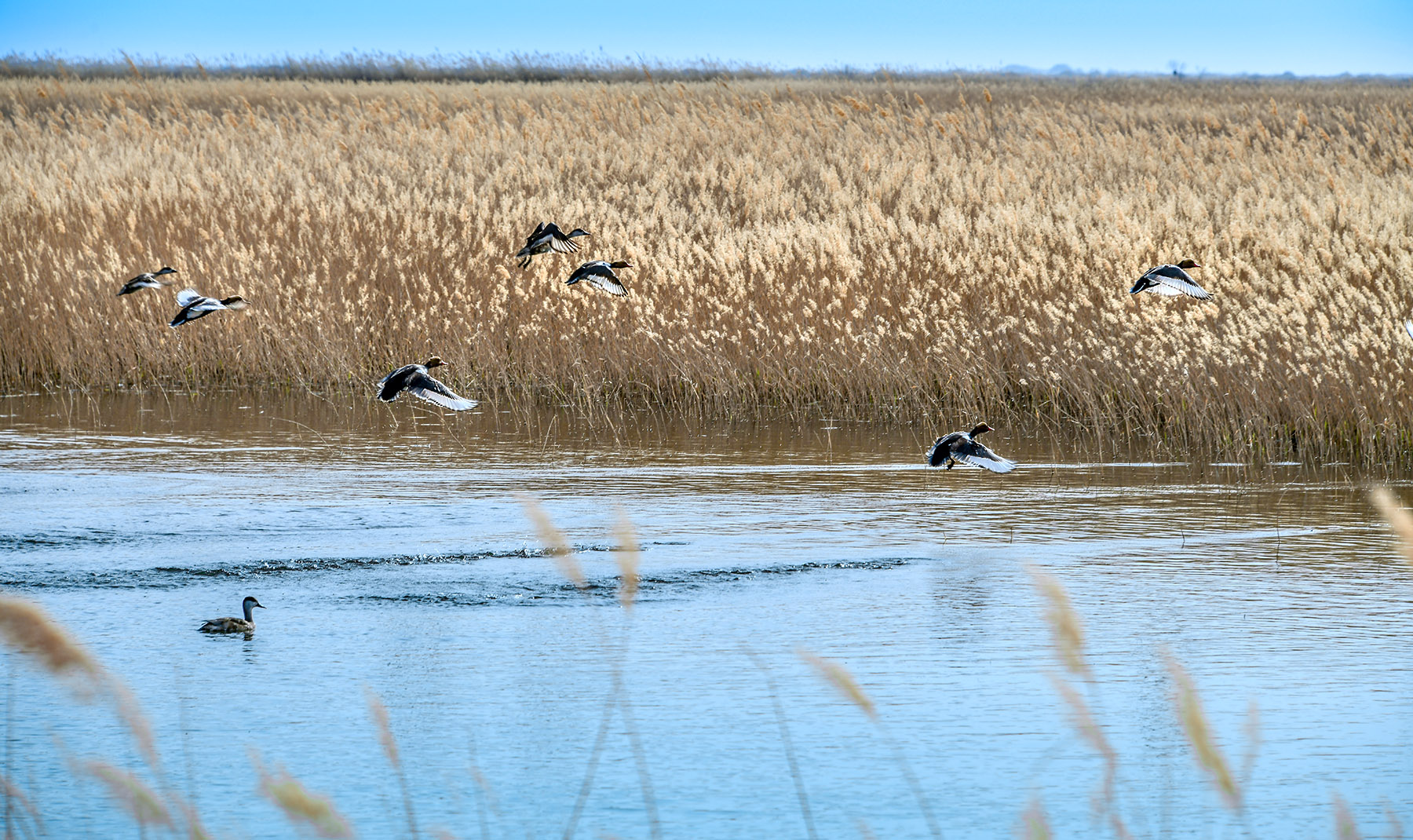
In Zhangye, up to a quarter of a million birds now stop over in the wetlands annually, including the black stork, a species with extremely strict habitat requirements. According to data from the National Forestry and Grassland Administration, a record 675 black storks were sighted in the wetlands in September 2024, followed by 455 in 2025.
In Jiuquan's Yanchiwan Wetland, also in Gansu, populations of rare species such as black-necked cranes continue to grow.
ALSO READ: Chinese energy companies call for more biodiversity conservation efforts
At the Hequ Horse Farm Wetland in Gannan Tibetan autonomous prefecture, dozens of brown-headed gulls, a nationally protected species, have been observed for the first time in recent years.
Across Gansu, bird-related outages have declined while biodiversity indicators improve steadily.
State Grid said that transmission towers still carry electricity across vast distances, but increasingly, they also function as ecological infrastructure, supporting migration, enabling monitoring and connecting fragmented conservation zones.
Contact the writers at huyumeng@chinadaily.com.cn
