

Decades after war scarred its banks, the waterway remains a living conduit of blood-forged camaraderie and the quiet, everyday friendships bridging China, DPRK
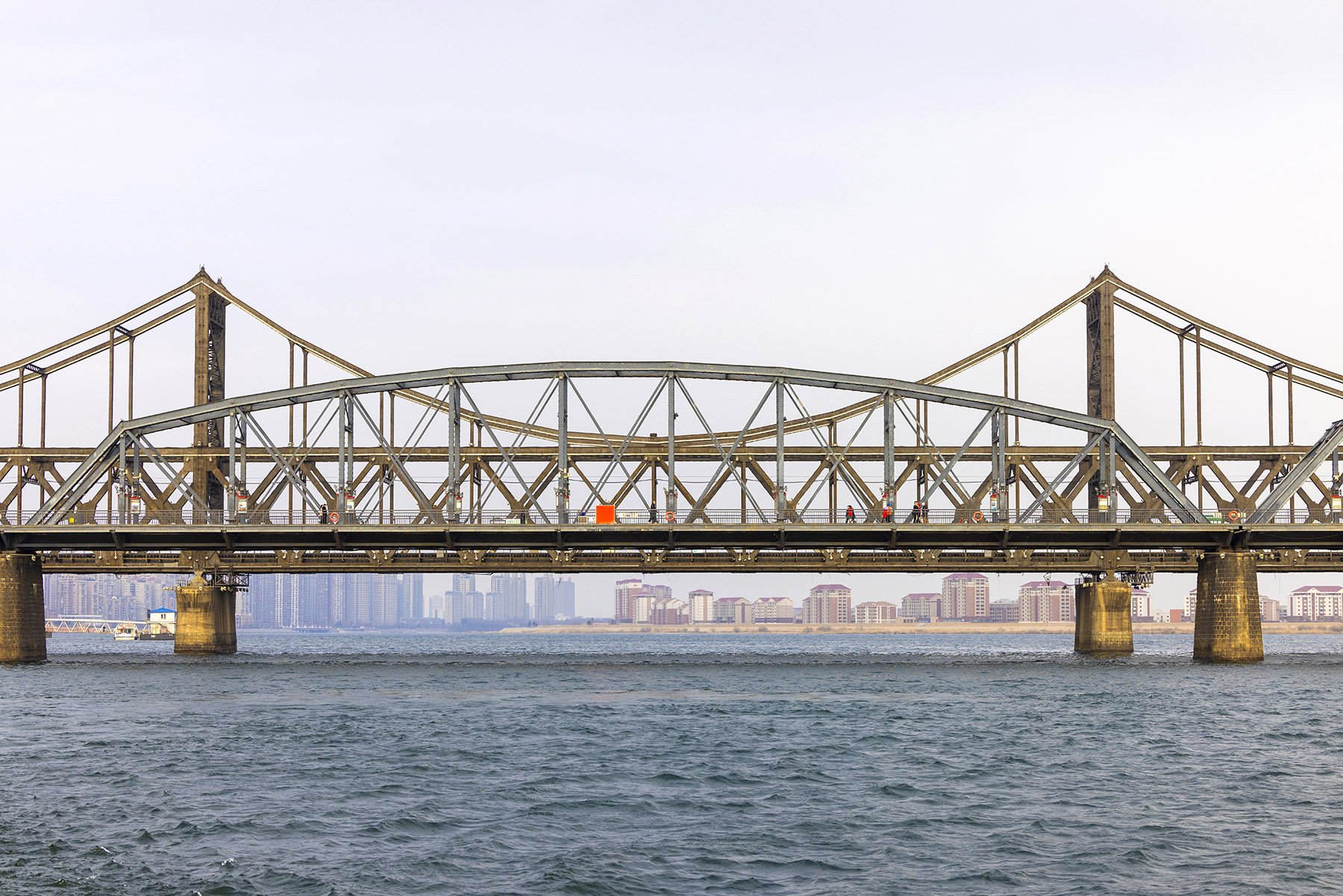
Every morning, residents of Dandong, in Northeast China's Liaoning province, stroll along the banks of the Yalu River. Across the water is Sinuiju, a city in the Democratic People's Republic of Korea, close enough to see apartment buildings and passing vehicles.
For generations, the river has served not only as a border, but as a witness to friendship, the resistance to war, and everyday exchanges between the two peoples.
More than 70 years ago, the Chinese People's Volunteers, or CPV, crossed the Yalu River into the Korean Peninsula, marching to fight alongside the Korean people against the United States' aggression.
At that time, Dandong, then named Andong, played a strategic role, with residents mobilizing every possible resource to support the War to Resist US Aggression and Aid Korea (1950-53). Their efforts gave rise to countless stories of sacrifice and solidarity that continue to resonate to this day.
READ MORE: Wide-ranging cooperation boosts China-DPRK friendship
Established in 1958, the Memorial Hall of the War to Resist US Aggression and Aid Korea in Dandong serves to safeguard a collective memory, housing more than 20,000 artifacts and over 30,000 documents and materials related to the war.
The artifacts preserve stories of soldiers, workers and residents whose efforts supported the war, inviting visitors to reflect on the enduring legacy of a time that shaped the course of nations.
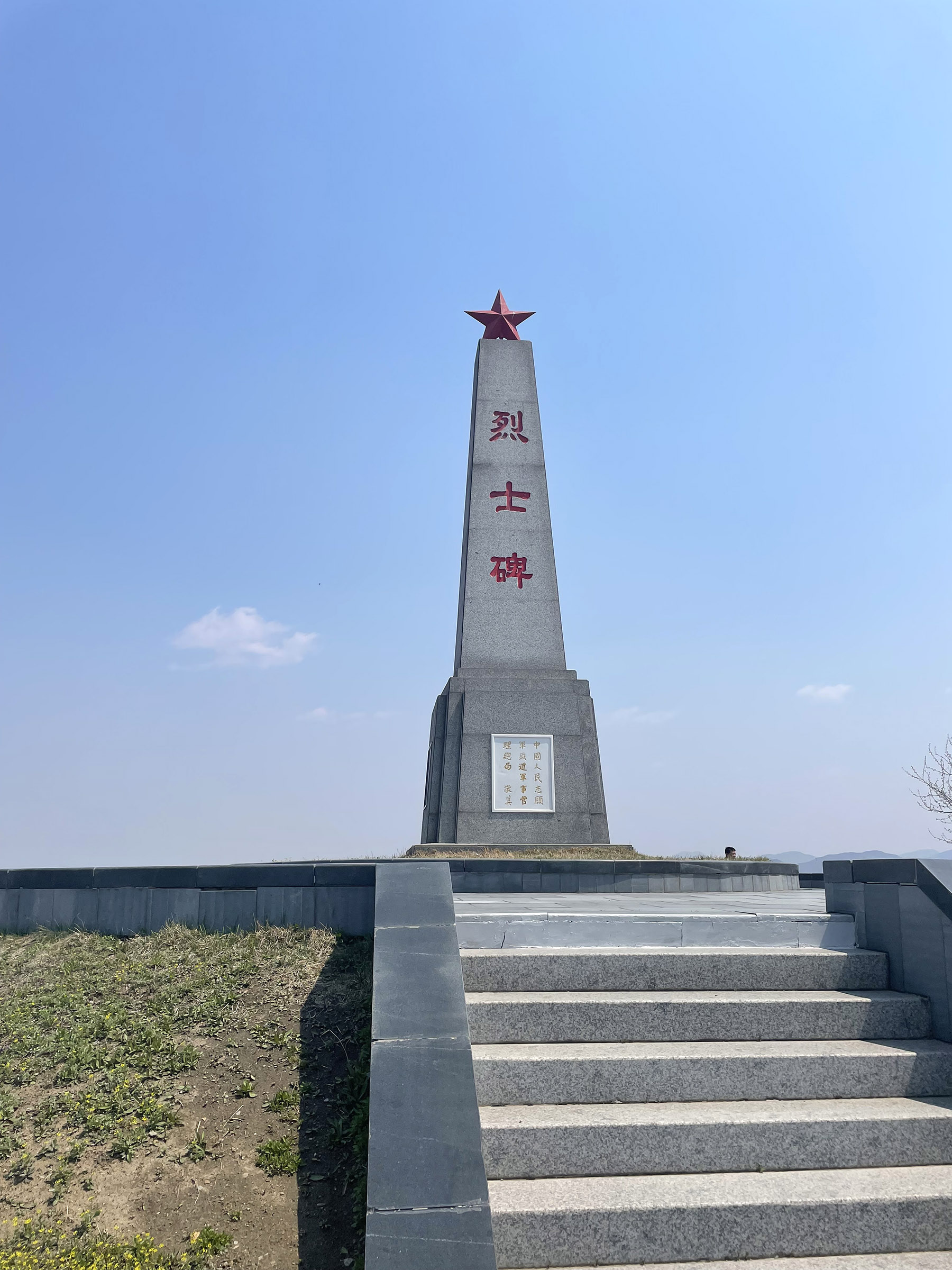
During this intense conflict, Dandong emerged as a vital rear base, said Zhang Xiaoying, deputy director of the memorial hall.
"The city then became a crucial lifeline, offering unwavering support to the front lines. Residents and resources were mobilized to provide whatever was needed — be it manpower, supplies or even blood — demonstrating remarkable dedication and sacrifice," she said.
"This collective effort played a pivotal role in securing victory, marking the city's extraordinary contributions."
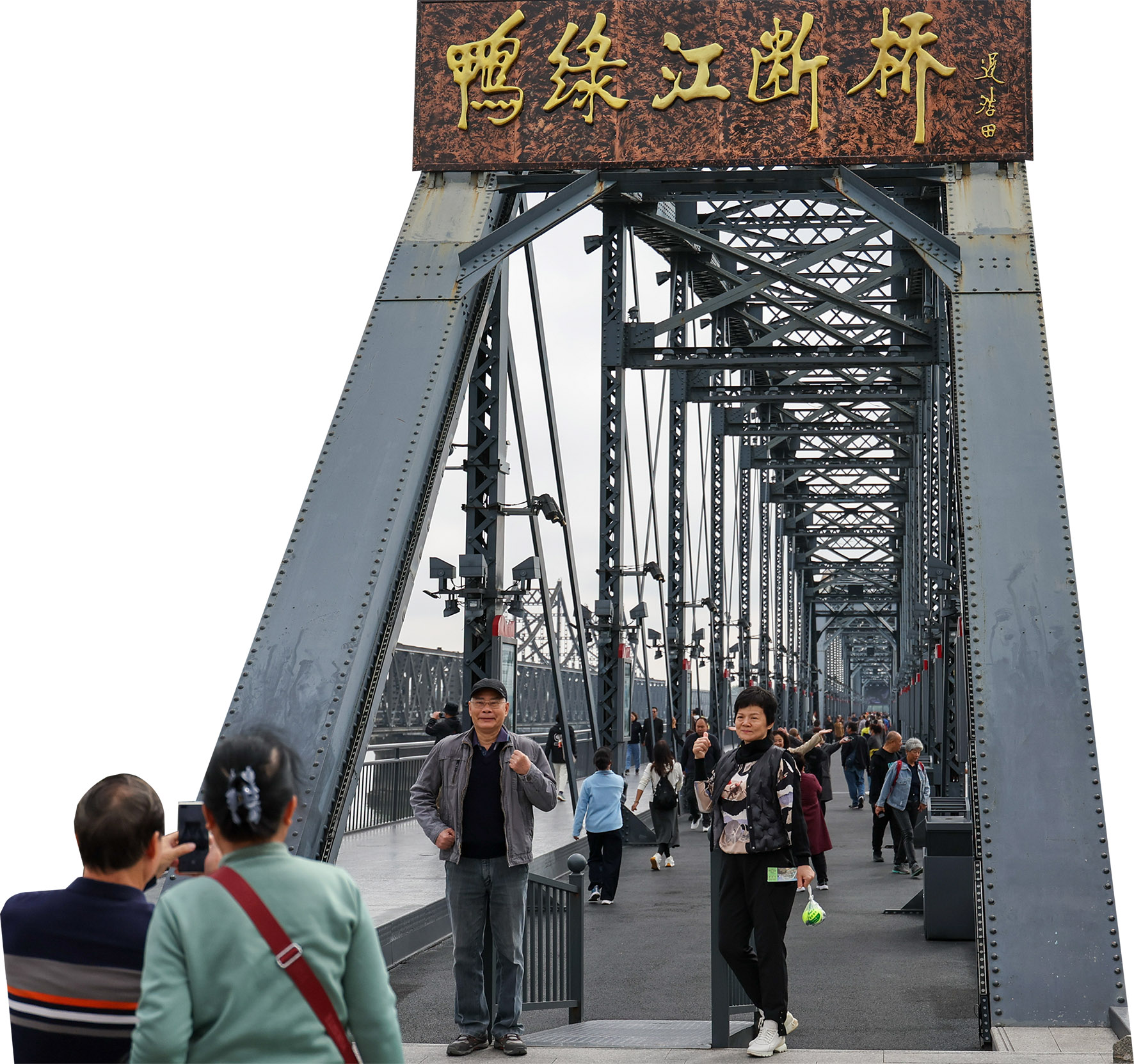
The Yalu River Bridge (China-DPRK Friendship Bridge) and the Yalu River Broken Bridge span the river, both of which served as crucial transport routes for supplies during wartime.
"The Broken Bridge, originally the first road bridge across the Yalu River, witnessed the ravages of conflict when the US Air Force destroyed the DPRK's side in the 1950s," Zhang said. "Meanwhile, the Yalu River Bridge, initially constructed as a railway bridge, was converted into a combined road-rail bridge to meet wartime demands."
Although the bridge was repeatedly bombed, the steadfast people of Dandong continuously repaired it, ensuring its role as a lifeline for the war effort, she said.
Zhang stressed that the spirit of sacrifice and dedication from those days continues to inspire generations.
"Even today, many people in Dandong contribute their efforts to the friendship between China and the DPRK," she said.
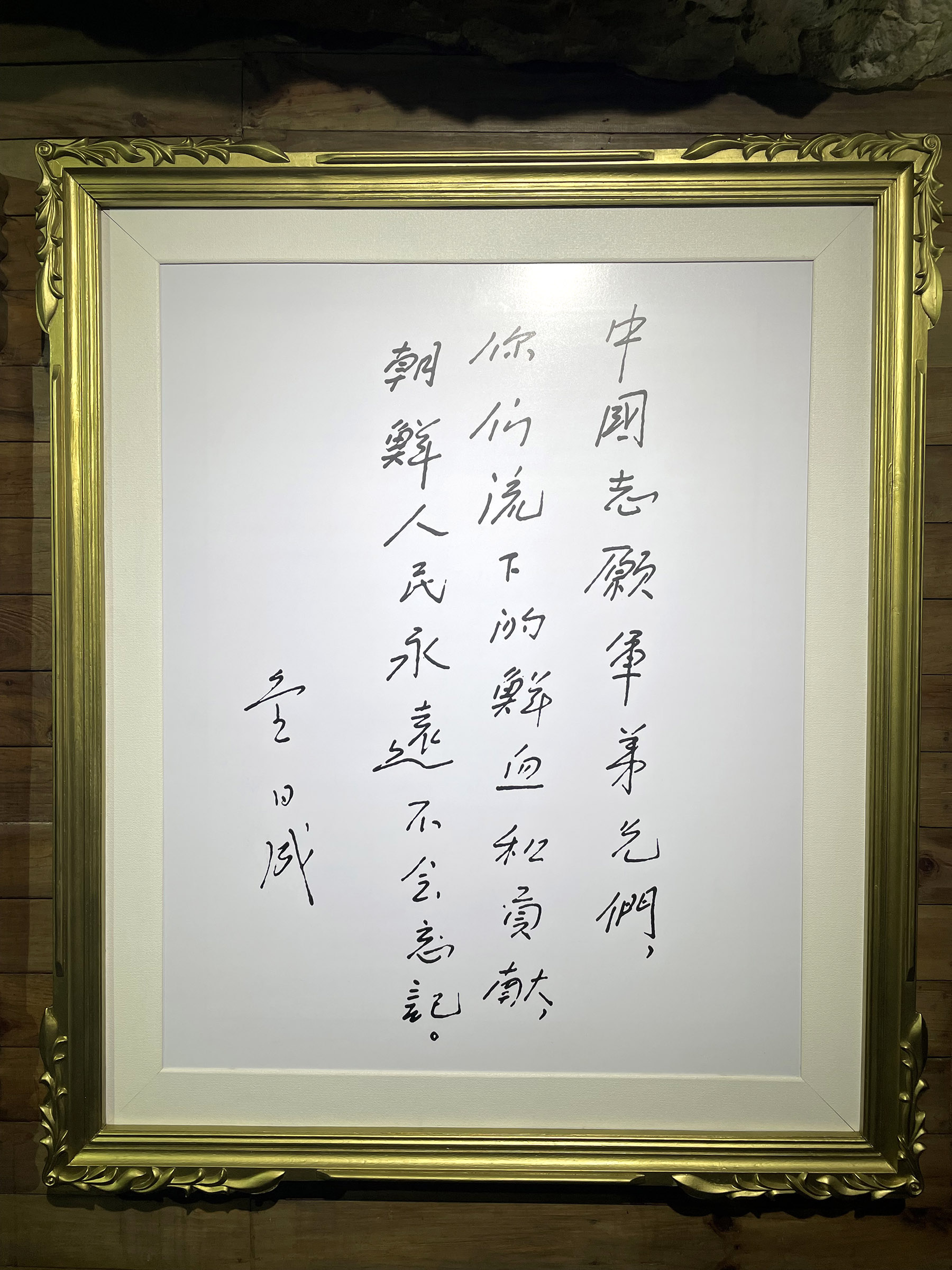
Zhao Fengqi, a faculty member at Liaodong University in Dandong, is a prime example of this spirit. He worked for a year at the Representative Office for the Commemoration of Martyrs of the Chinese People's Volunteers in the DPRK, responsible for honoring the fallen Chinese soldiers.
"In 1950, my grandmother enlisted as a medic with the CPV, treating the wounded in the rear areas of Dandong," Zhao said. "Her spirit of dedication and the example she set have given me a deeper understanding of the history of the CPV."
Last year, after a rigorous selection process, Zhao was assigned to Pyongyang to undertake commemorative work for the martyrs of the CPV, an assignment he gladly accepted.
"In regular interactions with DPRK counterparts, we've found them to be extremely meticulous and friendly," he said. "They place great importance on our efforts to honor the martyrs of the CPV and have demonstrated a high degree of dedication and responsibility in the maintenance and management of the memorial parks."
He recalled his initial visit to the CPV Martyrs' Cemetery in Kangdong County, east of Pyongyang, during the Tomb Sweeping Day last year, which left a profound impression on him.
Inside the cemetery, four joint burial tombs hold the remains of 1,383 CPV martyrs who bravely laid down their lives in the war.
"It was only when I was there that I truly felt the indomitable fighting spirit of the CPV, who fought valiantly in the heat of battle," Zhao said. "It made me realize that the friendship between the Chinese and DPRK people is a bond forged in blood."
A native of Dandong, Zhao described life in the DPRK as very familiar and comforting to him, emphasizing the strong similarities between the two places in terms of cuisine and daily habits.
"Flowing between China and the DPRK, the Yalu River has long served as a shared lifeline for communities on both sides," he said. "Beyond its natural role, it has borne witness to pivotal moments in history while nurturing sustained cultural, economic and people-to-people exchanges between the two countries."
Spanning the river are not only physical bridges, but individuals like Zhao — living links who connect the two countries.
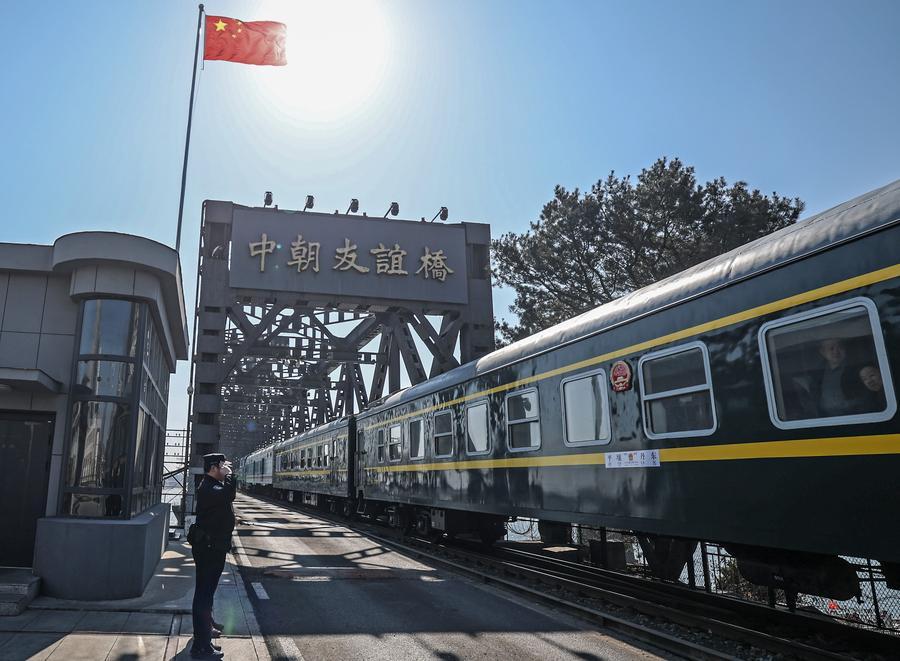
In September 2007, professors Huang Li and her husband Lei Huisheng, both from the College of International Education at Liaodong University, departed from Dandong by train, crossed the China-DPRK Friendship Bridge, and arrived in Pyongyang.
"We worked there for a year," Huang recalled. "We returned in 2010; Lei stayed for two years, and I stayed for three. Our third stint began in 2014 and lasted until January 2020. During that period, Lei worked there for over five years, while I was there from March 2017 to January 2020."
Huang, who is also director of the Chinese Language Center at Pyongyang University of Foreign Studies, said that in daily communications with DPRK students, the questions they ask most often center on contemporary China, reflecting their strong curiosity about the country's rapid development.
"Topics ranging from architecture, fashion and sports to music, internet slang and trending expressions frequently come up in class," Huang said. "What interests them most, however, is China's economy."
Over the years, their interactions with students and colleagues extended far beyond the classroom. Through daily work and ordinary moments of life, they developed deep and enduring friendships with their DPRK colleagues.
Lei recalled an experience that left a lasting impression on him and reflected the close relationships he developed with his DPRK colleagues.
One of his colleagues, surnamed Park, headed the foreign affairs department of the publishing house, which was responsible for international publications. He fractured the top of his femur bone in a serious car accident.
"At the time, he had already purchased an artificial femoral head, but he still lacked bone cement and other necessary medical and sterilization supplies," Lei said. "Since I was in China at the time, I offered to help him obtain what he needed."
Lei contacted a former classmate with a medical background, who helped procure the supplies that were later delivered to Park through the Chinese embassy.
"The surgery was a success," Lei said. "Park was extremely grateful afterward."
Looking back on their years in the DPRK, Huang and Lei said the friendships they formed remain among their most treasured memories.
The Yalu River has witnessed war and peace, tears and laughter, and generations of exchanges between neighboring peoples. Along its banks, countless ordinary individuals have played their own small but meaningful roles in bringing the two sides closer together.
Like the river itself, those bonds continue to flow across borders, connecting hearts and carrying forward a friendship forged over decades.
Contact the writers at liujianqiao@chinadaily.com.cn
