

Upgrading grid seen as critical as $722b investment targets renewable bottlenecks
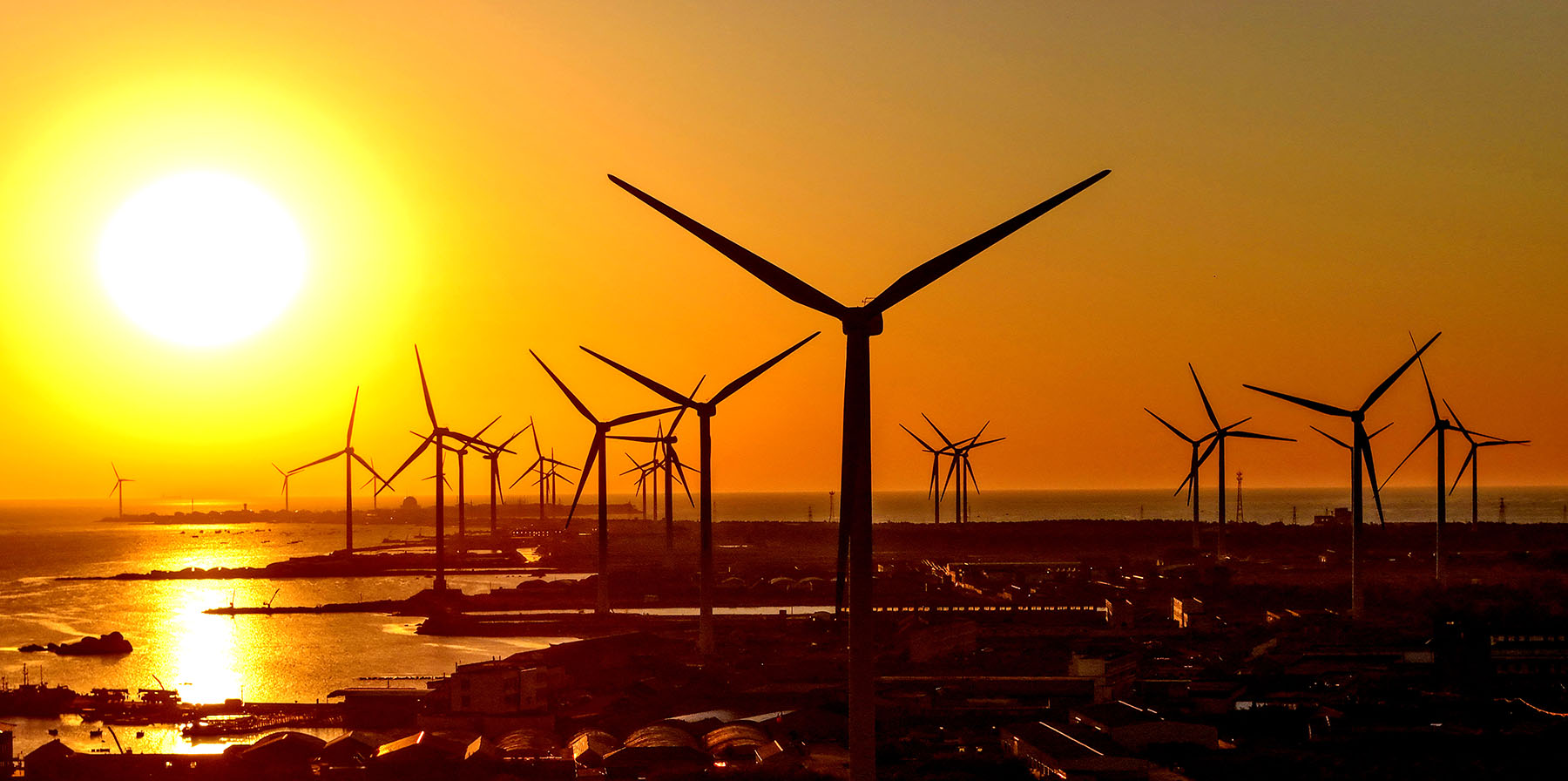
As China's green and low-carbon energy transition accelerates, bringing challenges such as the integration of fast-growing renewable power, industry experts are calling for the country to step up efforts in adopting targeted consumption strategies.
"During the 15th Five-Year Plan (2026-30) period, China's new energy consumption and utilization will face greater challenges, requiring differentiated and targeted measures to promote consumption," said Gan Mengying, a researcher at the State Grid Energy Research Institute.
The industry must comprehensively enhance the flexibility of all links including sources, grids, loads and storage systems, and perfect the regulatory resource supply system so as to absorb the massive influx of intermittent wind and solar power, and fundamentally optimize its power supply architecture, Gan said.
READ MORE: China's green transition applauded
This urgency is underscored by the record-breaking pace of renewable energy installations.
The National Energy Administration said China's newly installed solar and wind power capacity exceeded 430 million kilowatts in 2025, an increase of 22 percent year-on-year, hitting a record high.
This surge propelled the cumulative grid-connected capacity of wind and solar power to 1.84 billion kW, accounting for 47.3 percent of the country's total installed power capacity and surpassing thermal power for the first time.
According to plans by the NEA, by 2035, a new power system capable of accommodating a high share of new energy should be established, along with further improvements in new energy consumption and regulation systems.
While this achievement marks a massive leap forward for the nation's environmental goals, the rapid addition of clean energy has introduced varying regional grid stability issues, said a recent report by the State Grid Energy Research Institute.
A traditional "one-size-fits-all" approach to grid management is no longer viable given the drastically varied resource endowments and economic realities across different provinces, it said.
To tackle this, the report suggests that while coal power is transitioning towards a more regulated, supportive and strategic reserve power source, hydropower is being upgraded into a composite power source integrating flexible regulation, peak power supply and system support functions.
Nuclear power should transition toward a combination of base load guarantee and comprehensive utilization of nuclear energy, it said.
To prevent energy curtailment moving forward, the report said regional nuances must dictate grid upgrades.
For instance, some eastern provinces with high power demand only face minor curtailment during holidays or specific mid-day hours, requiring simple optimization of existing coal plants.
ALSO READ: China records historic green power shift
Conversely, western regions with an overwhelming penetration of renewables require massive investments in pumped-storage hydroelectricity, advanced electrochemical storage and expanded interprovincial power transmission corridors to maximize green energy use.
China is set to pour a record-high 5 trillion yuan ($722 billion) into its power grid over the next five years — a massive investment in new infrastructure designed to eliminate renewable energy bottlenecks and propel the nation toward its 2030 carbon peak goal.
By shifting traditional baseload behemoths like coal into highly responsive backup units and expanding the multigenerational capabilities of nuclear and hydro facilities, the power grid can effectively counterbalance the unpredictability of weather-dependent renewables, it said.
Contact the writers at zhengxin@chinadaily.com.cn
