

A dozen Hong Kong films, cutting across genres, themes and sensibilities, claimed the spotlight at the recently held 28th Far East Film Festival in Udine, Italy. Yasmine Chan reports.
For nearly three decades, the Far East Film Festival (FEFF) in Udine, Italy, has been one of Europe’s most passionate supporters of Asian cinema, with the pride of place reserved for talent from Hong Kong.
At the event’s 28th edition — staged from April 24 to May 2 — the focus was on contemporary Hong Kong films. There were 12 of them at the festival, with several making their European or international premieres. From established genre traditions to socially engaged stories, the Hong Kong titles reflected an industry balancing continuity and change, while drawing strong audience interest.
READ MORE: Reel life family matters
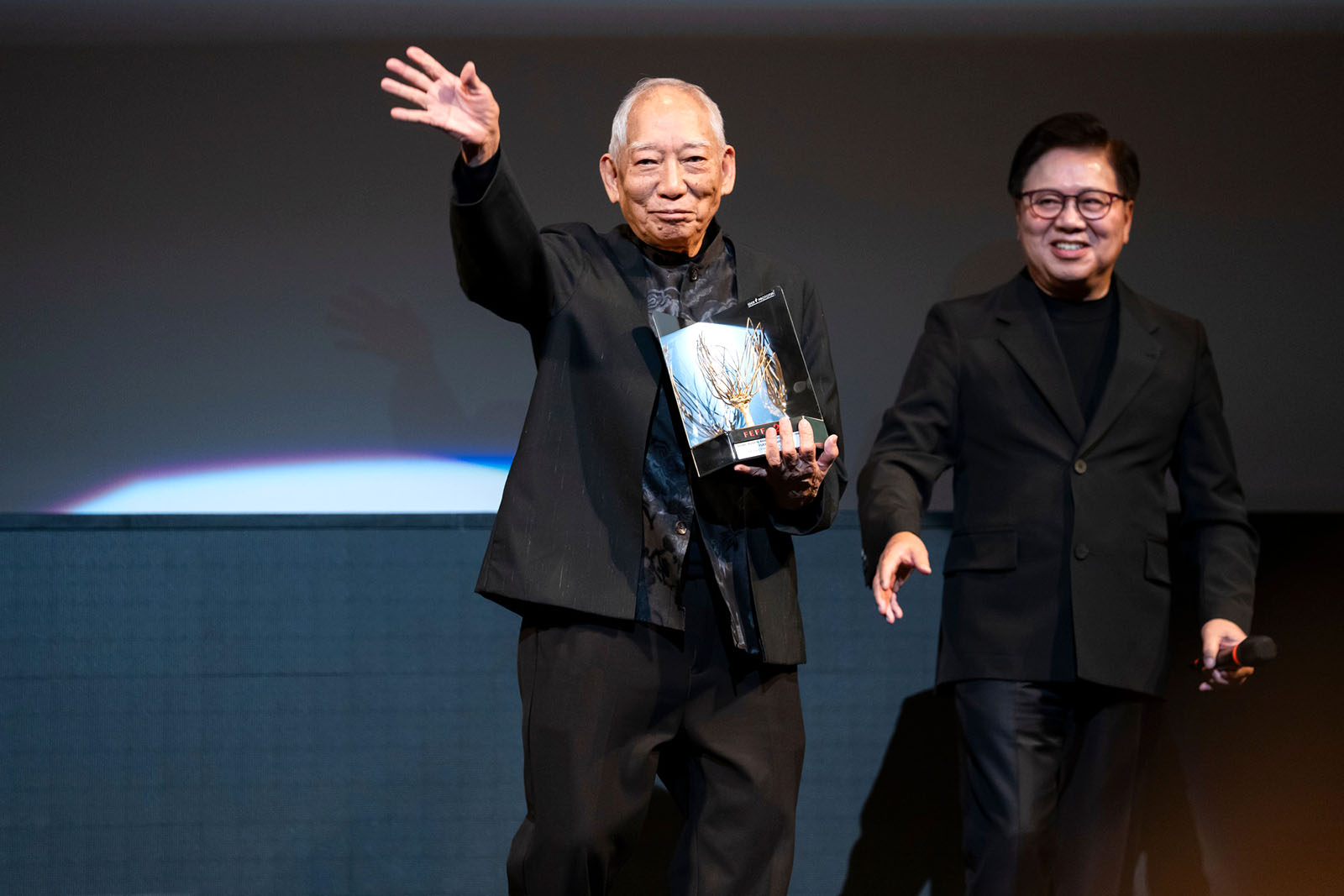
Several Hong Kong filmmakers traveled to Udine to present their work and take part in panel discussions. Among them was veteran action choreographer and film director Yuen Woo-ping, who received the Golden Mulberry Award for Lifetime Achievement. The award presentation opened with a montage tracing Yuen’s decades-long career.

FEFF senior adviser Tim Youngs contends that Yuen’s work embodies the spirit of Hong Kong action cinema. “Crazy kung fu comedy, flamboyant flying swordplay, incredible inventiveness in action cinema — this is the world of Hong Kong martial arts and fantasy films,” Youngs said. “And in the credits of the most extravagant films, again and again, the same name appears — Yuen Woo-ping.”
Accepting the honor, Yuen dedicated the award to his late father, saying that the latter was responsible for introducing him to kung fu as well as the movies. He added that he considered his “achievements” a “gift” from his father.
Yuen’s Blades of the Guardians: Wind Rises in the Desert (2026) closed the festival, drawing extended applause during and after its screening. It came in third in the audience voting and picked up the Crystal Mulberry Award. The 80-year-old director and choreographer emphasized the importance of nurturing younger talent. “Passing on the torch is very important to me,” he said. “It is something that we will continue to do for generations.”
Learning from the pros
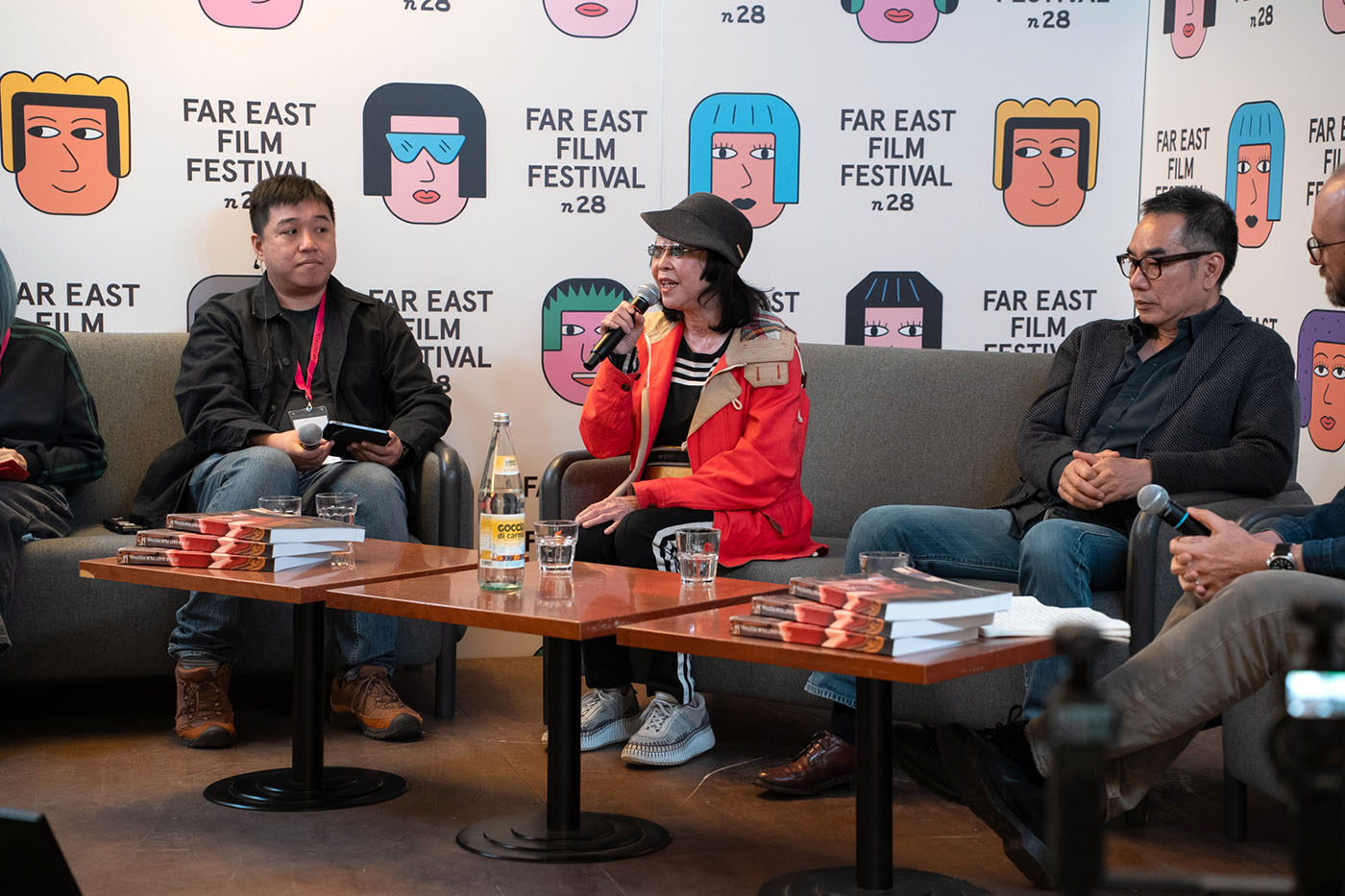
Questions of succession also surfaced elsewhere at the festival. Hong Kong New Wave director Mabel Cheung Yuen-ting served on the festival jury this year. She reflected on her role as a mentor of emerging filmmakers through initiatives such as the government-backed Directors’ Succession Scheme. Cheung also stressed the importance of technical growth alongside creative ambition. “Every film is a combination of art and craft. You need to understand how the camera and lighting work.”
Cheung pointed out that while technical skills can be acquired through experience, the most important quality for a director is the ability to think outside the box.
At the awards ceremony, Cheung and her fellow jurors presented the White Mulberry Award for Best First Feature to Hong Kong filmmakers Kwok Ka-hei and Jack Lee Chun-kit for Unidentified Murder (2025). Selected from 12 debut features in competition, the film stands out for its layered narrative structure and understated performances by its young cast. Cheung praised its inventive storytelling, describing its unfolding as similar to “peeling the layers of an onion”.

As diverse as it can get
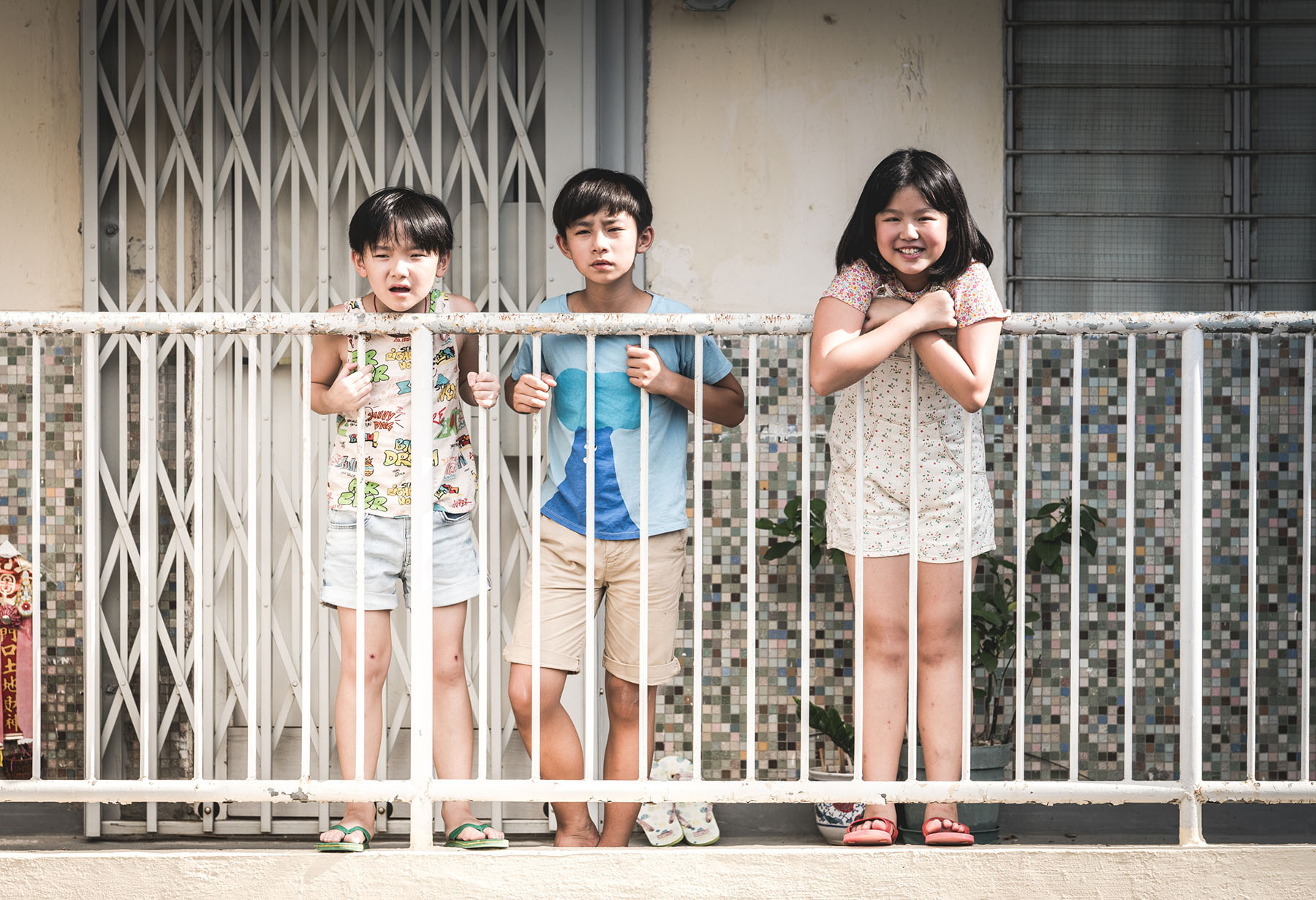
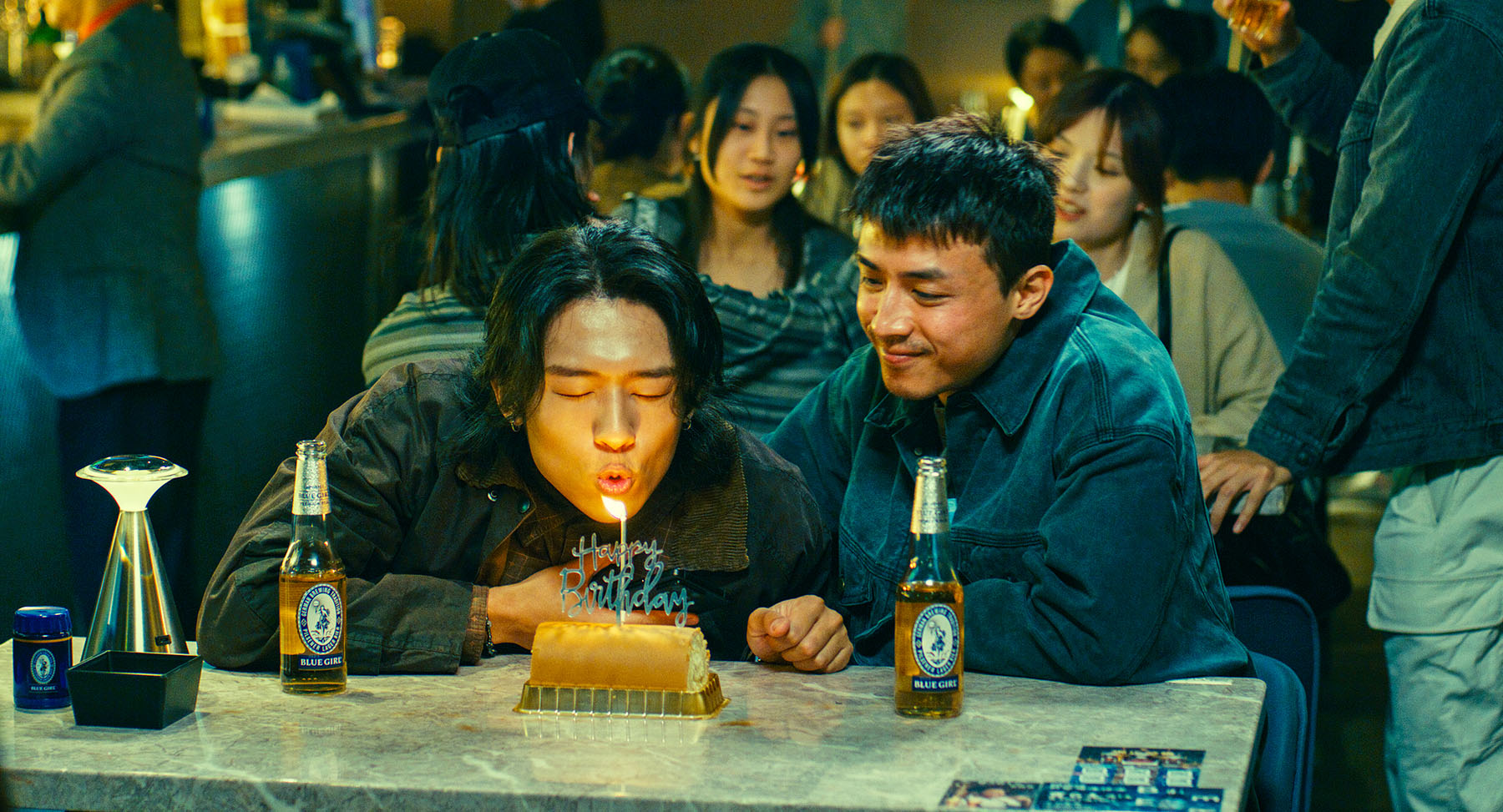
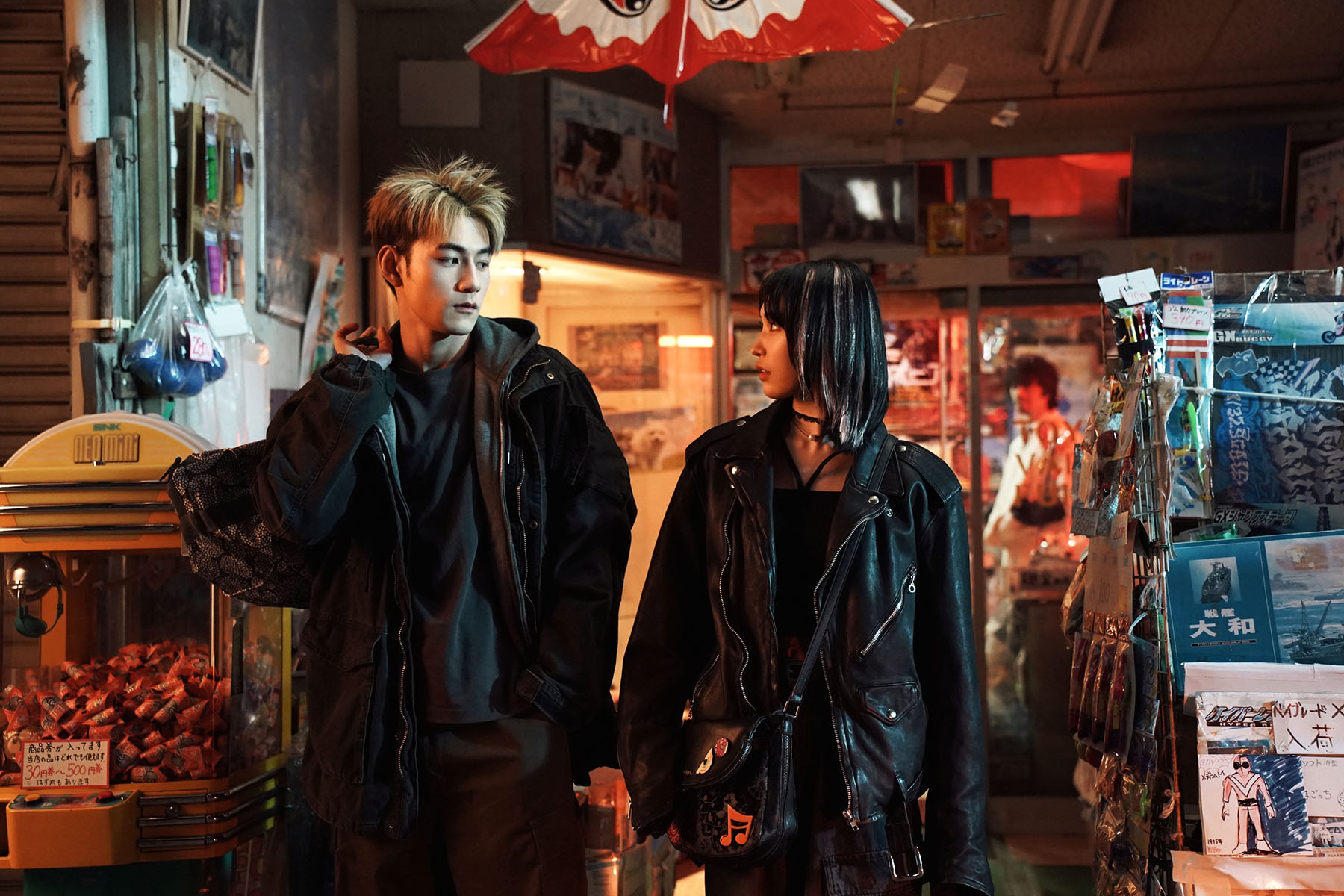
The 28th FEFF presented a diversity of Hong Kong filmmaking across genres and eras. The presence of Tommy Ng’s animated surreal fantasy Another World (2025) and Jack Ng Wai-lun’s nightlife-set Night King (2026) expanded the program’s tonal range, while action was represented by the Hong Kong-Japan co-production Road to Vendetta (2025), with director Albert Njo Kui-ying and producer Mani Man Pui-hing present in Udine. Philip Yung Tsz-kwong’s family screwball comedy The Snowball on a Sunny Day (2026) provided the light touch, while the 4K-restored version of Patrick Tam Ka-ming’s Love Massacre (1981) offered a chance to revisit a landmark of Hong Kong New Wave cinema, linking contemporary screenings with the city’s film history.
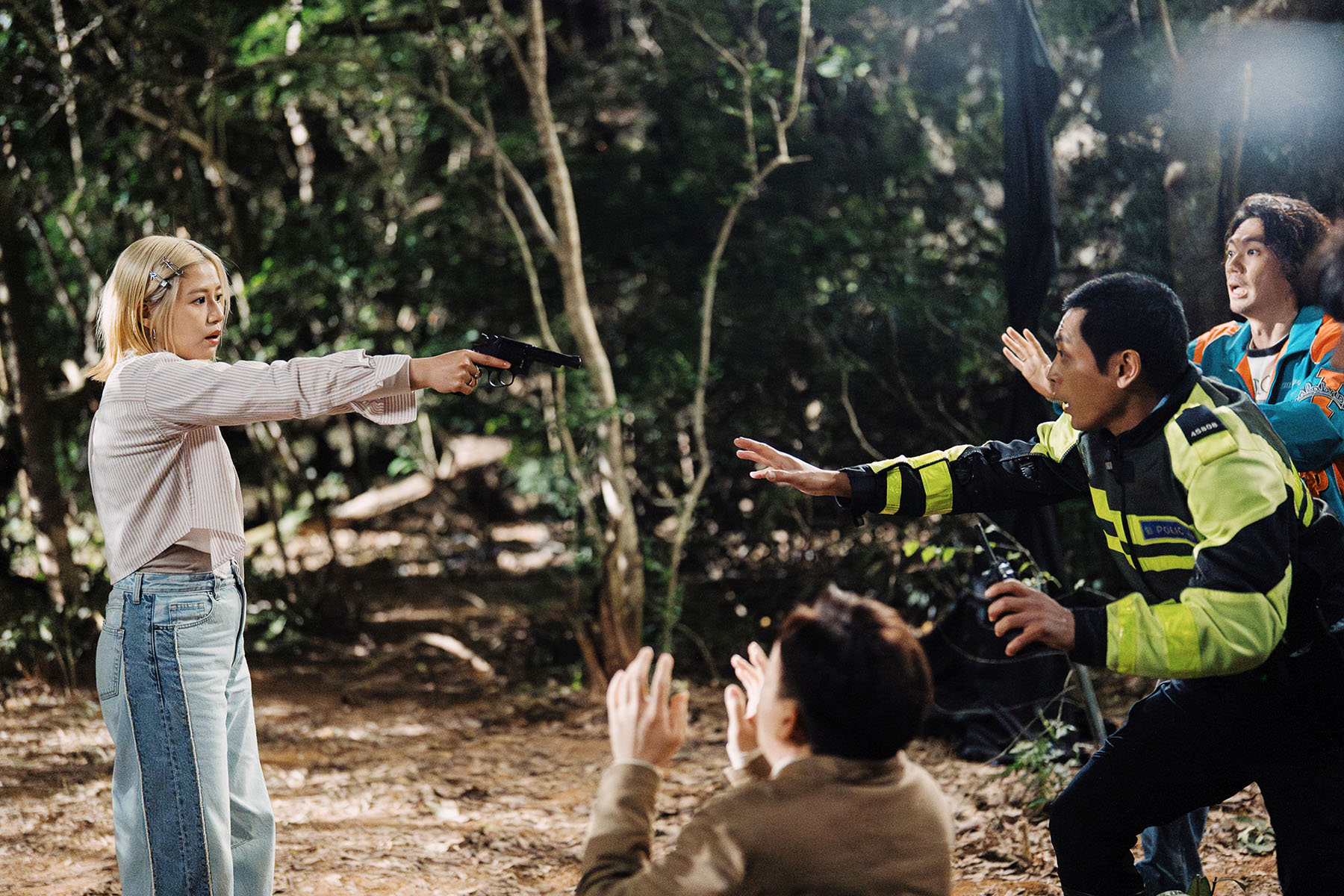
Social realism remained a strong thread throughout the Hong Kong program. Herman Yau Lai-to’s We’re Nothing at All (2026) received its international premiere, playing to a full house. Fans traveled from different parts of the world to attend the screening, thanks mainly to the presence of Mirror boy-band idol Anson Kong Ip-sang. Loosely inspired by a real-life bus explosion, the film examines the pressures that can push individuals toward extreme actions. Applause continued through the end credits, a response Yau said he found deeply moving. “I could feel that the applause was not out of politeness,” he said. “I was very surprised and very moved by the reaction.”
Visiting Udine for the first time, Kong thanked the local audience for their support. “I am so grateful to receive the love from the audience here, together with Herman,” he said.
Originally slated for a Christmas 2025 release in Hong Kong, the film’s domestic rollout was delayed owing to the sensitivity around the Tai Po fire tragedy in November. Since its eventual release in April 2026, We’re Nothing at All has gained momentum through word of mouth and secured distribution in the United Kingdom and Ireland. Reflecting on the project, Yau said his priority was simply to make the film happen, rather than focusing on commercial considerations.
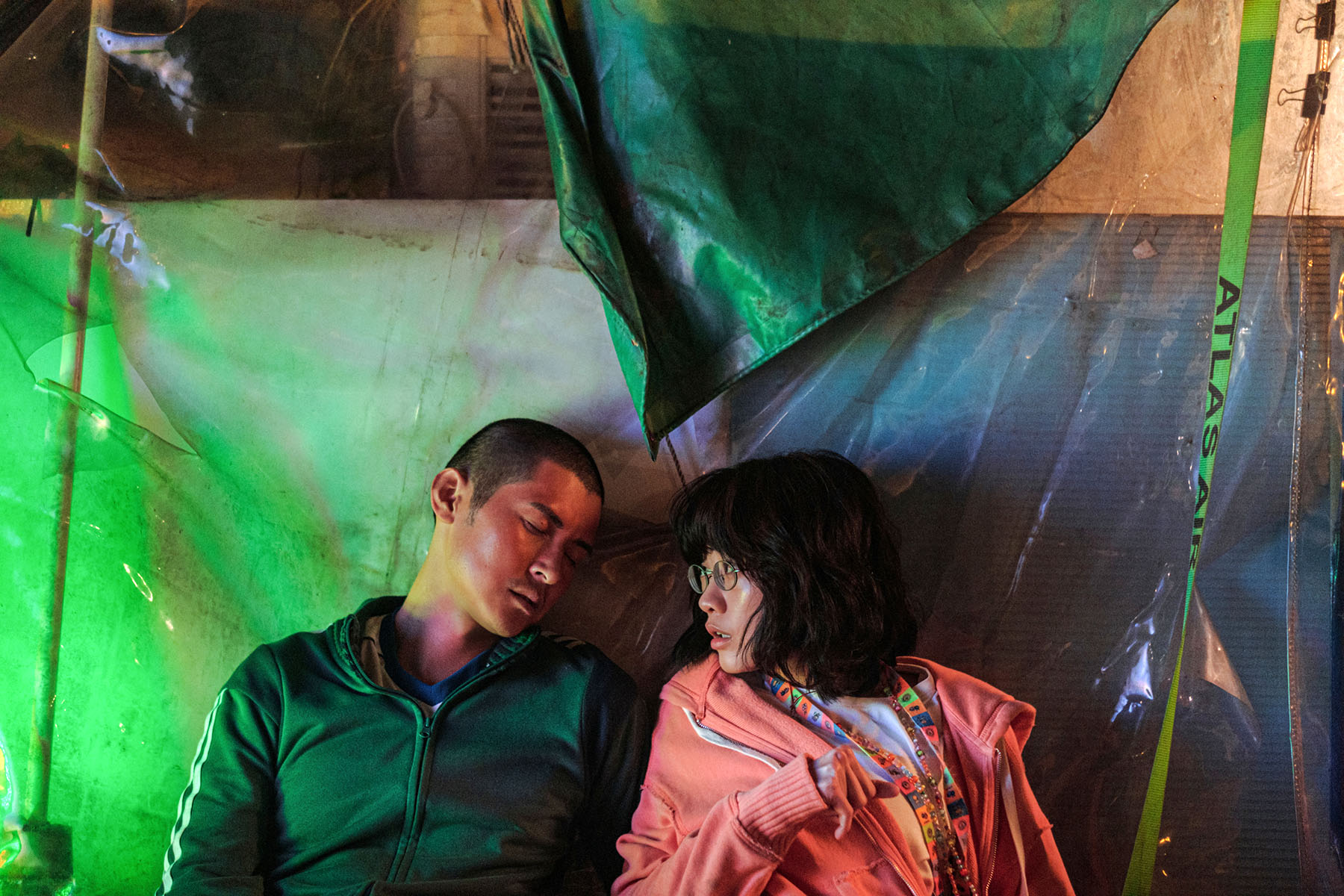
Another film examining lives on the margins is Tam Wai-ching’s Someone Like Me (2025), which stars Fish Liew Chi-yu as a young woman living with cerebral palsy. Liew’s performance earned her the Best Actress statue at the Hong Kong Film Awards in April.
The film explores ideas of independence and intimacy through the character’s relationship with a professional intimacy companion. Tam, who attended the European premiere in Udine, described the production as emotionally demanding. “The filming process was very challenging,” she said. “Watching the film again brought back many memories.”
Tam also recalled that casting Liew felt like a matter of timing and intuition. After a long search for an actress capable of meeting the role’s physical and emotional demands, Liew became available for only a brief window. Tam decided to take the risk, later realizing that Liew had researched the subject years earlier. “When filming wrapped, I felt the role was meant for her all along,” Tam said.
The festival also provided historical context through a 4K restoration of Jacob Cheung Chi-leung’s Cageman (1992), which screened out of competition to a sold-out audience. Revisiting the lives of people living in cage homes, the film served as a reminder that many of the social issues explored by contemporary Hong Kong filmmakers have deep roots and remain unresolved decades later.
Sci-fi mirrors society
If social realism anchored much of the program, genre filmmaking provided its counterpoint.
Patrick Leung Pak-kin’s Ciao UFO (2019/26) uses a reported UFO sighting as a narrative point of departure rather than as a science-fiction premise, grounding the film in the social uncertainty experienced in ’80s Hong Kong. “The ’80s are often described as a period full of energy and opportunity, but also marked by frequent clashes,” Leung said. Following its 2019 world premiere, the film became tied up in disagreements over release strategy and was only able to screen publicly earlier this year, after ownership clauses expired.
ALSO READ: The solitude of the all-seeing ginkgo
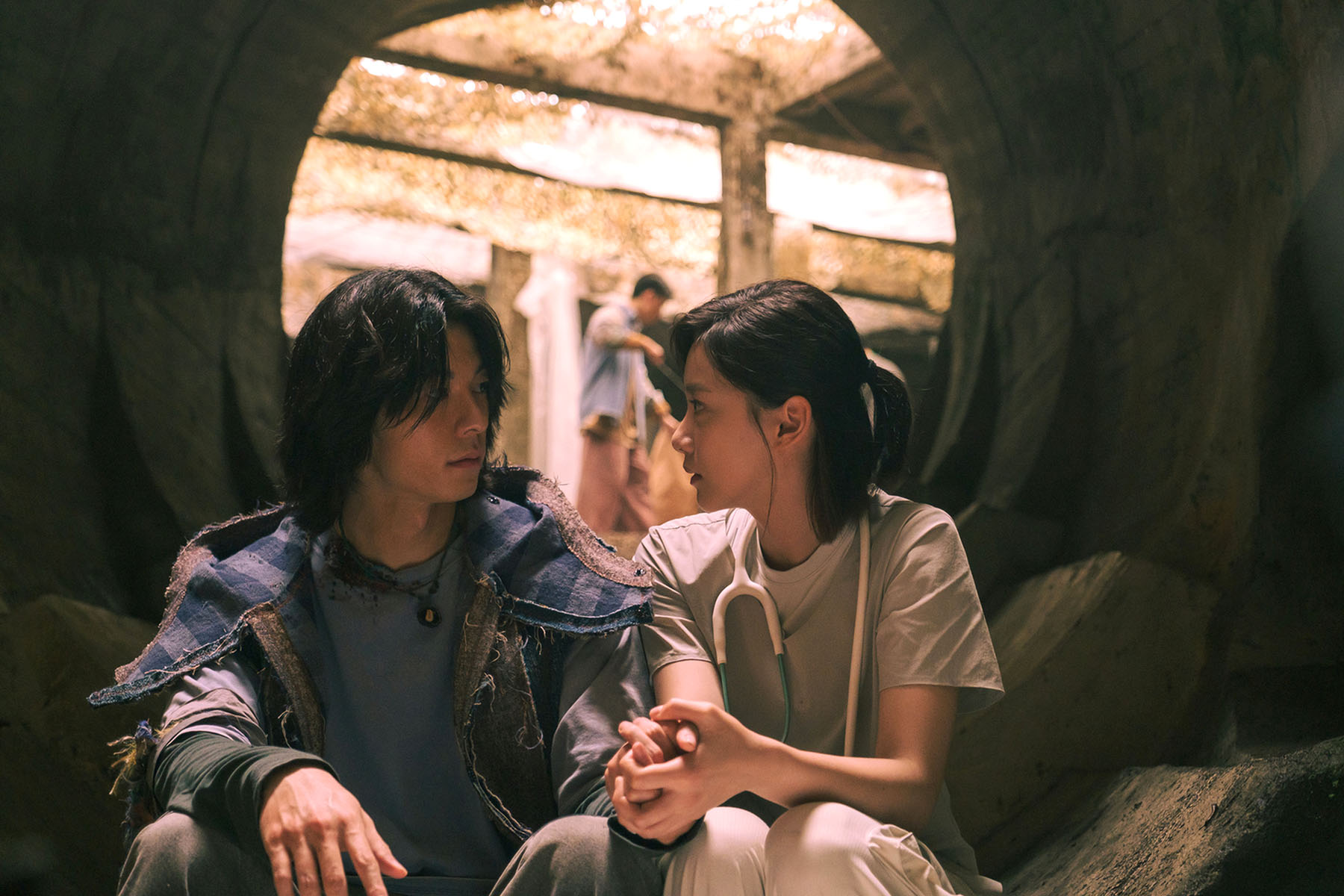
Elsewhere, director Kung Siu-ping’s feature debut, Measure in Love (2025), was screened. Produced by Sylvia Chang Ai-chia, the film is set in a fictional world divided by a gravity wall that alters the passage of time, combining science fiction with romance. Kung credited Chang with grounding the film’s speculative ideas. “She helped balance my more logical thinking by providing an emotional perspective,” he said.
Through screenings, awards and panel discussions, Hong Kong cinema maintained a strong presence throughout the 28th FEFF. Filmmakers engaged directly with audience members in Udine, with the festival, yet again, serving as a meeting point for Hong Kong films and an international viewing platform.
A freelance contributor to China Daily, Yasmine Chan attended the 2026 FEFF Campus initiative for emerging film industry talent.
