

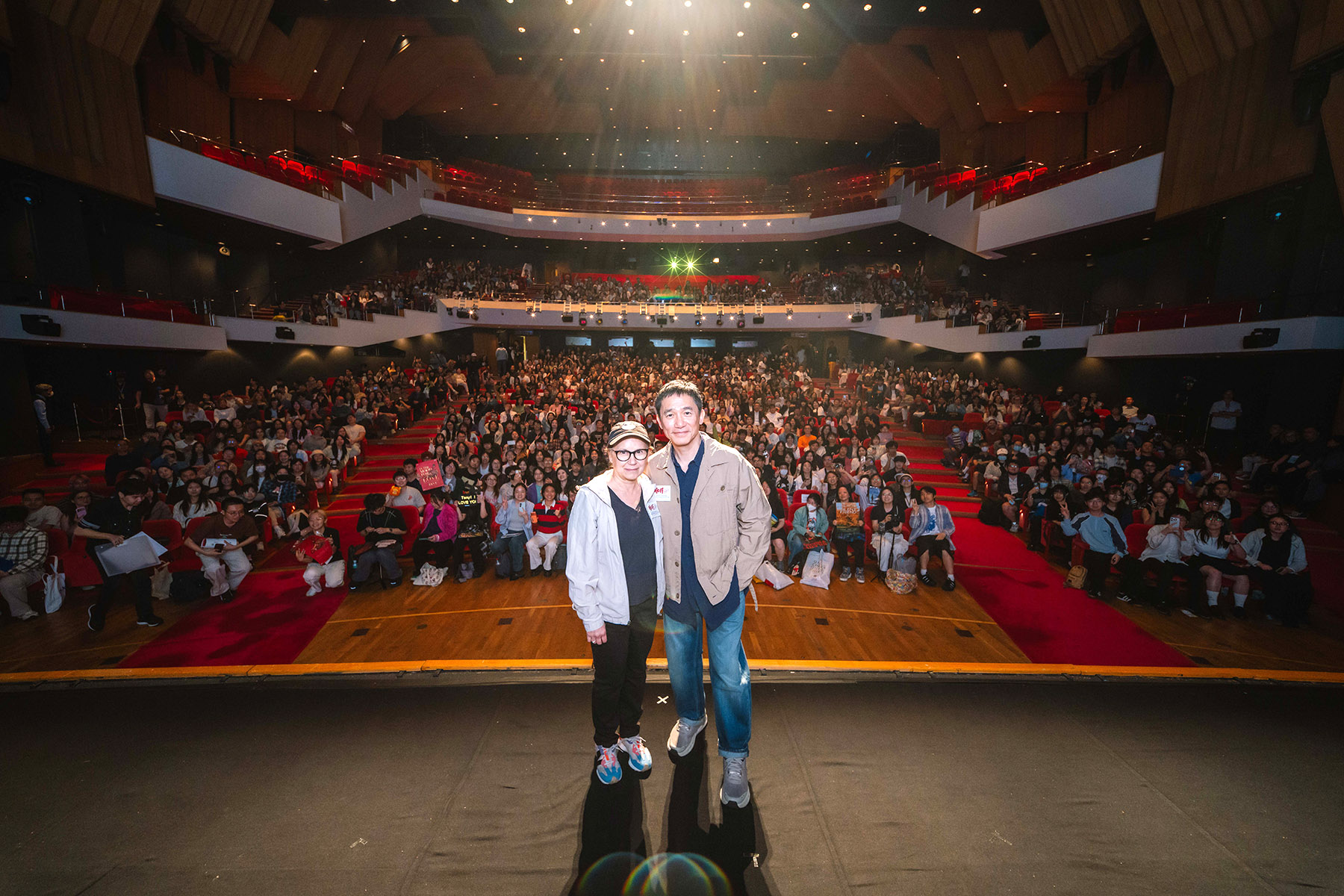
On one level, Ildikó Enyedi’s Silent Friend (2025) — a highlight of the just-concluded 50th Hong Kong International Film Festival — is a film about the journey of a woman of science. In one of its narrative strands, set in 1908, a German university enrolls its first female student, Grete (Luna Wedler), but not before the interview board is scandalized by her knowledge of the reproductive systems of plants. In the second, set in 1972, the tables are turned, somewhat, as Gundula (Marlene Burow), a researcher at the same university, explores the possibility of a shared language between nature and humans by pinning a clunky mapping device to a potted geranium. She is easily the most spunky, purposeful and sexually liberated person in a room full of male fellow students. Set in the same, but derelict, campus during the pandemic in 2020, the third track finds a stranded visiting neuroscientist from Hong Kong, Tony (Tony Leung), taking lessons on how to find “the proof of what plants can sense” via video call from a widely followed, TED-talks-delivering female botanist (Léa Seydoux).
READ MORE: Starry nights
But like the ancient, and enormous, Ginkgo biloba that stands witness to these stories, the presence of Tony — the character and the actor — forms Silent Friend’s Zen-like unshakeable core. Enyedi wrote the screenplay with Leung in mind and it is difficult to imagine another actor embodying the spirit of a tree that has witnessed, and absorbed, the imprints of time over centuries quite as convincingly. Playing a solitary outsider left largely to his own devices in a deserted university town 9,000 kilometers away from home as a result of a global calamity, Tony is mostly silent but never brooding, acutely curious but not overtly excited, and yet exuding a quiet vibe of warmth and positivity without having to do or say much. When he manages to turn a hostile caretaker — played memorably by Sylvester Groth — to his side, managing to send the message across without having to say it in so many words, no one is surprised.
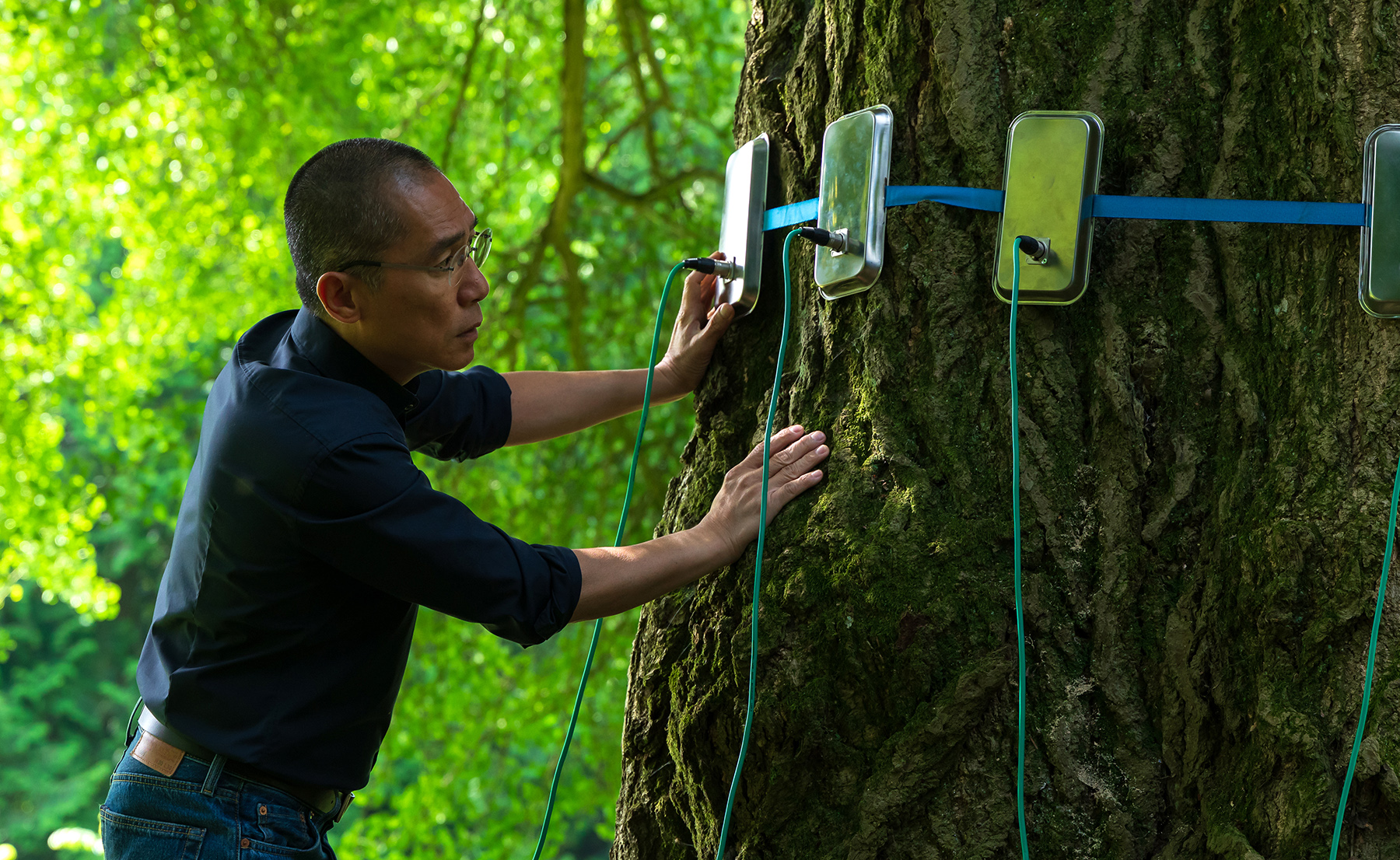
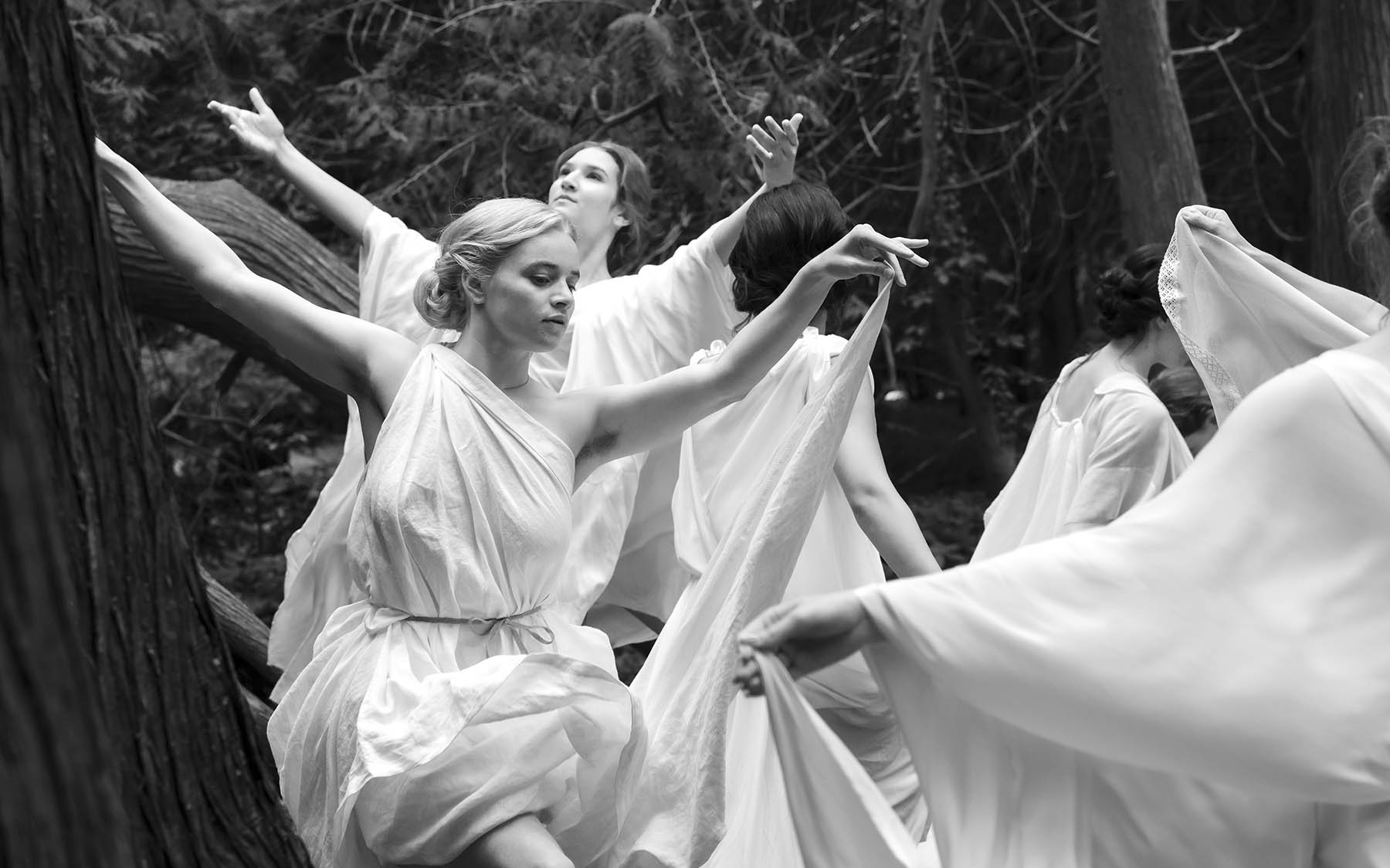
Silent Friend is a lush, deeply sensual, and perhaps even an erotic film. Using time-lapse photography and footage of electro-chemical monitoring, the director creates a gorgeously tactile world in which plants seem to experience the motions of desire, arousal, flowering, pollination and fruition. By contrast, there is no physical intimacy between the human characters, though Grete is shown discovering the resonances between the forms, contours and textures of flowering plants and those of her own young body when she examines both through the lens of photography.
The film brings to mind Richard Powers’ multiaward-winning 2018 novel, The Overstory, comprising nine interwoven stories of people intimately connected to trees. But unlike Powers, whose plot reads too schematic, Enyedi does not attempt to tie the three strands of her film together into a neat resolution.
ALSO READ: Lights, camera, milestone!
Silent Friend is not for binge-scrollers. It is slow, with some overly long pauses that might be seen as a tad self-indulgent. Also, humanity’s deep and enduring connection with nature is hardly an original subject. Still, the film stands out for its stunning visuals — cinematography by Gergely Pálos — and its ability to draw attention to important, and complex, ideas about the inter-relationship between man and nature without overwhelming viewers with ideas from botany or neuroscience.
