

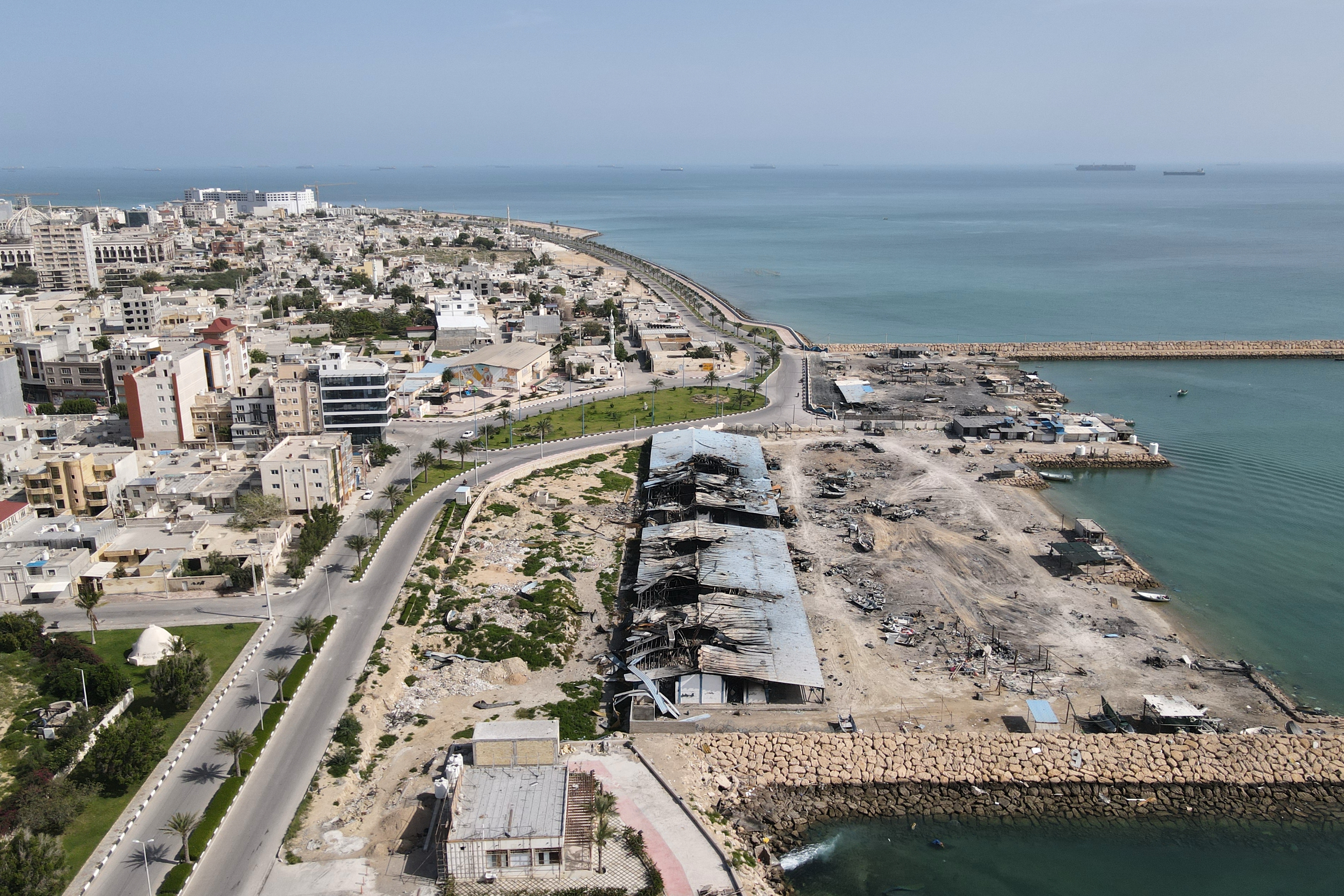
WASHINGTON/TEHRAN/KUWAIT CITY - US forces carried out "self-defense" strikes on Iran's Qeshm Island in response to "attempted attacks by Iran across the Middle East" on Tuesday, US Central Command (CENTCOM) said.
The US military struck an Iranian military ground control station on Qeshm Island near the Strait of Hormuz, the command said on X, adding that no US personnel were harmed.
"Iran launched several ballistic missiles toward regional neighbors; however, all failed to hit their intended targets," the command said on X.
"Two Iranian missiles fired at Kuwait fell short or broke apart en route, and three missiles launched at Bahrain were immediately intercepted by US and Bahrain air defense forces," it said.
ALSO READ: Iran says it fires missile at ship linked to US, Israel
Iran's Islamic Revolution Guard Corps (IRGC) said it hit the US Fifth Fleet headquarters in Bahrain with missiles and drones on Tuesday and fired at least 10 ballistic missiles at Kuwait on Tuesday.
The command swiftly denied the claims, stating that both waves of attacks have failed to impact the intended targets.
The IRGC said early Wednesday it has fired missiles and drones at a vessel linked to the United States and Israel and two US bases in the region in response to attacks by the United States on an Iranian oil tanker and southern Qeshm Island.
In a statement released by its official outlet Sepah News, the IRGC said that the US military hit an Iranian oil tanker near the Strait of Hormuz on Tuesday night and damaged its engine room. The United States also struck a communications tower belonging to the IRGC on southern Qeshm Island, it said.
In response, the IRGC said that its naval forces struck a vessel identified as Panaya, which it described as being linked to the United States and Israel, with missiles. The IRGC also said its aerospace force launched missile and drone attacks against a US air base and the headquarters of the US Navy's Fifth Fleet in the region.
Kuwait suspends airport flight operations
Also on Wednesday, Kuwait suspended flight operations at Kuwait International Airport after drones and missiles struck the airport's Terminal 1, causing significant damage to facilities and injuring several people, Kuwaiti authorities said.
The Directorate General of Civil Aviation said in a statement carried by the state Kuwait News Agency (KUNA) that an emergency plan had been activated following the attack, which authorities attributed to Iran.
All flights were suspended and diverted to alternative airports until necessary procedures are completed and Kuwait International Airport is confirmed ready to resume operations.
No further details on the number of injured people or the extent of the damage were immediately available.
The suspension came hours after the Kuwaiti military said its air defense systems were responding to missile and drone attacks targeting the country.
Rubio: Peace deal within reach
The attacks came as US Secretary of State Marco Rubio said Tuesday that a peace deal between Washington and Tehran is within reach and that Iran has agreed to negotiate aspects of its nuclear program.
Rubio made the remarks during a hearing before the US Senate Foreign Relations Committee.
"Now we are in talks," he said. "There is the prospect before us, which could happen today, it could happen tomorrow, it could happen next week, that for the first time, certainly in my memory, they have agreed to negotiate aspects of their nuclear program."
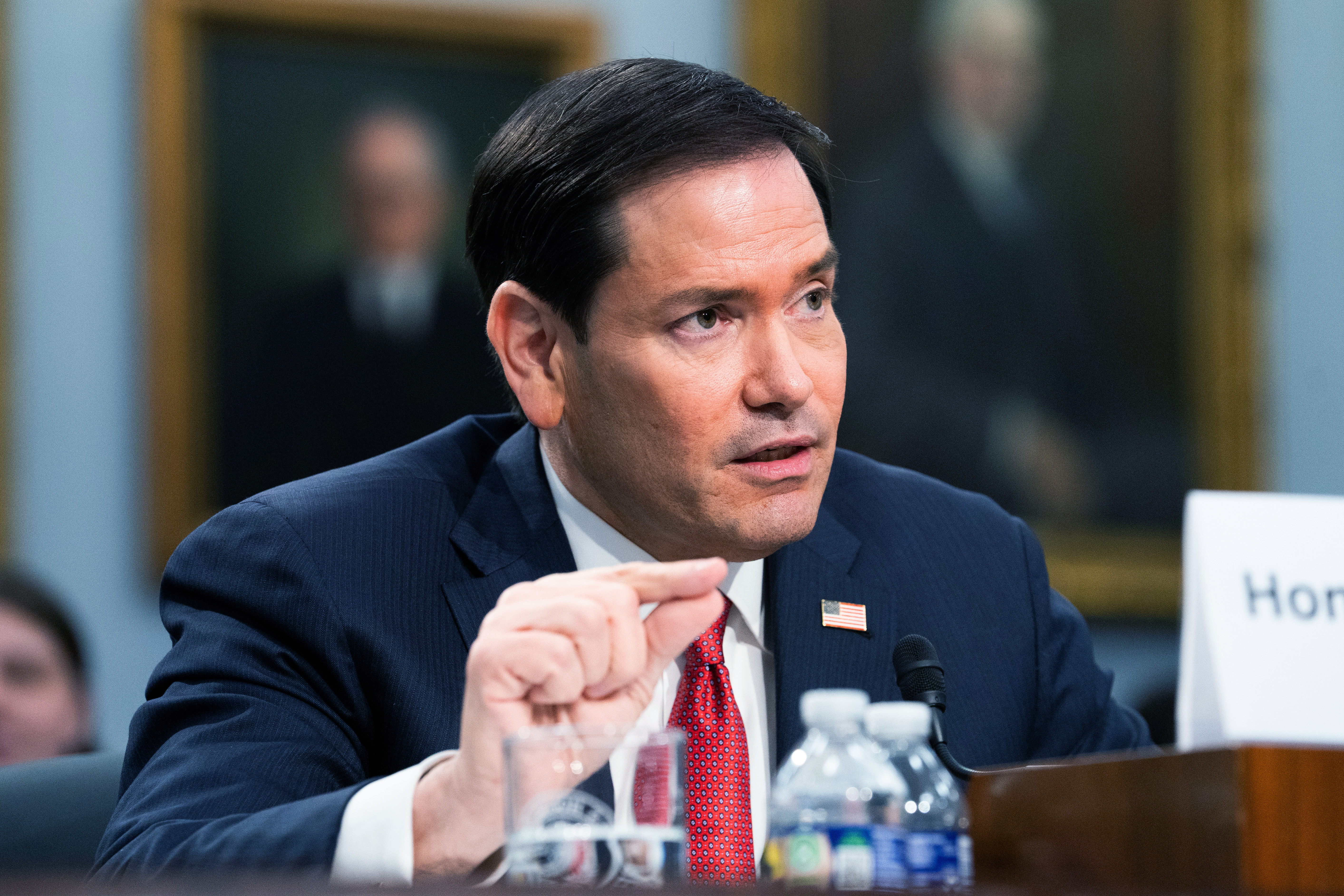
He said that a peace agreement as the first phase of the talks could be reached soon, which would include Iran reopening the Strait of Hormuz without imposing tolls, removing naval mines and ceasing attacks on ships.
He repeated US President Donald Trump's position that Iran would not receive sanctions relief in exchange for reopening the strait.
Phase two would require Iran to commit to disposing of its stockpile of highly enriched uranium and to negotiate "severe and long-term limitations, and or cancellation of enrichment activity," Rubio said, admitting it could take months.
ALSO READ: US, Iran exchange strikes amid ongoing peace efforts
Rubio's comments, however, appeared to contrast with reports from Iranian and US media suggesting that negotiations remain deadlocked. A report by The Guardian on Tuesday said Tehran had announced it was suspending peace negotiations and moving to fully close the Strait of Hormuz.
Negotiations between Iran and the United States on a memorandum of understanding aimed at ending the conflict have stalled, Iran's semi-official Fars news agency reported Tuesday.
Iranian Foreign Ministry spokesman Esmaeil Baghaei said at a weekly press conference on Monday that "new and contradictory" US demands had prolonged negotiations. Iranian media reported Tuesday that Tehran was still reviewing the latest US proposal.
US forces disable tanker
Also on Tuesday, US forces disabled an unladen oil tanker that was trying to sail toward Iran's Kharg Island, CENTCOM said.
A US warplane fired a Hellfire missile into the engine room of the Botswana-flagged tanker, the M/T Lexie, as it transited international waters toward the major Iranian oil hub in the Persian Gulf, the command said in a statement on X.
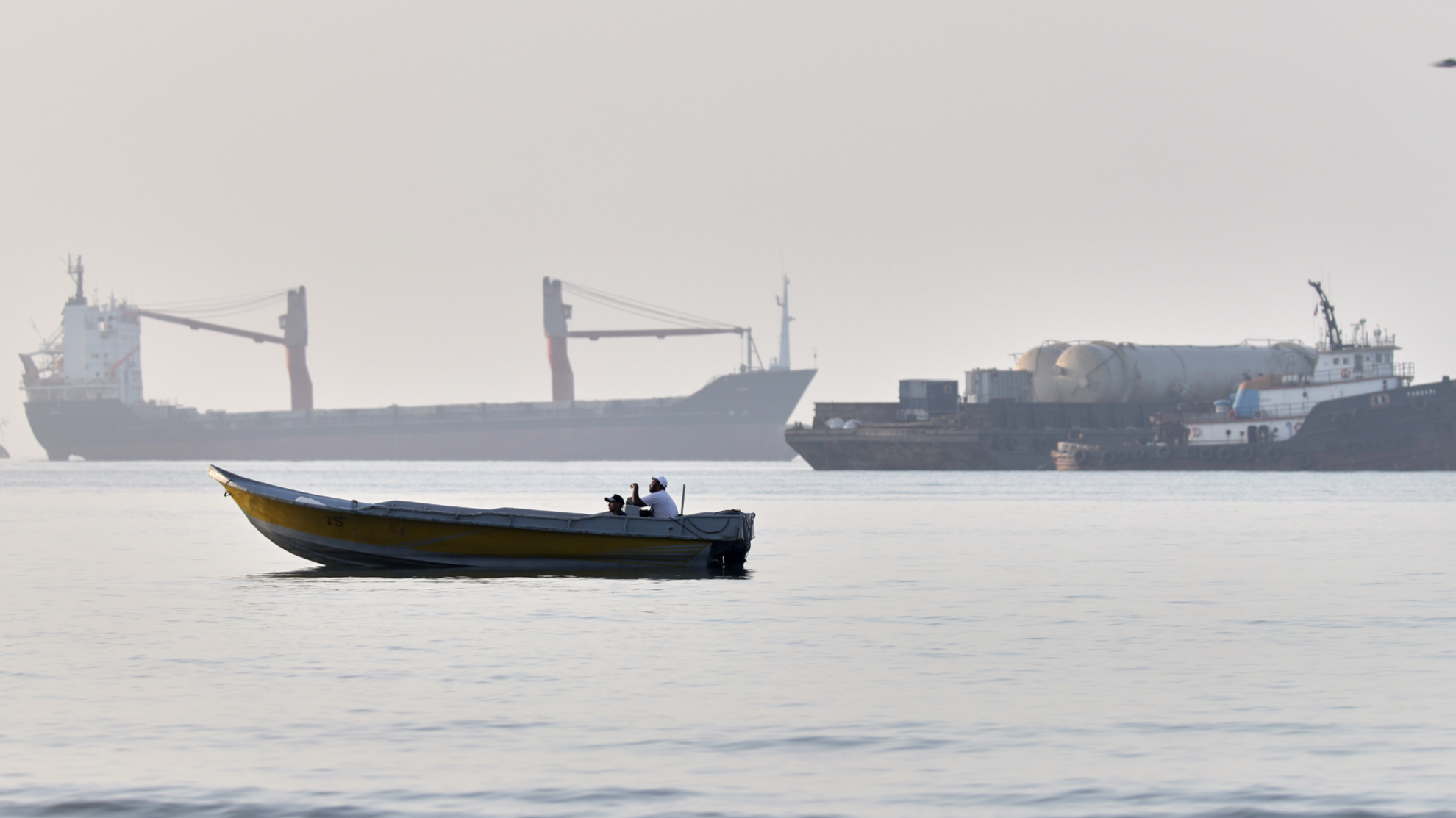
"The ship's crew ignored repeated warnings, failing to comply with directions from US forces multiple times over a 24-hour period," said the statement.
Radio communications recordings obtained exclusively by Xinhua from a crew member aboard a stranded commercial vessel near the Strait of Hormuz confirmed the attack. It was not immediately clear whether the strike caused any casualties or injuries.
Iran's late supreme leader to be buried in Mashhad
Iran's former Supreme Leader Ali Khamenei, killed in a US-Israeli attack on Feb 28, will be buried in the northeastern city of Mashhad, a senior municipal official said here Tuesday.
Mohammad-Amin Tavakkolizadeh, Tehran mayor's deputy for social and cultural affairs, said Khamenei will be buried at the holy shrine of Imam Reza in accordance with his will and family's recommendation, according to the semi-official Fars news agency.
READ MORE: Iran: Hormuz curbs remain despite Trump claim of lifted blockade
Three days of farewell ceremonies and a 24-hour funeral procession are planned in Tehran, possibly at first Supreme Leader of Iran Imam Khomeini's Grand Mosalla or his mausoleum. The body will then be transferred to Qom and Mashhad for similar ceremonies, Tavakkolizadeh said.
The ceremonies are scheduled to be held starting from the second half of June. Up to 20 million people may participate in the Tehran events, he said.
Mojtaba Khamenei, the late leader's son, was selected as Iran's new supreme leader in early March.
