

Guterres calls for restoring passage via waterway amid diplomatic impasse
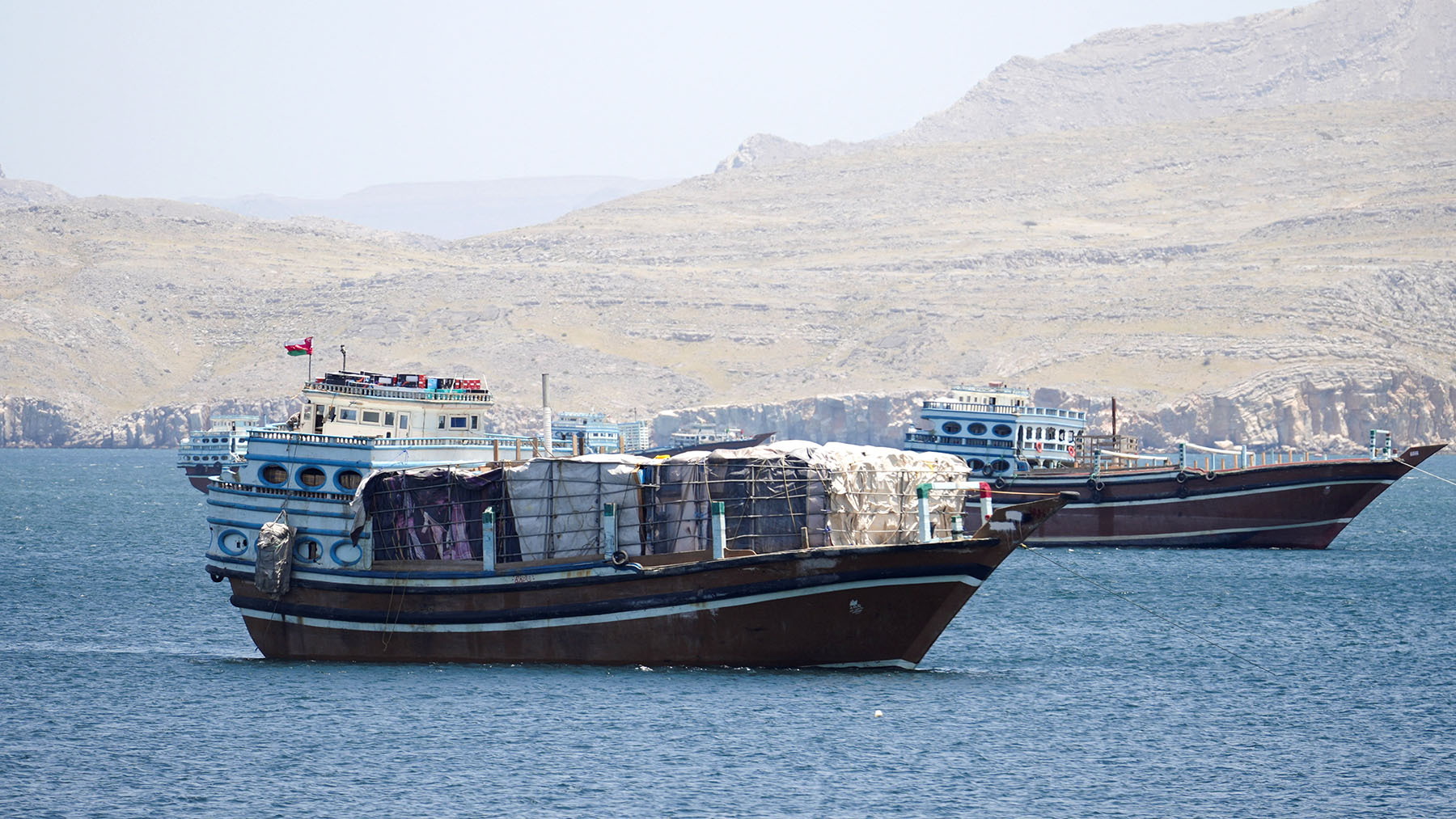
United Nations Secretary-General Antonio Guterres has called for the reopening of the Strait of Hormuz, saying that restoring safe, unimpeded passage through the waterway is "an economic and humanitarian imperative".
"Navigational rights and freedoms through the Strait of Hormuz must be respected," said Guterres in a post on X on Tuesday.
"I appeal to the parties: Open the strait. Let ships pass. No tolls. No discrimination. Let trade resume. Let the global economy breathe," he added.
Guterres also raised concerns that "the number of nuclear warheads is on the rise" for the first time in decades.
READ MORE: Report: Trump planning extended blockade of Iran
"A nuclear war cannot be won and must not be fought. It's time to recommit to disarmament and nonproliferation as the only true path to peace," he said.
The appeal came as Iran's new proposal to the US to reopen the strait failed to produce any breakthrough in the diplomatic impasse.
On Monday, Iranian Foreign Minister Abbas Araghchi discussed the proposal with regional counterparts, but deferred talks with Washington on Tehran's nuclear program for later, an Al Jazeera report said.
According to US media reports and officials familiar with the matter, the proposal, conveyed through Pakistani mediators, sets aside discussion on Iran's nuclear program until the conflict with the United States and Israel has ended, and the deadlock over shipping through the Strait of Hormuz is resolved.
However, the latest proposal has drawn a "cold response" from Washington. US President Donald Trump discussed the proposal with his national security team on Monday, the White House confirmed.
Trump was unhappy with the proposal because it postpones discussion on Iran's nuclear program, an issue Washington insists must be addressed at the outset, Reuters reported, citing a US official familiar with the matter.
Washington has repeatedly demanded that Tehran give up its stockpile of enriched uranium and suspend uranium enrichment as part of any broader settlement.
The same day, Araghchi met with Russian President Vladimir Putin in St. Petersburg and said he was "pleased to engage with Russia at the highest level as the region is in major flux".
Araghchi said the recent events "have evidenced the depth and strength of our strategic partnership" and that they are grateful for the solidarity and welcome Russia's support for diplomacy.
Iranian Defense Ministry spokesman Reza Talaei-Nik said the US can no longer "dictate" what other countries should do, Al Jazeera reported, citing Iranian state TV.
'Irrational demands'
Talaei-Nik also said the US would "accept that it must abandon its illegal and irrational demands".
During the UN Security Council meeting initiated by Bahrain, countries called for de-escalation and an end to blocking Iranian ports.
Discussing the "Safety and Protection of Waterways in the Maritime Domain" on Monday, International Maritime Organization Secretary-General Arsenio Dominguez said the geopolitical conflict around the Strait of Hormuz "is having a very negative effect on seafarers and shipping, and on the global population and economy".
ALSO READ: Envoy: Iran provides exemptions for some countries in Hormuz transit fees
Meanwhile, the Gulf Cooperation Council convened an exceptional summit in Jeddah on Tuesday, according to Kuwait's state news agency, KUNA. It also said Kuwait's Crown Prince Sheikh Sabah Al-Khaled Al-Sabah would attend the meeting.
Qatar on Tuesday cautioned against the possibility of a "frozen conflict" in the Gulf.
"We do not want to see a return to hostilities in the region anytime soon, we do not want to see a frozen conflict that ends up being thawed every time there is a political reason," Qatar's Foreign Ministry spokesman Majed Al-Ansari said at a news conference.
Agencies and Xinhua contributed to this story.
Contact the writers at jan@chinadailyapac.com
