

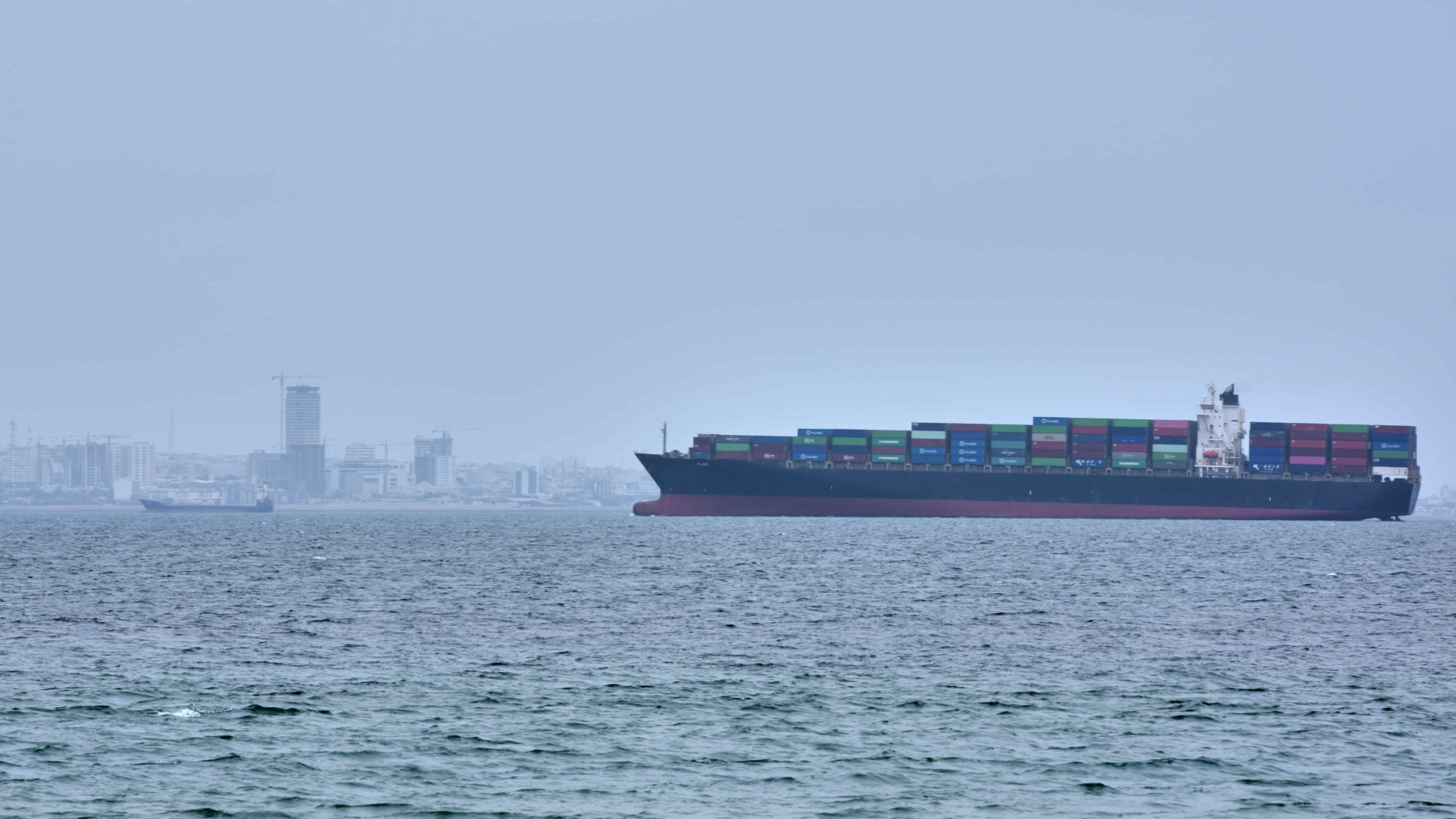
WASHINGTON – US President Donald Trump has instructed his administration to prepare for an extended blockade of Iran as the ceasefire remains in place amid stalled talks, The Wall Street Journal reported on Tuesday, citing US officials.
In recent meetings, including a Monday discussion with top security officials in the White House, Trump opted to continue squeezing Iran's economy and oil exports by preventing shipping to and from its ports, said the report.
The president assessed that the blockade, "a high-risk bid" to compel Tehran's nuclear capitulation, carries less risk than other options -- resume bombing or walk away from the conflict, the officials were quoted as saying.
They told the newspaper that Trump isn't currently willing to drop his demand that Iran, at a minimum, vows to suspend its nuclear enrichment for 20 years and accepts restrictions after that point.
Trump reportedly told aides that Iran's three-step offer to reopen the Strait of Hormuz and leave nuclear talks for later negotiations proved Tehran wasn't negotiating in good faith.
White House spokeswoman Anna Kelly said the US has met its military objectives in the war with Iran and that "thanks to the successful blockade of Iranian ports, the United States has maximum leverage over the regime" during negotiations to prevent Tehran from acquiring a nuclear weapon.
Yet extending the blockade also prolongs a conflict that has driven up gas prices, hurt Trump's poll numbers and further darkened Republicans' prospects in the midterm elections, said the report. It has also caused the lowest number of transits through the Strait of Hormuz since the US and Israel launched massive attacks on Iran on Feb 28.
The lack of a clear, decisive pathway has led some US officials to conclude that the eight-week conflict will likely end with neither a nuclear deal nor a resumption of the war, a sentiment first reported by US online media outlet Axios.
ALSO READ: China: Hormuz blockade due to illegal US-Israeli actions against Iran
The same day, Trump also claimed on social media that Iran wants the US to open the Strait of Hormuz. In a social media post, he claimed that Iran has said it was in a "state of collapse." However, it remained unclear how Trump got the messages from Iran.
Meanwhile, US Secretary of Energy Chris Wright said on Tuesday that there is no need to remove all mines allegedly placed in the Strait of Hormuz for ships to pass.
"You just need a pathway for ships to be moved in and out, I think that can happen quickly," Wright reportedly told Bloomberg.
Trump is reportedly not satisfied with Iran's latest peace proposal, which seeks to reopen the Strait of Hormuz and end the US naval blockade of Iran's ports, while leaving its nuclear program for later negotiations, according to US media, citing several White House officials.
Trump insisted last week that any peace deal with Iran would be made on US terms and his timeline, claiming there is "no time frame" for ending the US-Israeli war with Iran and "no time pressure" on either the extended ceasefire or stalled talks.
GCC leaders reject Iran's measures
Gulf Cooperation Council (GCC) Secretary General Jasem Mohamed Albudaiwi said on Tuesday that GCC states have rejected Iran's illegal measures to close the Strait of Hormuz and obstruct navigation through the waterway.
The statement was made at the 19th Consultative Meeting of GCC leaders held in Saudi Arabia's port city of Jeddah on Tuesday.
Albudaiwi said the leaders also rejected any measures that would negatively affect navigation through the strait, including the imposition of fees on ships passing through it.
The leaders stressed the need to restore security and freedom of navigation in the strait and return conditions there to what they were before Feb. 28, he added.
Albudaiwi said the GCC leaders directed the GCC General Secretariat to expedite the completion of requirements for all joint GCC projects, including transport and logistics services, and to accelerate the implementation of the GCC railway project.
He said the leaders also highlighted the need to take steps toward establishing an oil and gas pipeline project and a water interconnection project. They also called for moving forward with studies on establishing areas for GCC strategic reserves, he said.
ALSO READ: Report: Israel sets mid-May deadline for permanent Lebanon ceasefire deal
Albudaiwi added that the leaders underlined the importance of intensifying military integration among member states and accelerating the completion of an early warning system against ballistic missiles.
He said the meeting discussed the current regional situation, particularly the regional escalation and Iranian attacks against GCC countries and Jordan.
The leaders stressed the need to establish a diplomatic path to end the crisis and pave the way for agreements and understandings that address GCC states' concerns and enhance long-term security and stability.
On Feb 28, Israel and the United States launched joint attacks on Tehran and other Iranian cities, killing Iran's then Supreme Leader Ali Khamenei, senior commanders, and civilians. Iran responded with waves of missile and drone strikes targeting Israel and US interests in the Middle East, and tightened control over the Strait of Hormuz.
After a ceasefire was reached on April 8, talks between the Iranian and US delegations in Pakistan's Islamabad failed to yield an agreement. The United States later imposed its own blockade on the waterway.
