

Circular economy spans from residential communities to industrial sectors
Editor's note: As protection of the planet's flora, fauna and resources becomes increasingly important, China Daily is publishing a series of stories to illustrate the country's commitment to safeguarding the natural world.
Seven years after becoming the first provincial-level region in China to mandate household waste sorting, Shanghai is transitioning from simple disposal to a high-tech circular economy. On March 30, the fourth International Day of Zero Waste, municipal authorities released the city's zero-waste index, showing a score of 86.96 out of 100, a metric tracking Shanghai's progress across seven categories of solid waste.
While the number itself serves as an internal benchmark, the underlying data reveals a significant shift in how the megacity of 25 million manages its output. Since the 2019 implementation of waste management regulations, Shanghai's household recycling rate has climbed from 35 percent to 45.3 percent, supported by a provincial-level legislative framework established in June 2024.
READ MORE: Striking the right note to advance climate change action
Categories covered in the zero-waste index include household waste, industrial solid waste, hazardous waste, construction waste, medical waste, agricultural waste and municipal sludge. The index focuses on core dimensions of prioritizing reduction, maximizing resource utilization, ensuring harmless treatment, and modernizing governance.
Experts said that the numerical increase is not an isolated advancement, but a result of optimizing industrial structures, upgrading technology and fine-tuning grassroots governance, combined with the cultivation of green habits among residents.
Composting
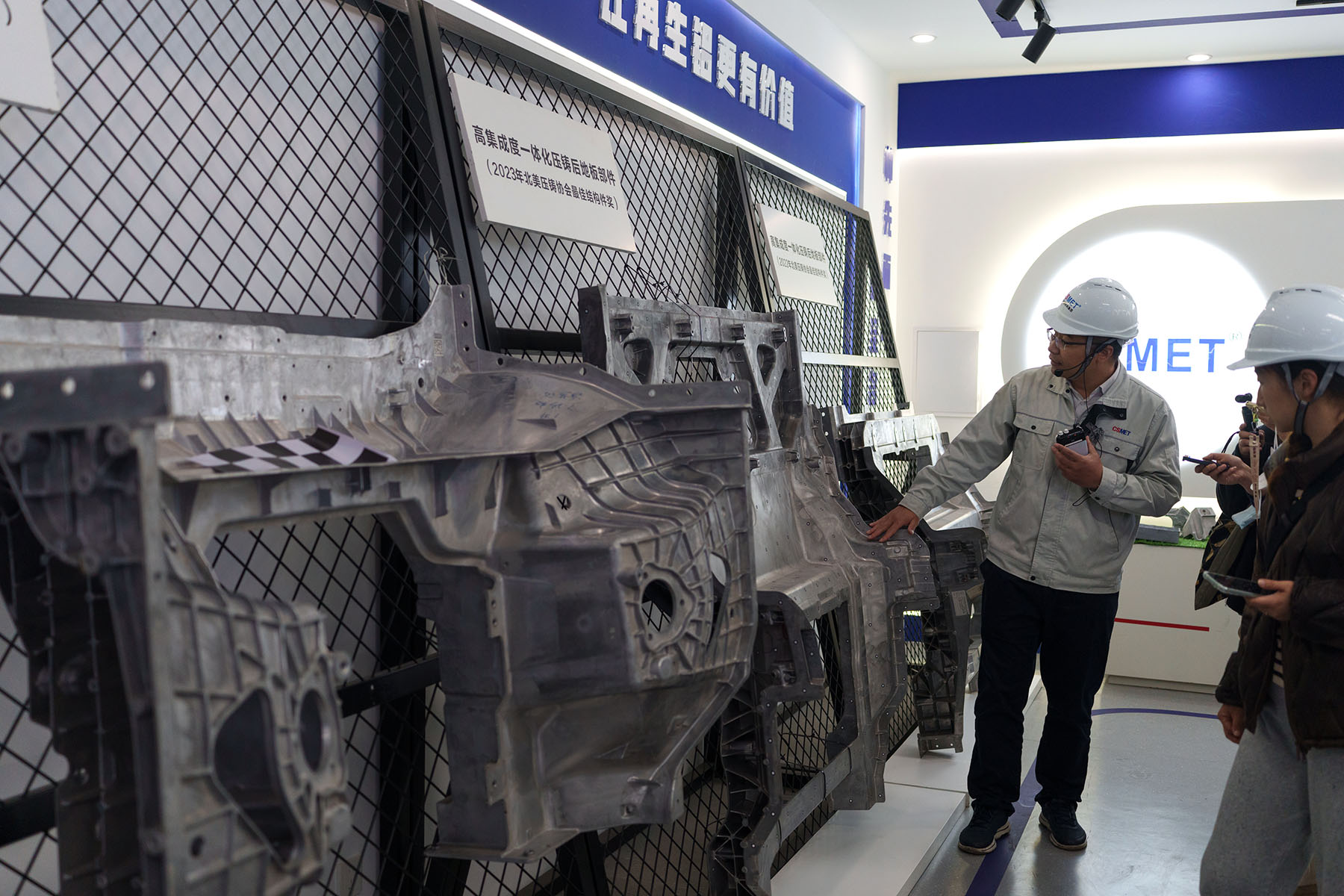
The city's strategy relies on localized processing to reduce the logistical strain of waste transport. In the Jiaxing Road subdistrict of Hongkou, a pilot project currently processes 100 kilograms of kitchen waste daily using microbial degradation.
Lei Guoxing, Party secretary of the residential community, said the resulting fertilizer is used for community greening.
Previously, residents faced issues such as odor, noise from waste transportation and doubts about the effectiveness of waste recycling, which hindered long-term adherence to waste sorting.
"Now, with kitchen waste being transformed into fertilizer for plants at their doorsteps, residents can directly experience how waste is turned into treasure, helping to establish a closed loop of value recognition for waste classification and reinforcing their habit of waste sorting," Lei said.
In the subdistrict office's cafeteria, the zero-waste concept has taken root as well. Biodegradable tableware is used and biodegradable food bags are available for packing leftover food.
"We have eliminated single-use non-degradable items, opting for biodegradable materials for all tableware and packaging, ensuring both environmental friendliness and safety," said Zhao Zhengya, the cafeteria's manager.
The cafeteria also has a dedicated counter for smaller portion dishes, which has contributed to an 80 percent reduction in kitchen waste, according to Zhao.

Green materials
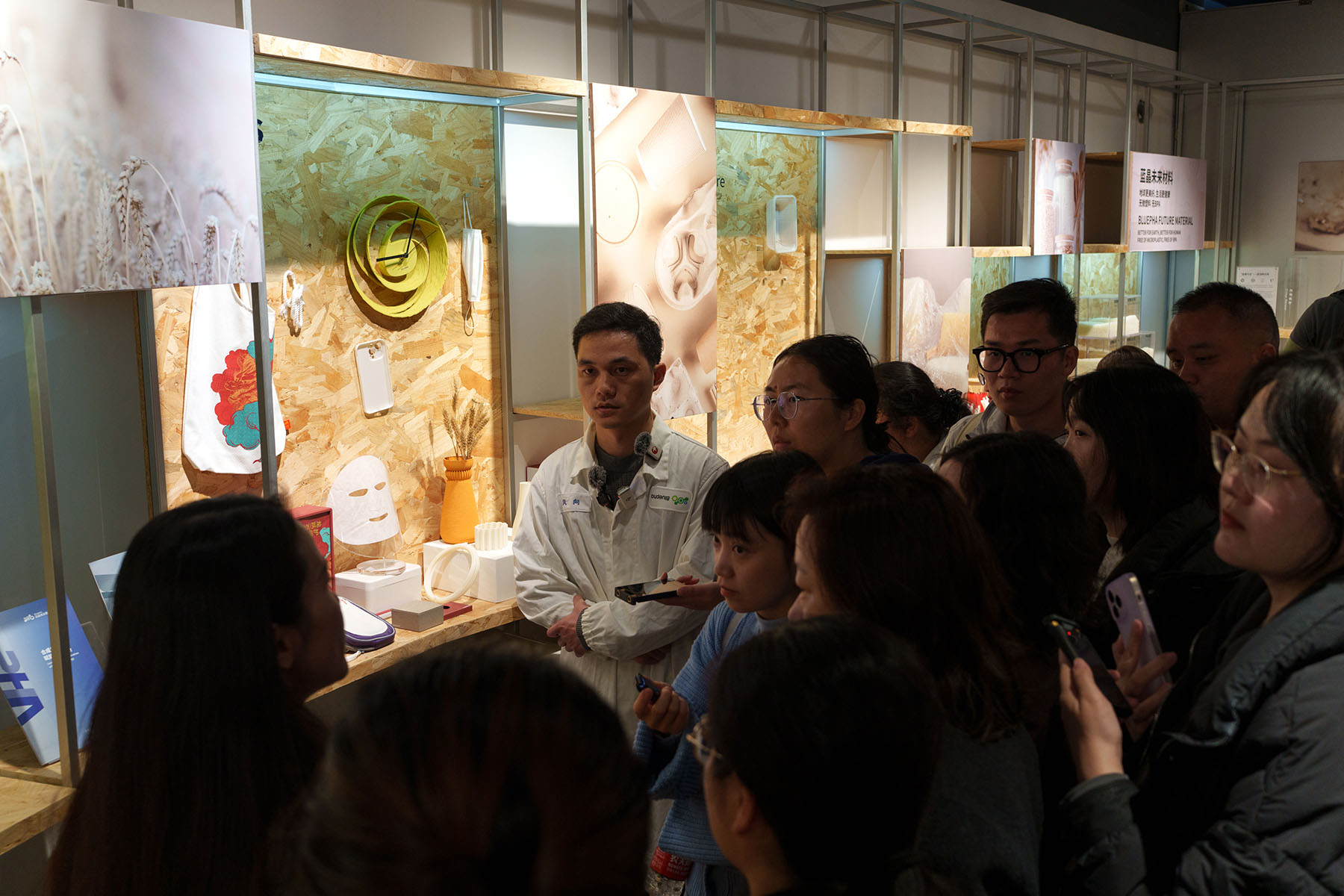
Shanghai-based microbial technology firm Bluepha specializes in disposable tableware, straws, paper cup coatings and film bags. The raw materials for these products are derived from kitchen waste oils and fats.
"The raw materials for these items are generated from the food service industry, and through resource recycling, they return to the same industry. This forms an interesting and meaningful closed loop," said Li Shenghui, a senior R&D engineer with the firm.
He said that the enterprise has broken away from traditional disposal methods, transforming waste oil and gutter oil, which are persistent urban problems, into a raw material repository for high-value green materials, and resulting in the firm's core product, polyhydroxyalkanoates, or PHA.
"We specifically used kitchen waste oil and other non-food biomass as raw materials for the second-generation carbon source for our PHA products, achieving efficient resource utilization of the waste oil," said Li. He added that using such materials to replace traditional petrochemical plastics helps reduce pollution from landfills and incineration.
Each metric ton of kitchen waste oil can produce 0.67 to 0.8 tons of PHA, generating about 30,000 yuan ($4,360) to 40,000 yuan in economic value, which is more than four times higher than producing biodiesel, according to Bluepha.
The advanced, environmentally friendly properties of the PHA products have allowed the firm to quickly capture markets in China, Europe and North America. Bluepha said its PHA tableware products developed jointly with TMS Packaging, McDonald's global supplier of tableware, will be used in the Middle East and North American markets soon.
In terms of pollutant reduction, replacing 1 ton of traditional plastic with 1 ton of PHA can reduce 1.54 tons in pollutant emissions, the company said.
The firm's current first-phase PHA annual supply capacity is at the level of thousands of tons. With the planned second and third phases, the annual production capacity is expected to reach 70,000 to 80,000 tons, according to Li.
Industrial recycling
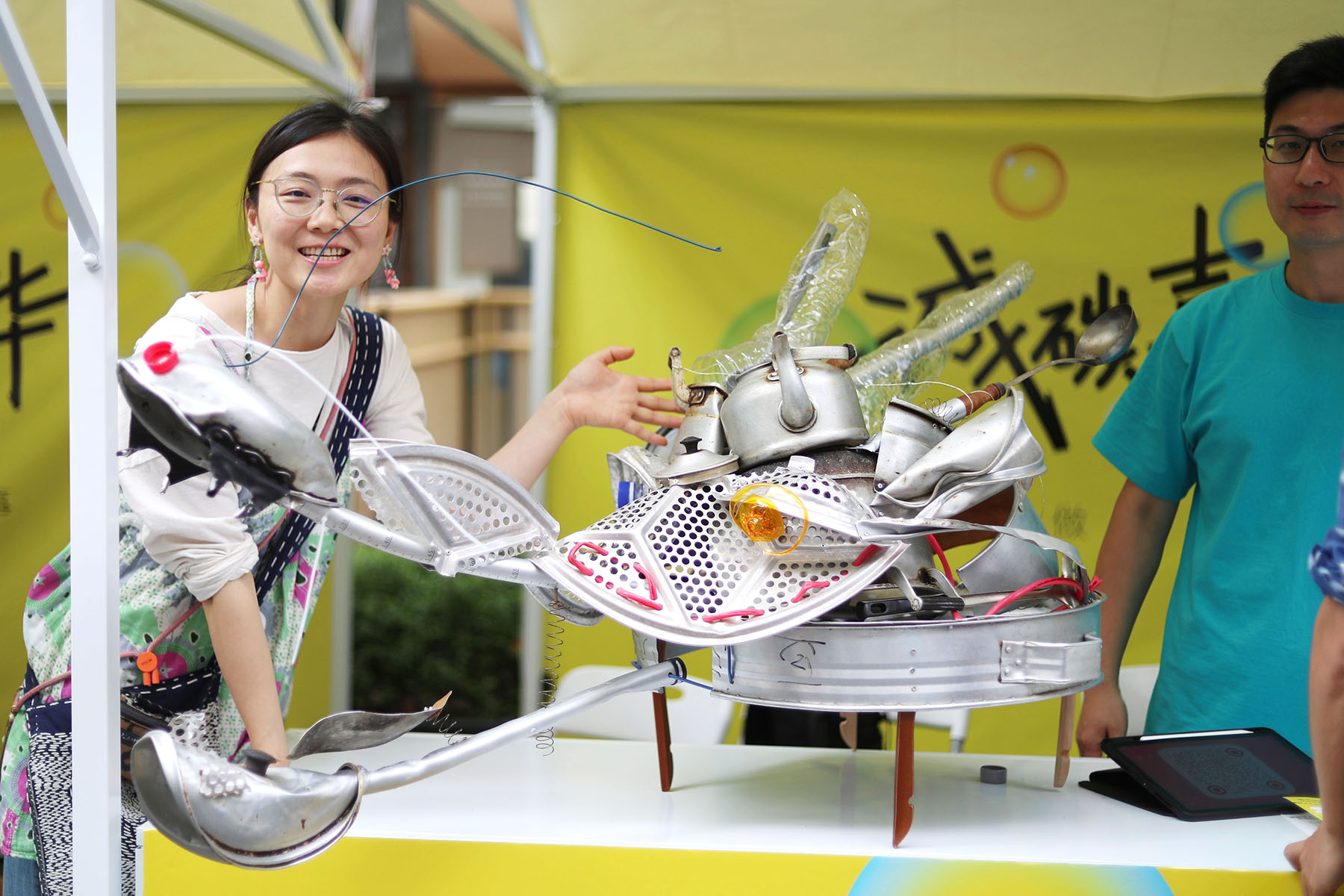
In the industrial sector, the disposal of waste aluminum tests the precision of resource recycling. In Zhangyan town of Jinshan district, CSMET, a new materials enterprise, is turning to innovative technologies to solve the problem of industrial solid waste, transforming waste aluminum into raw materials that support high-end manufacturing.
Household waste aluminum such as beverage cans and lipstick tubes, along with industrial solid waste like aluminum shavings and scrapped aluminum castings, are being processed into aluminum alloys.
"We practice the concept of 'solid waste in, resources out', turning waste aluminum into new resources," said Chen Nan, vice-president of the company. The enterprise recycles approximately 130,000 tons of waste aluminum annually. Through pretreatment processes like spectral sorting and paint stripping, it categorizes and recycles according to aluminum alloy grades, achieving end-to-end closed-loop utilization.
"Recycled beverage cans are processed and remade into new cans, truly maximizing resource recycling," Chen said, adding that since its inception in 2009, the enterprise has cumulatively reduced carbon emissions in the supply chain by 36 million tons.
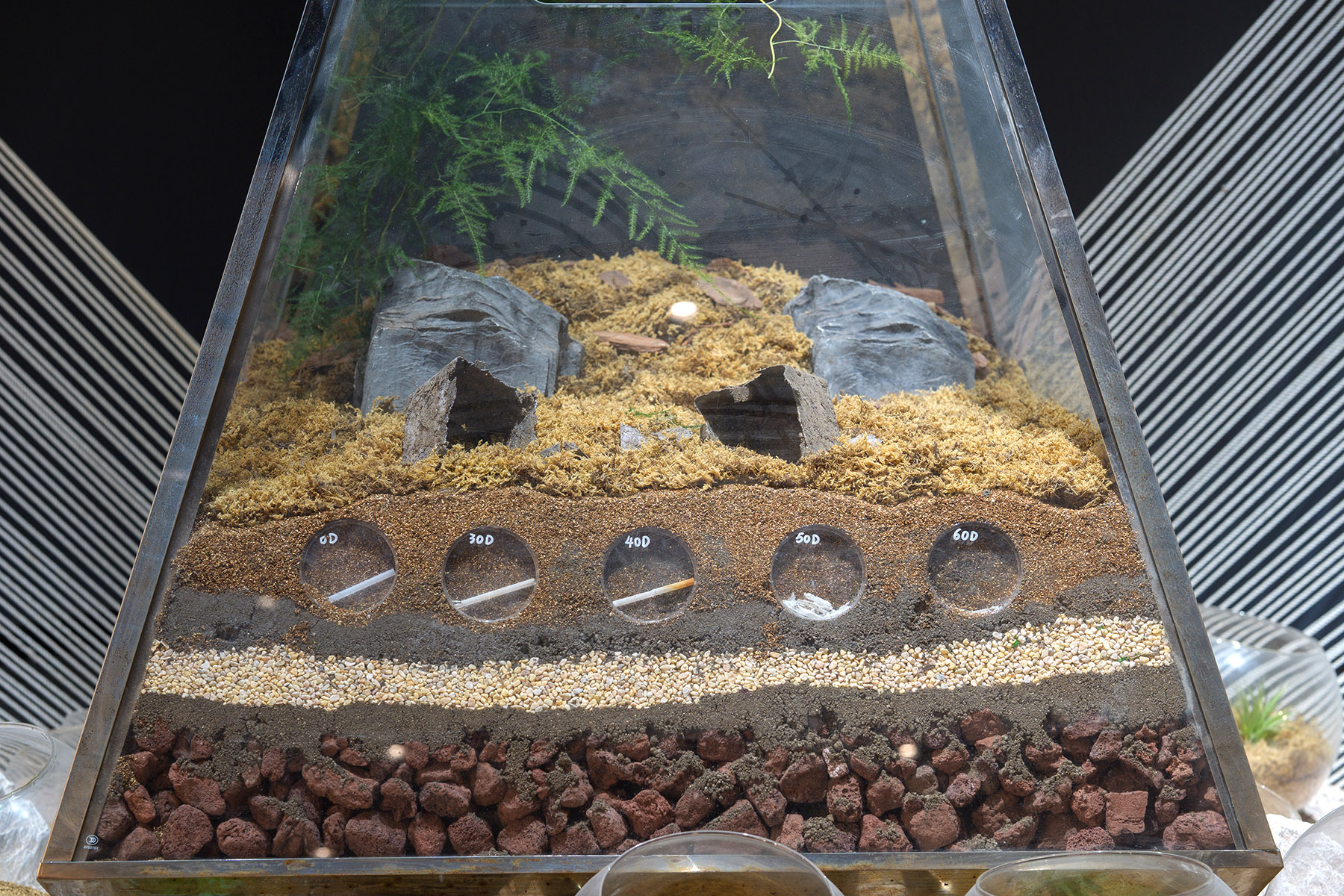
CSMET is not simply remelting waste aluminum, but developing new low-carbon aluminum alloys based on recycled aluminum. This upgrades waste aluminum into materials needed for components such as automotive bodies while maintaining the performance of primary aluminum.
The enterprise's self-developed heat-treatment-free alloy for integrated die-casting is widely used in automotive parts production.
ALSO READ: 'Urban mining' of waste energizes circular economy
According to data from the Shanghai Bureau of Ecology and Environment, the comprehensive utilization rate of general industrial solid waste in the city increased to nearly 98 percent in 2024, a leading position nationwide. The authority has been facilitating networks into leading domestic platforms for information services and transactions regarding renewable resources.
Chen Wei, head of the soil ecological environment division at the bureau, said that Shanghai has "basically achieved full-process harmless treatment of solid waste". The focus is now on breakthroughs in reduction at the source and better utilizing such waste as resources, elevating solid waste management from regulated disposal to building a resource recycling system, he said.
Contact the writers at zhouwenting@chinadaily.com.cn
