

Ancient palaces in Xizang show how local leaders maintained relations with central dynasties across centuries through architecture, reports Palden Nyima.
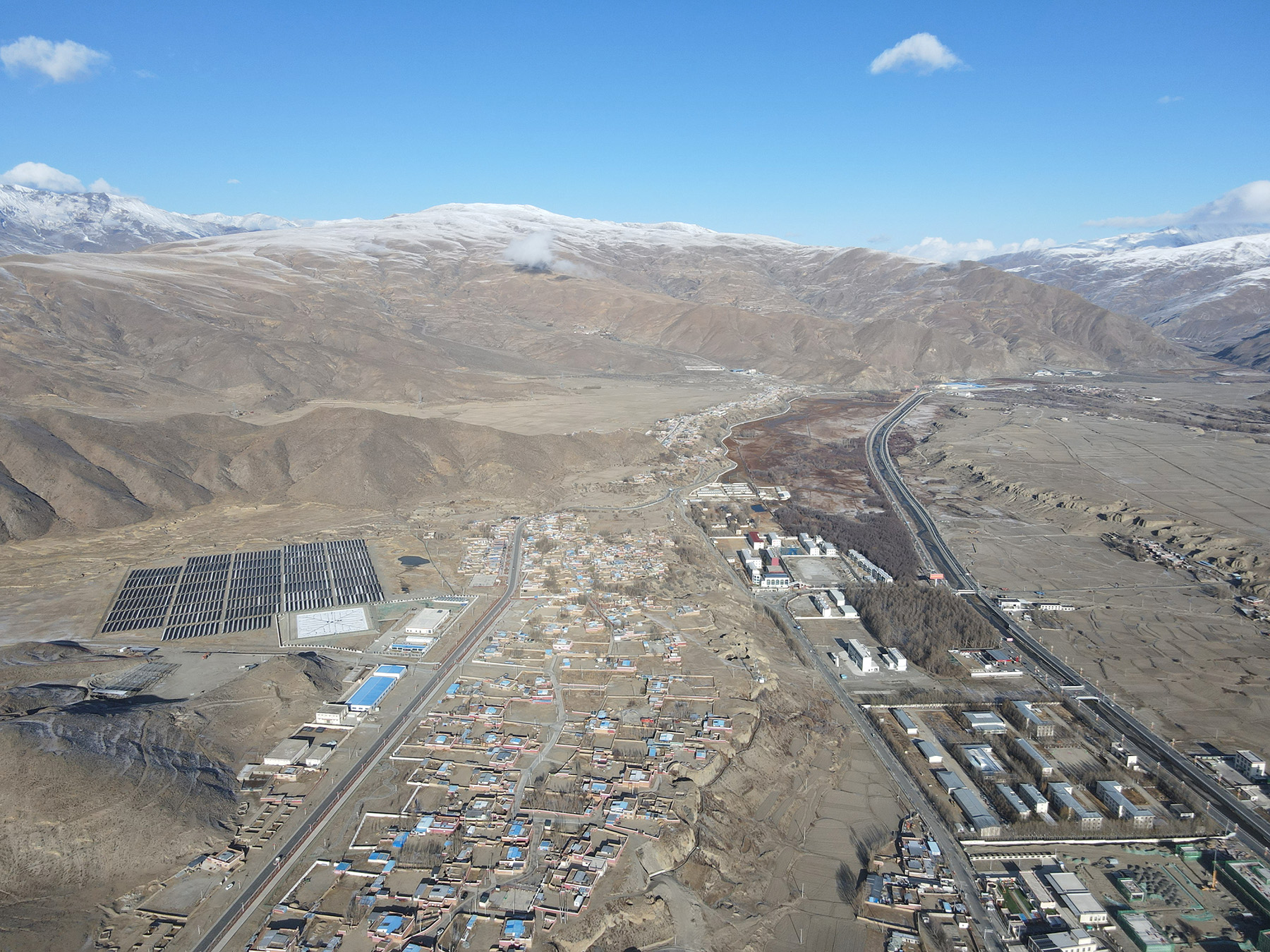
The Lhagyari Palaces in Chusum county, Xizang autonomous region, stand as magnificent historical landmarks that reflect centuries of cultural exchange and ethnic integration between Tibetan chieftains and the central dynasties, according to historians and scholars.
Dating back to the 13th century, this royal complex embodies a distinctive architectural style that blends Tibetan traditions with intricate Han craftsmanship, a convergence that is rare for historical palaces in Xizang.
Among the palaces, the Ganden Lhatse Palace, built in the 17th century, serves as a tangible testament to the enduring relationship between Tibetan and Han ethnic groups.
ALSO READ: Tailoring inbound travel to Xizang
Scholars regard the palace as an invaluable asset for studying regional history and the architectural evolution of the region.
Despite the site's significance, time and environmental degradation have left parts of the Lhagyari Palaces in a fragile state, underscoring the urgency of preservation efforts.
Roots of royal lineage
Sonam Yontan, a PhD student at Xizang University specializing in the Lhagyari royal lineage, traces its origins to the ninth century, following the collapse of the Tubo kingdom.
A branch of the Tubo royal descendants found refuge in present-day Chusum county by the 13th century, where they rose to power as local rulers until Xizang's peaceful liberation in 1951.
In 1658, Depa Lhagyari, a local chieftain, was formally authorized by the local authorities to govern the Ae area, the broader historic name for Chusum. During his rule, the Ganden Lhatse Palace was constructed, marking the height of the lineage's local power and influence.
The renaming of Chusum in 1965 by the State Council further underscored the region's geographical heritage, referencing the "three rivers" — Karchu, Serchu and Gongpopuchu — that run through the area.
The Lhagyari Palaces illustrate the evolution of Tibetan palace architecture across three distinct phases.
The early phase includes remnants of walls and gates at the Tashi Chodzong Palace, which were built by local chieftain Lha Taley Namgyal in the late 15th century.
The middle phase is represented by the Ganden Lhatse Palace, built in the 17th century, and famous for its scale and strategic design.
The main surviving structures of the Ganden Lhatse Palace include a palace, warehouses and stables.
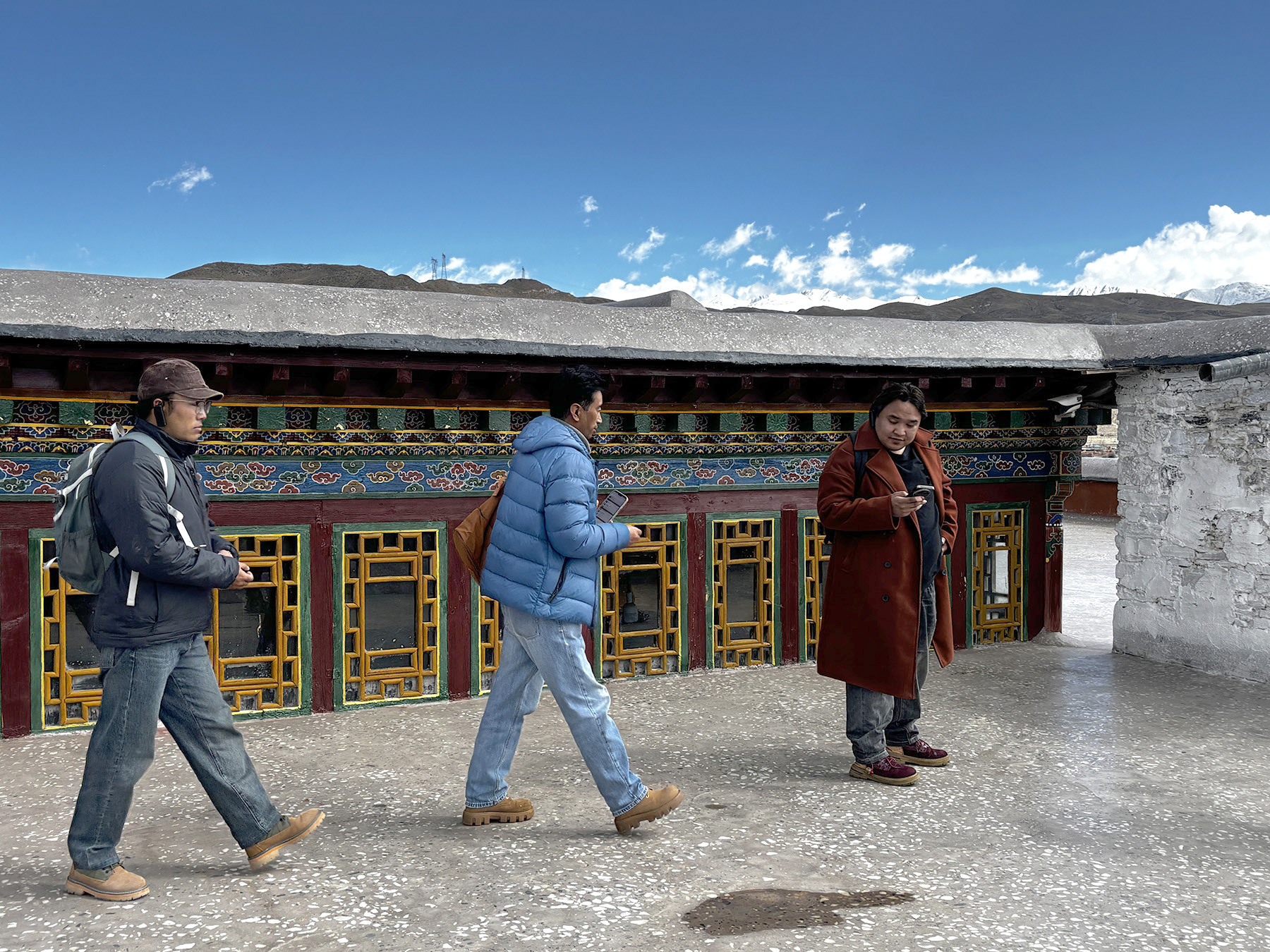
A later addition, constructed in the mid-20th century by local chieftain Lha Namgyal Gyatso, is the Summer Palace, designed as a quadrangular courtyard that embodies a blend of Han and Tibetan architectural styles.
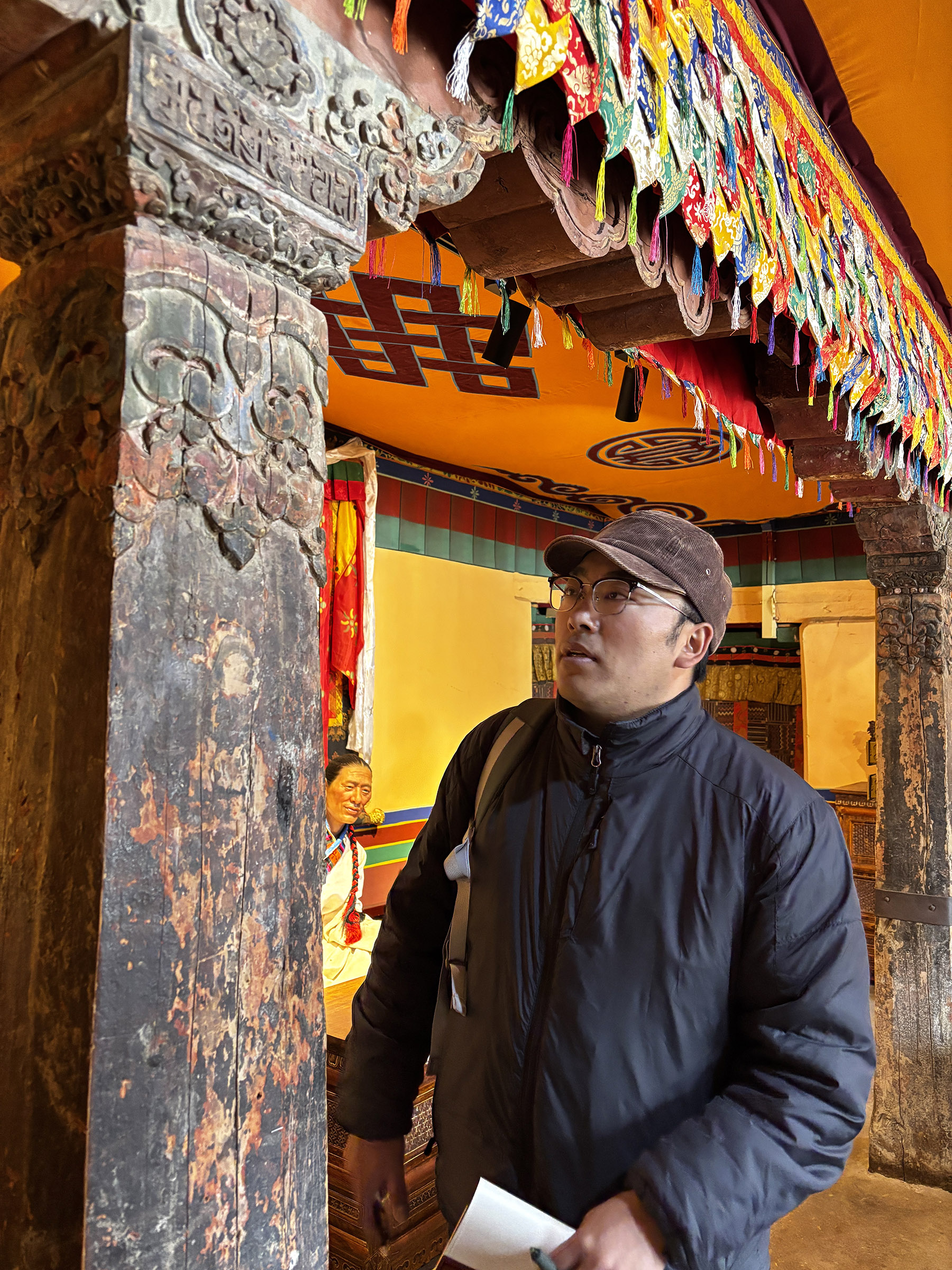
"The architectural design, which integrates Tibetan styles with dougong (interlocking brackets) — a hallmark of Han craftsmanship — demonstrates the remarkable cultural synthesis of the time," says Sonam Yontan.
Like many Tibetan palaces, Ganden Lhatse was multifunctional, combining elements of a defensive stronghold, cultural center and trading hub.
Perched atop a small hill with steep cliffs to its north and east, the Ganden Lhatse Palace was naturally fortified, while stone walls protected its southern and western sides.
The palace includes servants' quarters, stables, a scripture library, and a ceremonial square (karshal in Tibetan). The square is paved with black and white pebbles arranged into auspicious Tibetan Buddhist symbols as well as elements inspired by the Great Wall.
Sonam Yontan notes that the pebble-paved square also had practical advantages, particularly the effective drainage system during rainfall — a testament to the ingenuity of its designers.
"In the past, locals called the area karshal — referring to the square, because the palace square was so well known," he says.
Restoration and revitalization
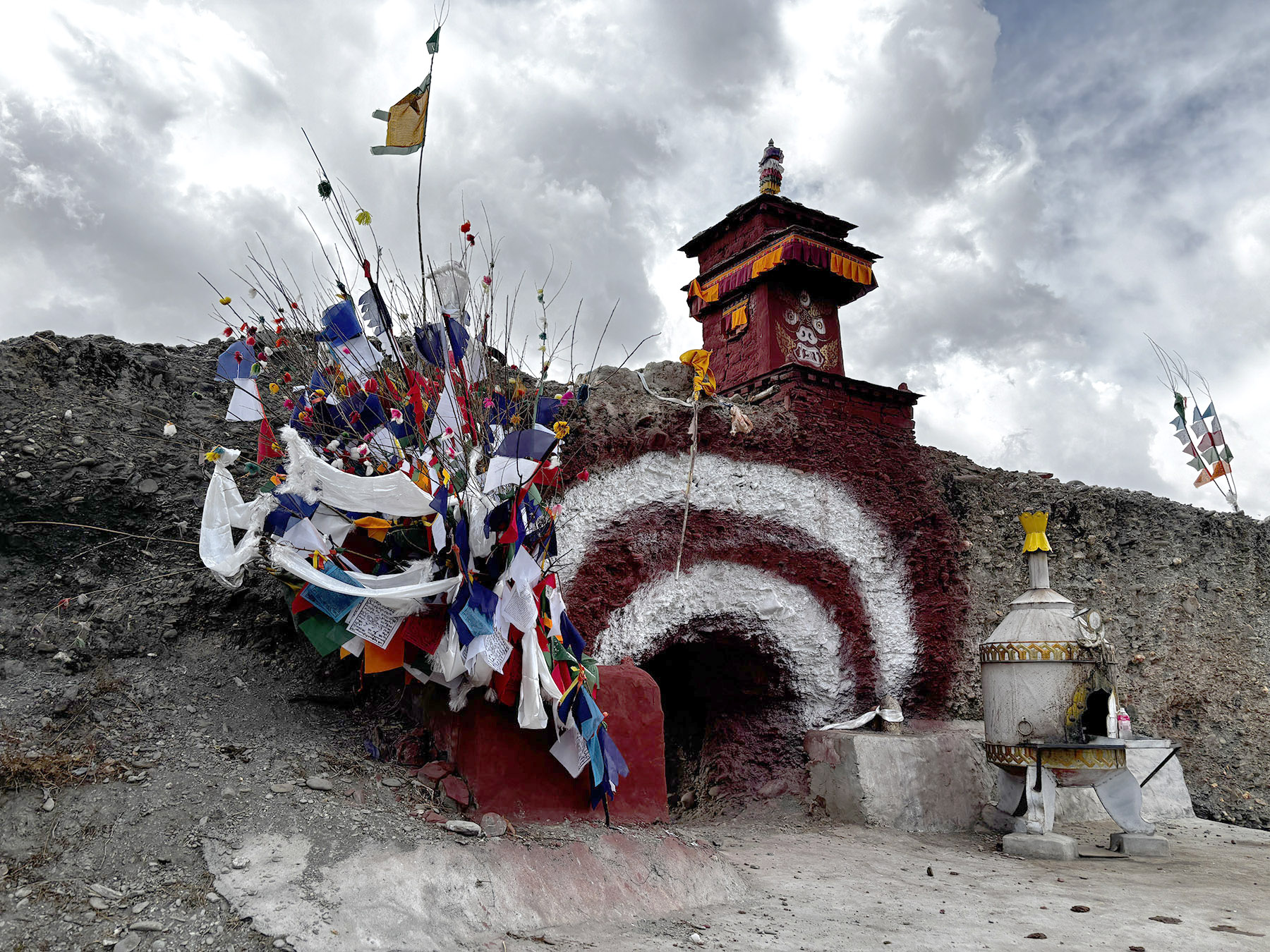
Years of neglect, along with historical damage, posed serious threats to the preservation of the palaces.
Recognizing their historical value, authorities designated the site as a regional cultural relic protection unit in 1996, and later elevated it to national key cultural relic protection status in 2001.
In 2006, the Lhagyari Palaces Preservation and Restoration Project was included in Xizang's 11th Five-Year Plan for Cultural Relics Protection (2006-10), with significant funding from the central government.
More than 20.5 million yuan ($3 million) was allocated to support conservation efforts.
Restoration work carried out between 2010 and 2012 focused on stabilizing the structures, restoring the pebble-paved square, clearing debris, reinforcing underground passageways, and securing surrounding slopes.
These efforts helped return the complex to its present condition.
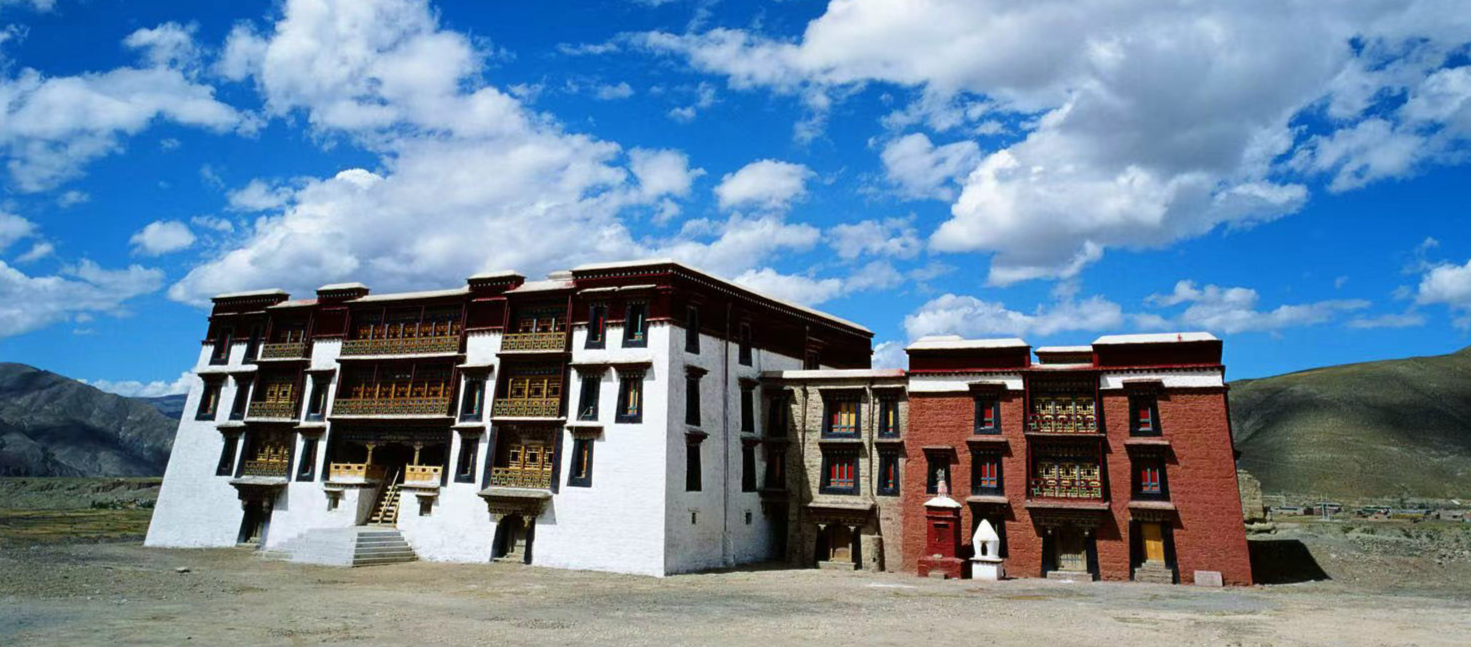
The palaces have long symbolized Tibetan culture, political resilience and religious devotion.
Like the Potala Palace, the complex is divided into White and Red sections, representing political authority and religious significance, respectively, unified within a single architectural composition.
Lha Namgyal Gyatso, one of the later rulers of the lineage, brought influences from Beijing back to Chusum in the early 20th century, incorporating Han architectural styles into the Summer Palace.
ALSO READ: Preserving the Potala Palace
Sonam Yontan says that palace complexes equipped with a central square are rare in Xizang, making Ganden Lhatse a notable exception. Its design clearly reflects influences from traditional Han palace architecture.
"It shows that even in remote parts of Xizang, there were connections and cultural exchanges with the central dynasties several hundred years ago," he says.
Contact the writer at palden_nyima@chinadaily.com.cn
