

Chinese opera artists reshape Shakespeare and Moliere, exploring human emotion while speaking to modern audiences, Wang Xin reports in Shanghai.
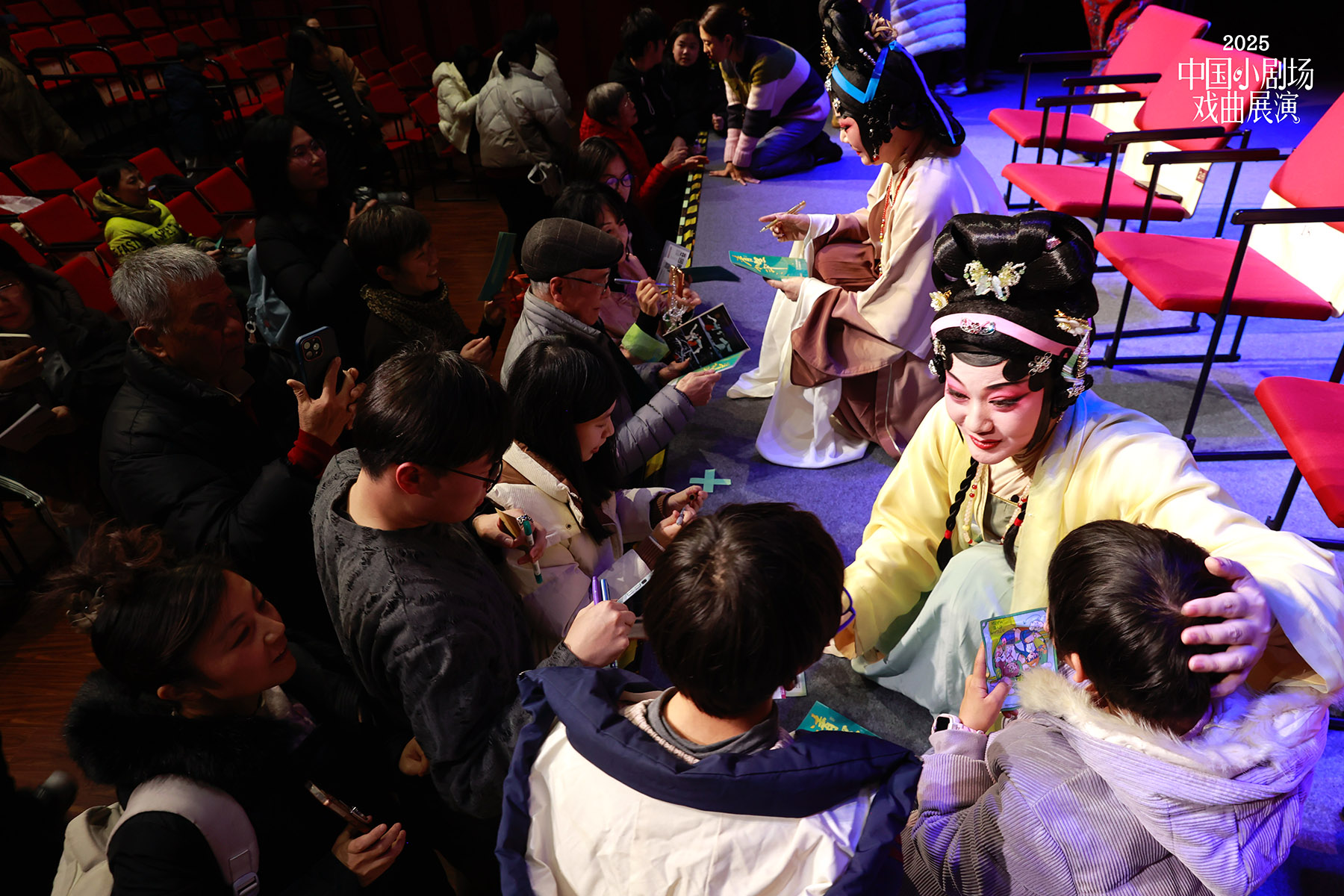
Wu Qun, 47, a celebrated performer at the Shanghai Yueju Opera House, has finally fulfilled a dream she first imagined in her 20s — presenting a distinctive adaptation of Shakespeare's tragedy King Lear through the expressive language of traditional Chinese opera.
The Yueju Opera production, also titled King Lear, premiered at Wanping Theater in Shanghai on Feb 6 as part of the 2025 China Experimental Xiqu (Traditional Opera) Exhibition, drawing overwhelming applause from traditional opera enthusiasts.
Rather than attempting a full retelling, the adaptation distills the central relationship between King Lear and his three daughters. The story follows Lear's decline after he is rejected by his two elder daughters and seeks refuge with the youngest. His fluctuating state of lucidity and madness causes memories to relentlessly cycle through his mind, linking past and present, and eventually leading him to understand the world, humanity, love, and his true self.
READ MORE: Revving up career in Yueju Opera
"This adaptation is undoubtedly centered around performance. Its wide emotional range, dramatic reversals, and shifting psychological states create space for actors to experiment and interpret the character in varied ways," says Mo Xia, scriptwriter of the play from Shanghai Yueju Opera House.
One distinct feature in the creation of Chinese traditional operas is that the script is often tailor-made for a certain leading actor. This version of King Lear was created with Wu in mind, who is known for her role as lao sheng, the senior male role.
Generally, a lao sheng would rarely be the leading role in Yueju Opera productions, which usually feature beautiful melodies and romantic stories of gifted scholars and beautiful ladies, such as Butterfly Lovers and Dream of the Red Chamber.
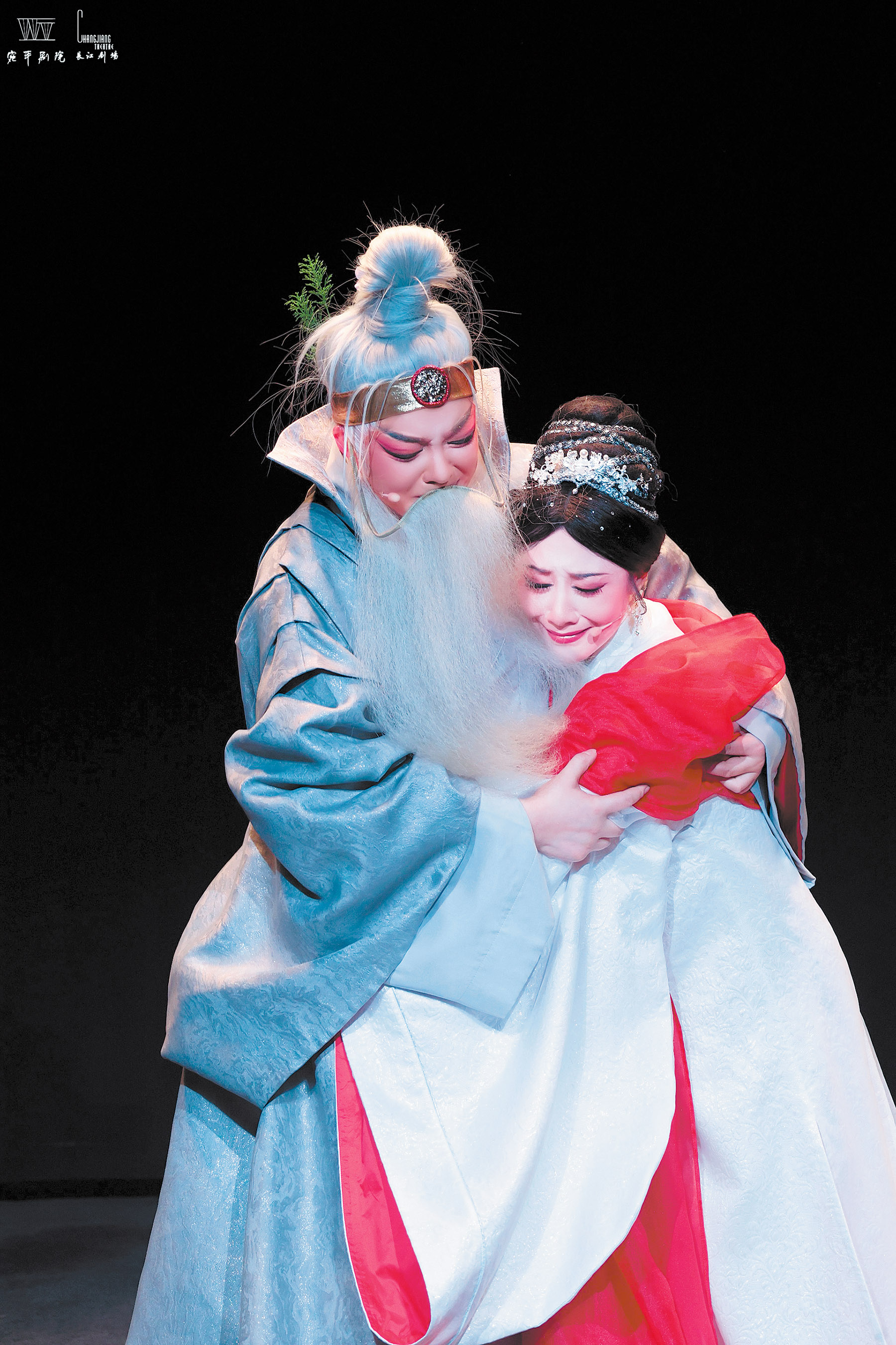
Wu's interpretation draws not only on her lao sheng skills of Yueju Opera, but also on influences from Peking Opera, spoken drama and directing practice. That cross-disciplinary approach helped her shape the character of King Lear she had long hoped to portray.
"It doesn't matter whether the character originates from China or abroad," Wu says. "We simply treat him as a human being and bring him to life. I tried to become King Lear — through singing, movement and behavior."
The project began taking shape last May when Wu attended a director's master class focused on Shakespeare. There she met Mo, who soon drafted the script.
"While working on the adaptation, we aimed to preserve the poetic quality of Shakespeare's masterpiece while localizing it with Chinese cultural identity. Our story is set in an ancient state and dynasty, and we found that the imagery and emotional depth of Chu Ci (The Songs of Chu) were a perfect fit for the play's tragic tone," explains Mo.
Inspired by the traditional Chinese text, the creative team blended its words into lyrics and incorporated plants and flowers into stage performances, naturally introducing a unique Chinese hue into the classic Western story.
The production seeks to bridge not only the East and the West but also past and present, endowing it with contemporary relevance. Mo shares that this play integrates the joys and sorrows of everyone's life, emphasizing the importance of "self-reflection" and "compassion for others".
Wu says portraying Lear carries particular relevance in an aging society. By presenting the character as an elderly father navigating vulnerability and dignity, the production encourages audiences to consider the emotional worlds and needs of older people.
"I enjoy being King Lear and living in his world," Wu says. "Through experimental xiqu and smaller theater spaces, we can shine a light on the elderly and their experiences."
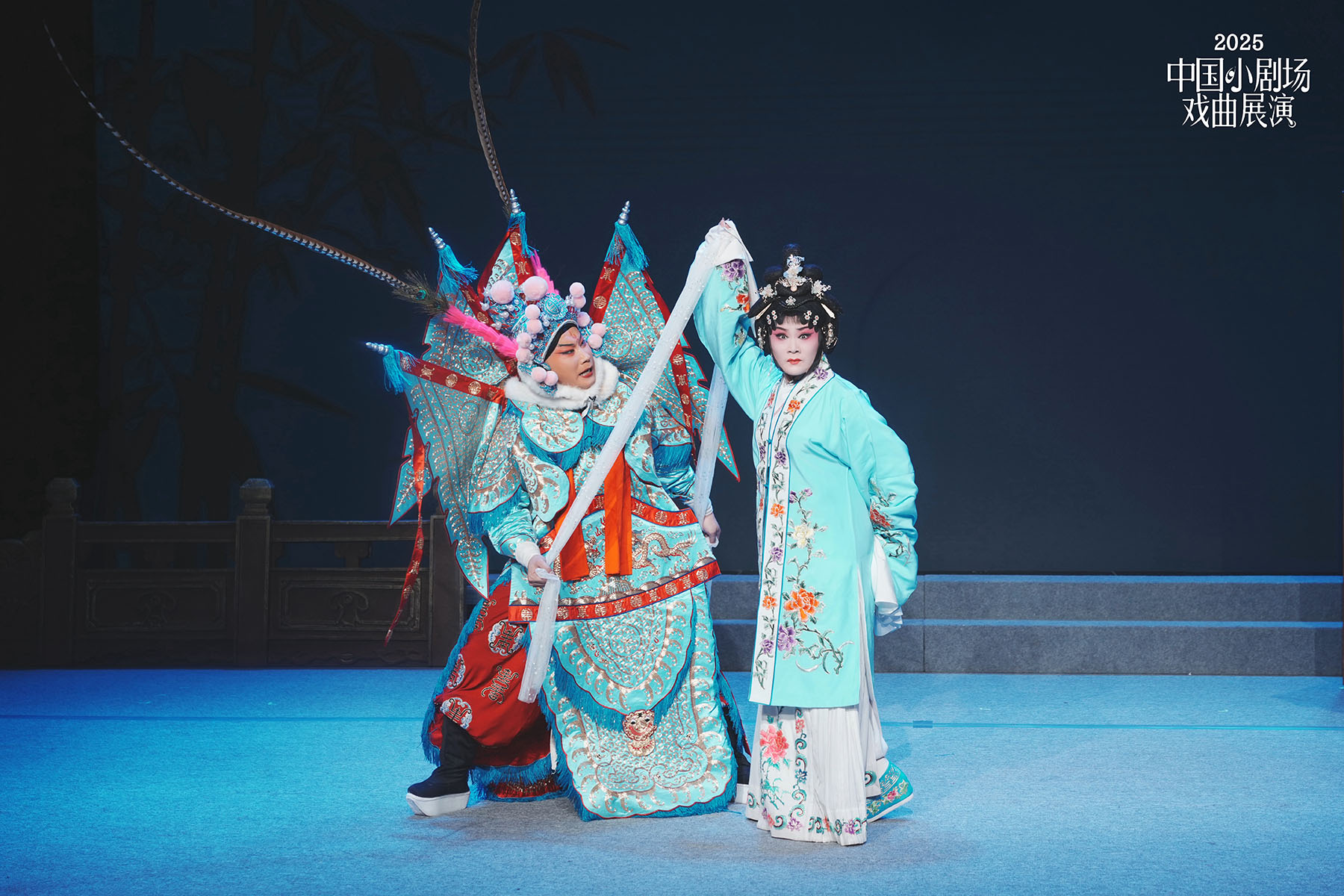
King Lear is not the only production boldly exploring Western classics through traditional Chinese operas. During the 2025 China Experimental Xiqu Exhibition, running from Jan 27 to Feb 8 in Shanghai, a Puju Opera troupe from Shanxi province showcased the adaptation of another Shakespeare tragedy, Othello.
Written for Puju Opera actor Nan Zheng, the experimental play, titled Othello: Suspicion, delves into the emotional core of the tragedy. It amplifies the suspicion and jealousy rooted in the characters' human weaknesses, calling for more trust and kindness in love and life.
Similar to the Yueju Opera King Lear, Othello: Suspicion is also set against the background of an ancient state. This adaptation preserves the core conflicts and tragic essence of the original work. Othello, Desdemona and Iago are reimagined as characters imbued with profound Eastern resonance. It explores the timeless themes of human nature, jealousy and suspicion, building a bridge between the spirit of Western tragedy and the narrative aesthetics of the East.
Puju Opera, with a history of roughly five centuries, is known for its powerful vocal style and dynamic performance techniques. One hallmark is feather manipulation — a stylized movement vocabulary that conveys shifting emotional states with striking visual clarity.
"I actually realized that the traditional Chinese opera techniques are truly ingenious while working on the production," says Wei Rui, scriptwriter of Othello: Suspicion.
Wei explains that instead of lengthy passages of lyrics and spoken dialogue to express the complexity and diversity of human nature, actors can simply use the art of sleeve and feather manipulation techniques to convey intricate emotions. Words, conversations and even singing become unnecessary in those moments, demonstrating the subtlety and brilliance of Chinese operas.
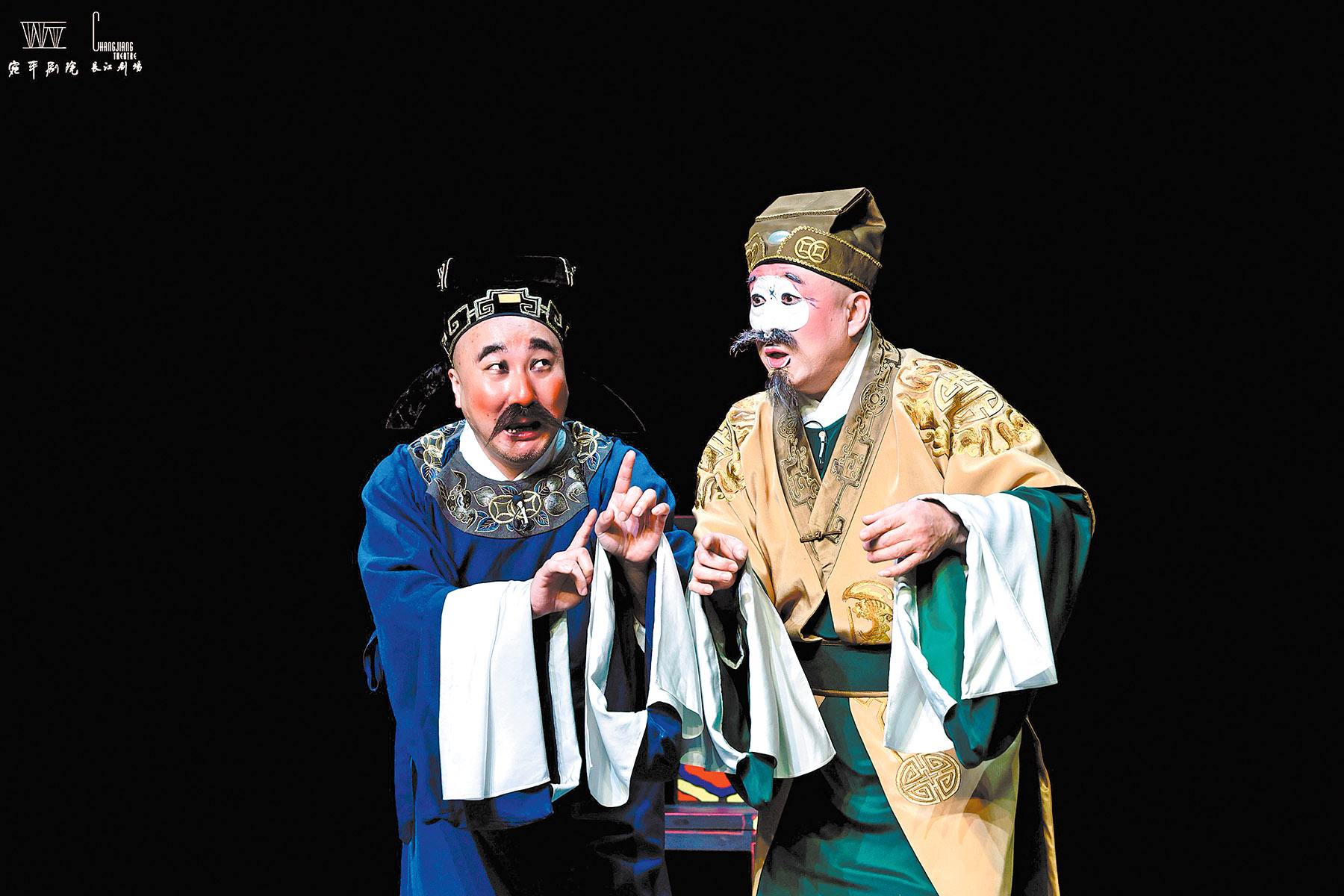
The exhibition also featured a Peking Opera adaptation of the French playwright Moliere's The Miser, starring 58-year-old veteran chou (comedic role) performer Mei Qingyang. Traditionally a supporting role, the chou character here takes center stage, mirroring how Wu's lao sheng role leads the Yueju King Lear.
The production retains the story's central tension between love and money while transforming the miser Harpagon into a Chinese figure named Lord Gong. Through a stylized performance and inventive staging, the adaptation reframes the narrative within a distinctly Chinese theatrical logic.
One memorable device is the personification of money itself. Lord Gong dances a waltz with a figure representing wealth, treating it like a lover. The scene humorously yet sharply illustrates how money and desire distort human nature.
ALSO READ: Pingju Opera reaches out to new audiences
The play's development began about four years ago and marks Mei's first attempt to present a Western story entirely through traditional Chinese theatrical language. Despite many new challenges in acting, Mei values such an opportunity to tell a global story, and especially highlights the "inclusiveness" of traditional Chinese culture.
"Small stage, big world. The experimental Chinese opera plays staged in little theaters are usually pioneering and exploratory. As our traditional operas continue to grow, I see such diversity as a good thing with a promising future.
"But one thing we should always remember — we must always uphold our traditions while fostering innovation. That is our root," says Mei firmly with a big smile.
Contact the writer at wangxin2@chinadaily.com.cn
