

No matter how challenged the movies are right now — here in Hong Kong and around the world — no matter how few the number of people picking up a book, seeing plays or the opera, one thing remains ironically constant: We still enjoy a good story. Be it for entertainment, enlightenment or to process difficult emotions, storytelling has been with us since the dawn of recorded time and it will likely be here for generations to come. There’s a reason why Instagram calls one of its features “Stories”, and the surprise industry experts express at films that catch fire with audiences is comical, given that every time that happens it’s because of expert storytelling. Think 2023’s “Barbenheimer” or The Last Dance last year.
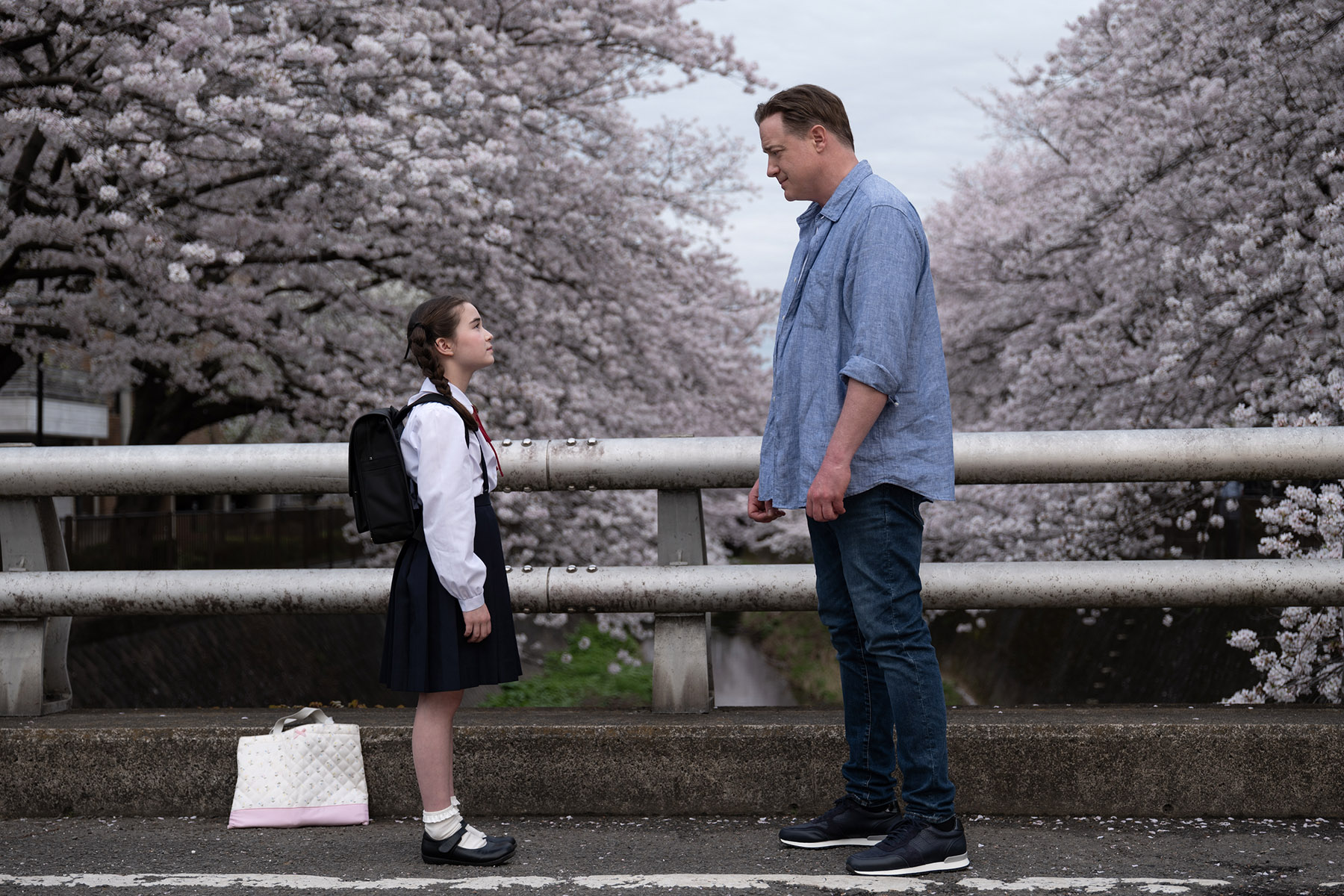
To that end, Hikari’s Rental Family and Chloé Zhao’s Oscar-nominated Hamnet explore the idea of telling stories as routes to harmony, closure and fulfillment. In the former, Brendan Fraser plays Phillip, a shiftless American actor in Tokyo, seeking purpose. He takes a gig with an agency run by Shinji (Shogun’s Takehiro Hira), which supplies pretend families to desperate singletons, parents and mourners trying to do right in the face of considerable obstacles.
ALSO READ: Family drama comes of age
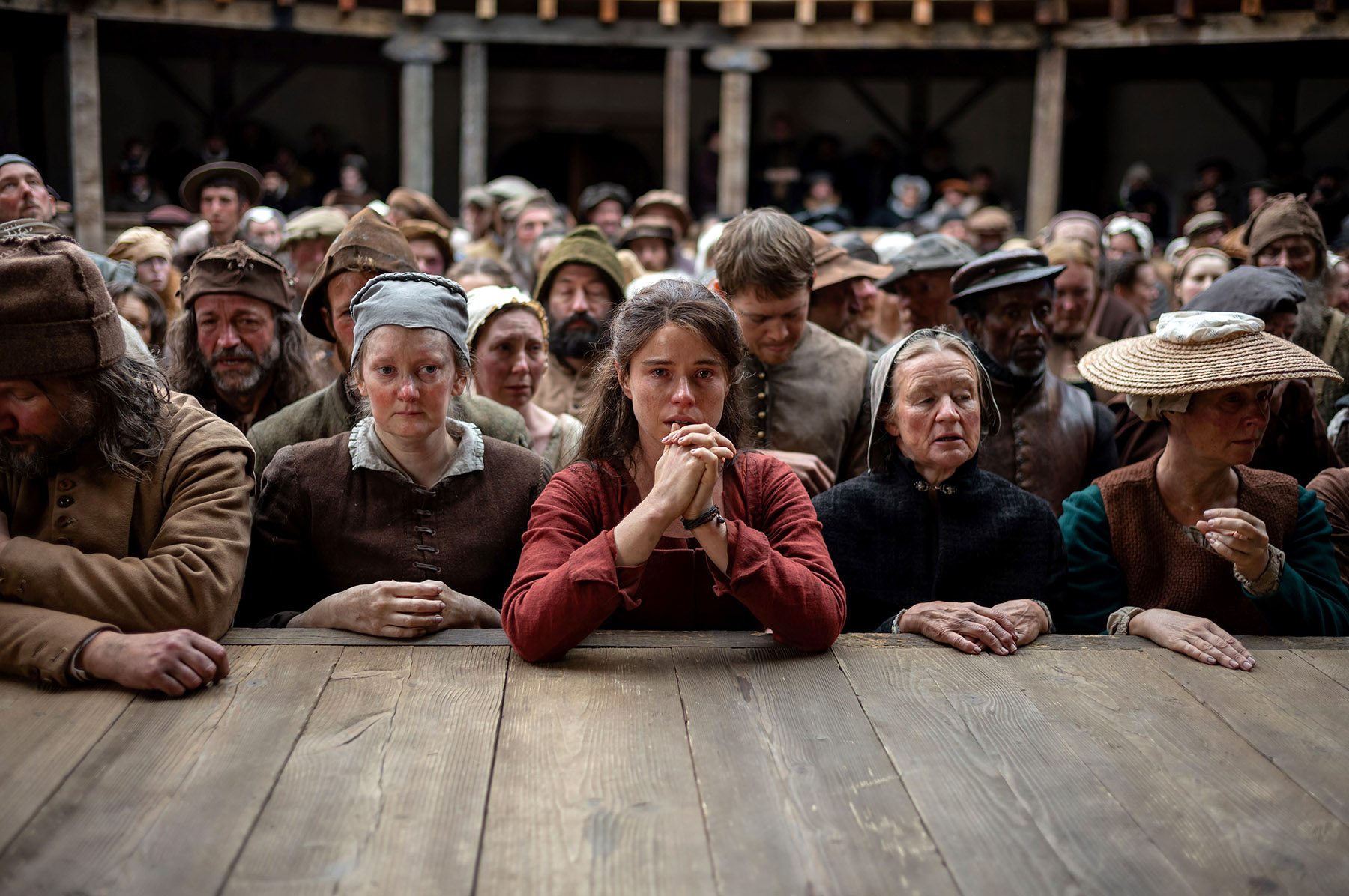
In Hamnet, Zhao essentially tells a story about parents grieving the death of a child. In this case, the parents are Agnes (Jessie Buckley) and William Shakespeare (Paul Mescal), and the story is filtered through the work of the English language’s greatest playwright, and the power of art to help in healing.
As she did in her breakout feature 37 Seconds, about a young woman with cerebral palsy trying to determine her own life, Hikari drops an outsider into the middle of the narrative to explore the complexities of emotional connection, loneliness and rigid societal expectations in contemporary Japan — and how to push back on them. Rental Family is quasi-picaresque; we watch Phillip play the part of a journalist interviewing a lonely, legendary actor, the Canadian fiance of a woman who doesn’t want to disappoint her parents, and the absentee father of Mia (Shannon Mahina Gorman), whose mother needs a dad character to help get Mia into an elite school. The film is as restrained as its characters are, even as it floats questions such as the value of truth when a minor fib ensures happiness, what happens when lies are revealed, and if they do help us make connections, what’s the harm? Hikari doesn’t push the envelope as far as she could have, but Fraser and Hira bring depth to the material and keep it from falling into maudlin. It’s a feel-good movie of the highest order.
ALSO READ: Monster delights
Conversely, Hamnet is unapologetically sad. Based on Maggie O’Farrell’s novel, it leans into the mysteries of the Bard’s family, and runs away with the idea that it was his son’s death at 11 years old that served as the foundation for his best-known play, Hamlet.
Zhao deploys the same color coding and slow pans that connect her characters with their natural environments as she did in the Oscar-winning Nomadland, but this time dispenses with that film’s — and Rental Family’s — emotional restraint to launch headfirst into crushing grief, overt rage and finding a way out of a cycle of despair through art. Freshly minted BAFTA-winner Buckley swings for the fences in a performance purpose-built to tug at the heartstrings, with Mescal internalizing pain and expressing it the only way he knows how to. Despite lingering in Agnes’ sorrow for most of the film, Buckley, Mescal and Zhao find something hopeful to come to rest on when Agnes realizes what William is doing. With their shared focus on storytelling as a conduit for reconciliation and growth, Rental Family and Hamnet are about purpose-built storytelling that also tugs at the heartstrings.
