

As the curtain goes up tonight on the 54th Hong Kong Arts Festival — the city’s flagship annual international performance-art event — Rob Garratt applauds the celebration of Asian, particularly Hong Kong, heritage and talent in its rich and eclectic music lineup.
For more than five decades, the Hong Kong Arts Festival (HKAF) has featured top international names — its earliest editions celebrated for changing the game in a supposedly culture-starved city.
But that was then. The lineup for its 54th edition, which kicks off tonight, shows that HKAF’s music programmers are increasingly concerned with telling local stories that invite spectators to both look forward to a tech-driven future and glance backwards at local cultural heritage that can be easy to lose sight of in a modern metropolis like Hong Kong.
READ MORE: Going solo
Hence, HKAF 2026 continues the festival’s ongoing celebration of 300 years of Cantonese Opera tradition with a new work: The Story of Wu Zixu, a two-part epic written and directed by local maestro Yuen Siu-fai, while also presenting Bi-An, a “piano-hypermedia recital” by Shanghai-based Yu Xiangjun, who reimagines contemporary Chinese opera works with multimedia elements.
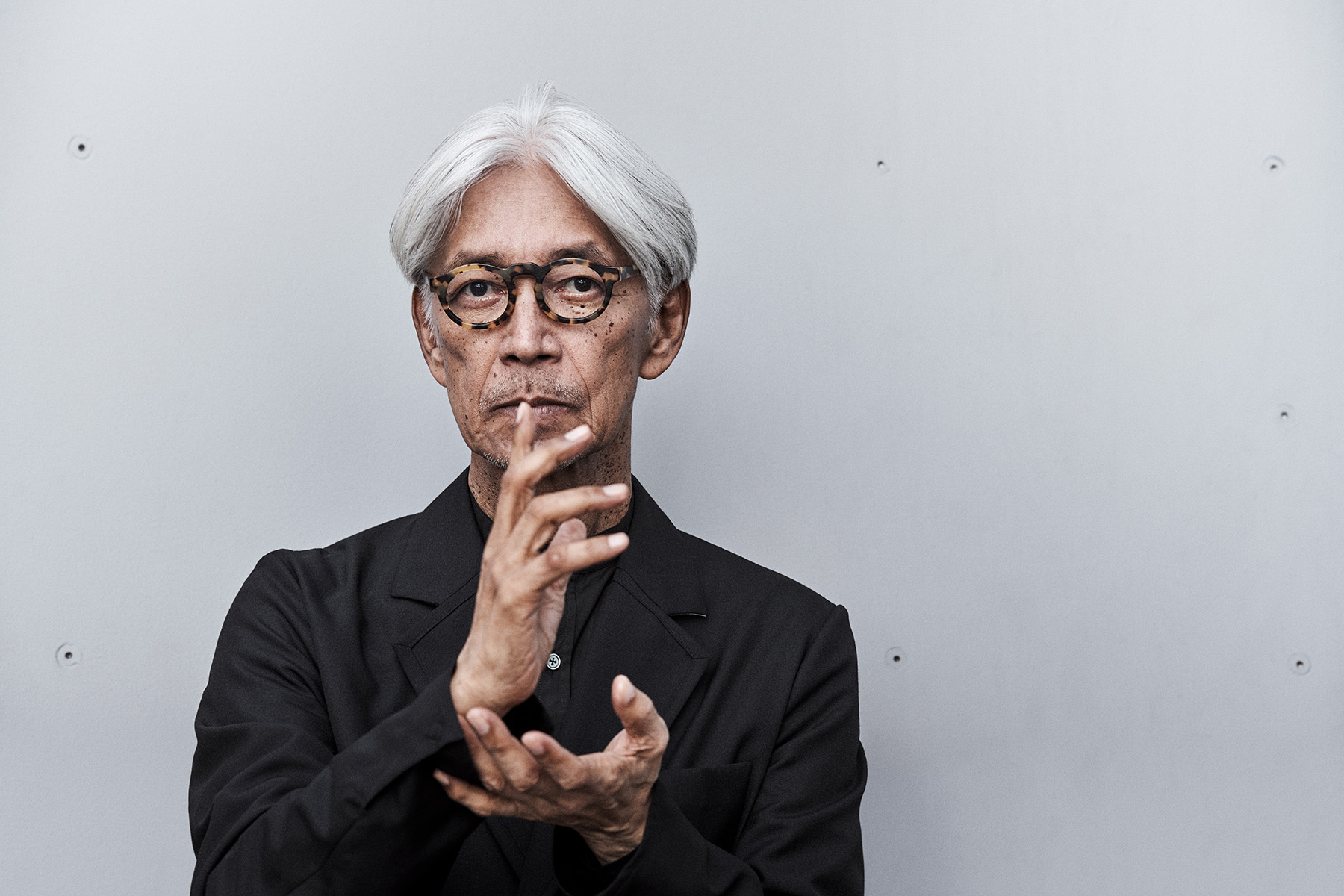
The pianist points to the symbolism of her utilizing “a quintessential Western instrument” to realize an “innovative expression of traditional Chinese opera culture”, adding that the use of multimedia “better articulates a contemporaneity that aligns with traditional Chinese aesthetics”.
As the music plays, audience members find themselves surrounded by visuals of Chinese landscapes and motifs. The goal is to trigger “synesthetic activation” within the observer, prompting a “continuous reflection on the relationships between art, tradition, and modernity,” Yu says.
“We also hope that the audience will embrace an open mindset to experience this new form of classical music as it weaves through the past and future.”
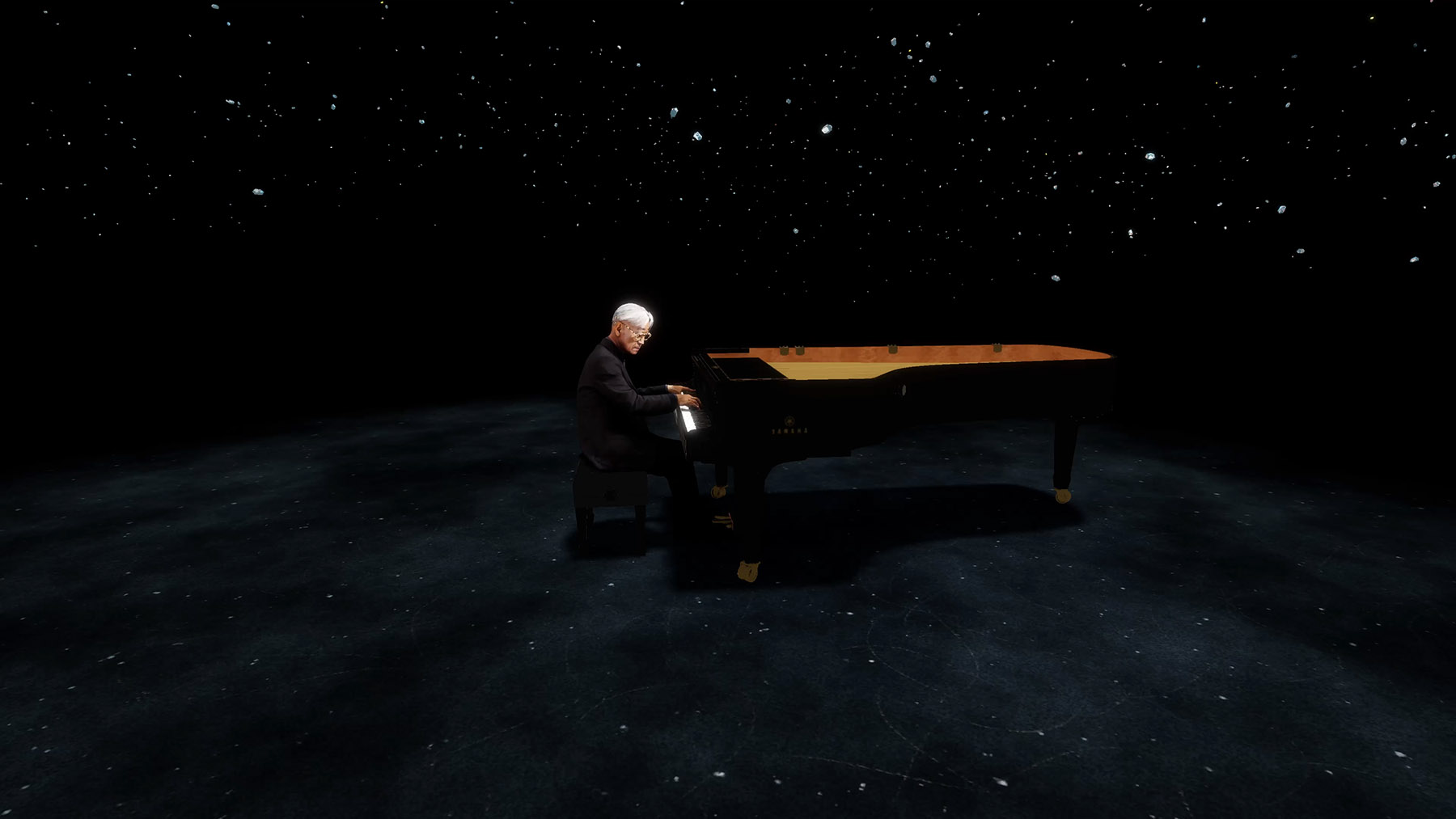
Technology also underpins Kagami, a mixed-reality performance that gives audience members a chance to relive the experience of being in the room while the late Japanese composer Ryuichi Sakamoto performs an intimate piano recital. By strapping on a headset, they can embrace the power of technology while succumbing to the potency of nostalgia.
Inspired by Chinese culture
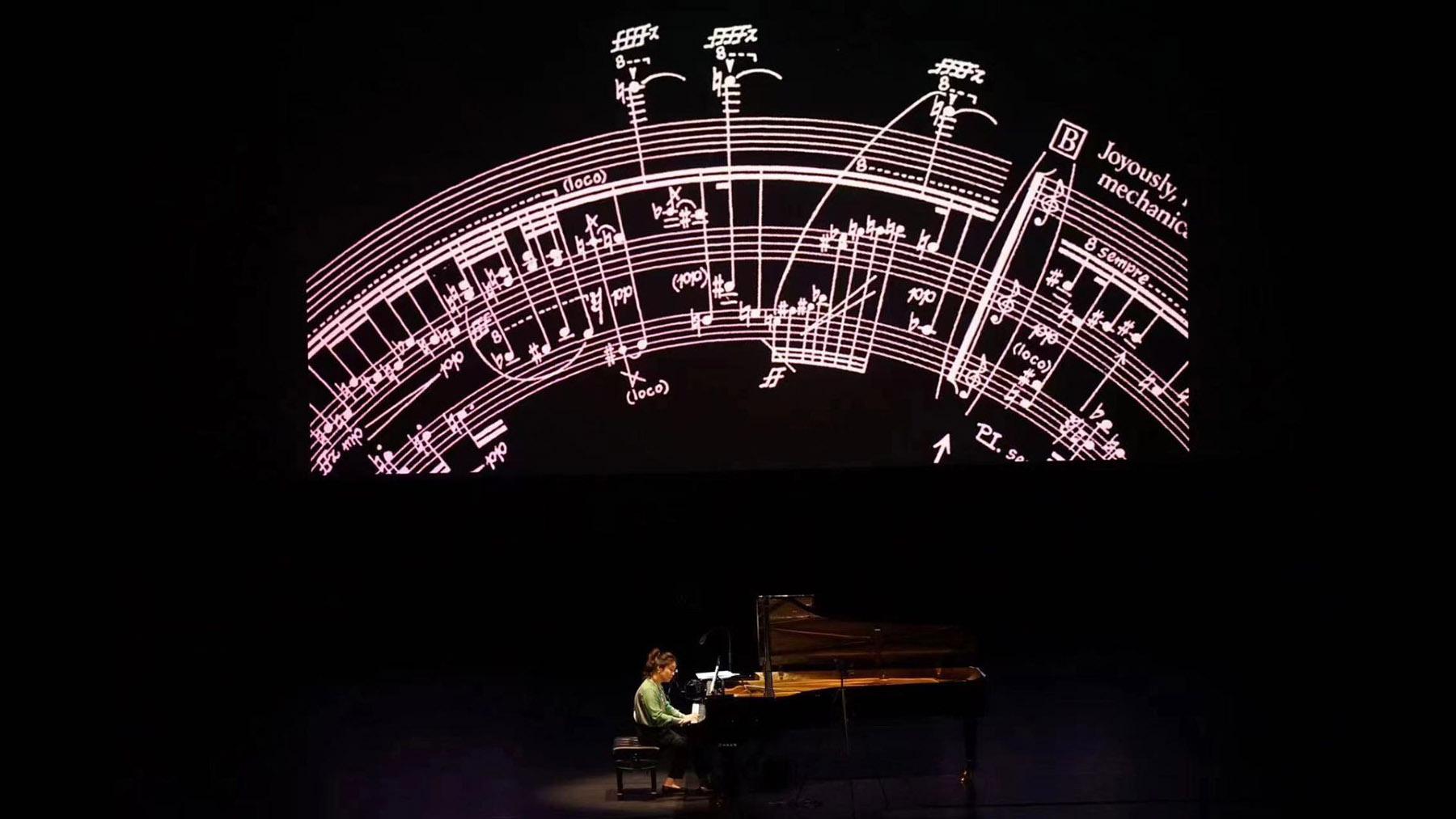
Hong Kong-born, Berlin-based pianist Chiyan Wong became so fascinated with the rousing shanties sung by local fishermen in the past that he composed a set of songs in tribute. Chiyan Wong and Friends — Reflections on a Sampan recasts the folk tunes once heard off the coasts of Tai Po, Aberdeen and Sai Kung as jazz-and-bossa nova-influenced songs, performed by a quartet of double bass, guitar, and drums, with Wong on the piano.
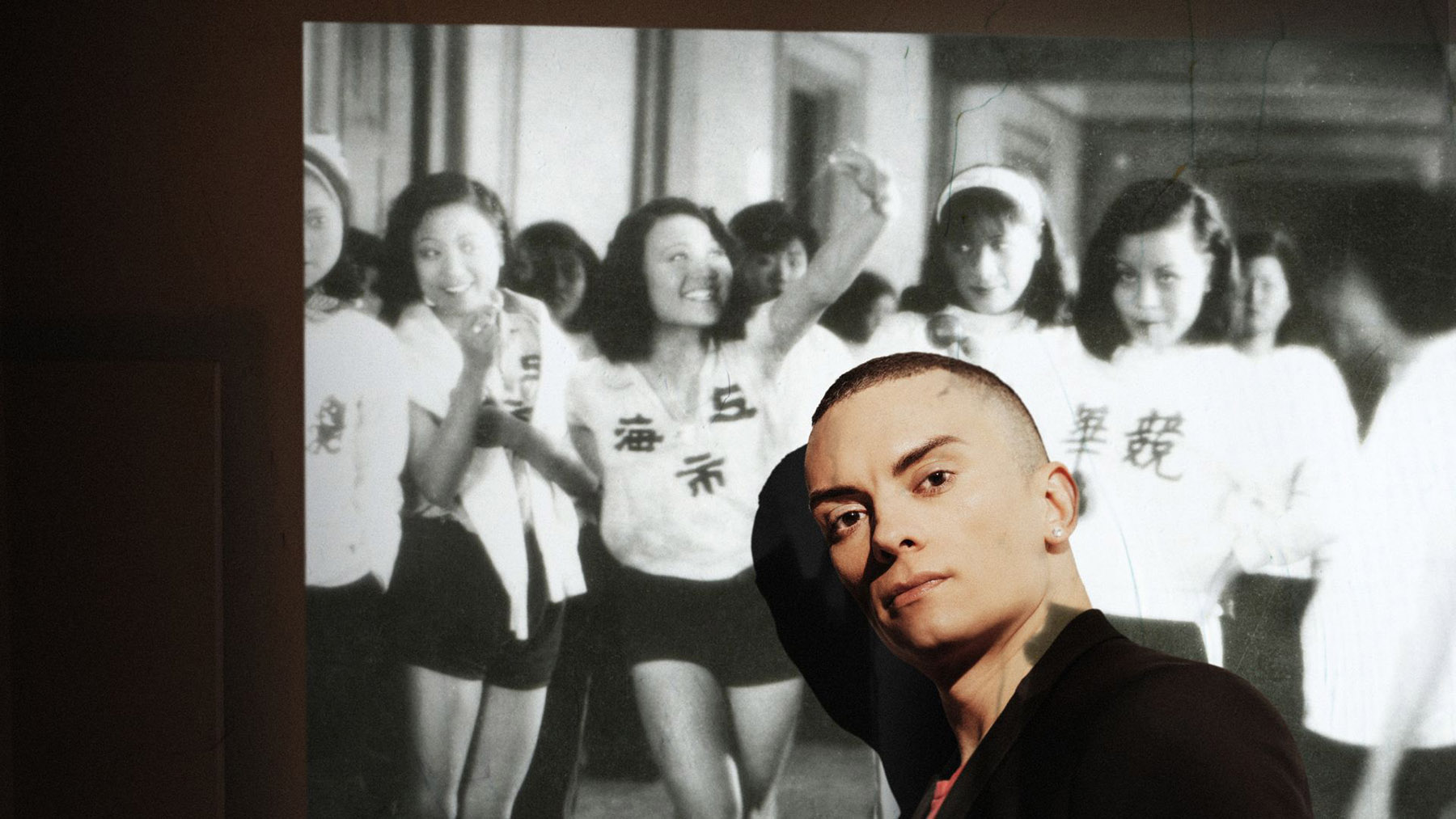
Cameron Carpenter is also looking to China with the premiere of a new semi-improvised score to the 1934 Chinese silent movie Sports Queen. “His composition will actually help bring this classic Chinese movie to the world,” says HKAF program director Grace Lang, noting that the work is already traveling internationally.
Another Western music heavyweight fascinated by Chinese culture is Marcel Wengler, who has spent five years composing his Chinese Rhapsody following a commission by the Hong Kong Chinese Orchestra. Premiering at HKAF 2026, the work draws inspiration from “multiple impressions I gained during my countless trips to China,” says the Luxembourgian composer and conductor. “Be it the grand landscapes, the outstanding modern architecture, the bubbling life in the cities, traditional ceremonies in Chinese temples, horse races in Hong Kong or the daily Tai Chi exercises in city parks — they are all recollected in my Chinese Rhapsody.”
Hometown hero
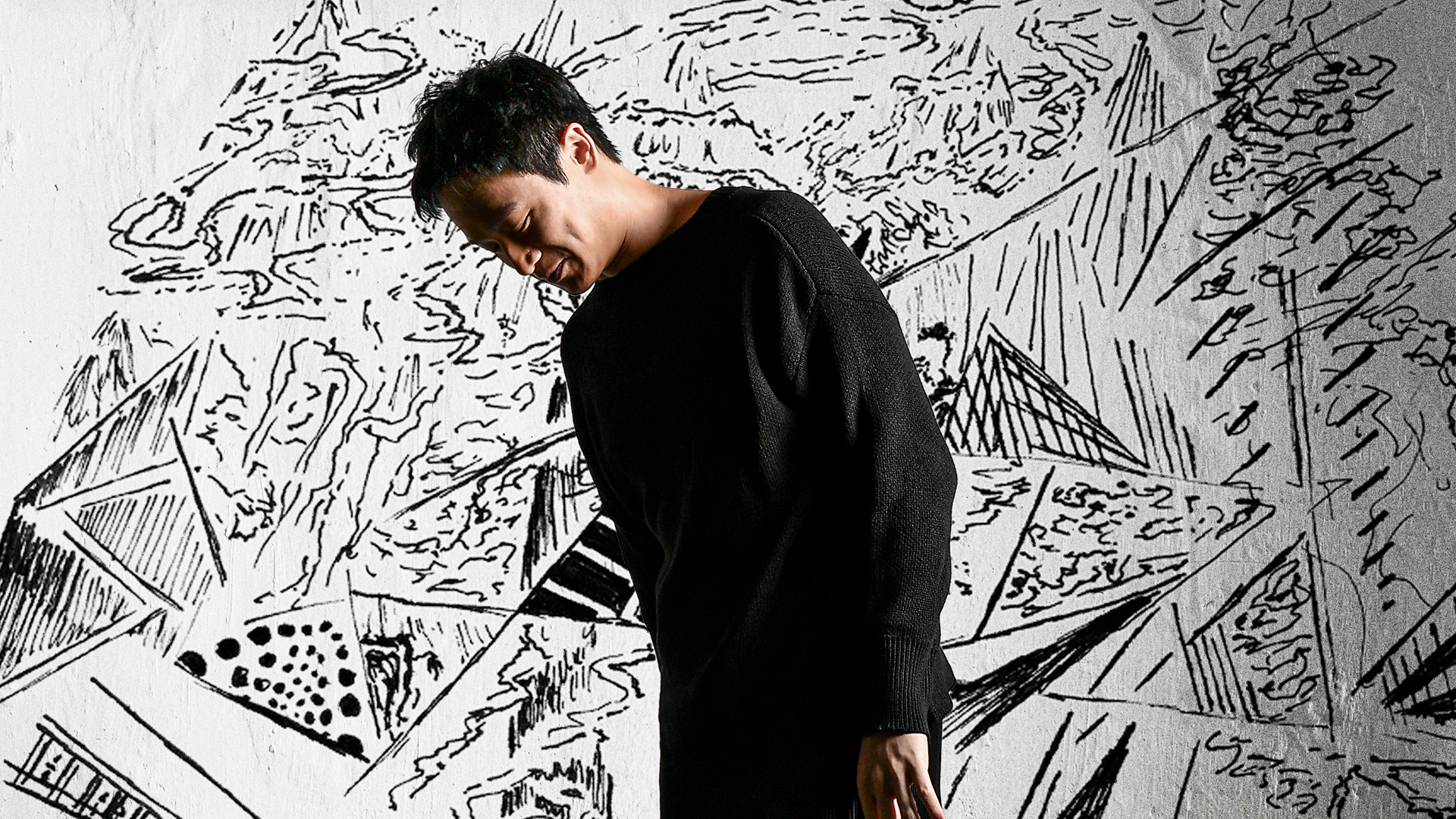
The local name creating the biggest buzz is undoubtedly Aristo Sham. In June, the Hong Kong pianist won both the gold medal and audience award at the Van Cliburn International Piano Competition. Held every four years in Fort Worth, Texas, the event is otherwise known as “the instrument’s Olympics”.
Sham describes the recognition as a ticket offering the “opportunity to really refine and define” his artistry. “I believe the competition looks for pianists who are ready to contribute to music — someone who has a thorough, personal understanding of music, someone who can reliably perform and deliver special experiences to a wide array of audiences,” he says.
When his HKAF recital on March 20 quickly sold out, a second performance on March 21 was added. The pianist will be presenting a completely different repertoire at the second concert. He says that besides providing him with “the invaluable gift of sharing some of my favorite music”, the HKAF platform is an opportunity “to share how I have grown and what I have learned in these nine months since the competition”.
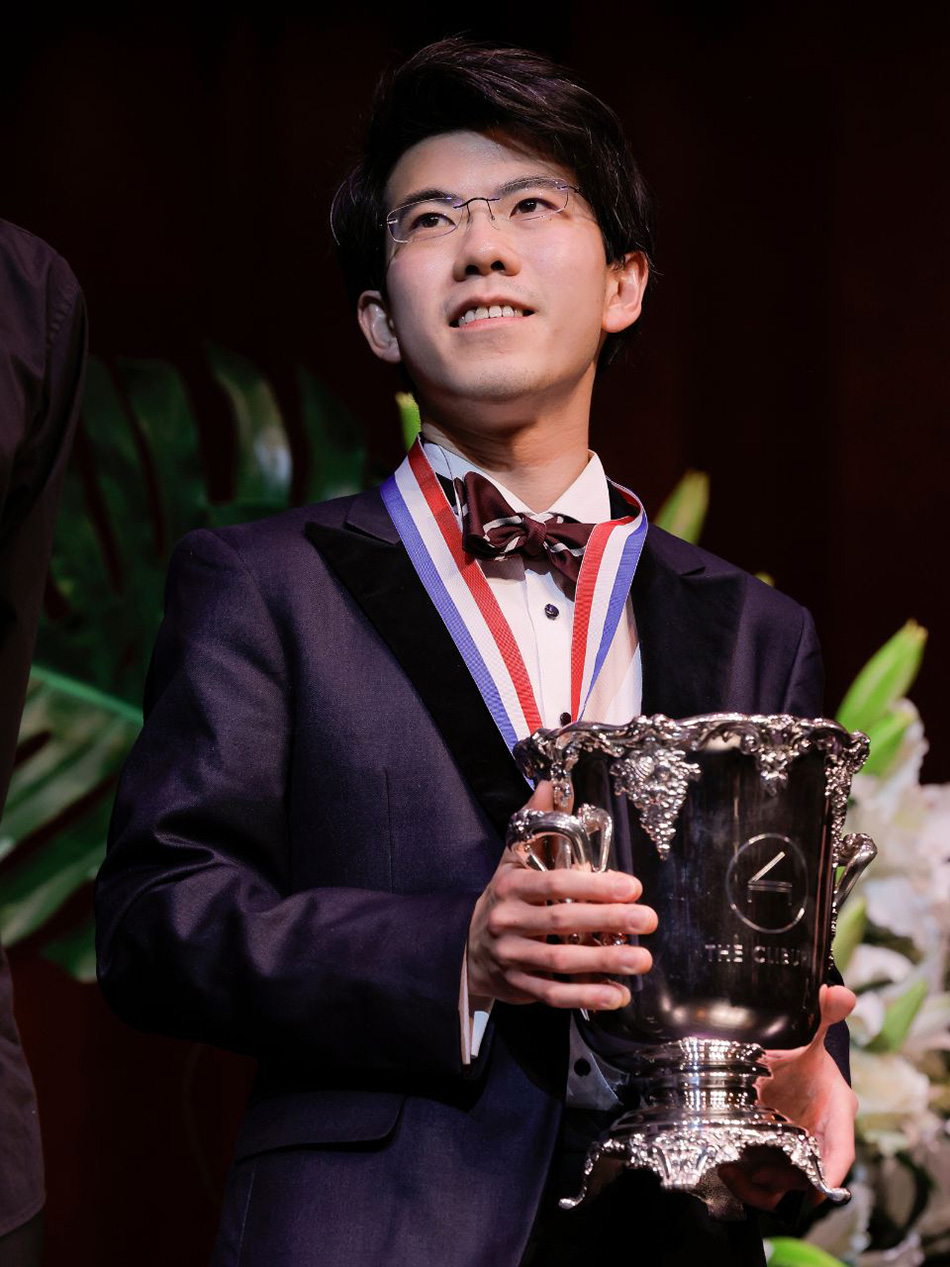
“Performing in Hong Kong is always a special experience, given my personal history and relationship with the city — you are surrounded by the hometown crowd that has witnessed your growth, your ups and downs,” Sham says.
Piano continues to be a favorite with Hong Kong’s aspiring musicians, and the outsize influence Sham wields as a high-profile role model is not lost on him. However, he invites young fans to feel, rather than analyze, when they hear him play.
“In a city like Hong Kong, we tend to overrationalize and overquantify everything. I wish that we could let our thoughts and emotional worlds develop organically more often. In the concert hall, I hope audience members can just be present, without overthinking, just feel the music in the moment and feel its impact on listeners,” Sham says.
“Love every note” is his suggestion for an enhanced listening experience. “Feel and interpret every harmony, every phrase, every connection between two different notes in a deep and personal way.”
Eye on Asia
From the outset, HKAF has played a trailblazing role in shaping audience taste. Lang says Hong Kong was ahead of many other Asian cities in introducing contemporary music, mainly from the West, to a local audience. However, today the festival is keen to look beyond the traditional European centers of culture. There has been a growing representation of East Asian talent in recent years. The current edition includes two South Korean names making waves: the Novus string quartet and Yunchan Lim — the 2022 Van Cliburn winner who will perform Schumann’s poetic Piano Concerto in A Minor alongside Academy of St Martin in the Fields Orchestra on March 28.
A day later, South Korean American pianist Minsoo Sohn will be accompanied by the same esteemed London-based orchestra. “When I was invited back by HKAF, my first thought was gratitude, followed by excitement. It felt like being welcomed back into an ongoing conversation where music isn’t just performed, but genuinely shared, questioned and celebrated,” says Sohn, adding that he was eagerly awaiting the chance to catch up with “music lovers who listen with both intellect and heart”.
Sohn has previously performed two complete cycles of Beethoven’s piano concertos alongside Hong Kong conductor Wilson Ng, and working together again at HKAF offers “an immediate feeling of home,” as the pair shares “a deep, unspoken understanding of the music”.
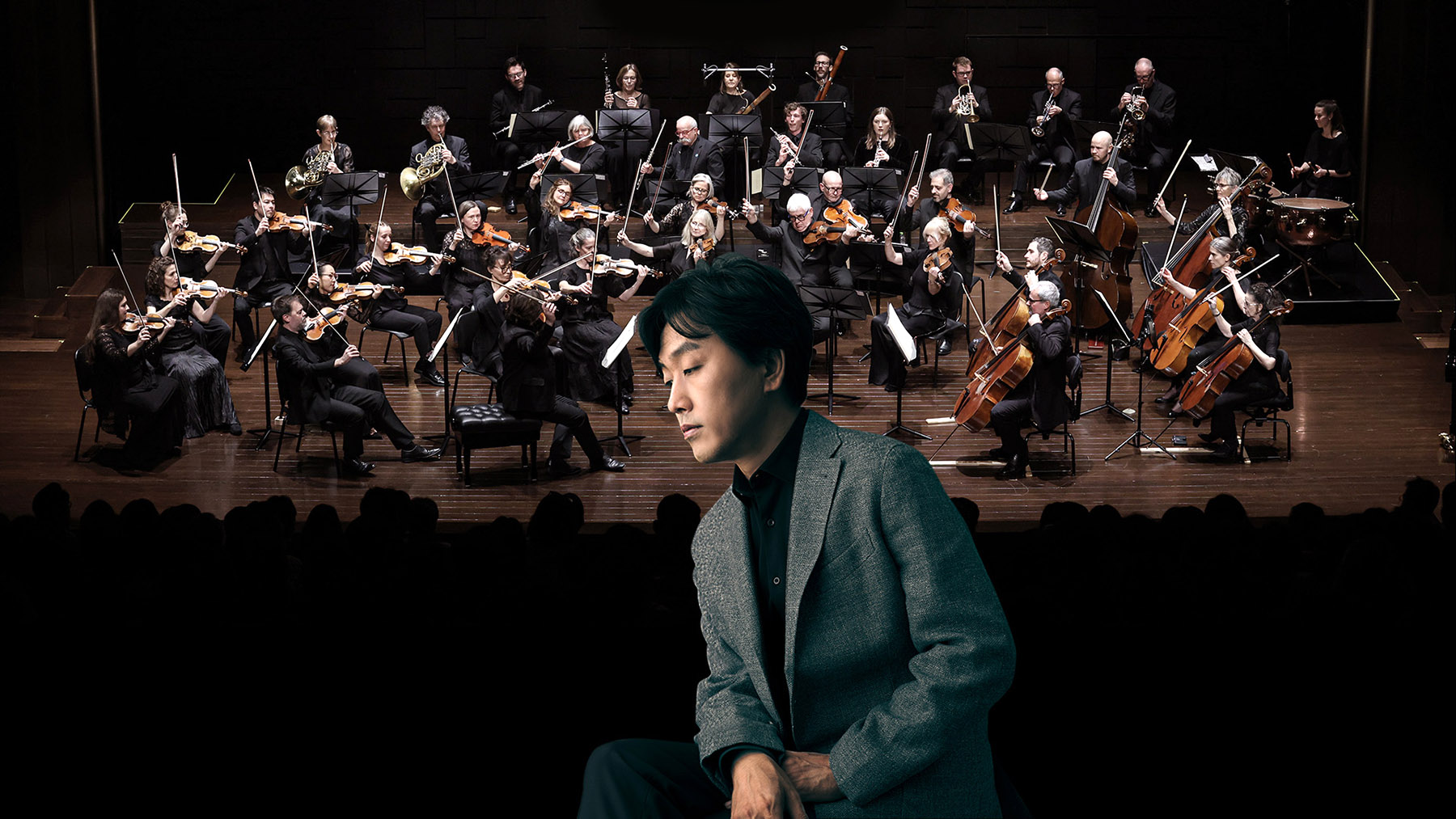
For the HKAF recital they will together climb the mountain of “The Emperor” — the fifth and final of Beethoven’s piano concertos, regarded as a pianistic Everest of sorts. Sohn calls “performing this monumental work both a privilege and a profound responsibility”.
“Its greatest challenge lies not in its scale or virtuosity, but in navigating Beethoven’s inner landscape; the journey toward a true sense of freedom. This is not a heroic triumph declared at the outset, but a discovery that unfolds gradually, through struggle, doubt and revelation,” he adds.
ALSO READ: From page to stage
He invites both familiar and fresh listeners to pay attention to the “tension between affirmation and vulnerability” in the score. “Beethoven remains an enigmatic hero who still lives among us,” he adds. “His music continues to pose endlessly truth-seeking questions and offers no definitive answers. It is an endless journey, filled with mystery and miracle.”
The festival’s growing emphasis on representation both fuels and responds to the changing tastes, Lang says. The increasing number of Sunday afternoon performances is meant to woo and accommodate the growing number of culture lovers from the Chinese mainland who visit the city to make the most of a packed festival weekend. This way, “they can actually attend four or five performances over a weekend and then go back on the fast train.”
If you go
Hong Kong Arts Festival 2026
Dates: Through March 30
Venue: Various venues
www.hk.artsfestival.org
